
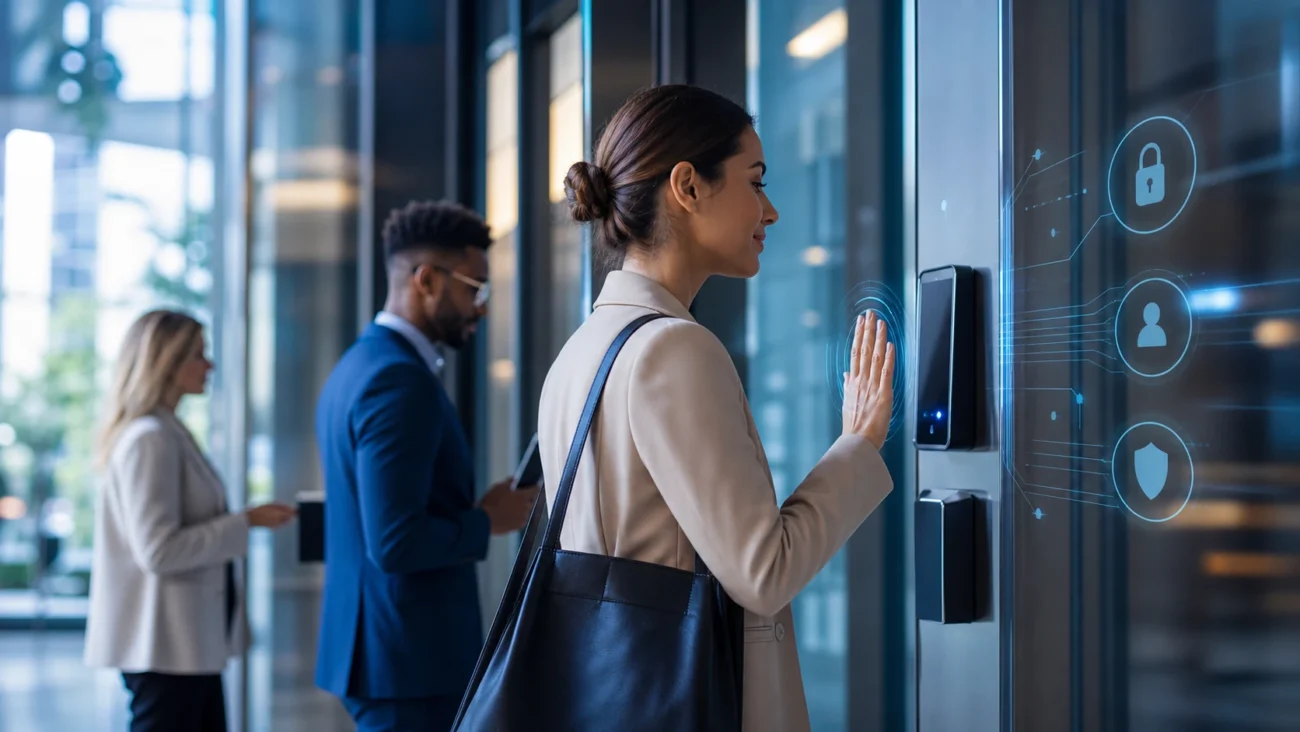
Every business owner wants to know who’s walking through their doors—and when. Whether you manage a healthcare facility, a corporate office, or a retail warehouse, controlling access to your building is one of the most fundamental layers of security you can put in place. Yet many businesses still rely on traditional lock-and-key systems that offer little visibility, no audit trails, and no ability to respond quickly when something goes wrong.
That’s where modern access control comes in. Commercial Access Control Systems in Portland, OR have evolved significantly over the past decade, and today’s solutions offer far more than just a locked door. From mobile credentials to visitor management kiosks, the right system gives businesses real-time oversight, streamlined operations, and peace of mind.
What Is a Commercial Access Control System?
A commercial access control system is a security solution that manages who can enter specific areas of a building, and under what conditions. Instead of physical keys, these systems use credentials such as access cards, PIN codes, or smartphone apps to grant or deny entry.
At the most basic level, access control replaces the traditional lock with a smarter, more flexible mechanism. At its most advanced, it integrates with other business systems—like HR software, time and attendance tools, and video surveillance—to create a comprehensive security ecosystem.
Key Components of a Modern Access Control System
Modern access control is not a single product. It’s a combination of hardware and software working together. Here are the core components you’ll find in most commercial deployments:
Electronic Locks
Smart locks form the foundation of any access control system. They allow authorized users to enter quickly while keeping unauthorized individuals out. Unlike traditional locks, electronic locks can be remotely locked or unlocked at any time, from anywhere.
Access Cards and Mobile Credentials
Physical access cards remain widely used because they’re easy to issue, manage, and deactivate. Mobile credentials take this further by turning smartphones into access keys—convenient for employees and easy for administrators to manage without printing new cards.
Keypads and PIN Entry
Keypad-based entry is a cost-effective option for lower-traffic areas or as a secondary authentication layer alongside cards or mobile credentials.
Access Control Software
The software layer is where most of the management happens. Administrators can set permissions by role, schedule access windows, run time and attendance reports, and generate muster reports during emergencies—all from a central dashboard.
Barrier Arms and Turnstiles
For vehicle entry points and high-traffic pedestrian areas, barrier arms and turnstiles provide physical enforcement. These are especially common in parking facilities, warehouses, and office campuses where controlling the flow of people or vehicles is essential.
Intercom Systems
Intercoms allow reception staff or remote administrators to verify visitor identity before granting access. Paired with video, they add an extra layer of accountability to the entry process.
Visitor Management Software and Kiosks
Modern visitor management tools streamline the check-in experience for guests, contractors, and temporary workers. Visitors can pre-register online, check in at a self-service kiosk, and receive a time-limited credential—all without requiring staff intervention.
Why Businesses in Portland Are Investing in Access Control
Commercial Access Control Systems in Portland, OR are in growing demand across a range of industries. Healthcare providers need to restrict access to medication storage and patient records. Tech companies protect intellectual property by limiting who can enter server rooms or R&D areas. Property managers use access control to secure multi-tenant buildings efficiently.
There are a few key reasons why businesses make the switch:
- Accountability: Every entry and exit event is logged, giving you a clear record of who was where and when. This is particularly valuable during incident investigations or compliance audits.
- Remote management: Cloud-based systems allow administrators to manage access from anywhere. If an employee leaves the company, their credentials can be deactivated instantly—no need to collect a key or change a lock.
- Scalability: A good system grows with your business. Adding new doors, users, or locations is straightforward when the infrastructure is already in place.
- Integration: Modern access control integrates with HR platforms, payroll systems, and video surveillance, reducing administrative overhead and creating a more unified security posture.
Choosing the Right System for Your Business
Not every business needs the same solution. A small professional services office has different needs than a large distribution center. When evaluating options, consider the following:
Number of entry points: The more doors and gates you need to control, the more important centralized software management becomes.
User volume: High-traffic environments benefit from faster credential types like mobile access or long-range card readers that don’t require physical contact.
Visitor frequency: If your business regularly hosts clients, contractors, or deliveries, visitor management software can significantly reduce front-desk workload.
Integration needs: If you’re already using HR or payroll software, look for an access control platform that connects natively—or through an API—to avoid manual data entry.
Budget: Hardware costs vary widely depending on the type of locks, readers, and barriers you choose. Cloud-based software subscriptions often reduce upfront costs and include automatic updates and remote support.
Getting Started with Access Control
The best first step is a professional consultation. An experienced provider will assess your facility, understand your operational requirements, and recommend a system that fits your needs and budget. Commercial Access Control Systems in Portland, OR are not one-size-fits-all, and a tailored approach ensures you’re not paying for features you don’t need—or missing ones you do.
Professional installation also matters. Even the best equipment underperforms when it’s installed incorrectly. Certified technicians ensure every component is configured properly, integrated with existing systems, and tested before going live.
Protect Your Business with the Right Access Control Solution
Commercial Access Control Systems in Portland, OR give businesses the tools to manage access confidently, reduce security risks, and operate more efficiently. The technology available today—from cloud-based software to mobile credentials and smart intercoms—makes it easier than ever to build a system that fits your specific environment.
If you’re ready to upgrade your business security, start with a free consultation. A qualified security provider can walk you through your options, help you plan the right solution, and handle every step of the installation process.
