
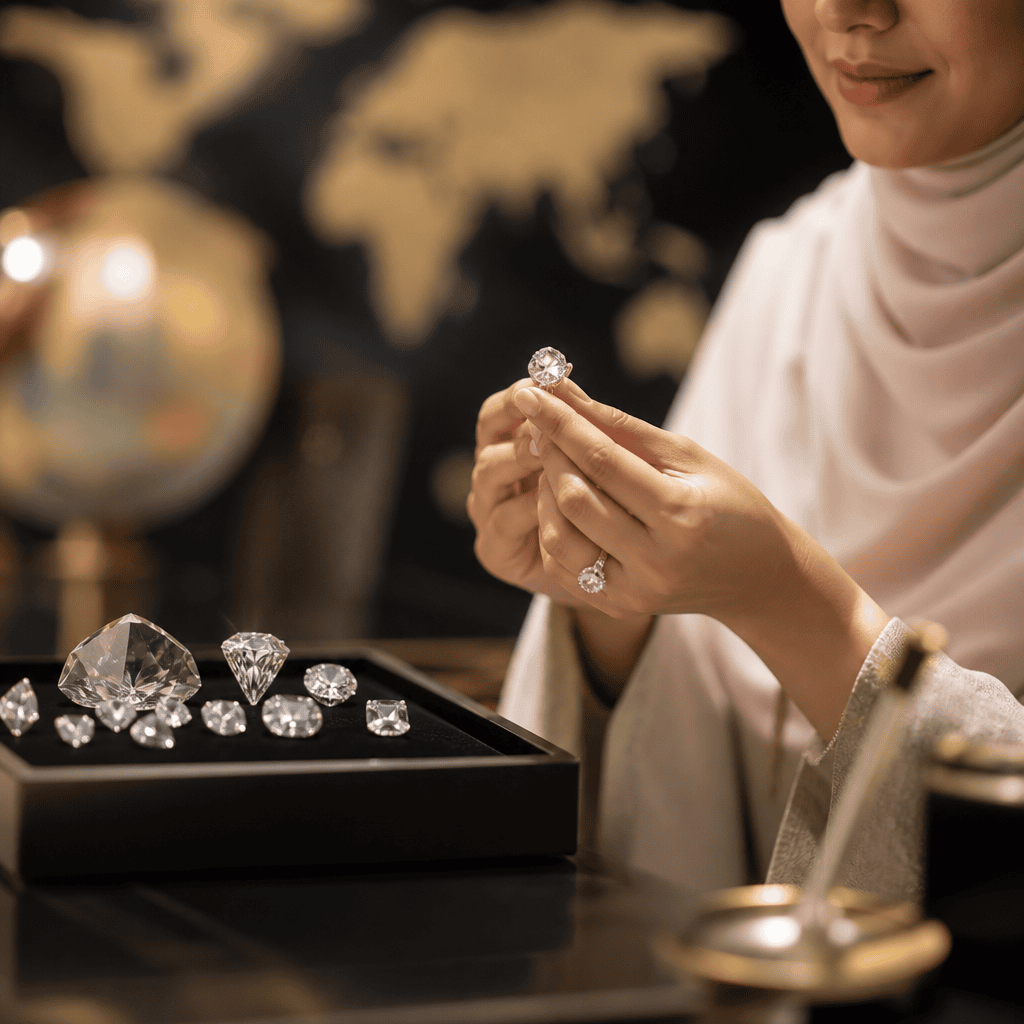
Diamonds have captivated human civilization for centuries. From ancient Indian mines to the cutting rooms of Antwerp, from the vaults of De Beers to the display cases of modern jewelers, these remarkable stones have maintained an almost mythological status in culture, commerce, and personal sentiment. Today, the diamond industry sits at a fascinating intersection of tradition and transformation — where heritage craftsmanship meets contemporary design, and where global commodity markets influence the most intimate of personal purchases. Understanding diamonds means understanding both their sweeping economic story and the deeply personal moments they represent.
Diamonds as a Global Commodity
Few commodities carry the symbolic weight of diamonds. Unlike oil or grain, diamonds are not consumed — they endure. This permanence is part of what makes them so economically unusual. According to the U.S. Census Bureau’s commodity spotlight on diamonds, the United States has long been one of the world’s largest importers of gem-quality diamonds, reflecting the enormous domestic appetite for diamond jewelry. The global supply chain stretches from mines in Botswana, Russia, Canada, and Australia to polishing centers in India and Belgium, before reaching retailers across North America, Europe, and Asia.
What makes diamonds particularly compelling as a commodity is the layered nature of their value. A rough diamond extracted from the earth bears little resemblance to the polished, graded stone that eventually finds its way into a ring or pendant. The transformation involves geological science, precision cutting, expert grading, and finally, skilled jewelry design. Each stage adds value — and each stage requires expertise that has been refined over generations.
Supply, Demand, and the Shifting Market
The diamond market has evolved considerably over the past two decades. The rise of lab-grown diamonds has introduced new dynamics, offering consumers a more accessible price point while sparking ongoing debates about value, authenticity, and environmental impact. Meanwhile, demand from emerging markets — particularly China and India — has reshaped global consumption patterns. Despite these shifts, natural diamonds retain a premium position in the market, driven by their rarity, geological history, and the cultural narratives that surround them. For many buyers, a natural diamond is not simply a gemstone; it is a piece of the earth’s ancient story.
The Art of Diamond Jewelry Design
Beyond the commodity market, diamonds find their truest expression in jewelry. The design of diamond pieces is where science meets artistry — where the precise angles of a brilliant cut interact with light to produce that unmistakable sparkle, and where a jeweler’s vision transforms raw material into something that carries emotional meaning. Whether set in a classic solitaire ring, a vintage-inspired halo pendant, or a bold contemporary piece, diamonds adapt to every aesthetic sensibility.
Modern consumers are increasingly interested in personalization. The days of choosing from a limited selection of standardized pieces are giving way to an era of bespoke jewelry, where buyers collaborate with designers to create something uniquely their own. This shift reflects broader cultural trends toward individuality and self-expression, and it has pushed jewelers to expand their creative offerings significantly.
From Classic Elegance to Iced-Out Statements
One of the most exciting developments in contemporary diamond jewelry is the broadening of style categories. Diamond pieces are no longer confined to formal occasions or traditional aesthetics. Today’s market embraces everything from understated, minimalist designs to bold, maximalist statements. If you are exploring the full spectrum of what diamond jewelry can look like, custom diamond pendants for every style, from classic to iced-out offer a compelling look at how versatile these stones can be across different design philosophies. A delicate solitaire pendant speaks to timeless refinement, while a fully pavé-set piece commands attention and communicates a completely different kind of confidence.
This stylistic diversity has democratized diamond jewelry in meaningful ways. Younger buyers who might have once considered diamonds too formal or too conventional are now discovering that the gemstone fits seamlessly into streetwear-influenced aesthetics, everyday casual wear, and everything in between. The cultural cachet of diamonds has expanded rather than diminished.
Choosing the Right Diamond Jeweler
With so many options available — from large retail chains to independent boutiques to online platforms — choosing where to purchase a diamond piece is itself a significant decision. The right jeweler brings together product quality, transparent sourcing, design expertise, and genuine customer service. These qualities are not always easy to find, and they matter enormously when you are making a purchase that carries both financial and emotional weight.
Reputation and longevity in the industry are meaningful indicators of trustworthiness. A jeweler who has built a loyal customer base over years — or decades — has done so by consistently delivering on their promises. Certifications, return policies, and the ability to customize pieces are also important factors to consider. Buyers should feel empowered to ask questions, request documentation, and take their time before committing to a purchase.
Leon Diamond: Craftsmanship Rooted in Expertise
When it comes to sourcing exceptional diamond jewelry with confidence, few names carry the weight of experience and craftsmanship that Leon Diamond brings to the table. With a deep commitment to quality and a reputation built on decades of expertise in the diamond industry, Leon Diamond has established itself as a trusted destination for buyers seeking everything from classic engagement rings to custom-designed pieces. Their approach combines rigorous gemological knowledge with a genuine understanding of what customers are looking for — not just a beautiful stone, but a meaningful object that will be treasured for generations.
What distinguishes a jeweler of this caliber is not simply the quality of the stones they carry, but the depth of guidance they offer throughout the buying process. Navigating the four Cs — cut, color, clarity, and carat — can feel overwhelming for first-time buyers, and having an experienced team to provide honest, informed advice makes an enormous difference in the final outcome.
The Lasting Significance of Diamond Jewelry
Diamonds endure not just physically, but culturally. They mark milestones — engagements, anniversaries, achievements — and they carry stories forward through generations. A grandmother’s ring passed down to a granddaughter is not merely jewelry; it is a tangible connection across time. This is the dimension of diamond ownership that no commodity report can fully capture, and it is the reason why, despite every market fluctuation and every new alternative material, diamonds continue to hold a singular place in human experience.
Whether you are drawn to the geological wonder of a natural diamond, the design possibilities of a custom pendant, or the heritage of a storied jeweler, the world of diamonds offers something genuinely remarkable at every level. The key is approaching it with knowledge, intention, and a clear sense of what you value most.
Conclusion: Investing in What Matters
Purchasing a diamond piece is rarely a purely rational decision — and that is entirely appropriate. These are objects designed to carry meaning, to mark moments, and to outlast the circumstances of their purchase. By understanding the broader context of the diamond industry, exploring the full range of design possibilities available today, and choosing a jeweler whose expertise and integrity you trust, you position yourself to make a purchase that will genuinely stand the test of time. In a world of disposable goods and fleeting trends, that kind of lasting value is worth seeking out.
