
Effective inventory tracking is an essential part of running a successful supply chain. Businesses need to know not only where their stock is located, but also its condition and whether it is ready to move to the next stage of the process – arguably, this is one of the most important things for a supply business.
This is where industrial quality control inspection labels play an important role. Standardised inspection tagging provides employees with an immediate visual indication of an item’s status, helping to prevent rejected, damaged or untested goods from accidentally entering the fulfilment process.
From simple Approved and Rejected labels to dedicated Quarantine tags, implementing a consistent system can improve accuracy and provide greater control over inventory as it moves through the supply chain.
Below, we have put together a brief article on why effective inventory tracking starts with quality control labels. Keep on reading to learn more.
Make Inventory Status Immediately Clear
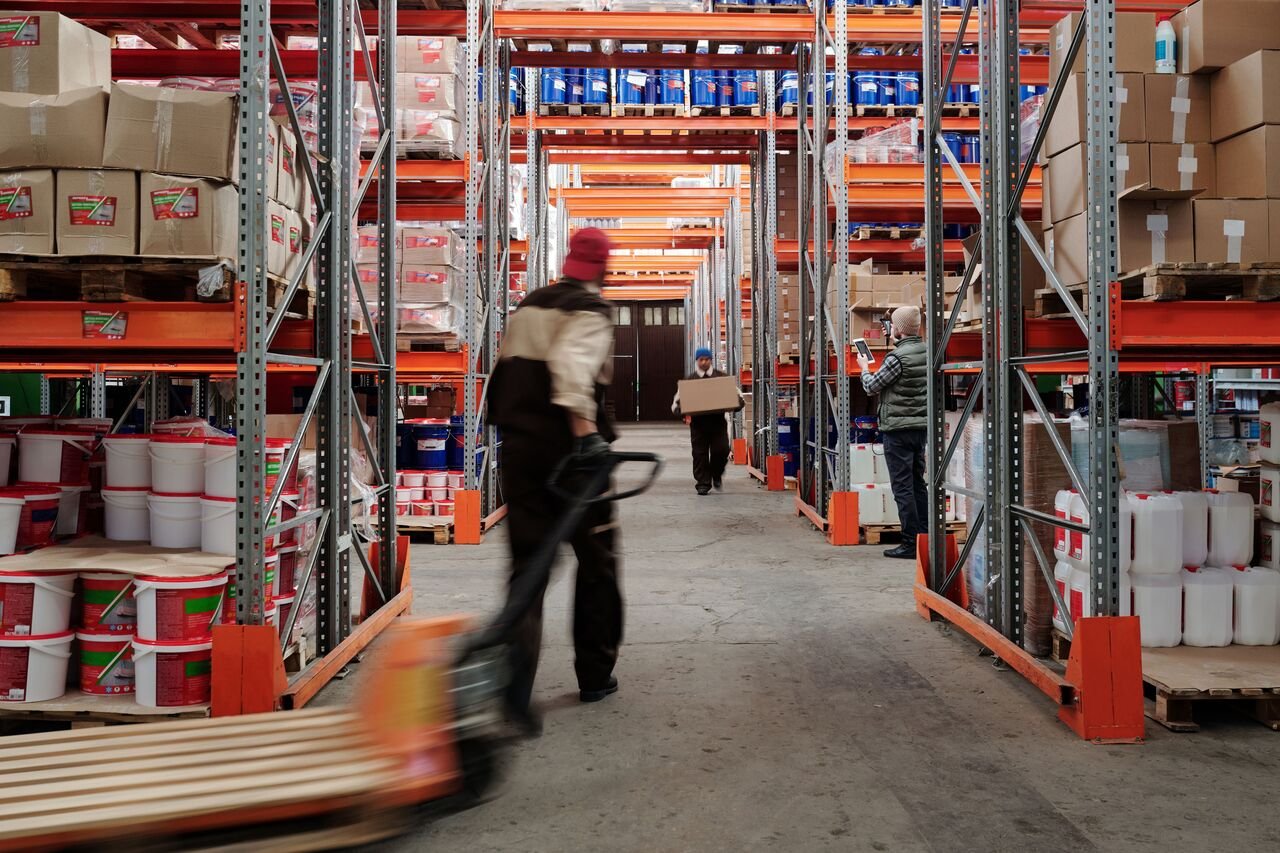
In a busy warehouse or distribution centre, employees may handle hundreds or even thousands of individual products, pallets and components throughout a shift. Relying solely on digital systems or paperwork can make it more difficult to determine the status of an item at a glance.
Quality control labels provide an immediate visual reference.
An Approved label can indicate that an item has passed the necessary checks and is ready for storage, production, or dispatch. A Rejected label makes it clear that an item should not progress further, while a Quarantine label can identify stock that needs to be isolated while additional checks take place.
Reduce Picking and Fulfilment Errors
As you may already be aware, fulfilment mistakes can quickly become expensive (errors can cost your business). Sending a damaged, defective, or unapproved product to a customer can result in returns, replacements, and additional delivery costs. Along with this, it can also affect the way the customer thinks of you, causing them to stop ordering from you in the future.
By using inspection labels, this can help reduce these errors, improving the customer’s experience when shopping with you. For example, if rejected stock is clearly identified and separated from approved inventory, warehouse teams are less likely to accidentally pick it for an order. Similarly, quarantine labels can prevent products from being moved until an investigation or additional inspection has been completed. If these errors are being made, it can be easier to scale your business.
Support Traceability Throughout the Supply Chain
Quality control is not only about identifying whether something has passed or failed an inspection. Businesses may also need to understand when an inspection took place, who completed it, and why a particular decision was made. Depending on the system being used, quality control labels can include information such as inspection dates, batch numbers, employee details, or reference numbers. This creates a physical record that can work alongside warehouse management and inventory systems.
Do you currently use quality control labels, and if not, will you be moving over to them? What is your current process, and what improvements are you looking to make moving forward? Let us know in the comment box below. We look forward to hearing from you.
