
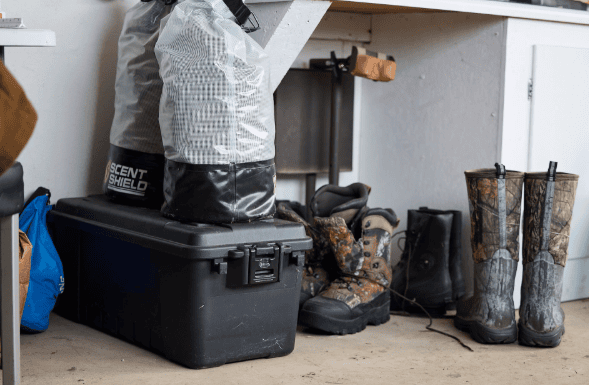
Hunting season ends, the rifle gets cased up, and for most hunters, that’s the last thought given to their gear until opening day rolls around again. But the months between seasons are exactly when a lot of quiet damage happens to a rifle scope. Humidity, temperature swings, dust, and simple neglect can all take a toll on an optic that performed flawlessly all season, leaving you with a foggy lens or a shifted zero right when you need it most.
Taking care of your scope during the off-season isn’t complicated, but it does require a bit more attention than just tossing the rifle in a closet. Whether your setup came from a big-box store or a specialized hunting rifle scope manufacturer, proper storage and maintenance habits will extend its lifespan and keep it performing the way it did the day you first zeroed it in.
Clean the Glass the Right Way
Lens cleaning is one of those tasks that seems simple but is easy to do wrong in ways that cause long-term damage. Wiping a lens with a shirt sleeve or a rough paper towel might remove visible dust, but it can also grind small particles into the lens coating, leaving faint scratches that reduce clarity over time.
A few basics make a real difference here:
- Blow off loose debris first using a small air blower or soft brush before touching the lens with anything else, since wiping directly can drag grit across the glass.
- Use a proper lens cloth or lens pen designed for optics, not a generic cloth from around the house.
- Apply lens cleaning solution sparingly, and only products made for coated optical glass, since some household cleaners can damage lens coatings.
- Clean in gentle circular motions rather than pressing hard or scrubbing, which can create micro-scratches over repeated cleanings.
Doing this once at the end of the season, rather than waiting until the lens looks visibly dirty, keeps grime from building up and becoming harder to remove later.
Check and Protect the Exterior
While the glass gets most of the attention, the scope’s exterior housing deserves a look too. Small dents or scratches on the tube itself are usually cosmetic, but it’s worth checking that turret caps are seated properly and that any rubber armor or grip coating isn’t peeling or cracking, since damaged exterior seals can eventually let moisture in.
Wipe down the exterior with a slightly damp cloth to remove dirt, sweat, or field residue, then dry it fully before storage. Leaving organic residue like sweat or oils on the housing over several months can, in some cases, contribute to corrosion around metal components like turret screws.
Store in a Stable Environment
Where you store your rifle and scope during the off-season matters more than most hunters realize. Extreme temperature swings, especially in an uninsulated garage or shed, cause materials to expand and contract repeatedly. Over time, this can affect seals and internal components, even in a well-built, weatherproof scope.
Humidity is often the bigger concern, though. A damp storage environment increases the risk of internal fogging or, worse, mold growth on lens coatings, which is difficult to fully remove once it sets in. A cool, dry, temperature-stable space, like a climate-controlled closet, is generally a better choice than a garage or basement prone to moisture.
If humidity is a genuine concern in your storage area, a silica gel pack placed near your stored rifle case can help absorb excess moisture without requiring any special equipment.
It’s also worth checking whether your scope’s manual includes specific storage recommendations, since many optics brands, including a dedicated hunting rifle scope manufacturer, publish guidance on ideal humidity and temperature ranges for long-term storage based on how their products are built and sealed.
Consider a Dedicated Storage Case
Beyond the general storage environment, the container you use matters too. A hard case with foam cutouts offers far better protection than a soft case or simply leaning the rifle in a corner, particularly if the storage space sees any foot traffic or is shared with other equipment.
A few things worth looking for in a storage case:
- Foam padding that supports the scope directly, rather than leaving it to rest against the rifle stock or other hardware
- A reliable seal if you’re storing in a garage or shed with any moisture exposure
- Enough internal clearance so the scope isn’t pressed against the case lid when closed, which can create pressure points over time
- A latch or lock if the storage area isn’t fully secure, both for safety and to prevent accidental impacts from other stored items
Don’t Store It Under Tension
Some hunters store their rifle in a case with the scope rings still fully torqued down exactly as they were during hunting season, assuming this keeps everything perfectly in place. In reality, there’s little benefit to this, and in some cases, long-term stored tension on certain components can contribute to very gradual material fatigue, though this varies depending on the specific hardware involved.
More importantly, storing the rifle in a padded case that doesn’t put pressure directly on the scope’s turrets or ocular lens protects against accidental impact damage, which is a far more common cause of off-season problems than tension itself.
Recheck Zero Before the Season Starts
Even with careful storage, it’s worth confirming your zero again before heading back into the field. Months of sitting, transportation to and from storage, or simply the passage of time can introduce small shifts that aren’t always obvious just from handling the rifle.
A quick range session a few weeks before opening day accomplishes two things: it confirms your rifle is still shooting where you expect, and it gives you time to troubleshoot if something has shifted, rather than discovering a problem on the morning of your hunt.
Inspect Before You Pack It Away
Rather than just cleaning and storing your scope at random, it helps to run through a quick inspection checklist at the end of each season:
- Check for moisture inside the lens, which shows up as internal fogging that doesn’t clear when wiped externally
- Test the turret adjustments, making sure clicks feel crisp and consistent rather than mushy or inconsistent
- Inspect the mounting rings and base for any looseness that developed over the season
- Look over the reticle for any visible damage or irregularities that weren’t present when you first zeroed the rifle
Catching a small issue at the end of the season gives you months to address it, rather than discovering a problem the week before your hunt when replacement parts or repairs are harder to arrange quickly.
When to Consider Professional Servicing
Most routine care can be handled at home, but certain issues are worth sending to a professional rather than attempting a fix yourself. Persistent internal fogging, turrets that feel loose or fail to hold adjustment, or any sign of internal component movement when the scope is gently shaken are signs that the optic may need professional attention.
Companies like billingsoptics.com that specialize in hunting optics often provide guidance on when a scope needs servicing versus when an issue is simply cosmetic, which can be a useful resource if you’re unsure whether a problem warrants a repair or replacement. Reaching out before assuming the worst can save you from replacing a scope that just needed a straightforward fix.
Final Thoughts
The care you give your hunting optics between seasons has a direct impact on how reliably they perform when it matters most. Cleaning the glass properly, storing your rifle in a stable, dry environment, and running through a quick inspection before each new season are simple habits that prevent most common problems before they start. A little attention during the off-season is a small investment compared to discovering an issue in the field, right when you need your equipment to work exactly as it should.
