
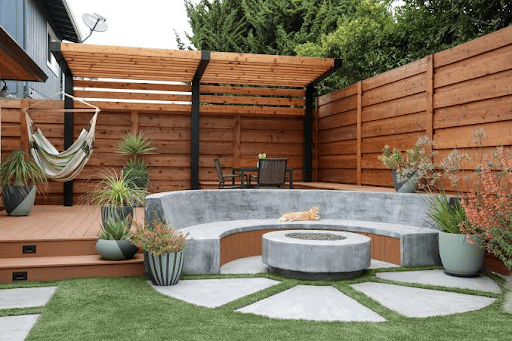
Outdoor decks can transform an ordinary backyard into a practical extension of the home. They provide space for outdoor dining, entertaining guests, relaxing with family, or simply enjoying the surrounding landscape. However, a successful deck project requires more than choosing a style from a catalog. Climate, property layout, materials, drainage, maintenance, and intended use all influence the final design.
Seattle and San Diego offer very different outdoor environments, so homeowners in these locations need to approach deck planning differently. Seattle’s wet climate makes moisture management and material durability especially important, while San Diego’s sunny conditions place greater emphasis on heat, UV exposure, shade, and long-term material performance. Understanding these differences can help homeowners make better decisions before construction begins.
Why Climate Matters in Deck Design
A deck remains exposed to outdoor conditions throughout the year. Rain, sunlight, humidity, temperature changes, and moisture can gradually affect decking boards, framing, fasteners, railings, and other components. The local climate should therefore influence both design and material selection.
Seattle homeowners need to pay close attention to rainfall and moisture. Water that remains around the structure can contribute to deterioration over time. Proper drainage, ventilation, and suitable materials can help manage these conditions.
San Diego homeowners face a different set of considerations. Strong sunlight can cause certain materials to fade or become warmer, while dry conditions can affect natural wood if owners do not maintain it properly. Coastal properties may also experience salty air, which can influence some metal components.
Planning a Deck Around Your Lifestyle
Before discussing materials or construction, homeowners should determine how they intend to use their deck. A space designed primarily for quiet relaxation will have different requirements from one intended for frequent parties or outdoor dining.
Families may need room for tables, chairs, grills, and children’s activities. Homeowners who enjoy entertaining may want multiple seating areas or an outdoor cooking zone. Others may prioritize a smaller space with comfortable furniture and attractive landscaping.
Creating a basic furniture layout can help determine the appropriate deck size. It is important to leave enough room for people to walk around furniture comfortably rather than filling every available section.
Designing for Seattle’s Wet Climate
Seattle’s frequent rainfall makes moisture management one of the most important parts of deck planning. Water should move away from the house and should not remain trapped beneath or between components.
Homeowners should consider how the deck interacts with existing drainage and landscaping. Poor water management can affect soil, foundations, decking, and nearby structures.
Material selection also deserves careful attention. Natural wood can provide a warm and attractive appearance, but it may require regular cleaning, staining, and sealing. Composite decking offers another option for homeowners who prefer lower routine maintenance.
Working with a deck builder Seattle can help homeowners evaluate local conditions and develop a design that accounts for moisture, drainage, structural requirements, and the property’s specific layout.
Choosing Materials for Rainy Conditions
Decking materials need to withstand repeated exposure to moisture. Pressure-treated lumber remains a common choice because it offers practical durability at a relatively accessible price point.
Cedar and other natural woods can provide distinctive appearances, but homeowners should understand their maintenance requirements before selecting them. Regular cleaning and protective treatments may help preserve their appearance and performance.
Composite materials can provide greater resistance to moisture and may require less routine maintenance. However, they can have a higher initial cost, so homeowners should compare both purchase price and long-term maintenance requirements.
Designing a Deck for San Diego Weather
San Diego provides excellent opportunities for outdoor living because of its generally mild climate. However, homeowners still need to account for intense sunlight and prolonged UV exposure.
Shade can become an important feature. Pergolas, umbrellas, retractable awnings, and shade structures can make the deck more comfortable during warmer periods.
Material color also matters. Dark surfaces can become noticeably warm under direct sunlight, while lighter colors may provide a cooler feel. Homeowners should consider both appearance and comfort when selecting decking products.
A professional san diego deck builders team can help homeowners evaluate the property, choose suitable materials, and design an outdoor area that works with the local environment.
Creating Shade Without Losing Open Space
Shade structures can significantly improve outdoor comfort, but they should complement the deck rather than make it feel enclosed.
A pergola can provide partial shade while maintaining an open appearance. Retractable systems give homeowners more control because they can adjust coverage depending on weather and time of day.
Trees can also provide natural shade, although homeowners should consider their mature size, root systems, falling leaves, and maintenance requirements before planting them close to a deck.
The best solution depends on the property’s orientation and how much direct sunlight the deck receives.
Deck Railings and Safety
Railings contribute to both safety and visual design. Homeowners can select from wood, composite, metal, cable, and glass options depending on their preferences and project requirements.
A railing with a simple design can preserve views, while a more substantial structure may offer additional privacy.
Regardless of appearance, railings should meet applicable local building requirements. Proper installation matters because railings experience regular contact and pressure.
Professional construction can help ensure that the railing system works appropriately with the rest of the deck structure.
Comparing Deck Costs
The total cost of a deck depends on numerous factors. Size is important, but it is only one part of the budget.
Other costs may include:
- Decking material
- Structural framing
- Foundations
- Stairs
- Railings
- Labor
- Permits
- Lighting
- Site preparation
- Shade structures
- Built-in seating
- Landscaping adjustments
Seattle projects may require additional attention to drainage and moisture-related construction details, while San Diego projects may include shade features or designs intended to maximize year-round outdoor use.
Homeowners should create a complete project budget rather than focusing only on the price of decking boards.
Making the Most of Small Outdoor Spaces
A large backyard is not necessary for a functional deck. Smaller properties can benefit from carefully planned layouts that prioritize the homeowner’s most important activities.
Built-in benches can reduce the amount of space required for furniture. Vertical planters can add greenery without taking up significant floor area. Multi-purpose furniture can provide seating and storage at the same time.
The key is to avoid overcrowding. A smaller deck with comfortable movement can be more useful than a larger structure filled with unnecessary features.
Integrating Landscaping With the Deck
Landscaping can make a deck feel like a natural part of the property. Plants, garden beds, pathways, stones, and outdoor lighting can create a smoother transition between the deck and yard.
In Seattle, homeowners may choose plants that complement the area’s green environment and handle regular moisture. In San Diego, drought-tolerant landscaping can help reduce water requirements while complementing an outdoor living space.
Plants should not be placed too close to structural components without considering their mature growth and maintenance needs. Adequate access should remain available for inspections and repairs.
Outdoor Lighting for Evening Use
Lighting allows homeowners to use their decks after sunset while improving visibility around stairs and walking areas.
Different types of lighting can serve different purposes. Recessed lights can provide subtle illumination, while step lights can make stairs easier to navigate. Decorative fixtures can create a more comfortable atmosphere around seating areas.
Energy-efficient LED lighting can also reduce ongoing electricity use. Homeowners should plan electrical requirements early so that wiring and fixture locations integrate smoothly with the overall design.
Maintenance and Long-Term Performance
Every deck requires some level of maintenance. The amount depends heavily on the material and local environmental conditions.
Wood decks typically need more ongoing attention. Cleaning, staining, sealing, and inspections can help maintain their appearance and condition.
Composite decks generally require less maintenance, although homeowners should still clean the surface and inspect structural components regularly.
Regardless of material, homeowners should periodically check for loose fasteners, damaged boards, cracks, water accumulation, corrosion, and other signs of deterioration.
Planning for Long-Term Value
The cheapest deck is not necessarily the most economical option over time. Homeowners should consider the complete ownership experience, including maintenance, repairs, replacement cycles, and everyday usability.
Spending more on a durable material may make sense if it significantly reduces future maintenance. Similarly, investing in a practical layout can provide more value than adding decorative features that receive little use.
A good deck should complement the property while supporting the homeowner’s lifestyle.
Professional Planning Makes a Difference
Online inspiration can help homeowners develop ideas, but professional evaluation remains valuable before construction begins. A contractor can assess the property, discuss material choices, review design possibilities, and identify potential construction challenges.
Local experience can also be important because building requirements and environmental conditions vary between locations.
Homeowners should discuss their priorities clearly, including budget, intended use, preferred materials, maintenance expectations, and desired features. This makes it easier to develop a realistic plan.
Final Thoughts
Deck design should always reflect the environment where the structure will stand. Seattle homeowners need to prioritize moisture management, drainage, and material durability, while San Diego homeowners can focus more heavily on sun exposure, shade, heat, and outdoor comfort.
Despite these differences, the fundamentals remain similar. Homeowners should define how they want to use the space, measure the available area carefully, establish a realistic budget, select appropriate materials, and consider long-term maintenance before construction begins.
With thoughtful planning and professional guidance, homeowners in both cities can create attractive outdoor spaces that complement their properties and remain useful for years. A well-designed deck is not simply an addition to a backyard; it can become an important part of how a home is enjoyed every day.
