
Most people book a flight to Las Vegas with a very specific itinerary in mind. The standard trip usually involves walking miles down the casino floors, lounging by a crowded resort pool, and securing tickets to a high energy residency show. While the glittering lights of Las Vegas Boulevard offer an undeniably thrilling experience, they only tell a fraction of the city’s story.
Just a few miles away from the mega resorts and dancing fountains lies an entirely different world. A quiet but incredibly vibrant cultural renaissance is happening just off the main tourist corridor. For travelers who want to dig a little deeper, the city offers a fascinating look into the bizarre, uniquely American events that shaped the Mojave Desert. From the organized crime syndicates that funded the early casinos to the surreal era of atomic testing, the real stories of this city are wilder than any fiction.
If you are ready to step away from the slot machines and experience a completely different side of the city, it is time to venture off the beaten path. Here is your comprehensive guide to discovering the rich culture hiding in plain sight and planning the perfect educational day trip.
Key Takeaways
- Las Vegas has a surprisingly deep and complex history, with off the strip cultural centers offering a much needed break from the sensory overload of the casinos.
- Exploring the city’s past reveals bizarre and fascinating eras, particularly the 1950s atomic tourism boom and the Cold War era developments in the Nevada desert.
- Planning a cultural day trip requires a bit of logistical forethought, as venturing away from the main tourist corridor often means utilizing rideshares or rental cars.
- Taking the time to visit local educational institutions provides a much deeper appreciation for how an isolated desert railroad town transformed into the entertainment capital of the world.
Why Step Away From the Neon Lights?
It is incredibly easy to spend an entire four day vacation without ever leaving your resort property. The massive hotels are literally designed to keep you inside, providing everything from world class dining to luxury shopping under a single, climate controlled roof. However, staying strictly within the resort bubble means you miss out on the authentic heartbeat of the region.
Stepping off the main corridor provides an immediate sense of relief. The crowds thin out, the deafening noise of the casino floor fades away, and the pace of the day slows down significantly. This environment allows you to actually process what you are seeing and engage with the exhibits in a meaningful way. Furthermore, venturing into the surrounding neighborhoods gives you a chance to support local institutions and interact with residents who are passionate about preserving the legacy of their home.
The Golden Era of Atomic Tourism
To truly appreciate the cultural institutions in the area, you have to understand the specific historical events that shaped the local culture. One of the most fascinating and surreal periods occurred during the 1950s and 1960s. During the height of the Cold War, the federal government established the Nevada Test Site just a short distance from the city limits.
Instead of hiding this fact, the city completely embraced it. The chamber of commerce at the time actually promoted atomic tourism. Tourists would book hotel rooms with north facing views, set up lawn chairs on the roofs of casinos, and sip themed cocktails while watching the distant flashes of atmospheric testing light up the early morning sky. It was a bizarre intersection of serious scientific advancement and flashy pop culture that could only happen in this specific city.
Today, this incredible era is meticulously documented and preserved. If you want to understand how science, pop culture, and global politics collided in the desert, you have to explore the top history museums in Las Vegas. These institutions house massive collections of declassified artifacts, interactive radiation counters, and fascinating mid century memorabilia that transport you straight back to the height of the atomic age.
Discovering the Best Cultural Hubs
When you start planning your itinerary, you will quickly realize that locals often claim the best museums in Las Vegas are located completely off the main strip. These venues have the physical space to house massive exhibits that simply would not fit inside a crowded casino.
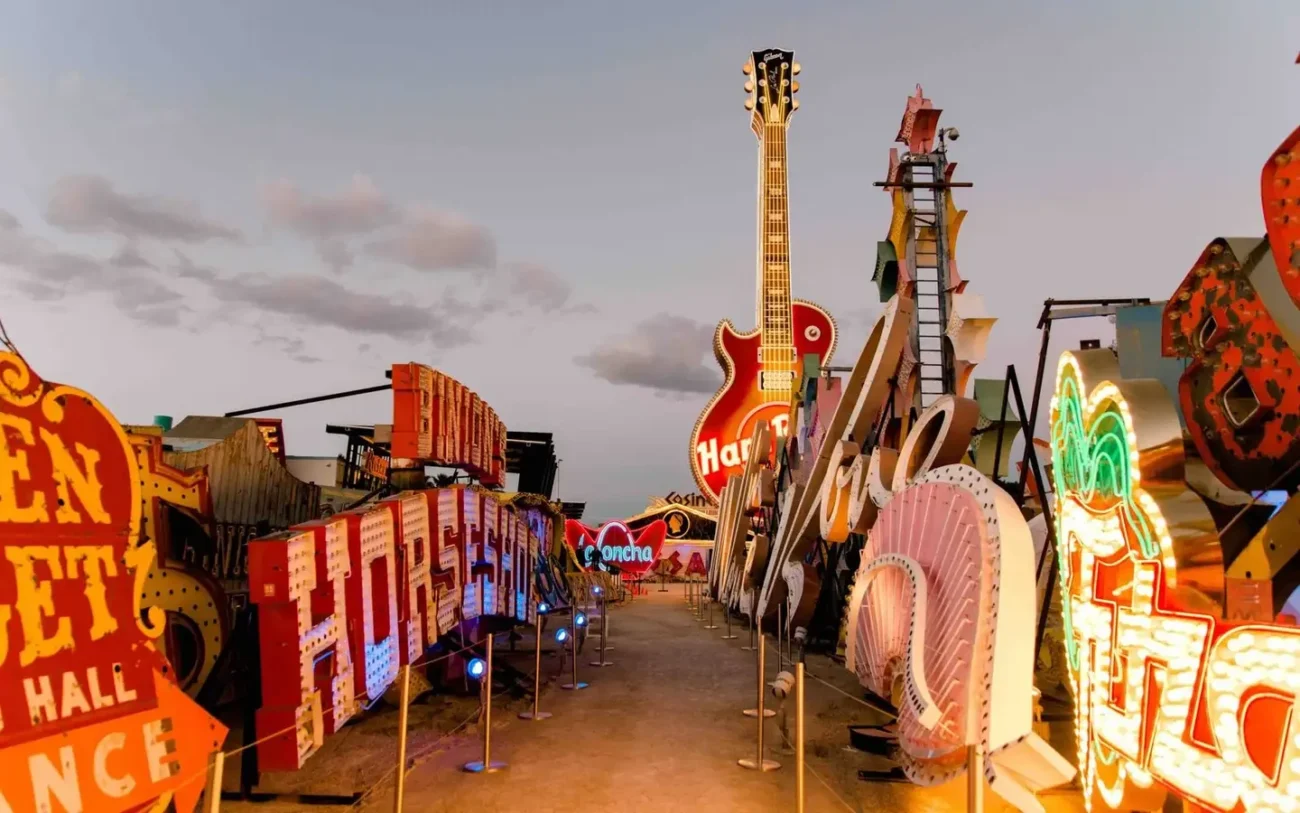
Beyond the atomic era, the city boasts incredible institutions dedicated to preserving the iconic neon signs that once illuminated the skyline. Walking through a curated “boneyard” of retired, massive neon marquees is like walking through a physical timeline of the hospitality industry. You can see how the architectural trends shifted from the wild west aesthetic of the 1940s to the sleek, space age modernism of the 1960s.
Similarly, the region offers deep dives into the shadowy history of organized crime. Law enforcement artifacts, wiretap recordings, and authentic courtroom setups reveal the gritty reality behind the glamorous casino facades. By visiting these dedicated spaces, you get a full, unfiltered view of the characters and controversies that built the entertainment capital of the world.
Planning Your Off the Strip Itinerary
If you are convinced that a cultural day trip is worth your time, you need to approach the logistics smartly. Unlike the main tourist corridor where you can simply walk from one property to the next, the cultural hubs are spread out across the valley.
Mastering the Logistics
If you did not rent a car at the airport, you will need to rely on rideshare apps or local taxis. It is highly recommended to group your destinations by neighborhood. For example, if you are heading downtown to see the historic neon signs, look for other cultural stops in that specific zip code so you are not spending half your afternoon sitting in cross town traffic.
Timing Your Visit
Timing is everything when you are traveling in the desert. If your chosen venue has outdoor exhibits, you absolutely must plan your visit for the early morning hours, especially if you are visiting between May and September. The midday sun is incredibly unforgiving, and the heat radiating off the pavement can make an outdoor walking tour miserable. Save the fully air conditioned, indoor exhibits for the peak afternoon heat.
Engaging With the Experts
Do not just wander aimlessly through the exhibits. These venues are typically staffed by passionate historians, retired professionals, and incredibly knowledgeable volunteers. Take advantage of the guided tours whenever they are offered. Having an expert point out the subtle details of an artifact or share personal anecdotes about a specific era adds a layer of depth to the experience that you simply cannot get from reading a small placard on the wall.
The Final Verdict on Cultural Tourism
Las Vegas will always be synonymous with entertainment, gambling, and nightlife. That is the core identity of the city, and it is a massive draw for millions of people. However, looking past the neon facade reveals a rich, complex, and highly entertaining history.
By dedicating just one afternoon of your trip to exploring the local cultural centers, you gain a completely new perspective on the region. You learn about the mobsters, the scientists, the entertainers, and the everyday people who managed to build a booming metropolis in an incredibly harsh environment. The next time you find yourself booking a trip to the desert, leave a blank spot in your schedule. Venture off the main drag, step inside a local institution, and discover the fascinating stories that the casinos leave out.
Frequently Asked Questions
Are off the strip museums a good option for families with children?
Yes, many of these cultural hubs are fantastic for families. While the casinos are heavily restricted and primarily geared toward adults, local educational centers often feature interactive exhibits, scavenger hunts, and hands on science demonstrations designed specifically to keep younger visitors engaged and entertained.
How much time should I allocate for a museum visit?
It depends entirely on your level of interest, but a good rule of thumb is to set aside two to three hours per location. This gives you enough time to comfortably walk through the main exhibits, read the placards, watch any short documentary films provided, and browse the gift shop without feeling rushed to catch your next rideshare.
Is it difficult to get a rideshare back to my hotel from these locations?
Not at all. Rideshare drivers actively monitor the areas around major cultural institutions because they know tourists frequently need rides back to the main resort corridor. You will typically only wait a few minutes for a driver to arrive at the designated pickup zone near the main entrance.
Do I need to purchase my admission tickets in advance?
While you can often purchase tickets at the door, it is always highly recommended to buy them online in advance. Many of the more popular venues have specific timed entry slots to prevent overcrowding. Booking ahead guarantees your preferred time and allows you to completely bypass the ticketing line when you arrive.
Are food and drinks allowed inside the exhibit halls?
As a general rule to protect the artifacts, food and drinks are strictly prohibited inside the main exhibit areas. However, many of these larger venues feature dedicated onsite cafes or outdoor courtyards where you can purchase a snack, sit down, and rehydrate before continuing your tour.
