
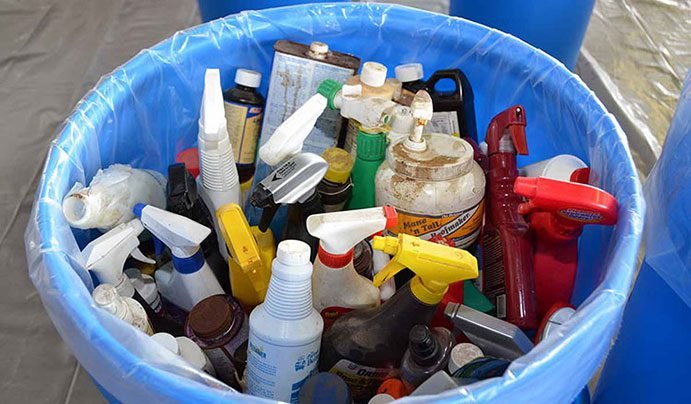
Every year, thousands of London households and businesses unknowingly break the law by putting dangerous materials out with their regular rubbish. Old paint tins, expired chemicals, car batteries, asbestos sheeting, fluorescent tubes none of these belong in a standard bin, yet they end up there far too often. Proper hazardous waste disposal isn’t just a legal obligation; it’s a responsibility to your neighbours, your local environment, and the waste workers who handle your rubbish every week.
If you’ve searched for “hazardous waste disposal near me” hoping to find a straightforward answer about what counts as hazardous, how it should be handled, and who can legally take it away, this guide walks you through everything without the jargon.
What Counts as Hazardous Waste?
Hazardous waste is any material that poses a risk to human health or the environment because it’s toxic, corrosive, flammable, explosive, or infectious. It’s a broader category than most people assume, and it covers items found in almost every home and workplace.
Common Household Hazardous Materials
- Paint, varnish, and solvents
- Old car batteries and motor oil
- Pesticides, herbicides, and garden chemicals
- Fluorescent tubes and energy-saving bulbs (they contain mercury)
- Aerosol cans and gas canisters
- Cleaning products with strong chemical warnings
Common Commercial and Construction Hazardous Materials
- Asbestos insulation and roofing sheets
- Industrial solvents and adhesives
- Waste oils and lubricants
- Electrical equipment containing hazardous components
- Contaminated soil or building materials
If you’re unsure whether something qualifies, the safest approach is to assume it does until a professional confirms otherwise.
Why You Can’t Just Put It in the Bin
Standard waste collection services in London are not licensed or equipped to handle hazardous materials. Mixing hazardous waste with general rubbish creates several serious problems:
- Contamination risk hazardous substances can leak into soil, waterways, and landfill sites.
- Health hazards waste collection staff and the public can be exposed to toxic fumes, chemical burns, or infectious materials.
- Legal penalties under UK environmental law, improper disposal of hazardous waste can result in significant fines for both individuals and businesses.
- Fire risk many hazardous materials, including aerosols and solvents, are highly flammable and unstable when compacted in waste trucks.
This is exactly why licensed hazardous waste collection exists as a separate, regulated service rather than an add-on to regular rubbish removal.
The Hazardous Waste Removal Process, Step by Step
1. Identification and Assessment
A qualified team first identifies the type and volume of hazardous material involved. This determines the correct handling method, required documentation, and disposal route.
2. Safe Packaging and Labelling
Hazardous items are sealed in appropriate, leak-proof, and clearly labelled containers to prevent spillage or cross-contamination during transport.
3. Licensed Transport
Only registered waste carriers are legally permitted to transport hazardous waste. This ensures a documented chain of custody from your property to the disposal site.
4. Compliant Disposal or Recycling
Depending on the material, hazardous waste is either treated, recycled, or disposed of at a facility specifically licensed to handle it, never at a standard landfill.
5. Documentation
You should always receive a waste transfer note or consignment note confirming the waste was handled and disposed of legally. Keep this for your records, especially for commercial premises.
Hazardous Waste Collection for Homes vs. Businesses
Residential Hazardous Waste Collection
Homeowners typically deal with smaller quantities of old paint, garden chemicals, batteries, or a handful of fluorescent tubes during a renovation or clear-out. Even small amounts need proper handling, and a professional hazardous waste collection service can arrange a quick, one-off pickup.
Commercial Hazardous Waste Removal
Businesses, landlords, and contractors often generate larger volumes and carry greater legal responsibility under duty of care regulations. Regular hazardous waste removal contracts, proper waste transfer documentation, and compliance records become essential for offices, retail units, workshops, and construction sites across London.
Choosing the Right Waste Removal in London
When comparing services for waste removal in London, look for:
- Proper licensing confirms the company is a registered waste carrier with the Environment Agency.
- Clear pricing avoids vague quotes that don’t specify what’s included.
- Fast turnaround hazardous materials shouldn’t sit around any longer than necessary.
- Documentation provided you should always get proof of compliant disposal.
- Experience with mixed waste many properties need both general and hazardous waste cleared at once, so a team that can handle both saves time and hassle.
Frequently Asked Questions
Is hazardous waste disposal expensive?
Costs vary depending on the type and volume of material, but professional collection is generally more affordable than the fines or environmental cleanup costs of improper disposal.
Can I dispose of paint tins in my regular bin?
Only if they’re completely empty and dry. Wet paint, solvents, and varnishes require specialist hazardous waste collection.
Do I need a permit to dispose of hazardous waste from my business?
Businesses have a legal duty of care to ensure hazardous waste is handled by a licensed carrier and properly documented, though you don’t personally need a permit if you use a registered service.
What happens if hazardous waste is found in general rubbish?
Collection can be refused, fines may be issued, and in commercial cases, the responsible business can face enforcement action from local authorities.
How quickly can hazardous waste be collected in London?
Most licensed providers can arrange collection within a few days, and same-week or emergency collection is often available for urgent situations.
Final Thoughts
Hazardous materials are a normal part of home renovations, office clear-outs, and construction projects but handling them incorrectly puts people and the environment at risk, and can land you in legal trouble. The safest route is always a licensed hazardous waste collection service that manages identification, packaging, transport, and disposal from start to finish.
If you’re in London and need reliable, fully licensed hazardous waste removal whether it’s a single collection or an ongoing commercial arrangement, get in touch with the team at WeClearJunk for a fast quote and compliant, stress-free disposal.
