
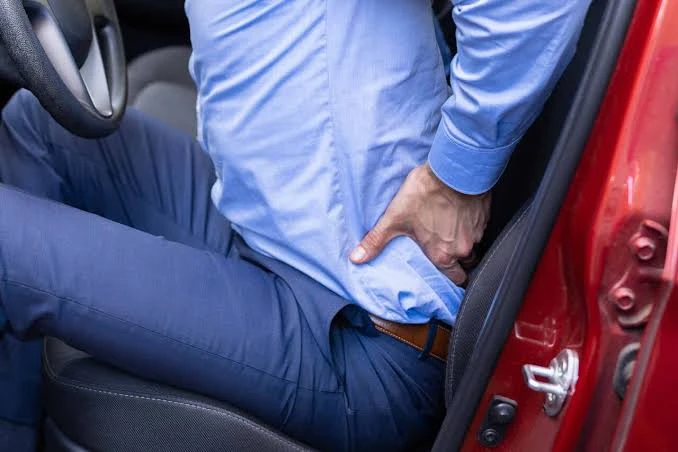
Experiencing a motor vehicle collision is one of the most chaotic and unsettling events a person can go through. In a matter of seconds, your normal daily routine is completely upended by the sudden, violent impact of a crash. When the dust finally settles and you pull your vehicle over to the side of the road, your brain goes into immediate survival mode. You are suddenly forced to deal with a mountain of stressful logistics. You have to exchange insurance information with the other driver, wait for the police to arrive to file an official report, and figure out how your badly damaged vehicle is going to get to a local repair shop.
In the midst of this overwhelming chaos, evaluating your own physical health often falls to the very bottom of your priority list. If you are not actively bleeding or dealing with a broken bone, you might assume that you escaped the collision completely unharmed. However, this is a very dangerous assumption. The human body has an incredible defense mechanism designed to protect you during a crisis, but that exact same mechanism can mask severe underlying injuries.
If you want to protect your long-term mobility and avoid years of chronic discomfort, you cannot take a “wait and see” approach to your physical recovery. Understanding how crash injuries manifest and why proactive intervention is necessary is absolutely critical. Here is a comprehensive look at why seeking prompt medical evaluation is the single most important decision you can make following a collision.
Key Takeaways
- Adrenaline and shock naturally mask the immediate symptoms of severe soft tissue injuries, meaning you might not feel the true extent of your pain until days after the crash.
- Standard emergency rooms focus primarily on life-threatening injuries and bone fractures; they rarely provide the rehabilitative care necessary for deep tissue trauma.
- Delaying your medical evaluation allows inflammation to worsen and scar tissue to build up, which significantly prolongs the overall recovery timeline.
- Establishing a clear, immediate medical record is absolutely essential if you plan to file a personal injury claim with your auto insurance provider.
The Deceptive Nature of Adrenaline and Shock
To understand why so many people delay seeking medical care, you have to understand the biological response to trauma. The moment your vehicle is struck, your brain immediately recognizes the severe threat and triggers a massive “fight or flight” response. Your sympathetic nervous system floods your bloodstream with adrenaline and endorphins.
These powerful hormones are designed to keep you alert, focused, and able to survive a dangerous situation. However, they also act as an incredibly potent natural painkiller. This massive chemical rush completely alters your perception of pain. You can walk away from a totaled vehicle, speak with the police, and coordinate a tow truck while feeling perfectly fine.
This adrenaline rush typically lasts for several hours, and in some severe cases, it can take two or three days for your hormone levels to completely return to a normal baseline. It is only when the adrenaline finally wears off that the severe stiffness, burning nerve pain, and debilitating migraines begin to set in. Because of this delayed onset, it is crucial that you never verbally claim to be “uninjured” at the scene of the crash. You simply do not know what is happening beneath the surface until a medical professional has thoroughly evaluated your spine and soft tissues.
The Limitations of Traditional Emergency Care
Following a severe crash, it is always a smart idea to visit a local urgent care clinic or a hospital emergency room. However, you must understand the specific limitations of these facilities. Emergency medicine is designed for triage. The doctors and nurses are looking for acute, life-threatening conditions.
When you arrive at the emergency room, the staff will check your vital signs, ensure you are not suffering from internal bleeding, and likely order a series of X-rays to rule out any major bone fractures. If your bones are intact and your organs are stable, they will discharge you. You will typically be sent home with a prescription for heavy muscle relaxers and a recommendation to follow up with your primary care physician.
The problem is that a standard X-ray does not show soft tissue damage. It will not show the micro-tears in your neck muscles, the stretched ligaments in your lower back, or the severely compressed discs in your spine. Traditional emergency rooms simply patch you up and mask the immediate pain. They do not offer the comprehensive rehabilitative strategies necessary to repair the structural damage caused by the violent force of the crash.
The Hidden Danger of Whiplash and Soft Tissue Trauma
The most common injury sustained in a motor vehicle collision, particularly a rear-end crash, is whiplash. When your car is struck from behind, the heavy weight of your head is aggressively whipped backward and then violently thrown forward in a fraction of a second. This unnatural, rapid motion stretches the delicate tendons, muscles, and ligaments in your cervical spine far beyond their normal anatomical limits.
This massive physical trauma creates hundreds of microscopic tears throughout your soft tissues. Your body immediately responds to these tears by initiating a massive inflammatory response to protect the injured area. If this inflammation is not treated promptly, your body will begin to lay down dense, disorganized webs of scar tissue over the torn muscles.
Unlike healthy muscle tissue, which is highly elastic and flexible, scar tissue is rigid and inflexible. If you allow this scar tissue to solidify without professional medical intervention, it will permanently restrict your range of motion. You will find it difficult to turn your head to check your blind spot while driving, and you will likely suffer from chronic tension headaches for years to come.
Seeking compensation for such lasting injuries requires clear documentation of medical treatments and ongoing physical limitations. The legal experts over at West Coast Trial Lawyers suggest gathering detailed records early to build a strong claim for long-term care needs. Taking proactive steps ensures proper evaluation of physical recovery while protecting legal rights during the recovery process.
Why Early Intervention Accelerates Healing
The absolute best way to prevent scar tissue from taking over your body is to seek out specialized pain management after car accident immediately. When you consult a dedicated medical professional within the first forty-eight to seventy-two hours following a crash, you give yourself a massive head start on the healing process.
A specialist will perform a highly detailed neurological and physical examination to pinpoint exactly where your body has absorbed the trauma. Rather than just handing you a bottle of painkillers and telling you to rest in bed, a premier clinic will utilize active, non-invasive therapies to restore your mobility. They might employ targeted chiropractic adjustments to realign vertebrae that were violently shifted out of place during the impact.
Furthermore, early intervention focuses heavily on reducing localized inflammation. By utilizing therapies like clinical soft tissue manipulation, the doctor can physically break down the early formations of scar tissue and stimulate a massive rush of fresh, oxygenated blood to the injured area. This increased circulation flushes out stagnant cellular waste and delivers the vital nutrients your damaged tissues desperately need to repair themselves quickly and efficiently.
Navigating the Local Medical Landscape
Finding the right medical partner in a busy city can feel overwhelming, especially when you are already dealing with the stress of a wrecked vehicle. You need to look for a clinic that specializes specifically in auto accident recovery rather than a general practitioner who might only see one or two crash victims a year.
When searching for the highest quality Las Vegas pain management, prioritize clinics that offer a multi-disciplinary approach to healing. The best facilities do not rely on a single treatment modality. Instead, they combine physical rehabilitation, targeted injection therapies if necessary, and holistic structural care to ensure your body heals completely. The doctors should take the time to listen to your specific symptoms, review any imaging you received from the hospital, and build a completely customized treatment protocol that aligns with your specific recovery goals.
The Critical Importance of Medical Documentation
Beyond the obvious physical benefits, seeking immediate medical care is absolutely essential for protecting yourself legally and financially. When you are involved in a crash caused by another driver’s negligence, you have the right to file a personal injury claim with their auto insurance provider to cover your medical bills and vehicle repairs.
However, insurance adjusters are notoriously difficult to deal with. Their primary goal is to minimize the financial payout of the claim. If you wait three or four weeks to see a doctor because you were hoping the pain would eventually fade away on its own, the insurance company will use that delay against you. They will argue that if you were truly injured, you would have sought treatment immediately, or they will claim that your injuries were caused by a completely unrelated event that occurred after the crash.
Visiting a specialized clinic within the first few days establishes a rock-solid, irrefutable medical timeline. The doctors will meticulously document the exact nature of your injuries, the restricted range of motion you are experiencing, and the direct correlation between your symptoms and the auto collision. This comprehensive medical documentation provides your personal injury attorney with the exact evidence they need to secure a fair and full settlement on your behalf, ensuring you are not left paying out of pocket for an accident you did not cause.
The Final Verdict on Post-Accident Care
A motor vehicle collision strips away your sense of control. In an instant, you are left dealing with property damage, physical trauma, and mounting anxiety. While you cannot go back in time and prevent the accident from happening, you have complete control over how you choose to handle your physical recovery.
Do not let the initial rush of adrenaline fool you into thinking you walked away unscathed. Taking a proactive approach to your health is the only way to prevent minor muscular tears from developing into debilitating, lifelong chronic pain. By seeking out a specialized medical professional immediately, addressing the structural damage, and securing the necessary documentation for your insurance claim, you can effectively take your life back. Don’t wait for the pain to become unbearable; take the necessary steps today to protect your long-term mobility and ensure a full, healthy recovery.
Frequently Asked Questions (FAQ)
Should I see a doctor even if my crash happened at a very low speed?
Absolutely. The physics of a low-speed collision can still cause massive structural damage to the human body. Vehicles are incredibly rigid, and when a crash occurs at ten to fifteen miles per hour, the bumper often does not absorb the shock. Instead, that kinetic energy transfers straight through the frame of the car and violently whips your spine. You can easily sustain severe whiplash and soft tissue tearing in a minor fender bender.
How soon after the collision should I schedule a medical evaluation?
You should ideally be evaluated by a specialized auto accident practitioner within the first forty-eight to seventy-two hours. Early evaluation ensures that subtle structural damage is caught before inflammation spreads and dense scar tissue begins to form.
Will my auto insurance cover my rehabilitation treatments?
In the vast majority of cases, yes. If you live in a state with personal injury protection (PIP) or if you have MedPay on your auto policy, your medical treatments will typically be covered regardless of who was at fault. Furthermore, clinics that specialize in personal injury cases are highly experienced in billing auto insurance directly and can often work with your attorney on a medical lien, meaning you pay nothing out of pocket while your legal case is being settled.
What should I do if the emergency room cleared me but I am still in pain?
This is an incredibly common scenario. Emergency rooms are strictly looking for life-threatening internal injuries and broken bones. If they cleared you, it simply means your life is not in danger. It does not mean you do not have severe soft tissue or spinal damage. You should immediately schedule a follow-up appointment with a dedicated pain management specialist for a comprehensive soft tissue evaluation.
Is it safe to receive a physical adjustment if my neck is extremely sore?
Yes, specialized practitioners use highly modified, incredibly gentle techniques when treating patients who have recently suffered acute trauma. They will not use aggressive force on a spine that is actively spasming and inflamed. Instead, they will focus on gentle mobility exercises, soft tissue relaxation, and precise, low-force adjustments to safely restore proper alignment without causing additional pain.
