
Blocked drains rarely fail without warning. Choosing a drainage company matters when the problem involves recurring blockages, uncertain pipe routes or potential structural defects. In London, a useful response has to consider not only the immediate restriction but also pipe age, access, shared connections and whether the same section has failed before.
Start With the Symptoms
The symptom pattern is the best starting point. One slow fixture may indicate a local branch problem, while several affected fixtures can point to a deeper restriction. Gurgling, smells, rising water and external chamber levels can all help narrow down the fault.
blocked drain London should use those clues to decide how to clear and whether further investigation is needed. The goal is to restore normal flow while giving the property owner enough information to understand whether the issue was routine or evidence of a deeper drainage condition.
Use the Right Clearance Method
If wastewater is backing up, water use should be reduced. Continued flushing, appliance use or running taps can force more water into a restricted pipe and create overflow elsewhere. On commercial sites, affected facilities should be taken out of service until the restriction is controlled.
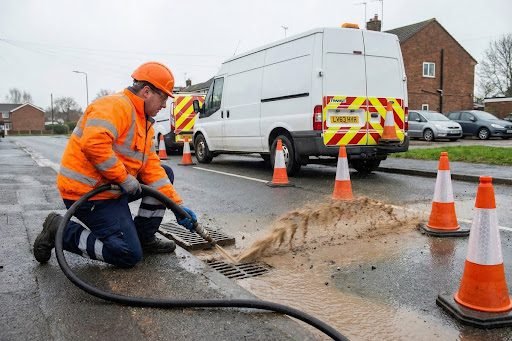
Mechanical tools, jetting and specialist cutting equipment each suit different problems. Grease and silt may respond to jetting, while roots or hard deposits may require different tools. Access and pipe condition also influence what is safe and effective.
Investigate Recurring Faults
A temporary opening through the blockage is not the same as a proper clean. Material left around the pipe wall can trap new debris and cause another restriction. Restoring a clearer bore can make the result more durable.
Repeat failure in the same area should be treated as diagnostic information. Roots, damaged joints, poor falls, scale and structural defects can all create predictable catch points. Repeated unblocking without inspection may become more expensive than identifying the cause.
Use CCTV for Evidence
CCTV inspection is particularly valuable once the line is clear. It can reveal cracks, displaced joints, roots, deposits and connections that are impossible to see from the surface. Accurate location data also helps target repair if work is required.
Shared drainage can complicate both access and responsibility. Several homes or businesses may connect into the same run, so symptoms inside one property can originate further downstream. External chambers and mapping can help determine where normal flow stops.
Consider Shared Drainage
Knowing the drainage route is also useful before construction or landscaping. Extensions and previous alterations can hide old pipe runs, and accidental damage can be costly. Mapping helps protect the system and preserve maintenance access.
Preventative maintenance should reflect actual risk. Busy kitchens, multi-occupancy buildings and properties with known roots or silt may benefit from planned cleaning or inspection. Maintenance is most useful when it is based on site history rather than a fixed generic schedule.
Plan Maintenance Around Risk
Everyday habits matter. Fats, wipes and unsuitable waste should stay out of drains, while external gullies should be kept clear of leaves, soil and construction debris. These steps reduce avoidable loading on the system.
A simple record can make future diagnosis faster. Note when the problem occurred, which fixtures were affected, how it was cleared and whether any camera findings were recorded. A repeated pattern can justify investigation before another emergency develops.
Keep Useful Records
Not every camera finding needs immediate repair. Older pipes can show wear without being close to failure. A useful report separates urgent structural defects from minor observations and explains what could reasonably be monitored.
Good communication matters after the job. The client should understand what caused the issue, what method was used and whether further work is necessary. Evidence-based recommendations are easier to assess than vague warnings about future failure.
Expect Clear Recommendations
drainage company London or another experienced drainage provider should help the client choose between routine maintenance, further inspection and repair. The second-last consideration is whether the recommendation is proportionate to the evidence and likely to prevent repeat disruption.
Effective drainage care is not about using the most aggressive method. A professional service should restore flow, explain the cause and recommend only the level of follow-up that the evidence justifies. The best outcome comes from combining fast restoration of flow with accurate diagnosis, sensible maintenance and targeted repair only where the evidence supports it. Regular review can also identify developing restrictions early, giving owners more control over timing, access and cost before a minor issue becomes an emergency. Regular review can also identify developing restrictions early, giving owners more control over timing, access and cost before a minor issue becomes an emergency. Regular review can also identify developing restrictions early, giving owners more control over timing, access and cost before a minor issue becomes an emergency. Regular review can also identify developing restrictions early, giving owners more control over timing, access and cost before a minor issue becomes an emergency. Regular review can also identify developing restrictions early, giving owners more control over timing, access and cost before a minor issue becomes an emergency. Regular review can also identify developing restrictions early, giving owners more control over timing, access and cost before a minor issue becomes an emergency. Regular review can also identify developing restrictions early, giving owners more control over timing, access and cost before a minor issue becomes an emergency. Regular review can also identify developing restrictions early, giving owners more control over timing, access and cost before a minor issue becomes an emergency. Regular review can also identify developing restrictions early, giving owners more control over timing, access and cost before a minor issue becomes an emergency. Regular review can also identify developing restrictions early, giving owners more control over timing, access and cost before a minor issue becomes an emergency. Regular review can also identify developing restrictions early, giving owners more control over timing, access and cost before a minor issue becomes an emergency. Regular review can also identify developing restrictions early, giving owners more control over timing, access and cost before a minor issue becomes an emergency. Regular review can also identify developing restrictions early, giving owners more control over timing, access and cost before a minor issue becomes an emergency.
