
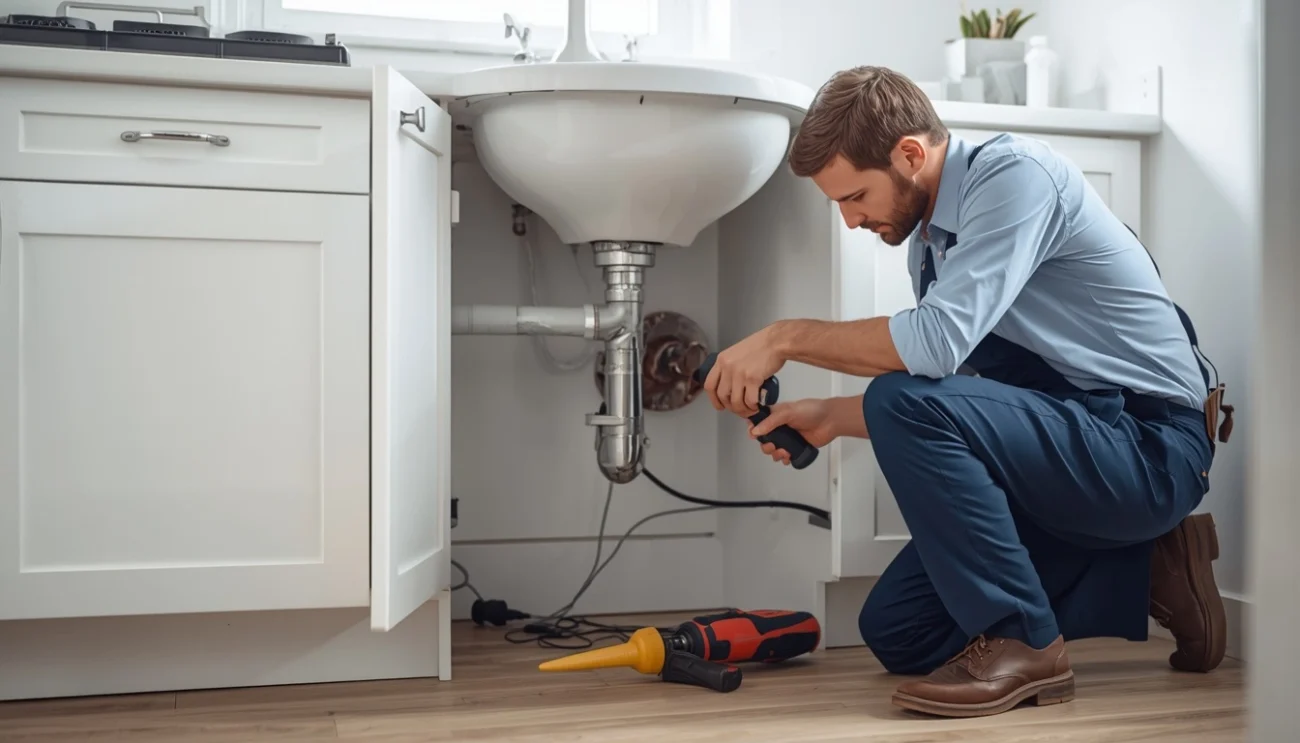
A plumbing emergency rarely begins with a dramatic warning. Sometimes it starts with a small stain beneath the kitchen sink, a drain that takes longer than usual to empty, or a pipe exposed to freezing temperatures.
For homeowners in Columbus, Ohio, these seemingly minor issues can become expensive when left unattended. Cold winters, changing weather conditions, and the natural wear of household plumbing all create situations that deserve attention.
The good news is that many common plumbing emergencies are preventable. A little maintenance, combined with knowing when to seek professional help, can make a meaningful difference.
Small Plumbing Problems Often Give Early Warning Signs
Most homeowners do not think about their plumbing until something stops working. Water flows from the faucet, the toilet flushes, and the shower drains normally, so there seems to be little reason to investigate further.
However, plumbing systems can develop problems long before a major failure occurs.
A loose connection beneath a sink might release only a few drops of water at first. Over time, that moisture can damage cabinetry or flooring. Similarly, a drain that repeatedly becomes blocked may indicate a problem deeper in the drainage system.
Homeowners should pay attention to changes such as unusual pipe noises, persistent dampness, slow drainage, or unexpected increases in water consumption.
Not every symptom means an emergency is developing, but investigating changes early can prevent unnecessary complications.
Why Columbus Winters Deserve Special Attention
Winter weather is one of the most important seasonal considerations for homeowners in central Ohio.
When temperatures fall below freezing, water inside exposed or poorly insulated pipes can freeze. As ice forms, pressure may build inside the plumbing system, potentially causing a pipe to rupture.
The damage is not always immediately visible. In some cases, a frozen pipe begins leaking only after the ice thaws and water flows through the damaged section.
Pipes in garages, crawl spaces, unheated basements, and exterior walls are particularly vulnerable.
Before winter arrives, homeowners should identify plumbing in colder areas of the property and determine whether additional insulation is needed.
Disconnecting garden hoses, protecting outdoor faucets, and maintaining adequate indoor heating can also reduce the risk.
During extremely cold weather, opening cabinet doors beneath sinks along exterior walls may allow warmer indoor air to circulate around the pipes.
If a pipe freezes, homeowners should avoid open flames or other unsafe heating methods. A suspected burst pipe requires prompt attention and, where safe, shutting off the water supply.
A Small Leak Can Cause More Damage Than Expected
A dripping faucet may seem like a minor inconvenience. A hidden leak behind a wall or beneath a floor can be much more troublesome.
Water damage often develops gradually, especially in areas that are rarely inspected.
For example, a leaking supply connection beneath a bathroom sink may cause the cabinet base to swell before the homeowner notices any visible water.
A similar leak near a washing machine could affect flooring or surrounding materials.
It is worth checking areas around toilets, sinks, dishwashers, washing machines, and water heaters from time to time.
Look for water stains, corrosion, damp surfaces, or musty smells.
If the source of moisture is unclear, professional inspection may be necessary. Repairing a leak before it spreads is generally easier than dealing with extensive water damage later.
When a leak is difficult to locate or continues despite basic repairs, professional pipe leak repair in Columbus can help identify the underlying issue and prevent further water damage. Addressing the source early may also reduce the need for more extensive repairs later.
Be Careful About What Goes Down Household Drains
Drain blockages are another common source of plumbing trouble.
In kitchens, grease and food residue can accumulate inside drainpipes. In bathrooms, hair and soap buildup may gradually restrict water flow.
Toilets can also become blocked when items other than toilet paper and human waste are flushed.
Even products marketed as flushable may contribute to drainage problems.
Simple habits can reduce the risk.
Cooking grease should be collected and disposed of appropriately rather than poured into the sink. Drain strainers can help prevent hair and food particles from entering pipes.
Homeowners should also be cautious with chemical drain cleaners. These products may introduce safety hazards and are not always effective against the underlying cause of a blockage.
When several drains become slow at the same time, or blockages keep returning, the problem may extend beyond an individual fixture.
That is a good reason to arrange a professional assessment rather than repeatedly attempting temporary fixes.
Water Heaters Need Attention Too
Water heaters are easy to overlook because they often operate quietly in a basement, garage, or utility area.
However, they contain plumbing connections and components that can deteriorate over time.
Tank-style water heaters may also accumulate sediment, depending on local water conditions and how the equipment is maintained.
Homeowners should occasionally check around the unit for moisture, corrosion, or unusual changes in performance.
Warning signs may include inconsistent hot water, unexpected noises, or water collecting near the base of the tank.
Maintenance requirements vary by manufacturer and equipment type, so it is important to follow the instructions for the specific system.
Gas connections, electrical components, and pressure-relief safety devices should be handled by appropriately qualified professionals.
Ignoring water heater problems can increase the risk of an unexpected loss of hot water or a damaging leak.
Know How to Stop the Water Before an Emergency Happens
One of the most useful things a homeowner can do is locate the main water shut-off valve.
During a major leak, every minute can matter. Knowing how to stop the water supply may help limit damage while repairs are arranged.
In many Columbus homes, the shut-off valve is found in a basement, utility area, crawl space, or near the point where the water service enters the property.
Its location depends on the home’s design and plumbing arrangement.
The valve should remain accessible, and adults living in the home should know where it is located.
If the valve appears damaged, corroded, or difficult to operate, it should be inspected rather than forced.
It is also helpful to understand which fixtures have individual shut-off valves. A problem affecting one toilet or sink may sometimes be isolated without shutting off water throughout the entire house.
When Routine Maintenance Is No Longer Enough
Preventive maintenance can reduce many plumbing risks, but it cannot eliminate every possibility of failure.
Some situations require tools, training, or diagnostic equipment that most homeowners do not have.
Repeated drain backups, unexplained pressure changes, hidden leaks, and water heater problems are examples of issues that may need professional investigation.
A homeowner dealing with these concerns may benefit from speaking with a qualified plumber in Columbus, Ohio who can assess the problem and recommend an appropriate course of action.
The goal should be to understand the cause rather than simply address the most visible symptom.
For instance, repeatedly clearing a slow drain without identifying why it keeps blocking may allow a more serious problem to remain unresolved.
Similarly, replacing a leaking fitting without checking nearby pipe conditions may overlook other areas affected by deterioration.
Seasonal Maintenance Makes Plumbing Care More Manageable
Plumbing maintenance does not have to involve a complicated schedule.
A few checks throughout the year can help homeowners stay aware of changes in their systems.
Spring: Look for Winter Damage
As temperatures rise, inspect exposed plumbing for signs of leaks or damage that may have developed during freezing weather.
Outdoor faucets and hose connections deserve particular attention.
Summer: Check Water Usage and Outdoor Connections
Warmer weather often means increased outdoor water use.
Inspect garden hoses, irrigation connections, and outdoor faucets for leaks.
It is also a useful time to examine appliance supply hoses and other accessible plumbing connections.
Fall: Prepare for Freezing Temperatures
Before winter arrives, disconnect garden hoses and protect vulnerable outdoor plumbing.
Check exposed pipes in colder areas and address insulation problems.
Winter: Monitor Vulnerable Areas
Maintain adequate indoor heating and pay attention to plumbing located near exterior walls or in unheated spaces.
If water flow suddenly decreases during freezing weather, investigate carefully because a frozen pipe may be developing.
These seasonal checks take relatively little time but can help identify problems before they become urgent.
Do Not Overlook the Home’s Sewer System
Not every plumbing emergency involves clean water.
Sewer backups can create significant disruption and may expose occupants to contaminated wastewater.
Possible warning signs include repeated drain blockages, gurgling noises, unpleasant wastewater odors, or multiple fixtures draining slowly.
Older or damaged sewer lines may experience problems related to deterioration, obstructions, or tree-root intrusion.
If the same drainage problem keeps returning, a professional sewer camera inspection may help identify the cause.
Homeowners should avoid putting grease, wipes, hygiene products, and other unsuitable materials into the drainage system.
When sewage backs up into the home, the affected area should be treated as a potential health hazard. People and pets should stay clear until the situation has been properly assessed and cleaned.
Preventive Maintenance Is About Avoiding Disruption, Not Just Repair Costs
The financial cost of plumbing repairs is an understandable concern, but emergencies can affect a household in other ways.
A major leak may interrupt water service, damage belongings, or make parts of a home temporarily unusable.
A sewer backup can interfere with normal household activities and require specialist cleaning.
Preventive maintenance helps reduce these risks by encouraging homeowners to respond before minor problems become more serious.
It is not necessary to replace every older pipe or plumbing fixture simply because it has been in use for several years.
Instead, homeowners should pay attention to condition, performance, maintenance history, and professional recommendations.
Making informed repairs at the right time is often more practical than waiting until a failure demands immediate action.
Frequently Asked Questions
How can Columbus homeowners prevent frozen pipes?
Insulating vulnerable pipes, maintaining indoor heating, disconnecting outdoor hoses, and protecting plumbing in unheated spaces can reduce freezing risks.
What should I do if I discover a major water leak?
If safe, turn off the main water supply. Avoid electrical hazards near standing water and arrange professional repairs as needed.
Are slow drains always a sign of serious plumbing trouble?
No. A slow drain may result from a localized blockage. However, recurring problems or several affected fixtures may indicate a more extensive drainage issue.
How often should plumbing systems be inspected?
Basic visual checks can be carried out regularly. Professional inspection needs depend on the system’s age, condition, and history of problems.
Can a water heater leak without warning?
Yes. Some failures occur unexpectedly, although corrosion, moisture, unusual sounds, or performance changes may provide early warning signs.
Is preventive plumbing maintenance worth the effort?
Regular checks can help identify leaks, drainage problems, and equipment deterioration early, potentially reducing the likelihood of costly damage and disruption.
Final Thoughts
Plumbing emergencies are not always avoidable, but many common problems provide warning signs before they become serious.
For Columbus homeowners, preparing pipes for winter, keeping drains clear, checking for leaks, and maintaining water heaters are practical ways to protect a property.
Knowing where the main shut-off valve is located is equally valuable when something unexpected happens.
A consistent approach to home maintenance, combined with timely professional help when necessary, can make plumbing problems easier to manage and reduce the risk of avoidable damage.
