

Jonnie Irwin became famous by helping other people imagine a new life. On A Place in the Sun, he stood in bright kitchens, on terraces, and beside swimming pools, translating dreams into budgets and compromises. On Escape to the Country, he brought the same calm authority to cottages, barns, and family homes across Britain. By the end of his life, though, the question of Jonnie Irwin net worth became tied to something deeper than celebrity curiosity: how a working television presenter tried to provide for his family while facing terminal cancer.
The most credible public reporting places Jonnie Irwin’s estate at just under £1 million after deductions. Reports citing probate documents said he left about £953,000 to his wife, Jessica Irwin, after his death in February 2024. That figure is more useful than the loose online estimates that often attach round numbers to famous names without explaining the maths. Still, Irwin’s real story is not just about the value of his estate, but about the career, family, illness, and public affection behind it.
Early Life and Family Background
Jonnie Irwin was born Jonathan James Irwin on November 18, 1973. He grew up in Leicestershire, a part of England far removed from the overseas villas and rural retreats that would later define his television career. He was raised in a family with Irish roots, and that background often formed part of the warm, grounded public image viewers associated with him. Unlike some television personalities, he did not appear to set out from childhood to become famous.
His early life was shaped more by sport, property, and practical ambition than by show business. Irwin attended Lutterworth Grammar School and Community College, then went on to study Estate Management at Birmingham City University. That education gave him the technical foundation that later made him convincing on screen. He understood property not as a fantasy, but as a profession with prices, paperwork, negotiations, and consequences.
Before television found him, Irwin built a career in real estate and surveying. He worked for Christie & Co, a specialist business property adviser, and developed experience in commercial property, hospitality, and leisure. He later moved into work connected with Colliers in Birmingham. By the time he entered television, he already had the working knowledge that many lifestyle presenters have to learn after the cameras arrive.
From Property Professional to Television Presenter
Irwin’s career changed in 2004, when he was selected to co-present A Place in the Sun: Home or Away? alongside Jasmine Harman. The show asked a simple but powerful question: should buyers start again in Britain or chase a dream abroad? Irwin’s job was to guide them through that decision without making it feel like a sales pitch. He brought a mixture of property knowledge, warmth, and gentle humour that suited the format perfectly.
That role became the start of a long relationship with A Place in the Sun. Irwin went on to present hundreds of episodes across the franchise, helping British buyers look for homes in Spain, France, Portugal, Italy, and beyond. He was not the loudest presenter on television, and that was part of the point. His appeal came from steadiness, not spectacle.
The timing also helped shape his career. In the early 2000s, British lifestyle television was growing fast, and property shows became a national habit. Viewers wanted information, escapism, and reassurance all at once. Irwin could stand in a half-renovated house or a sunlit apartment and make the decision feel manageable.
For homeowners considering ways to add independent living space to their property, a granny flat annexe can be a practical and flexible solution.
A Place in the Sun and the Career That Made Him Known

That skill mattered because property television depends on trust. Viewers know they are seeing an edited version of a complicated process, but they still want a presenter who understands the stakes. Irwin came across as someone who knew that a home purchase could change a family’s future. His background in estate management gave him authority, while his manner kept the programme accessible.
Over time, A Place in the Sun made Irwin a familiar figure far beyond property circles. He appeared at live exhibitions, gave advice to would-be overseas buyers, and became part of a television genre built around aspiration. The show did not make him a Hollywood-style celebrity, but it gave him steady work, public recognition, and a professional identity. Those earnings became a major part of his eventual net worth.
Escape to the Country and Wider TV Work
Irwin’s television career was not limited to homes in the sun. He also became a presenter on the BBC’s Escape to the Country, one of Britain’s best-known rural property shows. The move suited him because it used the same strengths in a different setting. Instead of overseas villas, he was showing buyers farmhouses, village homes, converted buildings, and countryside retreats.
His work on Escape to the Country added another long-running credit to his name. It also introduced him to viewers who may not have followed A Place in the Sun. The BBC programme had a quieter pace, but Irwin’s role was still rooted in helping people imagine a major life change. He could guide buyers through practical questions while keeping the emotional pull of the search alive.
Irwin also appeared on or presented other property and renovation shows, including To Buy or Not to Buy, Dream Lives for Sale, The Renovation Game, Cowboy Trap, and Escape to the Perfect Town. Those credits show a career built through steady factual entertainment work rather than sudden celebrity fame. He became part of the fabric of British property television. That kind of career can be lucrative, but it usually produces comfortable professional wealth rather than extreme fortune.
Jonnie Irwin Net Worth and Estate Value
The best available public figure for Jonnie Irwin net worth is the reported value of his estate after his death. Probate-based reports said he left assets worth about £956,967 before deductions and about £953,425 after deductions. The estate was reportedly left to his wife, Jessica Irwin. That puts the most credible figure at just under £1 million.
This number should be read carefully. An estate value is not always the same thing as a full lifetime net worth. It reflects assets and liabilities assessed after death, and it may not include every benefit, jointly held asset, pension arrangement, or insurance payment in the way a casual reader might expect. Even so, a probate-linked figure is much stronger than celebrity wealth estimates that do not show their sources.
Online estimates for Irwin have often ranged around the low millions in dollars, but many of those figures are not well supported. They may be based on assumptions about television salaries, property work, and business income. The honest answer is that Irwin was a successful professional presenter whose reported estate was close to £1 million. Anything more precise than that needs evidence that is not publicly available.
How Jonnie Irwin Made His Money
Irwin made his money through several connected income streams. Television presenting was the most visible, especially through A Place in the Sun and Escape to the Country. Long-running factual entertainment work can provide steady income through presenting fees, repeat commissions, public appearances, and related media opportunities. Irwin’s recognisable name also made him valuable at property events and exhibitions.
His property background likely supported his income in other ways. He had worked in commercial property before television, and his expertise gave him credibility for speaking, consulting, and advisory roles. Public company records also show business links, including Helicopter Media Limited, a company connected with television production and management consultancy. Those records suggest that Irwin treated his media career as a professional business, not just a presenting job.
What cannot be responsibly stated is his exact annual salary. Channel 4, the BBC, and production companies did not publish a full record of what he earned from each programme. Presenter pay can vary widely depending on contract length, production budget, travel schedule, usage rights, and negotiating power. That is why the estate figure remains the strongest anchor for any discussion of Jonnie Irwin net worth.
Business Interests and Public Records
Jonnie Irwin’s business record adds useful context, but it does not unlock every financial detail. Companies House records have linked Jonathan James Irwin with Helicopter Media Limited, Takehome Media Limited, and Judicare Law International Limited. Helicopter Media Limited was incorporated in 2007 and listed activities connected with television programme production and management consultancy. That timing fits the period when Irwin’s television career had become established.
A company appointment does not automatically mean large personal wealth. Some companies hold income from presenting and consultancy, while others may become inactive, dissolve, or serve limited professional purposes. Without full private tax records, dividend records, and personal accounts, no outside writer can turn those company entries into a precise fortune. They are useful because they show how Irwin’s work was structured, not because they prove a hidden fortune.
There is also a common risk in celebrity finance reporting: confusing people with similar names. Some company records for other people named Irwin should not be attached to Jonnie Irwin. The relevant public identity is Jonathan James Irwin, born in November 1973. Careful reporting matters because a wrong company link can distort the story of someone’s finances very quickly.
Marriage, Children and Private Life
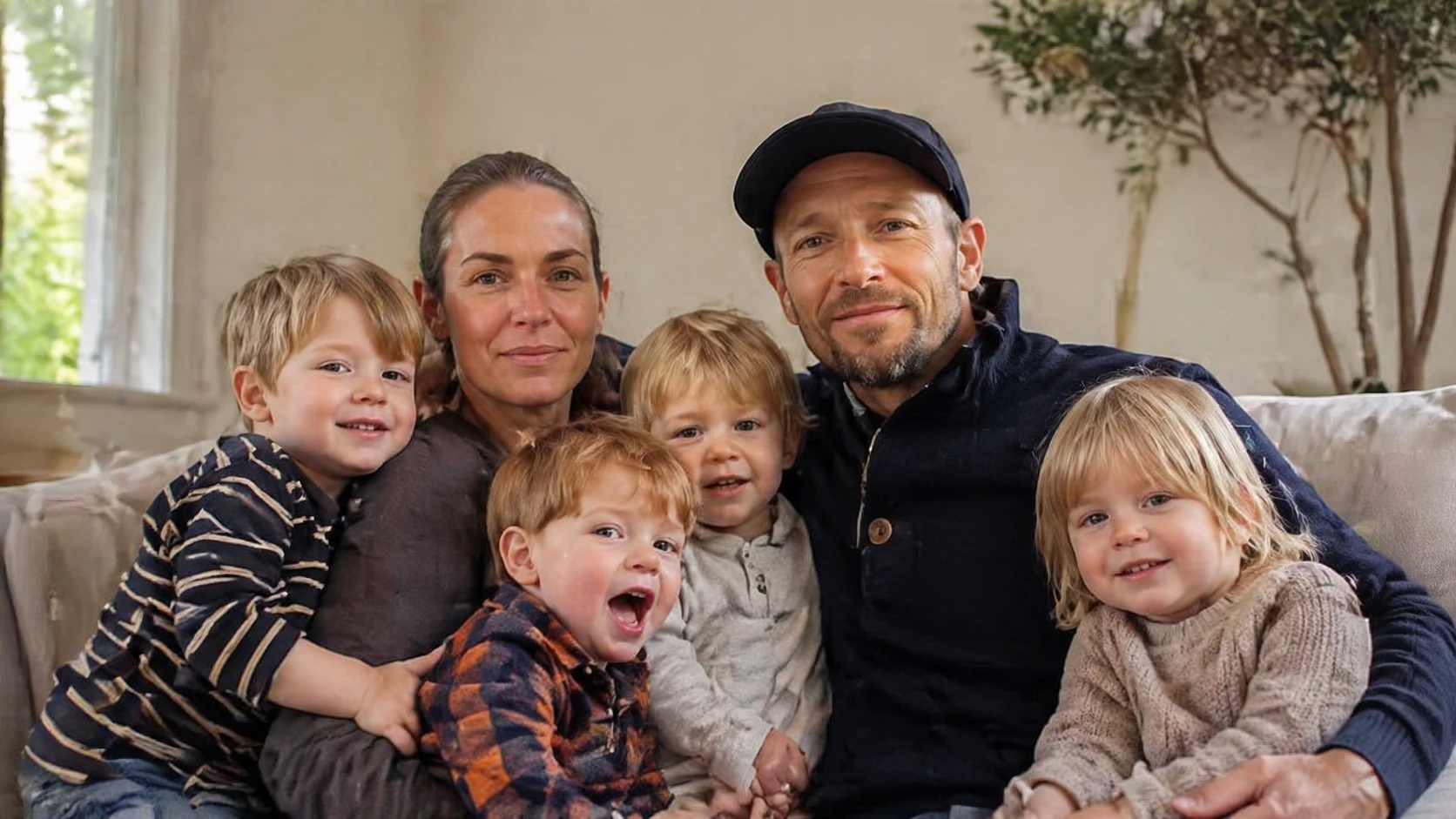
Jonnie Irwin married Jessica Holmes in 2016. Their marriage became central to his public story after his cancer diagnosis, because he spoke often about wanting to support her and their children. The couple had three sons: Rex, born in 2018, and twins Rafa and Cormac, born in 2020. Irwin’s illness meant that all three boys were still very young during the final years of his life.
He did not treat fatherhood as a public performance. When he spoke about his family, he tended to do so with a sense of urgency and tenderness rather than celebrity polish. He knew his sons might grow up with limited personal memories of him. That knowledge shaped how he talked about work, time, money, and legacy.
Jessica Irwin also became part of the public narrative after his diagnosis. She supported him through treatment, family life, and the public attention that followed his decision to speak about cancer. Reports after his death said he left his estate to her. That fact fits the way he had spoken about his final priority: making sure his family had as much security as he could give them.
The Cancer Diagnosis That Changed Everything
In November 2022, Irwin publicly revealed that he had terminal lung cancer. He had first noticed something was wrong in August 2020 while filming in Italy, when his vision became blurred. Medical tests later showed that the cancer had spread to his brain. He was told at one point that he might have only months to live.
For roughly two years, he kept the diagnosis private. That decision was understandable, especially for someone whose work involved travel, insurance, stamina, and public confidence. A terminal illness can change how employers, insurers, and audiences see a person, even when that person still wants to work. Irwin later spoke about how hard it was to keep going while carrying such a heavy secret.
His decision to go public changed how many viewers understood him. The familiar presenter from sunny property searches was now speaking plainly about fear, treatment, family, and limited time. He did not present illness as a neat inspirational story. He spoke about it as a father, husband, and worker trying to handle the reality in front of him.
The A Place in the Sun Dispute
One of the most difficult public chapters in Irwin’s final years involved A Place in the Sun. After revealing his diagnosis, he said he had been dropped from the programme because his illness created insurance problems for overseas filming. He said he was paid for the rest of that season but was not renewed. The production side expressed sadness over his diagnosis and pointed to the practical issue of insurance for travel.
The dispute mattered because it touched both dignity and money. Irwin had been closely associated with the show for nearly two decades, and losing that role after a terminal diagnosis hurt him deeply. He said television presenting had helped define him, and he connected every remaining job to providing for his family. For a person facing limited time, work was not only about career pride.
This episode also explains why readers search for his net worth with unusual interest. They are not only asking how rich he was. They are asking whether a man who gave years to popular television was able to leave his family secure. The answer, based on public estate reporting, is that he left a substantial sum, but the emotional cost behind that figure was very real.
Public Image and Why Viewers Connected With Him
Jonnie Irwin’s public image was built on trust. He was polished enough for television but never seemed remote from ordinary viewers. His presenting style was friendly, informed, and gently direct. That made him well suited to programmes where people were making choices about home, family, retirement, and risk.
Property shows often depend on fantasy, but Irwin gave them a practical spine. He could enjoy the dream of a sunlit terrace while still noticing the awkward layout, the long drive to town, or the pressure of a tight budget. Viewers responded because he seemed to be on the buyer’s side. He was not simply selling a lifestyle; he was helping people think.
His cancer diagnosis deepened that connection. Many public figures share health news through carefully managed statements, but Irwin spoke with unusual openness. He talked about pain, fear, family photographs, work, and memory-making. That honesty made his final public chapter painful to watch, but it also made many viewers feel they knew him in a more human way.
Final Years and Death
During his final years, Irwin continued to work where he could. He appeared on television, gave interviews, shared updates, and spent time with his family. His illness brought hospital visits, treatment, and physical decline, but he also marked family moments with visible determination. He was clear that time with Jessica and the boys mattered most.
He died on February 2, 2024, at the age of 50. News of his death brought tributes from colleagues, broadcasters, viewers, and people who had followed his cancer story. Many remembered his professionalism, but the strongest tributes focused on warmth and courage. The public grief reflected the unusual place he held in British daytime television.
Irwin’s death also brought fresh attention to his estate and financial affairs. Reports later said he had left nearly £1 million to his wife. That detail was widely shared because it connected to what he had said he wanted most. He had hoped to provide for his family, and the public record suggests he left them a meaningful financial foundation.
Awards, Recognition and Industry Standing
Jonnie Irwin was not primarily known as an awards-show figure. His recognition came through longevity, trust, and the loyalty of viewers rather than a shelf of major entertainment prizes. In factual entertainment, that kind of standing can be just as meaningful. Presenters who last for years do so because audiences accept them into their routines.
His industry standing was built across Channel 4, the BBC, and other broadcasters. That range showed he was more than the face of one format. He could handle overseas property searches, rural relocations, renovation themes, and consumer-facing advice. Producers returned to him because he was credible, warm, and reliable.
After his diagnosis, Irwin also became part of a wider conversation about illness and work. His comments about being unable to continue on A Place in the Sun raised questions about how employers handle terminal illness, travel insurance, and public-facing jobs. He did not turn himself into a campaigner in a formal sense, but his story made those issues harder to ignore.
What Jonnie Irwin Is Remembered For Now
Jonnie Irwin is remembered first as a television presenter who made property shows feel personal. He helped viewers understand the emotional and financial decisions behind moving home. Whether the setting was a Spanish villa or an English cottage, he treated the search as more than a transaction. That is why so many people felt genuine affection for him.
He is also remembered as a father who spoke openly about running out of time. His final interviews were not easy, but they were generous. He allowed the public to see how illness affects work, identity, money, and family. That honesty gave his story weight beyond his television credits.
The phrase Jonnie Irwin net worth may bring readers to the subject, but it cannot contain the whole person. The money question has an answer, at least in broad terms, through the reported estate figure. The larger answer lies in how he built that estate: through years of work, professional trust, and a final determination to leave something secure behind.
Frequently Asked Questions
What was Jonnie Irwin’s net worth?
The strongest public figure places Jonnie Irwin’s estate at about £953,000 after deductions. That figure came from reports citing probate documents after his death. It is more reliable than unsourced online estimates, although it should still be understood as an estate value rather than a complete lifetime financial audit.
How did Jonnie Irwin make his money?
Jonnie Irwin made most of his money through television presenting, property-related media work, public appearances, and business interests connected with his professional career. His best-known programmes were A Place in the Sun and Escape to the Country. Before television, he worked in commercial property, which gave him the expertise that later shaped his screen career.
Did Jonnie Irwin leave his estate to his wife?
Public reports said Jonnie Irwin left his estate to his wife, Jessica Irwin. The couple married in 2016 and had three sons together. His public comments during his illness often returned to the same concern: doing what he could to protect and provide for his family.
Was Jonnie Irwin a millionaire?
Based on the reported probate figure, his estate was just under £1 million after deductions. That means it is fair to describe him as having left nearly £1 million, but not precise to say his reported estate exceeded that amount. Earlier or broader net worth estimates remain unconfirmed unless backed by stronger records.
What illness did Jonnie Irwin have?
Jonnie Irwin had lung cancer that spread to his brain. He first experienced symptoms while filming in Italy in 2020 and later received a terminal diagnosis. He went public with the diagnosis in 2022 and used his platform to speak honestly about treatment, family, work, and limited time.
Why did Jonnie Irwin leave A Place in the Sun?
Irwin said he was dropped from A Place in the Sun after his terminal cancer diagnosis because of insurance issues linked to overseas filming. The production side expressed sadness about his illness and referred to the practical difficulty of insuring him for international work. The episode remained one of the most painful public parts of his final years.
When did Jonnie Irwin die?
Jonnie Irwin died on February 2, 2024, at the age of 50. His death came after several years of living with terminal cancer. Tributes from viewers and colleagues focused on his kindness, professionalism, humour, and devotion to his family.
Conclusion
Jonnie Irwin’s net worth is best understood through the reported value of the estate he left behind. The credible public figure is just under £1 million, with reports placing the net estate at about £953,000. That is the clearest answer for readers looking for a number, but it is not the whole meaning of the story. Money was only one part of a life shaped by work, illness, love, and responsibility.
His career followed a rare path from property professional to trusted television figure. He did not become famous by chasing attention, but by making other people’s choices feel clearer. In a genre often built on dreams, he brought calm judgment and human warmth. That steadiness became his signature.
The final chapter of his life gave his public image a different kind of depth. He spoke about cancer without turning it into performance, and he spoke about family without hiding the fear behind it. The result was a portrait of a man trying to stay useful, loving, and present for as long as he could.
Jonnie Irwin still matters because viewers saw more than a presenter in him. They saw someone who understood homes as places where life happens, and who spent his final years trying to protect the home he had built with Jessica and their sons. The reported estate tells us what he left financially. His work and honesty tell us why people continue to care.
