
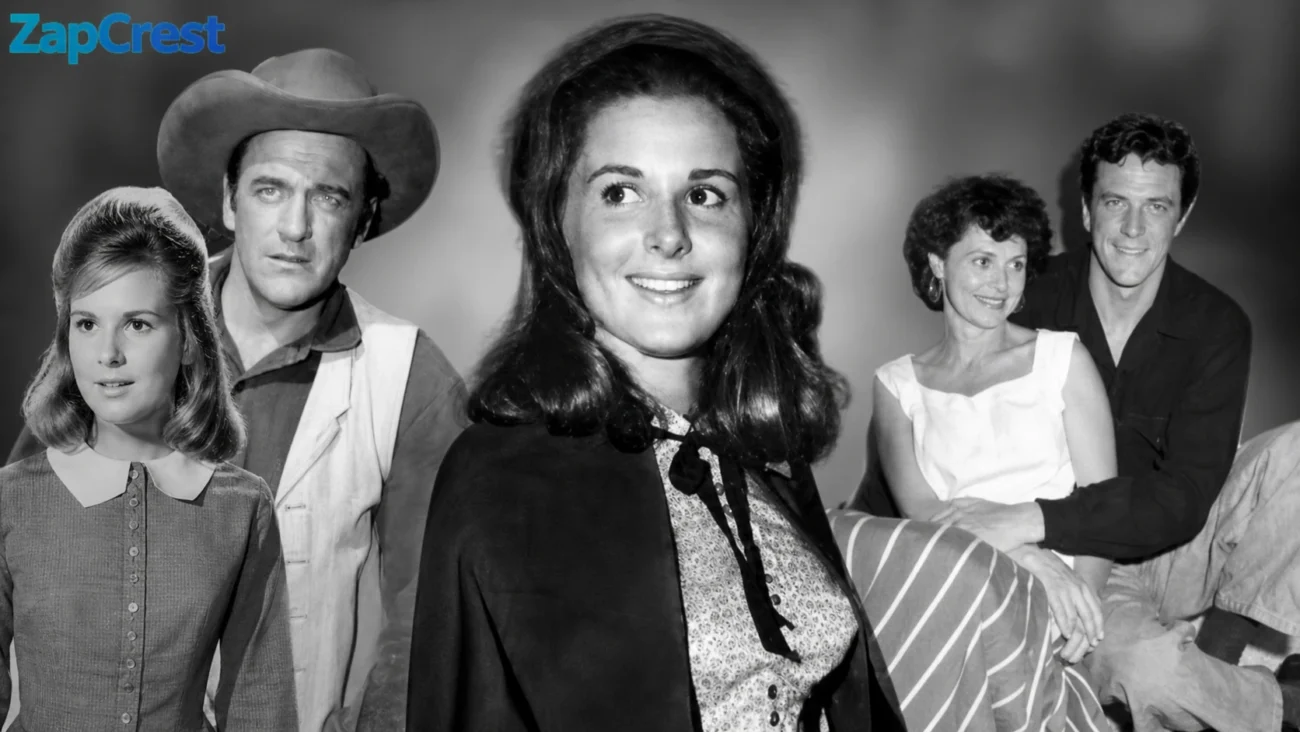
Jenny Lee Arness is remembered less for a long public career than for the family name she carried, the two brief television appearances she made, and the sadness attached to her early death. She was the daughter of James Arness, the towering actor who became one of television’s most familiar faces as Marshal Matt Dillon on Gunsmoke. Her life unfolded close to fame but mostly outside the machinery of celebrity, which is why so many people search for her and find a mix of verified facts, recycled claims, and rumor.
The confirmed story is smaller, quieter, and more human than many online summaries suggest. Jenny was born into a Hollywood family, appeared as a teenager on her father’s defining series, and died in 1975 before she turned 25. Because she did not leave behind a large body of interviews or professional work, the responsible way to write about her is to stay close to what can be known. That does not make her life unimportant; it makes the telling of it more delicate.
Early Life and Family Background
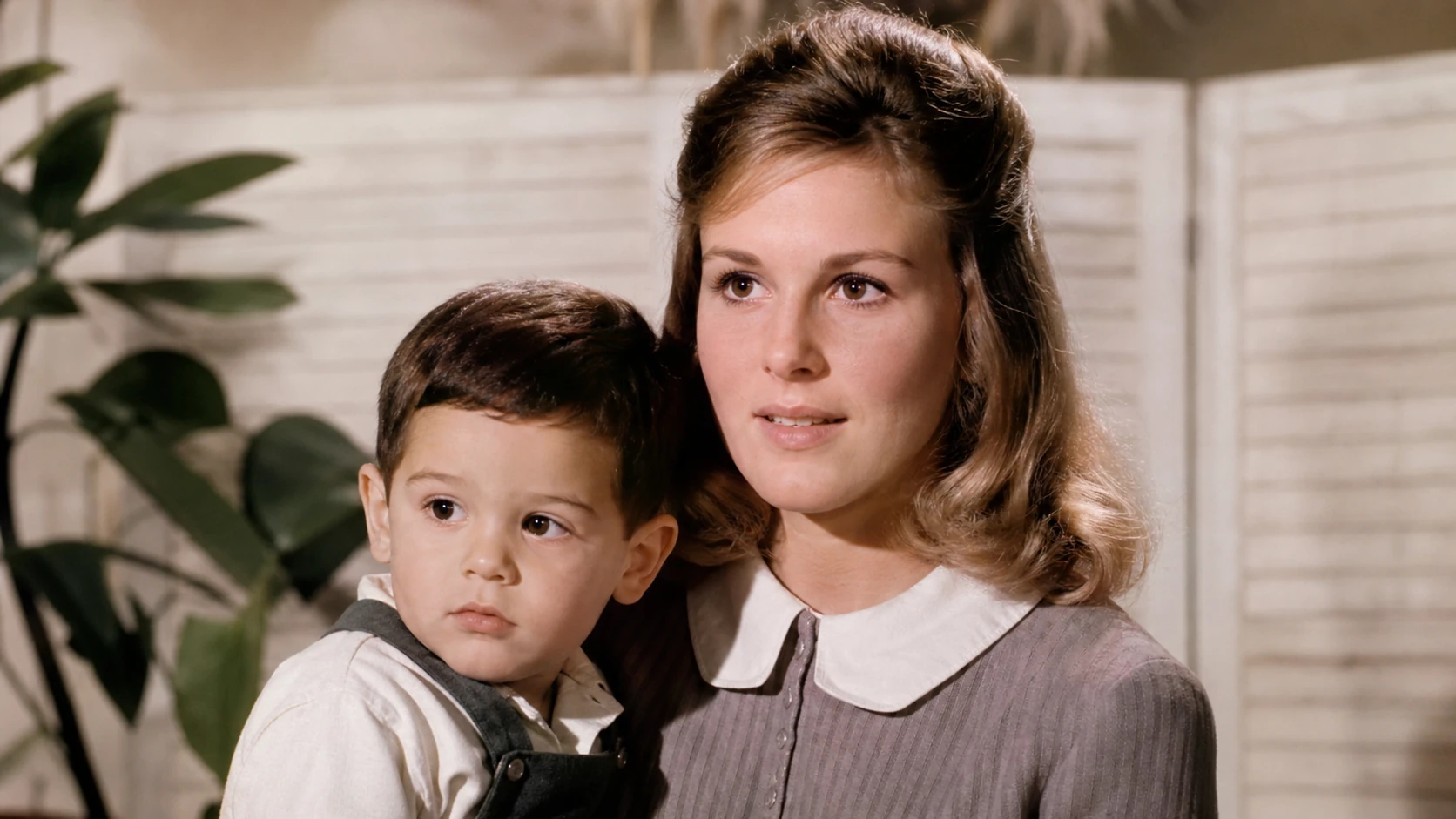
Jenny Lee Arness was born on May 23, 1950, in Los Angeles, California. Her father, James Arness, was still building the career that would soon make him a television institution. Her mother was Virginia Chapman, an actress whom James married in 1948 after meeting her in the Southern California theater world. Jenny grew up in a family already connected to performance, but her childhood was also shaped by the pressures that often come with a famous parent.
James Arness was born James Aurness in Minneapolis, Minnesota, and later changed the spelling of his surname as his acting career developed. That family history explains why Jenny’s name sometimes appears as Jenny Lee Aurness in cast listings and memorial references. The variation can confuse readers, but both spellings point back to the same family. In entertainment records, the professional spelling “Arness” became the more familiar version.
Jenny had two brothers in the broader Arness family. Craig, Virginia Chapman’s son from a previous relationship, was adopted by James Arness after the marriage. Rolf Arness, Jenny’s younger brother, later became a celebrated surfer and won the 1970 World Surfing Championship. The family story stretched across entertainment, sport, and private life, even though James himself was known for keeping home matters away from the press.
Her upbringing took place during a period when television celebrity was becoming a powerful new form of American fame. Unlike film stars of earlier decades, television actors came into people’s living rooms every week and became part of family routines. James Arness was one of the central figures in that shift. For Jenny, that meant her father was not just an actor but a weekly presence in millions of homes.
Growing Up Around James Arness and Gunsmoke
By the time Jenny was a child, Gunsmoke had turned James Arness into a national figure. The CBS Western premiered in 1955 and ran for two decades, making it one of the longest-running scripted dramas in American television history. Arness played Marshal Matt Dillon, a role built on restraint, physical presence, and moral authority. His screen image was steady and commanding, but his family life was more complex than the character he portrayed.
James Arness was famously private. People who wrote about him often noted that he did not enjoy the publicity side of stardom and preferred an outdoorsman’s life away from Hollywood’s social circuit. That privacy affected how much the public ever learned about Jenny. She lived close to one of television’s biggest shows, but she was not raised as a regular public figure.
The Arness household also went through strain while Jenny was still young. James and Virginia’s marriage ended in divorce after more than a decade together. Their separation and custody arrangements were reported in later biographical accounts of James Arness, but the emotional reality for the children remains largely undocumented. What can be said with confidence is that Jenny came of age inside a family managing fame, divorce, and public attention at the same time.
That context matters because it prevents a false picture of effortless Hollywood privilege. Jenny’s life had proximity to fame, but proximity is not the same thing as stability. The children of stars often live in a strange middle ground, visible enough to be discussed but not visible enough to control the story. Jenny’s later public memory reflects exactly that problem.
Her Brief Acting Career
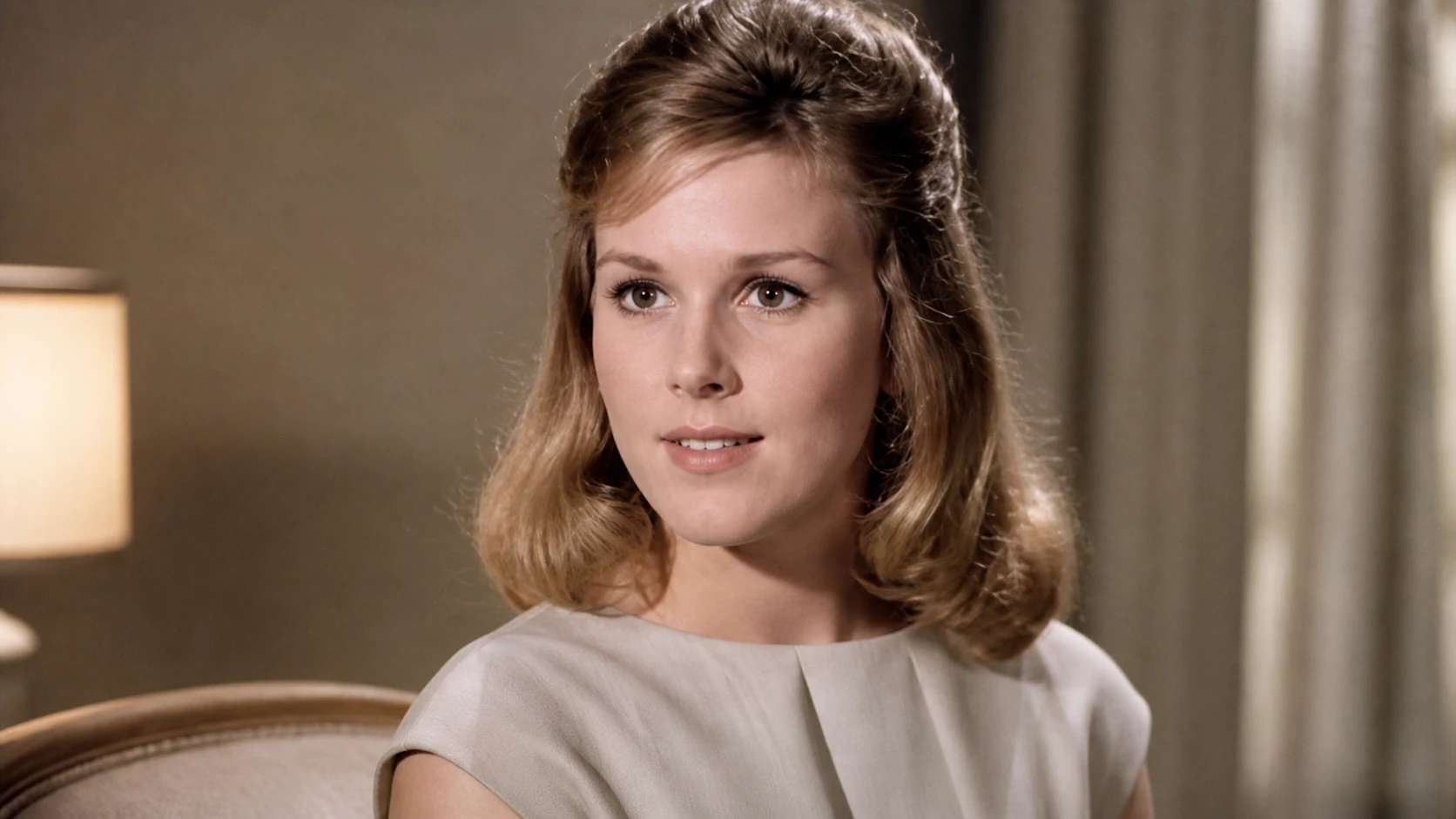
Jenny Lee Arness did not build a long acting résumé, but she did appear on Gunsmoke. Her known screen work consists of two credited appearances on the series in 1964. She played Amy in “The Glory and the Mud,” an episode from the ninth season, and Laurie in “Aunt Thede,” an episode from the tenth season. Those credits place her directly inside the show that defined her father’s career.
She was about 14 years old when those episodes aired. That age matters because it frames the appearances as brief teenage roles rather than the launch of a full adult career. Many online summaries describe her as an actress, which is technically correct because she had screen credits. But the available record does not support portraying her as a major performer or a rising Hollywood professional.
The episodes remain a point of interest for Gunsmoke fans because they offer a rare on-screen link between James Arness and his daughter. Viewers who discover the credits often search her name to learn whether she pursued acting further. The answer appears to be no, at least in any sustained public way. After those appearances, Jenny did not become a regular television presence.
There is no reliable public record showing major film work, awards, stage success, or a long professional career in entertainment. That absence should not be treated as failure. Many children of actors appear briefly in family-connected productions and then choose, or are led toward, more private lives. Jenny’s two Gunsmoke credits remain the clearest professional trace she left.
Life Outside the Public Record
The most difficult part of any biography of Jenny Lee Arness is the space between her Gunsmoke appearances and her death in 1975. That period is often filled online with claims about her education, relationships, emotions, and ambitions. Some may contain pieces of truth, but much of it is repeated without strong sourcing. A careful biography should not turn those gaps into fiction.
What is publicly clear is that Jenny did not become a highly visible celebrity. She was not a regular subject of major interviews, magazine profiles, or entertainment coverage. Her father’s fame kept the family name recognizable, but it did not produce a detailed public record of her adult life. That makes her different from many celebrity children whose careers, marriages, and public statements are heavily documented.
This lack of documentation can frustrate readers who want a full portrait. Biography usually depends on letters, interviews, records, and witness accounts, and Jenny’s publicly available record is thin. The temptation is to make the story more dramatic in order to fill the page. The better choice is to accept that some parts of her life are not ours to know.
Still, those gaps reveal something about how fame works. A private person can become searchable decades later because of a famous parent, a tragic ending, or a television rerun. Jenny Lee Arness did not live as a public celebrity, yet her name continues to circulate in celebrity databases and fan discussions. That tension defines her public image today.
Marriage, Children, and Personal Relationships
There is no strong public record showing that Jenny Lee Arness married or had children. Because she died at 24 and lived mostly outside sustained media coverage, her private relationships are not documented in the way a major public figure’s relationships might be. Some websites mention romantic connections, but many do so without reliable sourcing. A responsible account should avoid presenting such claims as established fact.
The most frequently repeated personal claim links Jenny to musician Gregg Allman. Several entertainment-style sites and fan discussions have said she dated him, and some versions connect that alleged relationship to her later death. That story appears often enough to be part of the public lore around her name. But repetition is not the same as proof, and the strongest public record does not support reducing her life to that claim.
Even if a relationship occurred, it would be wrong to describe Jenny mainly through a man she may have dated. That is a common flaw in celebrity-adjacent biographies of women, especially those whose own public record is limited. It turns a person into a supporting character in someone else’s story. Jenny’s life deserves a more careful frame than that.
It is also important not to explain suicide through a single breakup or disappointment. Mental health crises are rarely caused by one event alone, and responsible reporting avoids simple, dramatic explanations. The available information about Jenny’s death is limited, and the ethical approach is to state what is known without building a speculative romance narrative around it. That restraint protects accuracy and dignity at the same time.
The Death of Jenny Lee Arness
Jenny Lee Arness died on May 12, 1975, in Malibu, California. She was 24 years old and less than two weeks away from her 25th birthday. Later biographical summaries of James Arness describe her death as an apparently deliberate overdose. Many public databases and memorial listings identify the death as suicide.
Because the subject is sensitive, the wording matters. The public has a legitimate interest in knowing what happened, especially because her death is the main reason many people search her name today. But graphic detail does not add understanding. The most accurate and respectful account is that Jenny died by apparent suicide in 1975, with the public record pointing to an overdose.
Her death became one of the defining private tragedies in James Arness’s life. The actor had built a career playing a stoic lawman who seemed able to absorb danger without breaking. In real life, he faced losses that no public image could soften. Jenny’s death was followed by another family tragedy when Virginia Chapman died two years later.
The closeness of those losses has led some writers to frame the Arness family story as one marked by hidden grief. That is understandable, but it can also flatten the people involved into symbols. Jenny was not only a tragedy, and James was not only a grieving father. The facts are painful enough without turning them into melodrama.
James Arness After Jenny’s Death
James Arness rarely spoke publicly in detail about Jenny’s death. That silence fits with the broader pattern of his public life. He was known as reserved, uncomfortable with celebrity exposure, and more at ease in outdoor settings than in publicity interviews. His reluctance to discuss family pain should not be mistaken for indifference.
For actors of Arness’s generation, public discussion of grief, depression, and suicide was far less common than it is today. Families often kept such losses private, and newspapers tended to report them briefly. There was not the same public language around mental health that exists now. That cultural context helps explain why Jenny’s story remained fragmentary for decades.
Arness continued to be associated with Gunsmoke long after the original series ended. The show concluded its network run in 1975, the same year Jenny died, creating a painful overlap between a professional ending and a personal loss. He later returned to the Matt Dillon role in television movies, keeping the character alive for fans. Behind that long career, however, stood a family history many viewers knew little about.
The actor died in 2011 at age 88, and obituaries often mentioned the losses of Jenny and Virginia. Those notices brought Jenny’s name back into public view for a new generation of readers. Since then, her story has become a recurring subject in classic television circles and online biography searches. Much of that interest comes from affection for James Arness, but it also reflects curiosity about the real family behind a beloved star.
Public Image and Online Myths
Jenny Lee Arness’s public image today is shaped less by her own words than by search results. Most people encounter her through short biographies, Gunsmoke cast lists, memorial pages, and articles about James Arness. The result is a profile built from fragments. That makes her unusually vulnerable to exaggeration.
One common myth is that she had a substantial Hollywood career. The evidence does not support that. Her known acting work is limited to two Gunsmoke episodes, and there is no public record of a major career beyond them. Calling her an actress is fair, but calling her a star is not.
Another common claim is that her death can be neatly explained by a romantic disappointment. That version is dramatic, but it is not responsible. Suicide is complex, and public records do not provide enough evidence to assign one cause. The better account is more restrained: she died young, apparently by suicide, and the full private circumstances are not publicly known.
There are also occasional claims about her wealth or inheritance. No credible public reporting establishes Jenny Lee Arness’s personal net worth. Because she did not have a long documented career or public business interests, any precise net worth figure attached to her name should be treated with skepticism. Her father later became wealthy through his long television career, but that does not give us a reliable figure for Jenny herself.
Net Worth and Money Claims
Search users often ask about net worth because celebrity biography sites have trained readers to expect a number. In Jenny Lee Arness’s case, there is no reliable public estimate of her personal net worth. She died young, had only limited known acting credits, and did not leave behind a public record of major business ventures. Any website giving a precise figure is likely guessing.
Her father, James Arness, earned substantial income from his long career on Gunsmoke and related work. That fact is widely accepted because he was the lead actor on a successful network series that ran for 20 years. But a parent’s earnings are not the same as a child’s net worth. Without estate records or reliable financial reporting, the honest answer is that Jenny’s personal financial status is not publicly known.
This matters because invented money figures can distort a biography. They make a private life look more documented than it really is. They also shift attention away from the facts that can be verified. For Jenny, the meaningful public record lies in family context, television history, and the circumstances of remembrance, not in speculative wealth estimates.
The same caution applies to claims about lifestyle. Some writers assume that because she was the daughter of a major television star, her life must have followed a predictable Hollywood pattern. That assumption may be tempting, but it is still an assumption. A good biography should not confuse access to fame with knowledge of daily life.
Why Jenny Lee Arness Still Draws Interest
Jenny Lee Arness still draws interest because her story sits at the edge of a beloved American television legacy. Gunsmoke remains a landmark series, and James Arness remains closely tied to the image of the steady Western hero. Fans who admire him naturally want to know more about his family. Jenny’s brief appearances on the show make that curiosity more personal.
Her story also touches a broader subject: what happens to the children of famous people who do not become famous themselves. They can be remembered through credits, obituaries, photographs, and family references, while their own voices remain largely absent. That absence can invite projection. Readers may imagine they know more than the record allows.
There is also a tragic fascination at work, and it should be handled honestly. Early deaths become search magnets because people look for explanations, warnings, and meaning. In Jenny’s case, the lack of a full public record makes the search feel unresolved. But not every life can be turned into a complete public narrative.
What remains is still worth treating with care. Jenny was part of the Arness family story, part of the Gunsmoke archive, and part of the private cost that can sit behind a public career. Her name survives because viewers keep returning to the show and because loss leaves traces. The most respectful account does not need to sensationalize those traces to make them matter.
Frequently Asked Questions
Who was Jenny Lee Arness?
Jenny Lee Arness was the daughter of actor James Arness and Virginia Chapman. She was born in Los Angeles on May 23, 1950, and is best known for two teenage appearances on Gunsmoke. Her father played Marshal Matt Dillon on the series, which became one of the most famous Westerns in American television history.
Jenny lived much of her life outside public view. Unlike her father, she did not become a long-running television star or a regular public personality. Her name remains known because of her family connection, her brief acting credits, and her early death in 1975.
Was Jenny Lee Arness an actress?
Jenny Lee Arness had acting credits, but her public acting career was brief. She appeared in two episodes of Gunsmoke in 1964, playing Amy in “The Glory and the Mud” and Laurie in “Aunt Thede.” Those roles are the main verified screen work associated with her.
It is accurate to describe her as someone who acted, but it would be misleading to suggest she had a major Hollywood career. The available record does not show a long list of film or television roles. Her acting legacy is closely tied to her father’s series.
How did Jenny Lee Arness die?
Jenny Lee Arness died on May 12, 1975, in Malibu, California, at age 24. Public biographical records and later reporting describe her death as an apparent suicide by overdose. Because the subject is sensitive, responsible accounts avoid graphic detail and avoid treating rumor as fact.
Many online summaries try to attach her death to one personal event or relationship. That kind of explanation is not well supported and can be misleading. The known fact is that she died young in tragic circumstances, while the full private context remains limited.
Did Jenny Lee Arness marry or have children?
There is no strong public record showing that Jenny Lee Arness married or had children. Because she was not a major public figure, many details of her private life were never widely documented. Claims about marriage, children, or long-term relationships should be treated cautiously unless tied to reliable records.
This is one area where many online biographies overreach. They often fill missing information with unsourced statements. A careful biography should say plainly that her family background is documented, but her adult private life is not.
Was Jenny Lee Arness related to Rolf Arness?
Yes, Rolf Arness was Jenny Lee Arness’s brother. He became known in surfing and won the 1970 World Surfing Championship. Their older brother Craig was Virginia Chapman’s son and was adopted by James Arness.
The siblings followed very different paths. James Arness’s fame came through television, Rolf’s public recognition came through surfing, and Jenny’s public record remained brief. Their shared family story is one reason the Arness name still draws interest across different communities.
Why is Jenny Lee Arness sometimes called Jenny Lee Aurness?
The spelling “Aurness” reflects the original family surname connected to James Arness. James was born James Aurness and later used the professional spelling Arness. Because of that history, Jenny’s name sometimes appears in records and credits with the “u” included.
This spelling difference does not refer to a different person. It is a variation tied to family history and entertainment credits. Readers researching her may need to search both spellings to understand why the records differ.
What was Jenny Lee Arness’s net worth?
There is no credible public estimate of Jenny Lee Arness’s personal net worth. She had only two known television credits and did not have a documented public business career. Any precise figure attached to her name should be considered speculative.
Her father, James Arness, earned considerable money from his long career, especially through Gunsmoke. That does not provide a reliable estimate of Jenny’s own finances. In her case, net worth is not a well-documented part of the public record.
Conclusion
Jenny Lee Arness’s biography is not the story of a famous actress with a long list of roles. It is the story of a young woman born close to one of television’s most enduring stars, briefly visible on one of America’s most enduring shows, and remembered largely through the grief that followed her death. That makes her life difficult to write about, but not difficult to respect.
The strongest facts are clear: she was James Arness’s daughter, she appeared on Gunsmoke, and she died in 1975 at age 24. Around those facts, there are many claims that should be handled with caution. Her private life was not fully documented, and biography should not pretend otherwise.
What keeps her name alive is not only tragedy. It is also the continuing fascination with Gunsmoke, the guarded life of James Arness, and the way families behind public icons often remain partly hidden. Jenny Lee Arness matters because she reminds readers that celebrity history is made not only of careers and ratings, but also of private lives that deserve careful telling.
A respectful account leaves room for uncertainty. It answers the search without exploiting the sorrow. For Jenny Lee Arness, that may be the most honest tribute available now.
