
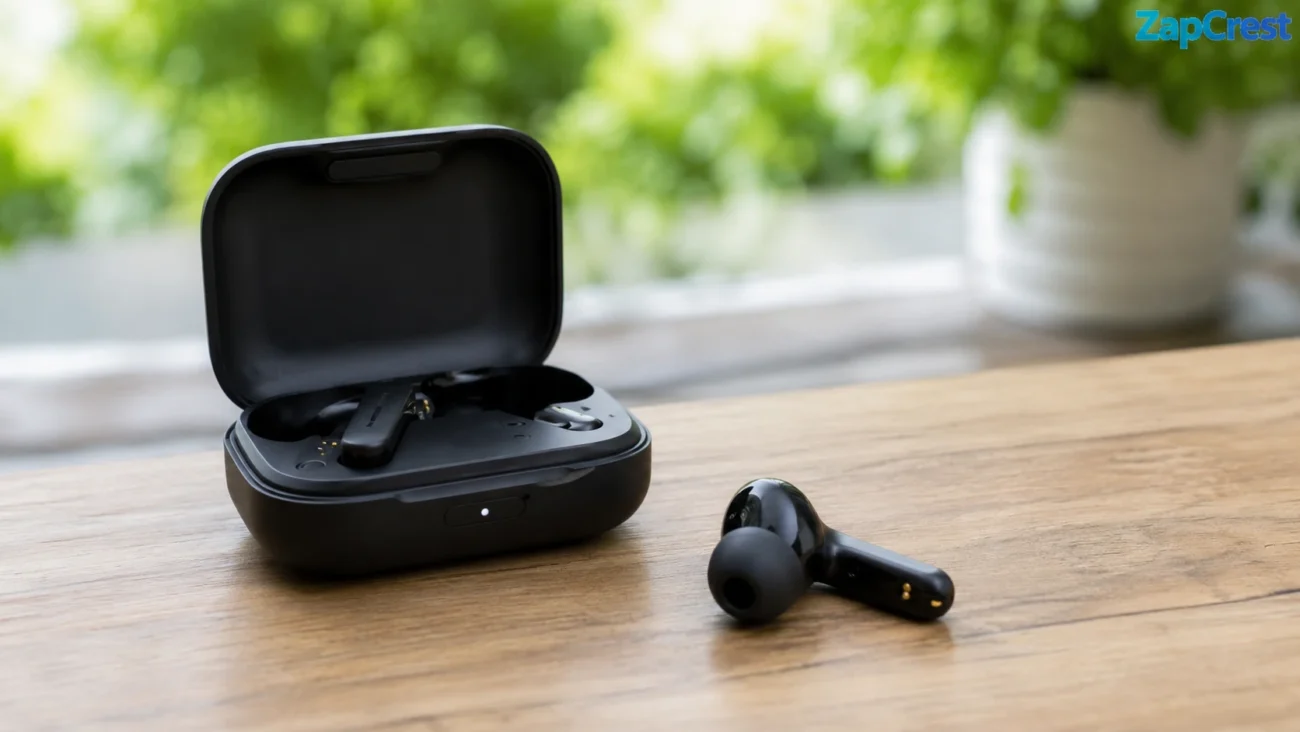
The phrase “best wireless earbuds under 200 dollars 2024” doesn’t describe a person, but it does describe a very specific kind of buyer: someone who wants premium features without paying premium prices. By 2024, that shopper had more serious choices than ever before. Noise cancellation, transparency mode, app-based EQ, multipoint Bluetooth, spatial audio features, and water resistance had moved into a price range that once meant compromise. The story of this category is really the story of how wireless earbuds stopped being luxury accessories and became everyday tools.
Why Under $200 Became the Sweet Spot
For years, the wireless earbud market was split between cheap pairs that sounded thin and expensive flagships that cost well over $200. Apple, Sony, Bose, Samsung, Beats, and others trained buyers to expect the best features at the top of the price chart. But competition changed the market fast. By 2024, brands like Nothing, OnePlus, Soundcore, JBL, EarFun, and Samsung were pushing stronger features into lower price bands.
That shift mattered because people were no longer buying earbuds only for music. They were using them for remote work, gym sessions, commuting, gaming, phone calls, video meetings, podcasts, and sleep-friendly listening. A good pair had to handle several jobs, not just play songs. Under $200 became the zone where most buyers could get enough quality without feeling like they had overspent.
The strongest earbuds in this range were not perfect copies of flagship models. They made tradeoffs in call quality, noise cancellation strength, codec support, build feel, or ecosystem features. But the best ones made the right tradeoffs. They gave buyers the things they would actually use every day and left out extras that only a small group would miss.
The Best Overall Pick: Nothing Ear 2024
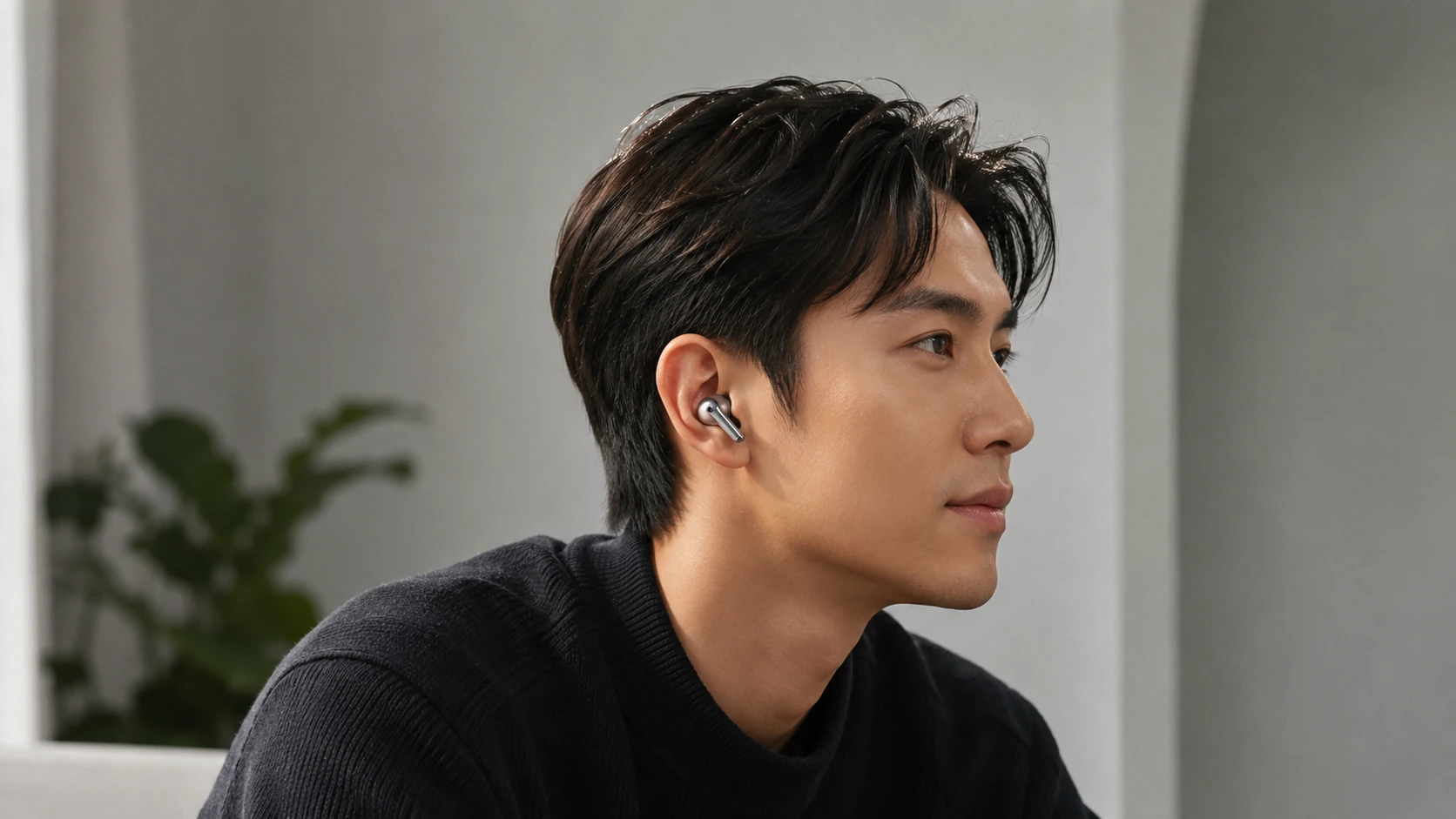
Nothing Ear 2024 stood out as one of the best all-around wireless earbuds under $200 because it felt unusually complete for its price. It offered active noise cancellation, strong sound controls, wireless charging, a distinctive transparent design, and support for higher-quality Bluetooth codecs on compatible Android phones. More than anything, it felt like a product made for people who care about settings and sound without wanting to spend flagship money. At roughly $149 at launch, it left a comfortable gap below the $200 ceiling.
The main strength of Nothing Ear was flexibility. Many earbuds come with one strong personality, often bass-heavy and exciting at first but tiring over time. Nothing gave listeners more room to tune the sound to their taste through the app. That made it easier to recommend across music styles, from podcasts and acoustic tracks to pop, hip-hop, and electronic music.
Noise cancellation was good enough for daily life, though not the strongest in the category. It could soften train noise, office hum, and low background rumble, but it was not the same as buying top-tier Bose or Sony earbuds. That said, most buyers shopping under $200 were not expecting total silence. They wanted useful reduction, good sound, and a comfortable fit, and Nothing Ear delivered that balance better than most.
The Best Value Pick: OnePlus Buds 3
OnePlus Buds 3 became one of the clearest value stories of 2024. They entered the market around $100 and still offered active noise cancellation, dual-device pairing, water resistance, strong battery claims, and a lively sound profile. For buyers who wanted to spend closer to $100 than $200, they were hard to ignore. They also showed how aggressive phone brands had become in the earbud space.
The sound leaned energetic, with enough bass to make gym playlists and modern pop feel full. That tuning would not please every listener, especially those who prefer a flatter or more studio-like presentation. But for the average buyer, the OnePlus Buds 3 sounded fun, clear, and more expensive than their price suggested. The app also helped because it gave users more control than many older budget earbuds.
The best experience made the most sense for Android users, especially those with OnePlus phones. iPhone owners could still use them, but they would not get the same codec advantages or system-level polish. That is a common pattern in modern earbuds. The hardware may work everywhere, but the best features often depend on the phone in your pocket.
The Best ANC-Focused Value: Soundcore Liberty 4 Pro
Soundcore Liberty 4 Pro appealed to buyers who wanted a deep feature set and serious noise control without crossing into premium pricing. Soundcore had already built a reputation for packing a lot into its earbuds, and the Liberty 4 Pro continued that pattern. The charging case added extra controls, while the app gave users many ways to adjust sound and noise settings. It was the kind of product that rewarded people who like to customize.
The appeal was not only active noise cancellation. Battery life, EQ controls, fit options, and app depth all helped make the Liberty 4 Pro feel like a strong commuter and office pair. Many people underestimate the value of a good app, but it can change how long you keep using earbuds. If the default sound is slightly off, a useful EQ can save the product.
Soundcore’s tradeoff was brand polish. Apple, Samsung, and Beats still had stronger ecosystem recognition, and some buyers simply trusted those names more. But for people who cared about features per dollar, Soundcore was one of the smartest under-$200 choices. It was not the most glamorous pick, but it was practical in the way good tech often is.
The Best Apple-Friendly Choice: Beats Studio Buds+
Beats Studio Buds+ gave Apple users a cleaner under-$200 option than many third-party earbuds. They worked well with iPhones, supported active noise cancellation and transparency mode, and came in a smaller design than the sport-focused Beats Fit Pro. They also had broader Android support than AirPods, which made them easier to recommend to mixed-device households. That cross-platform identity was one of their quiet strengths.
The Studio Buds+ were not a full AirPods Pro replacement. They lacked some deeper Apple ecosystem features, and their noise cancellation did not sit at the very top of the market. But they were simple, stylish, and easy to live with. For many buyers, that mattered more than chasing every advanced feature.
Their strongest case was everyday use. They were light enough for commuting, compact enough for pockets, and familiar enough that most people could use them without reading much. They were not the boldest pick under $200, but they were one of the safer ones. Sometimes the best purchase is the one that disappears into your routine.
The Best Workout Pick: Beats Fit Pro
Beats Fit Pro remained a strong workout earbud in 2024 because of one very simple feature: they stayed in place. The wingtip design was more secure than many smooth earbuds, especially during running, lifting, or fast walking. For people who constantly adjust earbuds during exercise, that secure fit could matter more than codec support or case design. Comfort varies by ear shape, but the stability was the selling point.
The Apple H1 chip also gave Beats Fit Pro an advantage for iPhone users. Pairing, switching, and Apple ecosystem features felt more natural than with many non-Apple earbuds. That made them a good middle ground between AirPods convenience and gym-ready design. They were especially useful for people who wanted Apple-friendly earbuds but did not like the fit of AirPods.
The drawbacks were age and bulk. By 2024, the case design and some battery figures did not feel as fresh as newer rivals. The wingtip also would not suit everyone, especially during very long listening sessions. Still, for workouts under $200, Beats Fit Pro remained one of the most dependable choices.
The Best Samsung Pick: Galaxy Buds FE
Samsung Galaxy Buds FE made the most sense for Galaxy phone owners who wanted a lower-cost earbud with useful features. They brought active noise cancellation, a compact shape, and a secure wingtip-style fit at a price well below many flagship earbuds. Samsung also gave them easy pairing and device integration within its own ecosystem. That made them much more appealing to Galaxy users than to iPhone users.
The Buds FE were not designed to beat every competitor on raw sound quality. Their job was to offer a stable, affordable, Samsung-friendly experience. For many people, that was exactly enough. They worked well for commuting, casual listening, calls, and everyday phone use.
Their biggest limit was ecosystem appeal. Outside Samsung’s world, Nothing, OnePlus, Soundcore, and Beats often had stronger arguments. But inside it, Galaxy Buds FE were easy to understand. They were the sensible buy for someone who wanted reliable earbuds without paying for the Galaxy Buds Pro line.
The Best Smart Case Pick: JBL Live Beam 3
JBL Live Beam 3 entered the under-$200 discussion with one of the more unusual features in the category: a smart charging case with a small display. That case let users control settings without opening the phone app. It was not a feature everyone needed, but it helped the earbuds feel different in a crowded market. JBL also leaned on long battery life and strong app controls.
The Live Beam 3 sat close to the $200 ceiling, which made value more complicated. At full price, they competed with discounted premium earbuds and other very strong midrange options. But for buyers who liked the case display, JBL’s sound, and the long playback claims, they had a clear identity. They were not just another stem-style earbud.
Their best audience was someone who likes physical convenience. If you often change noise modes, check battery levels, or switch settings during the day, the smart case made sense. If you rarely touch settings after setup, the feature mattered less. That is why JBL Live Beam 3 were interesting rather than universally essential.
The Best Budget Wildcard: EarFun Air Pro 4
EarFun Air Pro 4 belonged in the conversation because they pushed strong features into a lower price range. They were often discussed as a budget-friendly pair with active noise cancellation, app controls, EQ options, and modern codec support. They showed how far lesser-known audio brands had come. The old assumption that cheaper wireless earbuds had to be disposable no longer held up.
The appeal was simple: maximum features for minimum money. For listeners who were willing to buy from a smaller brand, EarFun offered a lot of practical value. The app controls and EQ options helped them compete with more established names. They were especially appealing to buyers who wanted a backup pair or a first serious pair without spending close to $200.
The caution was long-term confidence. Bigger brands tend to offer clearer service networks, broader retail availability, and more predictable support. EarFun could still be a smart buy, but it was best purchased from a retailer with a good return policy. That way, buyers could test fit, call quality, and app behavior before committing.
How to Choose the Right Pair
The most important factor is fit. A poor seal weakens bass, reduces noise cancellation, and makes even expensive earbuds sound thin. Ear tips matter, and people with smaller or larger ears should pay close attention to included sizes. No review can fully predict comfort because ears vary so much.
The second factor is your phone. iPhone users should think carefully before buying earbuds whose best features depend on Android codecs. Samsung users may get more value from Galaxy Buds, while OnePlus users may benefit from OnePlus earbuds. Nothing and Soundcore are good cross-platform options because they do not depend as heavily on one phone brand.
The third factor is where you listen. Commuters should value ANC and transparency mode, while runners should value stability and water resistance. Office users should care about call quality and multipoint Bluetooth. Music-focused listeners should look for EQ controls and a sound profile that does not become tiring.
Battery life also needs context. Companies often advertise battery figures with ANC off and moderate volume. Real life usually means lower numbers, especially if you use noise cancellation, transparency mode, spatial effects, gaming modes, or high-bitrate codecs. A strong case battery can matter as much as earbud battery life because most people charge in short bursts.
Common Mistakes Buyers Make
One common mistake is buying the biggest discount without checking the model year. Older premium earbuds can still be good, but batteries age, support changes, and newer midrange models may have better apps or Bluetooth features. A deal is only a deal if the product still fits your needs. Price should be part of the decision, not the whole decision.
Another mistake is assuming active noise cancellation works like silence. ANC is best against steady low-frequency sounds such as engine hum, fans, and transit rumble. It is less effective against nearby voices, sudden clatter, and wind. A good seal and good ear tips can be just as important as the ANC chip.
Some buyers also overrate codec names. LDAC, LHDC, and aptX can matter on compatible Android phones, but they do not fix poor tuning or bad fit. iPhone users in particular should be cautious because many advanced codec claims will not apply to them. For most people, comfort, tuning, EQ, and reliability matter more.
Frequently Asked Questions
What are the best wireless earbuds under 200 dollars 2024?
The best overall choice is Nothing Ear 2024 because it offers the strongest mix of sound control, features, design, and price. It works well across platforms and gives users more tuning flexibility than many rivals. For most buyers, it is the safest place to start.
What are the best cheap wireless earbuds under $200?
OnePlus Buds 3 are the best low-price pick for most people. They deliver active noise cancellation, strong battery claims, good app features, and an energetic sound at a much lower price than many competitors. They make the most sense for Android users, especially those with OnePlus phones.
Which earbuds under $200 are best for iPhone?
Beats Studio Buds+ are the best everyday iPhone-friendly pick, while Beats Fit Pro are better for workouts. Studio Buds+ are smaller and simpler for daily listening. Beats Fit Pro offer a more secure fit and stronger Apple ecosystem features through the H1 chip.
Which earbuds under $200 are best for Samsung phones?
Samsung Galaxy Buds FE are the best budget-friendly choice for Galaxy users. They offer active noise cancellation, a secure fit, and better Samsung integration than many third-party options. They are not the most exciting earbuds overall, but they are very sensible for the price.
Do under-$200 earbuds have good noise cancellation?
Yes, many under-$200 earbuds now have good noise cancellation, but they usually do not beat the best premium models. Soundcore Liberty 4 Pro, OnePlus Buds 3, Nothing Ear, and JBL Live Beam 3 are all strong options for daily noise reduction. Buyers who fly often or need maximum quiet may still prefer discounted premium earbuds.
Are wireless earbuds under $200 good for calls?
Some are good enough for regular calls, but call quality remains inconsistent across the category. Wind, traffic, and background voices can expose weak microphones quickly. If calls are a major priority, test the earbuds outdoors during the return window.
Should I buy discounted premium earbuds instead?
Discounted premium earbuds can be a smart buy if they come from a trusted retailer and include a proper warranty. AirPods Pro, Sony, Bose, and other flagship models sometimes fall near or below $200 during sales. The risk is that older models may have weaker battery life, limited stock, or less future support than newer midrange earbuds.
Conclusion
The best wireless earbuds under $200 in 2024 proved that good audio no longer had to sit behind a premium price wall. Buyers could get active noise cancellation, strong apps, better battery life, secure fit options, and polished designs without spending flagship money. The category became crowded, but that was good news for shoppers.
Nothing Ear 2024 was the best overall pick because it balanced the most needs with the fewest serious compromises. OnePlus Buds 3 offered the strongest value, Soundcore Liberty 4 Pro appealed to feature-focused buyers, and Beats remained the easiest path for many iPhone users. Samsung, JBL, and EarFun each had a clear place for the right buyer.
The smartest choice depends less on a universal ranking than on daily use. A commuter, runner, student, office worker, and iPhone loyalist will not all need the same earbuds. Under $200, the winning pair is the one that fits your ears, your phone, your habits, and your tolerance for tradeoffs.
That is the real story of this price range. Wireless earbuds became mature enough that buyers no longer had to chase the most expensive pair to get a good experience. In 2024, the middle of the market was where some of the most practical and satisfying choices lived.
