

Peter Spanton spent much of his life creating places where other people wanted to stay late. In the London restaurant world of the 1980s and 1990s, that skill mattered. A dining room could survive on food alone for only so long. The places people remembered were built on mood, timing, conversation, music, lighting, and the personality of the person running the room. Spanton understood that instinctively, and for years he became part of the fabric of Clerkenwell’s changing social scene through his restaurant and bar, Vic Naylor’s.
For many people today, his name surfaces because of his relationship with broadcaster and journalist Janet Street-Porter. Their long partnership, and later marriage, pushed him back into public conversation after years of living mostly outside celebrity culture. But Peter Spanton’s story reaches far beyond being known as someone’s husband. He built businesses, survived alcoholism, reinvented himself through the premium soft-drinks industry, and quietly became part of a wider shift in British food and drinking culture.
Unlike television personalities who live publicly, Spanton has always kept much of his personal life private. That means some parts of his early years remain lightly documented. Still, enough reliable information exists to trace a life shaped by hospitality, recovery, risk-taking, and an unusually sharp understanding of how adults socialize.
Early Life and Family Background
Publicly confirmed details about Peter Spanton’s childhood and family life are limited. Official business records identify him as British and list his birth as January 1955, but detailed accounts of his upbringing, schooling, or parents have rarely appeared in interviews. That absence is important because it separates Spanton from many media personalities whose lives have been extensively documented in newspapers and television profiles.
What is known suggests he grew up around traditional London pub culture and working-class social rituals tied to food and drink. Material connected to his beverage brand later referenced memories associated with his father’s whisky-and-dry habit and East End drinking culture. Those references were framed partly as product storytelling, but they also hinted at the sensory influences that shaped Spanton’s tastes and ideas about adult drinking.
Not many people know this, but the hospitality instincts that later defined Spanton’s businesses seemed rooted less in formal training and more in observation. He belonged to a generation of restaurateurs who learned by working rooms, understanding people, and reading atmosphere rather than emerging from celebrity-chef culture or corporate restaurant groups. That difference would define the way he approached business throughout his career.
Finding a Place in London’s Restaurant World
By the mid-1980s, London’s dining culture was beginning to shift. Parts of the city that later became fashionable creative districts were still rough around the edges, filled with workshops, warehouses, and struggling commercial spaces. Clerkenwell had not yet become the polished restaurant neighborhood it would later become known as.
In 1986, Peter Spanton opened Vic Naylor’s on St John Street in Clerkenwell. The venue would become one of the defining projects of his career. At the time, opening a stylish restaurant in that area carried risk because Clerkenwell had not yet attracted the concentration of media workers, designers, and affluent diners that arrived later.
Vic Naylor’s stood out because it did not feel manufactured. Reports from restaurant critics and cultural writers later described exposed brickwork, relaxed service, and a room built more around personality than formal luxury. Spanton was often described as a hands-on host who understood how to make guests feel part of something slightly hidden and special.
The truth is, restaurants like Vic Naylor’s helped change the reputation of entire neighborhoods. Before large developers and corporate hospitality groups entered Clerkenwell in force, smaller independent operators created destinations that drew artists, journalists, musicians, and advertising figures into the area. Spanton’s venue became part of that early movement.
Vic Naylor’s and the Creative Crowd
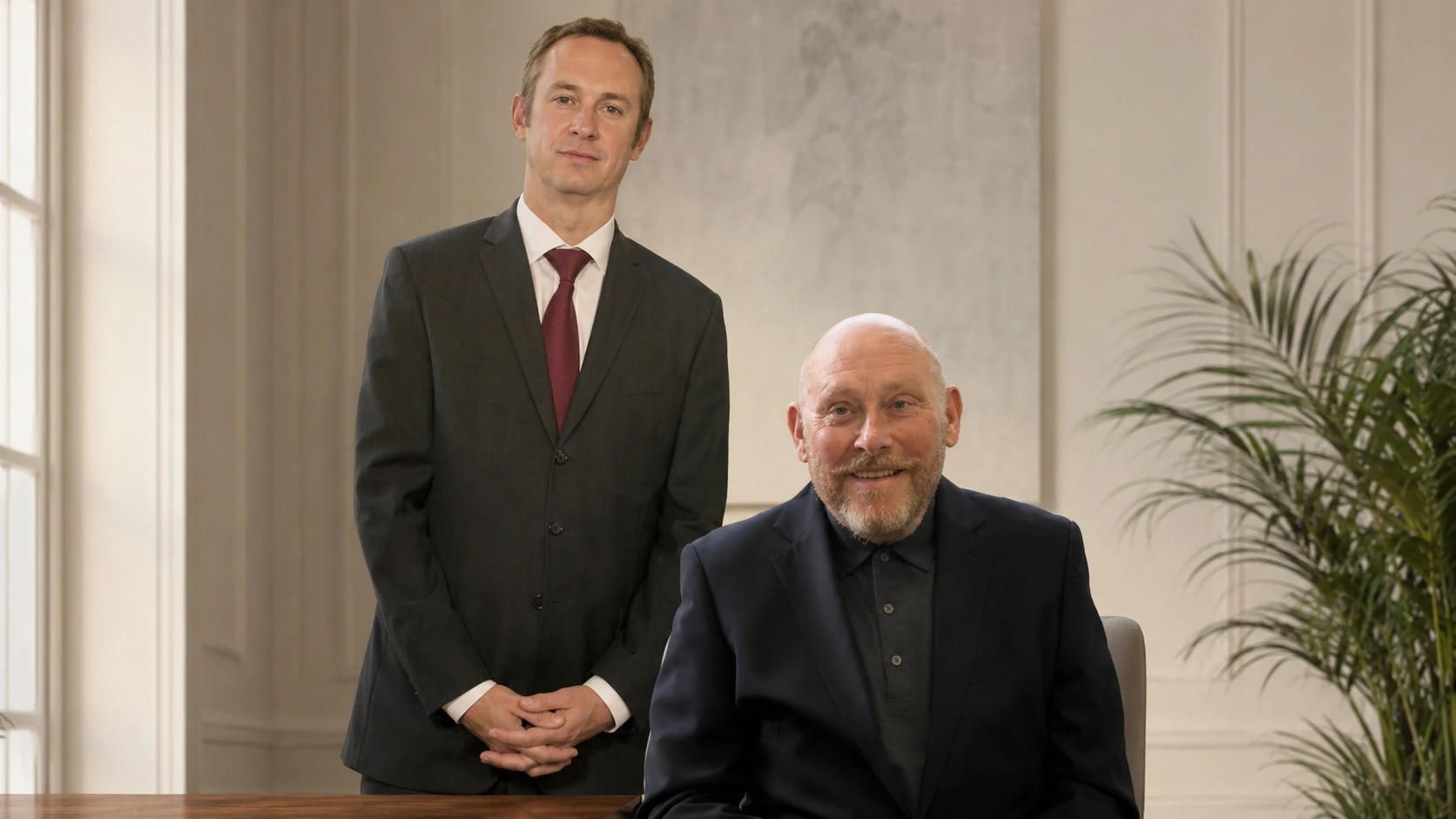
Over time, Vic Naylor’s developed a reputation that extended beyond food. It became associated with London’s creative scene during the rise of the Young British Artists generation. Various profiles connected the restaurant to figures such as Tracey Emin, Sarah Lucas, and the Chapman brothers, all artists linked to Britain’s provocative contemporary art movement during the 1990s.
Accounts from that era also noted that filmmaker and artist Sam Taylor-Wood, later known as Sam Taylor-Johnson, worked there before becoming internationally known. Those details matter because they place the restaurant within a real cultural moment rather than simply attaching famous names after the fact.
Spanton himself appeared to prefer informality over exclusivity. Unlike highly controlled celebrity restaurants, Vic Naylor’s gained attention through reputation and word of mouth. The atmosphere reflected a style of hospitality that London once excelled at: fashionable without feeling over-managed.
But here’s where it gets interesting. The success of the venue also tied closely to Spanton’s own personality and presence. Friends, journalists, and restaurant writers often described him as charismatic, social, and deeply involved in the life of the room. That quality helped build loyalty among regulars, though it also came with personal costs.
Alcohol, Excess, and a Turning Point
Running bars and restaurants in London’s nightlife culture during the 1980s and 1990s often blurred the line between work and excess. For Peter Spanton, alcohol eventually became a serious problem. He later spoke openly about developing alcoholism during the years he ran Vic Naylor’s.
According to interviews he gave years later, Spanton checked into The Priory in 1999 after realizing his drinking had become destructive. He described giving up alcohol as one of the hardest things he had ever done. His comments carried unusual honesty because he did not try to romanticize addiction or present recovery as simple.
His relationship with Janet Street-Porter became part of that turning point. Spanton said she encouraged him to seek treatment, and their partnership began during a period when he was trying to rebuild his life. The timing mattered because sobriety forced him to rethink not only his habits but also the social culture around him.
What’s surprising is how directly that experience shaped his next business venture. Rather than leaving hospitality behind completely, Spanton became interested in what non-drinkers were actually offered in bars and restaurants. He noticed that adults who did not drink alcohol were usually left with sugary sodas, fruit juice, or mineral water while everyone else enjoyed wine, cocktails, and carefully selected spirits.
That frustration became the seed of a new career.
Reinventing Himself Through Adult Soft Drinks
After leaving behind heavy drinking, Spanton shifted his focus toward premium non-alcoholic beverages. Long before “mindful drinking” became a fashionable phrase, he was trying to create drinks that felt sophisticated enough for adults who still wanted ritual and flavor without alcohol.
His drinks brand, Peter Spanton Beverages, aimed to offer complexity rather than sweetness. The products were marketed almost like cocktails or mixers rather than traditional soft drinks. Ingredients included spices, herbs, citrus oils, bitter notes, and botanical flavors that were uncommon in mainstream sodas at the time.
One of the products that drew early attention was Beverage No. 7, an acai-based drink developed over several years. Spanton spoke about wanting a beverage that could be sipped slowly and paired with food rather than consumed quickly like a conventional soft drink. The drink reportedly combined acai with grape, clove, and star anise to create something richer and more layered.
At the time, the British drinks market had not fully embraced sophisticated alcohol-free products. Premium tonics existed, but the broader low- and no-alcohol category was still small compared with what it would become in the 2020s. Spanton entered the space early, before supermarkets and global brands heavily invested in adult non-alcoholic beverages.
Building the Peter Spanton Brand
Spanton’s range expanded into flavored tonics and mixers that reflected his interest in unusual combinations. Products associated with the brand included cardamom, cucumber, lemongrass, ginger, chocolate, mint, and bitter citrus elements. The packaging and naming also carried a retro style that separated the brand from brightly colored mainstream soft drinks.
The beverages gained attention from food writers and drinks publications that saw them as part of a growing premium mixer market. The appeal was not mass-market sweetness but complexity. Spanton appeared interested in creating drinks that worked socially in the same spaces where alcohol traditionally dominated.
That said, the business remained relatively niche. Peter Spanton Beverages developed a loyal following among certain bartenders, restaurants, and specialty retailers, but it never reached the global scale of some larger mixer brands that later entered the market. Still, its existence reflected changing attitudes toward drinking culture in Britain.
Not many people know this, but the premium mixer and alcohol-free drinks movement grew partly because of figures like Spanton who challenged assumptions about what adult beverages could be. His products arrived before the category became commercially crowded, which gave them a certain cult reputation among hospitality insiders.
Relationship With Janet Street-Porter
Peter Spanton’s relationship with Janet Street-Porter became one of the most publicly recognized aspects of his life. Street-Porter, known for her journalism, television work, and outspoken personality, had already spent decades in public life before meeting Spanton.
Their partnership reportedly began in the late 1990s. Over time, they became known as a long-term couple who managed to maintain stability despite very public careers and strong personalities. Street-Porter occasionally spoke about Spanton in interviews, though the pair generally kept much of their private life out of the spotlight.
Part of the public fascination came from contrast. Street-Porter built a career on visibility and confrontation, while Spanton maintained a quieter image rooted in hospitality and business rather than broadcasting. Friends and profiles often described them as sharply intelligent, socially engaged, and deeply compatible despite their different public personas.
In February 2026, Street-Porter announced on the ITV program Loose Women that she and Spanton had married after 27 years together. The announcement received wide media coverage because it represented a rare late-life celebrity marriage handled with humor rather than spectacle.
The wedding itself appeared intentionally low-key. Reports focused more on the warmth and longevity of the relationship than on celebrity theatrics. For many readers, the marriage renewed curiosity about Spanton and introduced him to audiences who had never encountered his restaurant or drinks career.
Business Interests and Financial Questions
Searches related to Peter Spanton often include questions about his net worth and financial position. Reliable public figures, however, remain limited. Unlike major public company executives or entertainment celebrities, Spanton has not released detailed personal financial information.
Companies House records confirm his involvement in businesses connected to hospitality and beverages, including Peter Spanton Drinks Ltd. Those filings establish real commercial activity but do not provide a complete picture of his personal wealth or private investments.
Some entertainment websites publish speculative net worth estimates, but many of those figures lack sourcing and should be treated cautiously. The reality is that independent hospitality businesses can produce periods of strong income while also carrying heavy operating costs and commercial risks.
The truth is, Spanton’s public standing comes less from visible wealth than from cultural influence within hospitality and drinks circles. His reputation rests more on taste, originality, and survival than on corporate scale.
Public Reputation and Personality
People who encountered Peter Spanton professionally often described him as stylish, opinionated, and socially perceptive. He appeared to value authenticity and atmosphere more than rigid business formulas. That attitude helped define both Vic Naylor’s and his beverage ventures.
At the same time, his story carries a quieter emotional thread linked to recovery and reinvention. Spanton did not disappear after confronting alcoholism. Instead, he redirected his experience into a new idea about how adults gather socially without relying entirely on alcohol.
That shift now looks more modern than it may have seemed at the time. Britain’s relationship with drinking has changed noticeably during the past decade, with growing demand for premium alcohol-free options and more open discussion around sobriety. Spanton entered that conversation years before it became commercially fashionable.
His connection to Street-Porter also contributed to his public image, though usually indirectly. He was often framed as a stabilizing figure within her life rather than someone seeking celebrity himself. The longevity of their relationship strengthened that perception.
Private Life and What Remains Unknown
Despite periodic media attention, large parts of Peter Spanton’s private life remain outside public documentation. Information about children, extended family, education, and earlier relationships has either not been widely reported or has been kept deliberately private.
That restraint is unusual in an era when many public figures expose every detail of their personal lives through social media and television appearances. Spanton belongs more to an older style of hospitality personality, someone known through venues, conversations, and reputation rather than constant public self-disclosure.
There is also relatively little evidence of him actively cultivating celebrity status. Even during the height of Vic Naylor’s popularity, the focus remained largely on the restaurant rather than on Spanton himself becoming a television personality or lifestyle brand.
That privacy has shaped the way his biography must be approached. A responsible profile can document his businesses, relationship, and public statements, but it should avoid filling gaps with speculation.
Cultural Influence and Legacy
Peter Spanton occupies an unusual position in British cultural history. He was never a mainstream celebrity, yet his work touched several important shifts within urban life, hospitality, and drinking culture.
Vic Naylor’s belonged to an era when independent restaurants helped redefine London neighborhoods before corporate hospitality groups arrived. The venue became associated with artists, media figures, and the rise of Clerkenwell as a social destination.
His drinks business anticipated a much larger movement toward premium non-alcoholic beverages. Today, bars and restaurants routinely offer sophisticated alcohol-free cocktails and mixers. During the early years of Peter Spanton Beverages, those options were far less common.
There is also a personal legacy tied to survival and reinvention. Spanton’s life demonstrates how someone deeply connected to drinking culture could step away from alcohol without abandoning hospitality, pleasure, or social connection entirely. That perspective gave his later work unusual credibility.
Where Peter Spanton Is Now
As of 2026, Peter Spanton remains best known publicly through his long relationship and marriage to Janet Street-Porter, along with his earlier hospitality and beverage ventures. Public company records show that Peter Spanton Drinks Ltd was dissolved in 2022, though references to the brand and its products still exist online.
He appears to live far more privately than many people connected to television personalities. Recent media attention has focused mainly on the marriage announcement rather than on new business projects or public appearances.
That said, his influence remains visible in subtler ways. London’s hospitality culture continues to value personality-driven venues similar to Vic Naylor’s, while the premium non-alcoholic drinks sector has grown dramatically since Spanton first entered it.
What’s surprising is how contemporary many of his ideas now seem. Adult soft drinks, sober socializing, and neighborhood-driven hospitality have all become major cultural conversations years after he began working in those spaces.
Frequently Asked Questions
Who is Peter Spanton?
Peter Spanton is a British restaurateur and drinks entrepreneur best known for founding the Clerkenwell restaurant Vic Naylor’s and later creating the Peter Spanton range of premium soft drinks and mixers. He is also known as the husband of broadcaster and journalist Janet Street-Porter.
How old is Peter Spanton?
Public business records list Peter Spanton’s birth as January 1955. That means he turned 71 years old in 2026, although his exact birth date has not been widely published.
What was Vic Naylor’s?
Vic Naylor’s was a restaurant and bar opened by Peter Spanton in Clerkenwell, London, in 1986. The venue became associated with London’s creative and media scene and gained a reputation for its relaxed atmosphere and stylish clientele.
Is Peter Spanton married to Janet Street-Porter?
Yes. Janet Street-Porter announced in February 2026 that she and Peter Spanton had married after being together for 27 years. Their relationship had already been publicly known for many years before the wedding announcement.
Did Peter Spanton struggle with alcoholism?
Peter Spanton has spoken publicly about developing alcoholism during his years running restaurants and bars. He later sought treatment at The Priory in 1999 and became sober, an experience that strongly influenced his later drinks business.
What happened to Peter Spanton Drinks?
Peter Spanton Drinks Ltd, the company connected to his beverage range, was officially dissolved in 2022 according to UK business records. The drinks themselves remain part of his public legacy within the premium mixer and alcohol-free beverage market.
What is Peter Spanton’s net worth?
No fully verified public figure exists for Peter Spanton’s net worth. While he operated successful hospitality and beverage businesses, reliable estimates of his personal wealth have not been publicly confirmed.
Conclusion
Peter Spanton’s life does not follow the standard celebrity pattern. He became known through places, products, and personal reinvention rather than through constant media exposure. That quieter path gives his story a different kind of weight.
His years at Vic Naylor’s captured a changing London, one where creative energy and hospitality transformed overlooked neighborhoods into cultural destinations. The restaurant became part of a wider social history that still shapes how people think about Clerkenwell today.
Later, his move into premium non-alcoholic drinks reflected another shift that would grow far larger over time. Long before sober curiosity became fashionable, Spanton understood that adults wanted more thoughtful alternatives to alcohol without sacrificing ritual or taste.
Today, his public profile may be tied closely to Janet Street-Porter, but his own story stands on solid ground. Peter Spanton helped shape corners of London hospitality, survived personal struggles that might have ended other careers, and found a way to reinvent himself without pretending to be someone else.
