
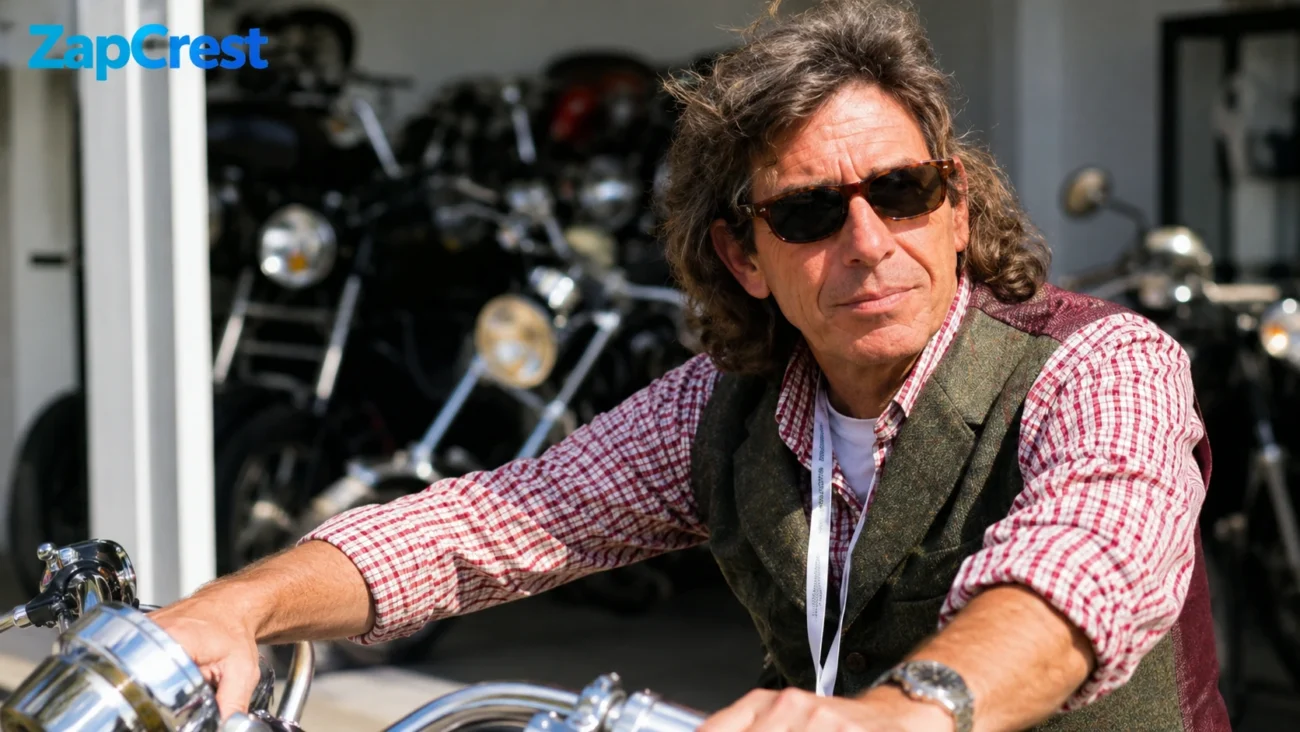
Guy Willison has spent much of his professional life around motorcycles that most people would hesitate to touch with a spanner. He became known to television audiences as “Skid,” the skilled builder and straight-talking mechanic who appeared alongside presenter Henry Cole on British motorbike programmes, but his story began long before television cameras arrived in the workshop. Readers searching for “Guy Willison net worth” are usually looking for more than a number. They want to know how a motorcycle engineer turned custom builder built a respected name in British biking culture and whether that success translated into serious wealth.
The answer is complicated because Willison has never publicly confirmed his personal finances. Unlike film stars or Premier League footballers, custom motorcycle builders rarely publish salary figures, endorsement contracts, or investment details. What can be traced is the career itself: decades in motorcycle engineering, design work for Norton, collaborations with Honda UK, television appearances, limited-edition bike projects, and the creation of 5Four Motorcycles. Taken together, those ventures suggest a successful and financially stable career, even if the exact value of his assets remains private.
That uncertainty has not stopped online speculation. Several websites estimate Guy Willison’s net worth in the low millions, though those figures remain estimates rather than confirmed financial records. The stronger story lies not in a headline number but in how Willison turned mechanical skill, industry trust, and television visibility into a lasting business identity.
Early Life and Family Background
Public information about Guy Willison’s early life remains fairly limited, which fits the way he has handled fame throughout his career. He has never presented himself as a celebrity in the traditional sense, and most interviews focus on motorcycles rather than private family details. Still, pieces of his background have emerged through workshop interviews and company biographies tied to 5Four Motorcycles.
Willison developed an obsession with motorcycles at a very young age. According to material published by 5Four Motorcycles, he was already taking apart engines as a child and spent much of his youth building bikes from discarded machines and spare parts. The fascination was practical from the start. He was not simply admiring motorcycles; he wanted to understand how they worked and how they could be improved.
That early curiosity eventually pushed him toward formal engineering study. He attended Merton Technical College, where he studied motorcycle engineering, and the experience gave structure to instincts he had already developed in garages and workshops. Friends and colleagues later described him as someone who combined technical understanding with a builder’s imagination, which became one of the defining themes of his career.
Details about his parents, siblings, or wider family life are not widely available in public records. Willison has generally kept relatives away from the public side of his work, even after television made him recognizable to bike enthusiasts across the UK. That privacy has remained consistent throughout his career and separates him from television personalities who build brands around their personal lives.
The Years Before Television
Long before television audiences recognized him, Guy Willison built his reputation the old-fashioned way: through workshop experience, mechanical reliability, and word of mouth. He worked as a despatch rider during part of his early career, which placed him in the demanding world of riders who depended on motorcycles daily for work rather than recreation. Those riders needed machines that could survive long hours and difficult conditions, and that environment sharpened his engineering instincts.
Willison later opened a workshop in a railway arch in Hammersmith, London, focusing on despatch riders’ motorcycles. The setting reflected the British custom-bike culture of the time, where small workshops operated with limited resources but high technical skill. The work was practical and relentless, but it helped establish his reputation as someone who understood motorcycles beyond showroom conditions.
Not many people know this, but those years shaped the business side of his future career as much as the technical side. Builders who survive in independent workshops learn budgeting, sourcing parts, dealing with clients, and solving problems under pressure. Those skills became especially valuable later when Willison began producing limited-edition custom motorcycles tied to major manufacturers.
His career eventually moved through several parts of the motorcycle trade, including work at a Honda dealership and involvement in imported motorcycle tuning and redesign. By the time television producers discovered him, he already carried decades of workshop experience and industry knowledge. That background is one reason audiences responded to him differently than they did to polished presenters who lacked mechanical credibility.
Meeting Henry Cole and Television Recognition
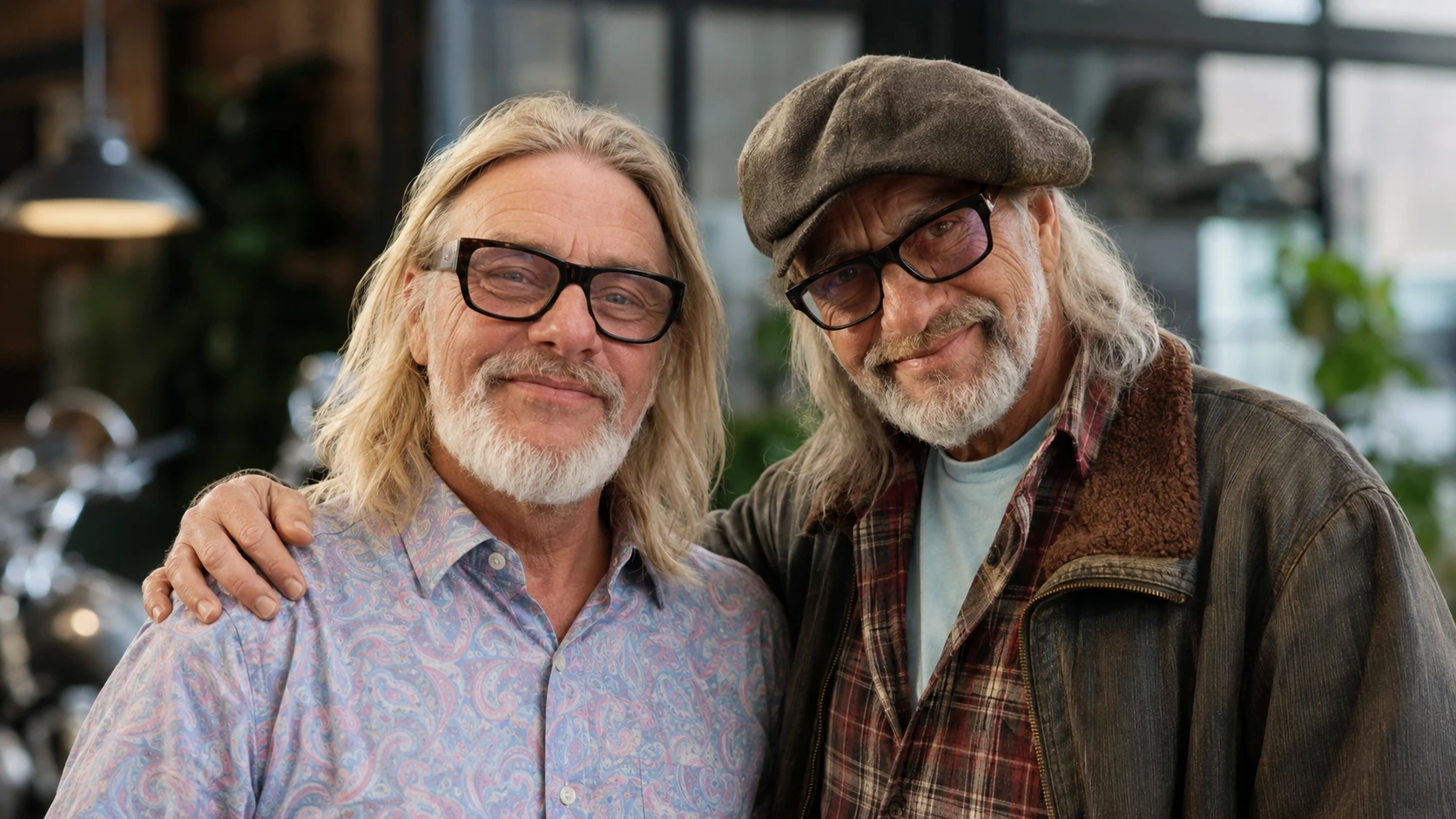
Guy Willison’s public profile changed dramatically through his friendship and professional partnership with television presenter Henry Cole. The two men shared a deep interest in motorcycles, especially classic and custom machines, and their chemistry translated naturally on screen. Cole often handled the storytelling and presentation, while Willison brought the technical authority and workshop realism that grounded the programmes.
The Motorbike Show became one of the key platforms that introduced Willison to mainstream audiences. The programme mixed restoration projects, motorcycle history, road trips, and custom builds, giving viewers access to a world that had often been treated as niche television. Willison stood out because he never appeared to be performing for the camera. He spoke plainly, focused on the machine, and carried himself like someone who would rather be working than acting.
That authenticity mattered. Motorcycle audiences tend to reject personalities who seem manufactured, and Willison’s appeal came from the fact that he looked and sounded like a genuine workshop builder. His nickname “Skid” became widely recognized among viewers, and his visibility increased further through shows such as Shed and Buried and Find It, Fix It, Flog It.
Television also expanded his commercial opportunities. Once viewers began associating his name with quality craftsmanship, manufacturers and dealers gained a clear reason to work with him. But here’s the thing: television fame in specialist programming does not automatically create celebrity-level wealth. The money often comes indirectly through business partnerships, commissions, and brand credibility rather than through enormous presenter salaries.
Building a Reputation in Motorcycle Design
Willison’s reputation rests heavily on the quality of the motorcycles attached to his name. He became known for blending classic British styling with practical modern engineering, producing bikes that looked handcrafted without sacrificing rideability. That balance helped him move beyond television personality status and into the category of respected motorcycle designer.
One of the major chapters in his career involved Norton Motorcycles. Willison reportedly worked on redesigning aspects of the Norton Commando, including projects tied to the Commando 961 Street. That connection strengthened his standing inside British motorcycle circles because Norton remains one of the most emotionally important names in UK biking history.
The truth is, motorcycle enthusiasts often judge builders more harshly than general audiences do. A television personality can attract viewers, but builders earn long-term respect only if their motorcycles perform well and feel authentic. Willison managed to satisfy both audiences, which is part of why his name remained relevant after many television mechanics faded from public attention.
His work also expanded through Gladstone Motorcycles, another project connected to Henry Cole. The Gladstone bikes reflected a handmade, old-school approach that appealed strongly to collectors and enthusiasts who wanted motorcycles with personality rather than mass-production polish. Limited production numbers made those projects more exclusive and helped reinforce the premium image surrounding his work.
The Launch of 5Four Motorcycles
One of the biggest turning points in Guy Willison’s professional life came with the creation of 5Four Motorcycles in 2018. The company aimed to produce limited-edition custom motorcycles that combined factory reliability with hand-built character. Instead of building entirely bespoke machines from scratch, Willison focused on reworking existing motorcycles into distinctive premium editions.
The company’s first major collaboration came with Honda UK and the CB1100 RS 5Four. Only 54 units were produced, and the project immediately attracted attention because it combined Honda engineering with Willison’s custom styling. Buyers were not just purchasing a motorcycle; they were buying a machine connected to a respected builder with television visibility and workshop credibility.
That model was followed by projects including the Honda CB1000R 5Four and later the Honda CB1000 Hornet SP 5Four. Each motorcycle carried the same basic idea: a numbered limited edition assembled with upgraded styling and custom touches designed by Willison. The bikes sold at premium prices, often above £15,000, which reflected both the base machine and the custom work involved.
Here’s where it gets interesting. The retail prices attached to those projects created the impression that Willison must have become extremely wealthy. Yet custom motorcycle manufacturing involves large expenses, including parts, labor, dealer relationships, taxes, transport, and workshop overhead. High-priced motorcycles do not automatically translate into enormous personal profit.
Guy Willison Net Worth Estimates
Because Willison keeps his private finances out of public view, most published net worth figures remain speculative. Several celebrity-style websites estimate his wealth somewhere between $1 million and $5 million, though those estimates rarely explain how they reached the number. None of the commonly cited figures appear tied to confirmed salary disclosures, investment records, or personal property filings.
That said, there are strong reasons to believe he has earned substantial income through several channels. Television work provided visibility and recurring exposure. Limited-edition motorcycle collaborations created premium commercial opportunities. Long-term workshop work and engineering projects added another source of income, while the reputation attached to his name increased the value of every partnership he entered.
Public company records show that 5FOUR MOTORCYCLES LIMITED was incorporated in 2018, though records also show that Willison resigned as a director in 2023. The meaning of that change is not entirely clear from public filings alone. It does not necessarily indicate financial trouble or separation from the creative side of the business, especially since later Honda-related projects continued to describe motorcycles as designed and assembled by Guy Willison.
The safest description is that Guy Willison’s net worth is undisclosed but likely reflects a successful specialist career rather than mass-market celebrity wealth. Readers should treat precise online figures carefully unless they come from verified financial reporting.
Personal Life and Relationships
Unlike many television personalities, Guy Willison has never built his public identity around family life or relationships. Information about his marital status, partner, or children is limited in the public domain, and he has generally avoided discussing those areas in interviews. That restraint has shaped the way fans view him. He is seen more as a craftsman than as a celebrity personality.
There is no confirmed public record detailing a wife or long-term partner, though rumours occasionally circulate online. Responsible reporting requires separating speculation from fact, and at present there is little verified information available about his romantic life. Most established interviews and profiles focus almost entirely on motorcycles and workshop projects.
That privacy has likely helped him maintain credibility within motorcycle culture. Enthusiasts tend to respond better to builders who appear focused on their work rather than self-promotion. Willison’s public image rests on mechanical skill, practical experience, and authenticity rather than lifestyle branding.
His friendships within the industry, especially with Henry Cole and other motorcycle builders, are easier to trace publicly. Those professional relationships became central to his television career and contributed heavily to the opportunities that followed.
Influence on British Motorcycle Culture
Guy Willison’s influence is difficult to measure through awards or official honors because much of it exists inside enthusiast culture. British motorcycle fans recognize him as part of a generation that kept traditional workshop craftsmanship visible during an era increasingly dominated by digital technology and mass-produced branding.
What’s surprising is how effectively he bridged different worlds. He gained the trust of major manufacturers like Honda while still maintaining credibility among custom-bike enthusiasts who often distrust factory partnerships. That balance is rare because corporate collaborations can easily damage a builder’s authenticity if handled poorly.
Willison also helped introduce casual television viewers to custom-bike culture without making it feel inaccessible. Programmes like The Motorbike Show made restoration and engineering understandable to wider audiences, and his straightforward style gave viewers confidence that the work mattered for practical reasons rather than television drama alone.
His influence can also be seen in the growing popularity of limited-edition retro-styled motorcycles. Manufacturers increasingly recognize that buyers want machines with character and story, not just speed and technology. Builders like Willison helped prove there was a market for that approach.
Financial Reality Behind Custom Motorcycles
The public often misunderstands the economics of custom motorcycle work. Expensive motorcycles create the impression of luxury-industry wealth, but the margins are usually far narrower than outsiders assume. Workshops carry significant costs, projects take time, and production numbers remain small compared to mainstream manufacturing.
Willison’s business model relied heavily on exclusivity and craftsmanship rather than large-scale output. Limited-edition runs create demand because buyers know the motorcycles are rare, but rarity also limits total revenue. A builder may create motorcycles worth hundreds of thousands of pounds in retail sales while personally earning far less once expenses are removed.
Television exposure changes the equation somewhat because it increases visibility and creates additional opportunities. A recognizable builder can attract collaborations, event appearances, consulting work, and media opportunities that might not exist otherwise. Still, those opportunities remain tied to maintaining reputation and producing quality work.
The truth is, Guy Willison’s career reflects a form of specialist success that does not always fit celebrity net worth culture neatly. His wealth likely comes from sustained professional respect rather than explosive fame or mass-market endorsement deals.
Where Guy Willison Is Now
As of 2026, Willison remains associated with custom motorcycle work and projects tied to the 5Four name. The Honda CB1000 Hornet SP 5Four kept his name visible in the premium motorcycle market and demonstrated that demand for his design approach still existed years after his television breakthrough.
He also continues to hold a respected place within British motorcycle culture. While newer social media personalities and YouTube builders attract younger audiences, Willison represents a more traditional workshop-based generation of motorcycle engineering. That identity continues to appeal strongly to enthusiasts who value practical skill over internet performance.
Public appearances and television work remain part of his professional identity, though he appears to prefer letting the motorcycles speak for themselves. Unlike personalities who constantly chase publicity, Willison’s profile tends to rise naturally whenever a new build or collaboration appears.
That measured approach has likely helped his reputation age well. Audiences still associate him with credibility, practical engineering, and motorcycles built with genuine care rather than trend-driven styling.
Frequently Asked Questions
What is Guy Willison’s net worth?
Guy Willison’s exact net worth has never been publicly confirmed. Online estimates often place his wealth somewhere between $1 million and $5 million, but those numbers remain speculative rather than verified financial disclosures. His income likely comes from television work, motorcycle design, workshop projects, and manufacturer collaborations.
Why is Guy Willison called “Skid”?
The nickname “Skid” has followed Willison for years within motorcycle circles and television appearances. Public interviews rarely explain the full origin of the name, but it became closely tied to his identity during his work on British motorcycle television programmes.
Is Guy Willison still working with 5Four Motorcycles?
Although public records show he resigned as a company director in 2023, later motorcycle projects still described bikes as designed and assembled by Guy Willison within the 5Four workshop structure. That suggests he remained creatively involved even after changes to the company’s official directorship records.
How did Guy Willison become famous?
Willison gained broad recognition through motorcycle television shows with Henry Cole, especially The Motorbike Show. His mix of engineering skill, practical workshop experience, and natural on-screen personality helped him stand out among motorcycle enthusiasts.
Did Guy Willison work with Honda?
Yes. Willison and 5Four Motorcycles collaborated with Honda UK on several limited-edition projects, including the CB1100 RS 5Four, CB1000R 5Four, and CB1000 Hornet SP 5Four. Those motorcycles combined Honda engineering with Willison’s custom styling.
Is Guy Willison married?
There is little confirmed public information about Guy Willison’s personal relationships or marital status. He has kept much of his private life away from media coverage, and reliable details about a spouse or partner have not been widely published.
What makes Guy Willison respected in motorcycle culture?
Willison built his reputation through decades of workshop experience, motorcycle engineering, and custom design work. Enthusiasts generally view him as authentic because his television success came after years of hands-on industry work rather than manufactured celebrity exposure.
Conclusion
Guy Willison’s story is less about celebrity glamour and more about long-term craftsmanship. He built a career through workshops, engineering skill, and a deep understanding of motorcycles long before television made him recognizable. That foundation gave his later fame credibility that audiences could sense immediately.
The fascination with Guy Willison net worth reflects something larger than curiosity about money. Readers are responding to a man who turned specialist knowledge into a respected public career without abandoning the workshop mentality that shaped him. His success came through consistency, reputation, and trust inside a demanding industry.
His financial picture remains partly private, and that uncertainty should be treated honestly rather than filled with exaggerated speculation. Still, the available evidence points clearly toward a successful and financially rewarding career built across television, motorcycle design, and custom manufacturing.
What remains strongest about Willison’s reputation is not a net worth estimate but the sense that he earned his standing the hard way. In a media environment crowded with personalities built around image, he still comes across as someone who would rather spend the afternoon working on a motorcycle than talking about himself.
