
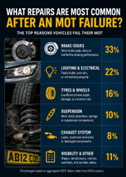
Discover the most common repairs after MOT failure, from brake issues to lighting faults. Learn what to expect and how to prepare your vehicle.
Failing an MOT can feel frustrating, especially when you’re unsure what went wrong or how much it’ll cost to fix. The good news is that most MOT failures stem from a handful of common issues, many of which are straightforward to repair. Understanding what typically goes wrong can help you prepare your vehicle better and avoid unnecessary stress when test day arrives.
Whether it’s worn brake pads, faulty lights, or suspension problems, knowing the usual culprits puts you one step ahead. Getting your MOT test done at a trusted garage in Aldershot means you’ll receive clear guidance on any faults found, along with transparent advice on the repairs needed. Regular car servicing can also catch many of these issues before they become MOT failures, saving you time and money in the long run.
In this guide, we’ll walk through the most common repairs that follow an MOT failure, what causes them, and how you can stay on top of your vehicle’s health throughout the year.
Why Do Cars Fail Their MOT?
MOT failures happen when a vehicle doesn’t meet the minimum safety and environmental standards required by law. The test checks everything from brakes and tyres to lights, emissions, and structural integrity. Even minor faults can result in a failure if they compromise safety or roadworthiness.
Common reasons include general wear and tear, lack of regular maintenance, or simply overlooking small issues that worsen over time. Parts like bulbs, wipers, and brake components naturally degrade with use, and if they’re not checked regularly, they can fail during the test. In some cases, drivers aren’t even aware of the problem until the tester points it out.
Location also plays a role. Vehicles driven frequently in stop and go traffic around Fleet, Farnborough, or Ash Vale may experience faster wear on brakes and suspension. Weather conditions, road surfaces, and driving habits all contribute to how quickly components deteriorate. The more aware you are of these factors, the better prepared you’ll be to keep your car in good shape.
1. Lighting and Signalling Faults
Lighting issues are one of the most common reasons for MOT failure, yet they’re often the easiest to fix. Faulty headlights, brake lights, indicators, or number plate lights can all result in an automatic fail. Even a single blown bulb is enough to stop your vehicle from passing.
Testers check that all lights work correctly, are the right colour, and are properly aligned. Headlights that are too dim, too bright, or pointing in the wrong direction can also cause problems. Cracked or damaged light lenses reduce visibility and are flagged as safety concerns.
The simplest way to avoid this issue is to check all your lights regularly, especially before booking your MOT. Ask someone to help you test brake lights and indicators while you operate them from inside the car. If you’re driving around Aldershot or Tongham at dusk, you’ll quickly notice if a light isn’t working as it should.
Replacing bulbs is usually inexpensive and quick. Headlight alignment can be adjusted during servicing, so it’s worth mentioning if you’ve recently hit a pothole or kerb. Keeping your lights in good working order not only helps you pass your MOT but also keeps you safer on the road.
2. Brake System Issues
Brake problems are another leading cause of MOT failures, and understandably so. Your brakes are critical for safety, and any fault, no matter how small, needs addressing immediately. Worn brake pads, damaged discs, leaking fluid, or corroded components can all result in a fail.
During the test, examiners check brake performance, balance, and condition. If your brakes pull to one side, feel spongy, or make unusual noises, there’s likely an underlying issue. Brake fluid levels and the condition of brake lines are also inspected for leaks or contamination.
Brake pads wear down naturally over time, especially if you do a lot of urban driving in areas like Farnham or North Camp. If you hear squealing or grinding when you brake, it’s a clear sign the pads need replacing. Ignoring this can damage the discs, leading to more expensive repairs.
Regular servicing helps catch brake wear early. A good garage will measure pad thickness and disc condition as part of a routine check. Replacing worn pads before your MOT is far cheaper than dealing with failed discs or hydraulic issues. If you notice any change in how your brakes feel or sound, get them checked straight away.
3. Suspension and Steering Problems
Suspension and steering faults are common MOT failure points, particularly in older vehicles or those driven on rough roads. Worn shock absorbers, damaged springs, seized ball joints, or loose steering components can all affect how your car handles and lead to a fail.
The test includes checks for excessive play in the steering, unusual noises, and visible damage to suspension parts. If your car bounces excessively after going over a bump, pulls to one side, or feels unstable on the road, these are signs of suspension wear.
Driving on uneven surfaces around Ash or Fleet can accelerate wear on suspension components. Potholes, speed bumps, and rough rural roads all take their toll. Over time, bushes and joints deteriorate, leading to clunks, rattles, or a noticeable drop in ride quality.
Replacing worn suspension parts restores stability and comfort. During a service, mechanics will inspect for worn bushes, leaking dampers, and damaged springs. Catching these issues early prevents more serious problems and ensures your vehicle handles predictably in all conditions.
4. Tyre Condition and Tread Depth
Tyres are one of the easiest things to check yourself, yet they’re a frequent cause of MOT failure. The legal minimum tread depth is 1.6mm across the central three quarters of the tyre, but anything below 3mm is considered risky, especially in wet conditions. Worn tyres reduce grip, increase stopping distances, and make your car harder to control.
Testers also check for cuts, bulges, uneven wear, and correct tyre pressure. Any visible damage to the sidewall or tread can result in a fail. Mismatched tyres on the same axle or incorrect sizes for your vehicle are also flagged.
Checking your tyres regularly takes just a few minutes. Use a tread depth gauge or the 20p test: insert a 20p coin into the tread, and if the outer band is visible, your tyres are too worn. Look for any cracks, lumps, or objects stuck in the tread.
If you’re driving frequently around Farnborough or Tongham, your tyres will wear faster, especially if you’re doing short journeys with lots of braking and acceleration. Rotating tyres during servicing and maintaining correct pressure extends their lifespan and improves fuel economy. Replacing tyres before your MOT avoids last minute stress and keeps you safe year round.
5. Windscreen and Wiper Faults
Your windscreen and wipers might not seem like a major concern, but damage to either can lead to an MOT failure. A crack or chip in the windscreen larger than 10mm in the driver’s line of vision, or anything over 40mm elsewhere in the swept area, will result in a fail. Worn or damaged wiper blades that leave streaks or don’t clear the screen properly are also problematic.
Testers check that the windscreen is structurally sound, free from significant damage, and offers a clear view. Wipers must operate correctly, cover the required area, and not leave dangerous blind spots. Washer jets also need to work, as they’re essential for maintaining visibility.
Small chips can often be repaired quickly and inexpensively, but if left untreated, they can spread into larger cracks. Temperature changes, bumpy roads, and general vibration cause chips to worsen over time. If you notice any damage, get it looked at as soon as possible.
Wiper blades degrade with exposure to sun, rain, and road grime. If they’re leaving smears, skipping across the glass, or making scraping noises, it’s time to replace them. This is a simple, low cost fix that makes a big difference to safety, especially during winter in areas like Ash Vale or Fleet.
6. Emissions and Exhaust System Failures
Emissions failures are increasingly common, particularly as environmental standards tighten. If your car produces excessive smoke, has a faulty catalytic converter, or shows high levels of harmful gases, it will fail the MOT. The exhaust system is also checked for leaks, damage, and secure mounting.
Diesel vehicles are tested for smoke opacity, while petrol cars are checked for carbon monoxide and hydrocarbon levels. A failing lambda sensor, clogged air filter, or worn spark plugs can all affect emissions. Older vehicles or those with high mileage are more prone to these issues.
If you notice black, blue, or white smoke coming from your exhaust, or if the engine warning light is on, these are signs of potential emissions problems. Strange smells, rattling noises, or a louder than usual exhaust also indicate faults that need attention.
Regular servicing helps keep your engine running cleanly. Oil changes, filter replacements, and fuel system checks all contribute to lower emissions. If your vehicle fails on emissions, a diagnostic check can pinpoint the exact cause, whether it’s a sensor, the catalytic converter, or something else. Addressing these issues promptly not only helps you pass your MOT but also improves fuel efficiency and engine performance.
7. Bodywork and Structural Corrosion
Rust and structural corrosion are serious issues that can lead to MOT failure, especially in older vehicles. Testers check for any damage or corrosion that could compromise the structural integrity of the car. This includes areas around the chassis, sills, subframes, and suspension mounting points.
Sharp edges, excessive rust, or weakened metal that affects safety will result in a fail. Even surface rust can develop into deeper corrosion if left untreated, particularly in areas exposed to road salt and moisture. Vehicles regularly driven in coastal areas or during winter months are more susceptible.
Inspecting your car’s underside isn’t easy without a ramp, but you can check sills, wheel arches, and door bottoms for visible rust. Bubbling paint, flaking metal, or soft spots when you press the bodywork are all warning signs. Catching rust early allows for localised repairs before it spreads.
If significant corrosion is found during your MOT, welding or panel replacement may be needed. These repairs can be costly, but they’re essential for safety. Keeping your car clean, especially underneath, and treating any chips or scratches in the paintwork helps prevent rust from taking hold.
How to Reduce the Risk of MOT Failure
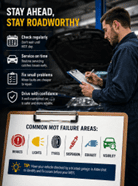
Preparation is the best way to avoid MOT failure. A few simple checks in the weeks leading up to your test can highlight potential issues and give you time to fix them. Start with the basics: lights, tyres, wipers, and fluid levels. These are easy to inspect yourself and cover many common failure points.
Book your vehicle in for a pre MOT check if you’re unsure about its condition. Many garages in Aldershot and surrounding areas offer this service, giving you a clear picture of what needs attention before the official test. This takes the guesswork out of preparation and can save you money on repairs.
Keep up with regular servicing throughout the year. Oil changes, brake checks, and component inspections catch wear and tear before it becomes a problem. A well maintained car is far more likely to sail through its MOT without issue.
Pay attention to warning signs like unusual noises, dashboard lights, changes in handling, or drops in performance. These often indicate faults that will show up during the test. Addressing them early keeps your car safe, reliable, and ready for its MOT.
What Happens If You Fail Your MOT?
If your car fails its MOT, you’ll receive a VT30 refusal certificate listing the faults found. These are categorised as dangerous, major, or minor. Dangerous and major faults must be fixed before you can legally drive the car on public roads, unless you’re driving directly to a pre-booked repair appointment.
You have the option to get the repairs done at the same garage or take the car elsewhere. Once the work is completed, you can return for a partial retest, usually at a reduced fee, within ten working days. Only the items that failed are checked again, so the process is quicker than a full test.
Minor faults don’t result in a failure but should still be addressed. They’re advisory notes highlighting areas that may need attention soon. Ignoring them can lead to bigger problems down the line, so it’s worth getting them sorted during your next service.
Failing an MOT isn’t the end of the world. Most issues are repairable, and once fixed, your car can be retested and back on the road quickly. The key is acting promptly and choosing a garage that communicates clearly and works efficiently.
Conclusion
MOT failures are common, but they’re rarely a surprise if you stay on top of your vehicle’s maintenance. Lighting faults, brake wear, suspension issues, tyre condition, and emissions problems account for the majority of failures, and most can be avoided with regular checks and servicing.
Understanding what typically goes wrong helps you prepare better and reduces the stress of test day. Simple habits like checking your lights, monitoring tyre tread, and listening for unusual noises make a real difference. If something doesn’t feel right, getting it looked at early prevents bigger, more expensive problems later.
Whether you’re in Aldershot, Fleet, Farnham, or anywhere in between, keeping your car in good condition isn’t just about passing the MOT. It’s about staying safe, avoiding breakdowns, and getting the most out of your vehicle for years to come.
Frequently Asked Questions
What is the most common reason for MOT failure?
Lighting and signalling faults are the most common reason for MOT failure. This includes issues like blown bulbs, faulty brake lights, indicators not working, or misaligned headlights. The good news is that most lighting problems are quick and inexpensive to fix, often requiring just a simple bulb replacement.
Can I drive my car if it fails the MOT?
If your car fails on dangerous or major faults, you cannot legally drive it on public roads unless you’re driving directly to a pre booked repair appointment. Your existing MOT certificate remains valid until its expiry date, so if your current MOT hasn’t run out yet, you can continue driving. However, it’s best to get the repairs done as soon as possible.
How much does it cost to fix common MOT failures?
Repair costs vary depending on the fault. Simple fixes like replacing bulbs or wiper blades cost just a few pounds, while brake pad replacement typically ranges from £50 to £150 per axle. More significant repairs like suspension work or exhaust replacement can cost several hundred pounds. Getting a clear quote before any work begins helps you budget accordingly.
How long do I have to fix my car after failing an MOT?
You can return for a partial retest within ten working days of the original test, usually at a reduced fee. During this time, only the failed items are rechecked. If you wait longer than ten days, you’ll need to book and pay for a full MOT test again.
Will my car fail its MOT for minor faults?
No, minor faults are recorded as advisories and won’t cause your car to fail. However, they highlight areas that may need attention soon. Addressing minor issues during your next service prevents them from becoming major problems that could lead to a failure next year.
Can regular servicing prevent MOT failure?
Yes, regular servicing significantly reduces the risk of MOT failure. Routine checks catch wear and tear early, ensuring components like brakes, tyres, lights, and suspension are in good condition. A well maintained car is far more likely to pass its MOT first time without any issues.
