

Dee Dee Gatton built her career in the kind of television newsrooms where polish only comes after repetition, pressure, and long days spent chasing facts before airtime. Viewers may know her from The National Desk, where she appears as a national news anchor and reporter, but her path to that seat did not begin on a national platform. It moved through local stations, state capitals, regional assignments, consumer stories, special projects, and years of learning how to make complicated events clear for ordinary viewers.
That is part of why people search for Dee Dee Gatton. They see a composed broadcast journalist on screen and want to know who she is, where she came from, whether she is married, what her career looked like before national news, and how much of the personal story behind the public face is actually known. The honest answer is that Gatton’s professional life is much better documented than her private life. Her career tells a clear story of steady newsroom growth, while details about her family, age, and relationships remain largely private or only partly verified.
Who Is Dee Dee Gatton?
Dee Dee Gatton is an American television journalist, anchor, and reporter best known for her work with The National Desk, the national news program associated with Sinclair Broadcast Group. She has been publicly identified as an evening anchor and reporter based in Washington, D.C., where her work reaches viewers across multiple markets. Before that national role, she built her resume in local newsrooms in Oregon, Arizona, Illinois, and North Carolina.
Her public profile is different from that of an entertainment celebrity or social media personality. Gatton is a working journalist, which means most reliable information about her comes from station bios, professional listings, newsroom clips, and career credits. That also means some of the most searched questions about her, including her exact age, salary, marriage, and net worth, cannot be answered with full certainty. A careful biography has to separate what is public record from what appears to be repeated speculation.
What is clear is that Gatton has worked across several parts of broadcast journalism. She has been an anchor, reporter, producer, and special projects journalist, with experience in both studio presentation and field reporting. Her career includes consumer issues, public safety, housing concerns, health care stories, government accountability, and broader national news. That range is one reason her professional story is stronger than the brief profile pages that reduce her to estimated numbers and personal-life questions.
Early Life and Family Background
Reliable public information about Dee Dee Gatton’s early life is limited. Some online profiles describe her as being from Washington, D.C., but the strongest public material about her focuses more on her education and career than on her childhood, parents, or siblings. That is not unusual for television journalists who keep their family lives separate from their public roles. Viewers may feel familiar with anchors because they appear in living rooms every evening, but that does not make every private detail public information.

Gatton has not built her public identity around family exposure. There are no widely established public records that clearly outline her parents’ names, siblings, childhood household, or early family circumstances. Because of that, any article that gives detailed family claims without strong support should be read carefully. A responsible profile should not turn unconfirmed details into biography simply because readers are curious.
What can be said with confidence is that Gatton’s later career suggests early strengths in language, presentation, and discipline. She went on to study English literature, a field that depends on close reading, writing, interpretation, and clarity. Those skills translate naturally into television news, where the ability to write clean copy under pressure can matter as much as on-camera confidence. Her professional path suggests someone who learned how to combine language skills with newsroom speed.
Education and First Ambitions
Dee Dee Gatton graduated from the College of William & Mary in Virginia with a degree in English literature. That detail matters because it gives useful context to her work as a journalist. English literature is not broadcast journalism in a narrow technical sense, but it trains students to read carefully, organize ideas, and understand how language shapes meaning. In television news, those skills can show up in the way a reporter writes scripts, frames questions, and explains difficult subjects to viewers.
The College of William & Mary has a long academic history, and Gatton’s education there placed her in a rigorous environment before she entered local news. A literature background also fits the less visible parts of broadcast work, including writing packages, editing copy, reviewing source material, and turning long interviews into concise stories. The public often sees only the anchor at the desk, but the job is built on words before it becomes a broadcast. A journalist who can write with control has an advantage in almost every newsroom role.
Her move into television suggests an early interest in communication that went beyond the page. Broadcast news requires a specific mix of writing, timing, visual judgment, and public presence. It also demands comfort with uncertainty because stories change quickly and deadlines do not wait for perfect conditions. Gatton’s later career shows that she was able to carry those skills from smaller markets into larger ones without losing the steady tone that defines her on-air work.
Early Career in Oregon Newsrooms
Gatton’s early broadcast career included work in Oregon, where she gained experience in smaller and mid-sized television markets. Public career summaries connect her to anchor and producer roles in Roseburg and Eugene. These early jobs are important because they are where many television journalists learn the practical demands of the business. Smaller markets often require reporters and anchors to handle more than one job, sometimes in the same day.
In a newsroom like that, a young journalist may write scripts, prepare a show, edit video, cover city meetings, conduct interviews, and anchor a broadcast within a short period of time. The workload can be intense, but it teaches habits that stay with a journalist for years. Accuracy, speed, flexibility, and calm under pressure are not abstract qualities in local news. They are daily survival skills.
Oregon gave Gatton the kind of foundation that is hard to replace. She learned how to work close to communities, where viewers may personally know the people and places in the stories. That closeness can make local journalism both rewarding and demanding. It also helps reporters understand that news is not only national politics or major disasters; it is rent, schools, roads, crime, weather, public meetings, health care, and the problems people bring to a station because they want someone to listen.
Moving Up: KPNX in Phoenix
After her Oregon work, Gatton moved into a larger television market at KPNX in Phoenix, Arizona. Phoenix is a major media market, and a role there represented an important step in her career. The station environment would have exposed her to a wider range of high-pressure stories, from public safety and state politics to extreme weather, immigration debates, education issues, and fast-moving breaking news. For any anchor or reporter, that kind of market tests both range and judgment.
Working in Phoenix also meant learning to serve a large and diverse audience. The region’s stories can shift quickly from local government to border-state policy questions, from summer heat emergencies to consumer investigations. A reporter has to understand the local context while keeping stories accessible to viewers who may be coming to an issue for the first time. That skill became more useful as Gatton’s career later moved toward national news.
Her time at KPNX also appears to have included writing and producing work, not only on-camera responsibilities. That distinction matters because television news is not just performance. Strong anchors often understand how the whole broadcast is built, from script structure to timing and story order. Gatton’s career shows the kind of newsroom progression that comes from knowing both the visible and less visible sides of the work.
Springfield, Illinois and Special Projects Work
Gatton later worked in Springfield, Illinois, where she became associated with WICS and FOX Illinois. Springfield is not just another local market; it is the state capital, which gives reporters direct access to state government, public agencies, lawmakers, and policy decisions. That setting can sharpen a journalist’s sense of accountability because many local stories have statewide consequences. It is a place where public records, agency responses, and legislative action can become daily reporting material.
Her Springfield chapter is often described as one of the more serious periods of her career. Public profiles have connected her work there to anchoring and special projects reporting, including coverage involving the Illinois Department of Children and Family Services. Reporting on child welfare is difficult because it often involves vulnerable children, grieving families, legal limits, and state agencies under public scrutiny. A journalist covering that beat has to be careful, persistent, and humane.
This period also brought professional recognition. Gatton has been credited in public profiles with awards including an Edward R. Murrow Award for documentary work and honors from the Illinois Associated Press. Awards do not tell the whole story of a journalist’s career, but they do signal that colleagues and judges recognized the quality of specific work. For Gatton, that recognition supports the view that she was not only reading news from a desk; she was also involved in reporting and producing work with depth.
WBTV in Charlotte
In 2020, Gatton joined WBTV in Charlotte, North Carolina, where she worked as an anchor and special projects reporter. The timing was significant because she arrived during a period when local newsrooms were dealing with the effects of the COVID-19 pandemic, economic strain, public health confusion, housing problems, and rising demand for consumer help. Local television became a practical service for many viewers who needed answers about nursing homes, workplaces, rent, public rules, and safety. Gatton’s work in Charlotte fit that audience-first role.
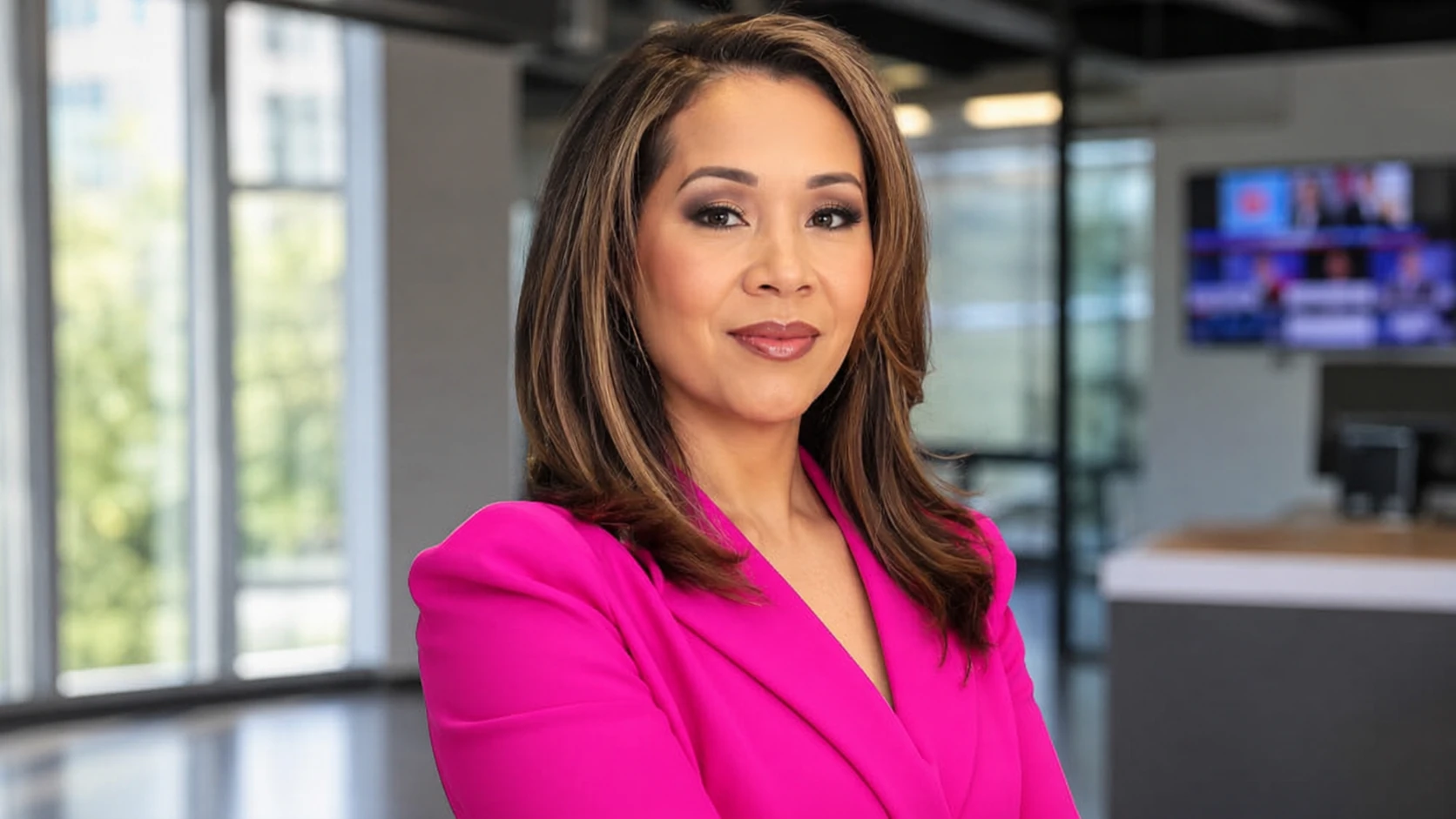
Her WBTV reporting was connected to stories that affected people directly. Publicly available clips and summaries have linked her to coverage of apartment mold complaints, consumer concerns, alleged racial profiling, and nursing home transfer issues during the pandemic. These are the kinds of stories that do not always dominate national headlines but can deeply affect families and communities. They require a reporter to listen closely, check documents, seek responses, and avoid reducing real people to dramatic segments.
Charlotte also gave Gatton another step toward a larger public profile. It is a strong local market with a demanding news audience and major regional issues, including growth, housing pressure, transportation, health care, education, and economic inequality. Working there required both polished anchoring and practical reporting instincts. Her time at WBTV helped show that her career could move between the studio and the field without depending on one role alone.
The National Desk and National Visibility
Gatton’s move to The National Desk brought her to a wider audience. The National Desk is a national news program that uses Sinclair’s large station network and national reporting operation to reach viewers across the country. In that role, Gatton has been identified as an anchor and reporter based in Washington, D.C. It marked a clear shift from local and regional broadcasting to a platform with national reach.
A national anchor role carries a different kind of responsibility. The audience is no longer tied to one city, county, or state, so stories must be framed in a way that makes sense across many communities. At the same time, the best national reporting often still depends on local consequences. Gatton’s years in local news likely helped her understand how national issues land in ordinary households.
Her role at The National Desk also reflects a larger change in American television news. Station groups have increasingly built national programming that connects local reporting with broader stories. Anchors in those settings need to move quickly across politics, crime, courts, health, weather, consumer news, and breaking developments. Gatton’s career path, with stops in several markets and roles, prepared her for that kind of varied daily news cycle.
On-Air Style and Professional Identity
Dee Dee Gatton’s on-air style is controlled, clear, and direct. She presents with the kind of calm delivery expected from an anchor handling serious stories, but her background as a reporter gives her work a grounded quality. Television news can look simple from the outside, yet it depends on timing, tone, and judgment. An anchor has to keep the broadcast moving while making sure viewers understand why the story matters.
Her professional identity is also shaped by language and cultural awareness. Public professional profiles have described her as fluent in Spanish and conversational in Tagalog. Those skills matter in journalism because they can expand who a reporter can speak with and how comfortably sources may tell their stories. They also reflect the broader value of newsrooms that can reach communities in more than one language.
Gatton has also been associated with professional journalism groups such as the Asian American Journalists Association and the National Association of Hispanic Journalists. Those memberships connect her to organizations that have long pushed for fairer representation, better newsroom access, and stronger coverage of communities often treated too narrowly in mainstream media. Membership alone does not define her work, but it adds context to her professional world. It shows that her career sits within a broader conversation about who gets to tell stories and how those stories are framed.
Awards and Career Recognition
Gatton’s career has been linked to several journalism honors, including an Edward R. Murrow Award for documentary work and recognition from the Illinois Associated Press. These honors are especially relevant because they fit the reporting side of her career, not just her on-air presence. Documentary and special projects work usually require more time, more sourcing, and more editorial care than routine daily coverage. They ask a journalist to stay with a subject long enough to explain it properly.
Recognition from professional journalism groups can help readers understand why Gatton’s career stands out. Many anchors have public visibility, but awards connected to reporting suggest that her work has been judged on substance as well as presentation. In local news, that often means a story had impact, strong production, or clear public value. It can also mean the journalist handled sensitive material with care.
Still, awards should be treated as one part of the story rather than the whole story. Most newsroom work is not glamorous, and much of it never wins prizes. Anchors and reporters spend countless hours rewriting scripts, checking facts, waiting for responses, managing live changes, and covering stories that disappear from public attention quickly. Gatton’s recognition matters, but so does the steady work behind the recognition.
Marriage, Family and Private Life
Dee Dee Gatton’s private life is not as publicly documented as her career. Some online biography pages make claims about her marital status, while others say she keeps her personal life private. The stronger and safer conclusion is that her marriage and family details are not clearly verified in widely reliable public sources. That means readers should be careful with sites that present private claims without showing where the information came from.
This caution is especially important because journalists often become public figures without choosing celebrity-style exposure. Gatton’s job places her on television, but that does not mean her spouse, children, parents, or home life are public property. Many anchors share some personal details on social media, while others keep a firmer boundary. Gatton appears to fall more toward the private side.
The public record supports a profile centered on her work rather than domestic speculation. That does not make her life less interesting; it simply means the confirmed story is professional. Her career has been visible across multiple newsrooms, while her family life has not been presented as part of her public brand. A fair biography should respect that difference.
Age, Height and Personal Details
Dee Dee Gatton’s exact age has not been confirmed through the strongest public records. Some profile sites offer age estimates, but many of those pages do not provide a clear birthdate or primary source. Because of that, it would be misleading to state a precise age as fact. The honest answer is that her date of birth is not widely verified.
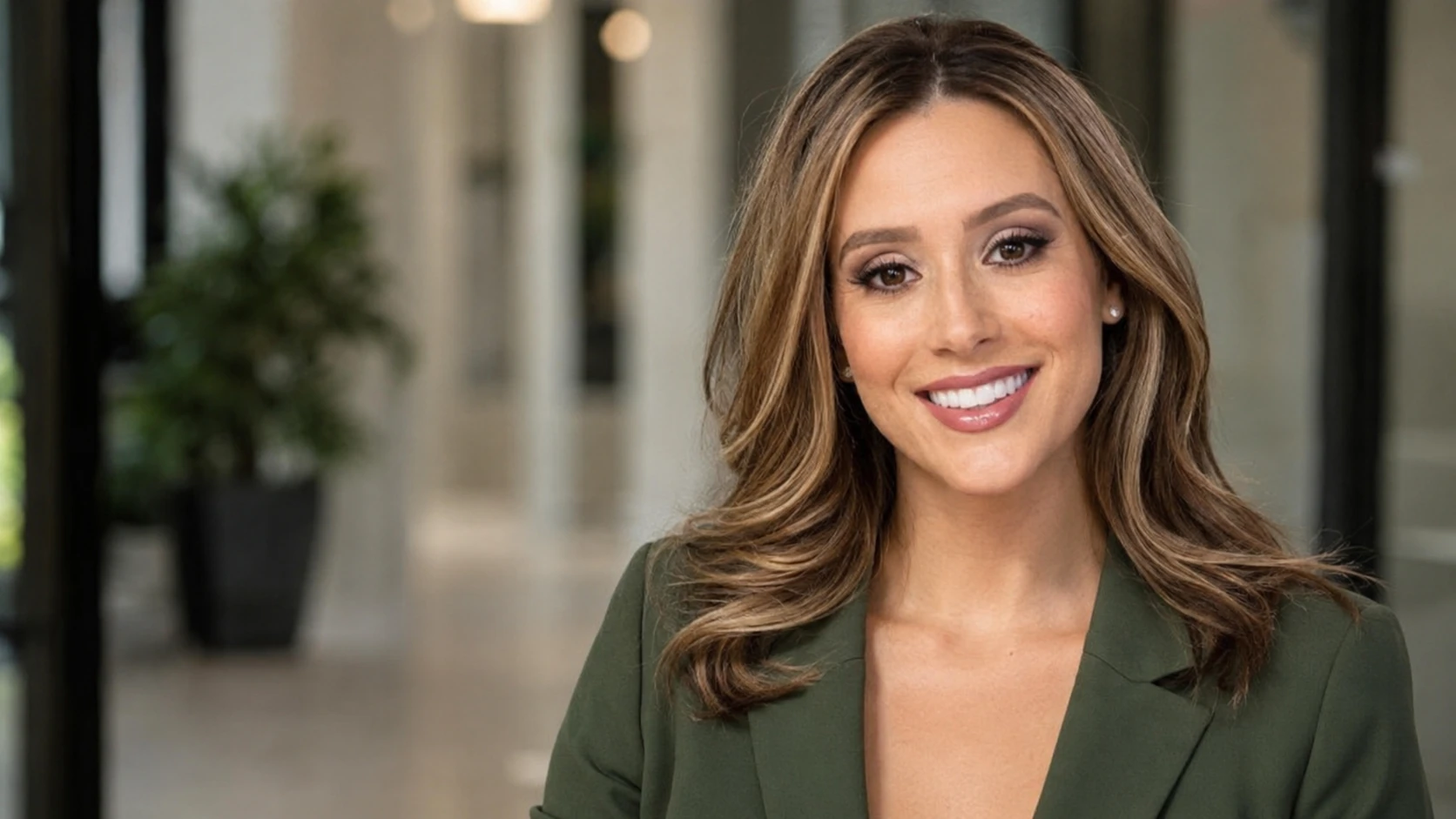
The same caution applies to height and other physical details. Some websites may list approximate measurements, but those details often circulate without reliable sourcing. For a journalist, those facts are also less relevant than education, career history, reporting work, and current role. Readers may search for them, but not every popular search deserves an overstated answer.
What can be said is that Gatton has maintained a professional public presence over many years in broadcast news. Her career timeline shows experience across several television markets and roles. That information gives a much clearer sense of her public life than an unsupported number about age or height. In a fact-checked profile, confirmed context matters more than thin trivia.
Salary and Estimated Net Worth
Dee Dee Gatton’s exact salary and net worth are not publicly verified. Some biography websites publish broad estimates, often placing television anchors within large income ranges, but those figures should be treated as estimates rather than confirmed facts. There is no public evidence that Gatton has disclosed her contracts, annual income, assets, or personal finances. Without that, any exact number would be guesswork.
Her income sources are likely tied mainly to her journalism career. She has worked as an anchor, reporter, producer, and special projects journalist across local and national television. Salaries in broadcast news vary widely based on market size, station ownership, contract terms, experience, job duties, and whether the role is local or national. A journalist in Washington, D.C., may earn differently from a journalist in Phoenix, Charlotte, Springfield, or Oregon, but even those comparisons cannot confirm one person’s finances.
The safest framing is that Gatton has built a stable professional career in television news, and that career likely provides her primary income. Any net worth estimate should be clearly labeled as speculative unless backed by direct financial records or a reliable disclosure. In her case, the public evidence supports professional success, not a precise personal fortune. Readers should be wary of profile pages that turn general salary assumptions into hard facts.
Public Image and Viewer Interest
Gatton’s public image is shaped by trust, presentation, and the familiarity that comes from regular news broadcasting. Anchors occupy a strange place in public life because viewers may see them often without knowing them personally. A calm voice during breaking news or a clear explanation during a difficult story can create a sense of connection. That connection explains why viewers often search for more about her after seeing her on screen.
Her appeal is not based on spectacle. It comes from professionalism, consistency, and the credibility associated with years in television news. Gatton’s career does not appear to be built around controversy or viral attention. Instead, it reflects a more traditional broadcast path, where experience is gained through market moves, newsroom work, and daily performance.
That traditional path can be easy to overlook in a media culture that rewards loud personalities. But it still matters because much of television journalism depends on people who can handle facts responsibly and keep viewers oriented. Gatton’s public presence fits that role. She is recognizable not because she has made herself the story, but because she has spent years telling other people’s stories.
Where Dee Dee Gatton Is Now
Dee Dee Gatton is currently best known for her role with The National Desk. Public professional information places her in Washington, D.C., where she works as an anchor and reporter for the national program. This role gives her a platform beyond the local stations where she built her earlier career. It also places her closer to the national political and news cycle that shapes many of the stories viewers follow daily.
Her current work reflects the direction of her career over time. She began in smaller markets, moved through larger regional newsrooms, handled special projects and anchoring roles, and eventually reached a national news platform. That progression is not accidental. It shows professional stamina and the ability to adapt as assignments, audiences, and newsroom formats changed.
For viewers who remember her from WBTV, WICS, KPNX, or Oregon stations, her National Desk role is the latest stage of a long climb. The exact details of any journalist’s role can shift as contracts and station needs change, so the most current confirmation usually comes from official program pages and active professional profiles. Still, the public record points clearly to Gatton as an active television journalist with a national audience. Her career remains defined by the work, not by the speculation around it.
Frequently Asked Questions
Who is Dee Dee Gatton?
Dee Dee Gatton is an American television news anchor and reporter best known for her work with The National Desk. She has also worked in local news markets including Oregon, Phoenix, Springfield, and Charlotte. Her career includes anchoring, reporting, producing, and special projects journalism.
She is widely searched because viewers recognize her from television and want to know more about her background. The most reliable information about her concerns her education and career history. Her private life is less publicly documented, so personal claims should be treated carefully unless confirmed by strong sources.
Where does Dee Dee Gatton work now?
Dee Dee Gatton is best known currently as an anchor and reporter for The National Desk in Washington, D.C. Her role there places her on a national platform after years of work in local and regional television news. The National Desk reaches viewers across multiple markets through Sinclair’s station network.
Her current public profile is tied to national news coverage rather than one local station. That said, television roles can change, so viewers should check official station or program pages for the latest updates. Based on the available public record, she remains associated with national news anchoring and reporting.
What is Dee Dee Gatton’s education?
Dee Dee Gatton studied at the College of William & Mary, where she earned a degree in English literature. That education fits naturally with a career in journalism because it emphasizes reading, writing, analysis, and clear communication. Those skills are useful in both reporting and anchoring.
Her academic background also helps explain the writing side of her career. Television journalists must often turn complicated information into scripts that viewers can understand quickly. A strong command of language is one of the less visible but most important parts of the job.
Is Dee Dee Gatton married?
Dee Dee Gatton’s marital status is not clearly confirmed through the strongest public information. Some online profiles make claims about her personal life, while others state that she keeps those details private. Because the evidence is not consistent or strongly sourced, it is best not to present any marriage claim as settled fact.
This is a common issue with online biographies of journalists. Personal details are often copied from site to site without clear sourcing. Unless Gatton herself or a reliable official source confirms the information, her relationship status should be treated as private.
How old is Dee Dee Gatton?
Dee Dee Gatton’s exact age is not publicly verified through the strongest available sources. Some websites offer estimates, but those estimates are not the same as a confirmed birthdate. A careful biography should avoid stating a precise age without reliable support.
What matters more for understanding her public life is her career timeline. She has worked across several markets and roles over many years. That record gives readers a clearer picture of her experience than an unsupported age claim.
What is Dee Dee Gatton’s net worth?
Dee Dee Gatton’s exact net worth is not publicly confirmed. Some websites publish estimated ranges, but those numbers appear speculative and should not be treated as verified financial facts. There is no widely available public record showing her personal assets, contract terms, or annual earnings.
Her income is most likely tied to her work in television journalism. She has held anchor and reporter roles in several markets, including a national news position. That supports the idea of a stable professional career, but it does not support a precise net worth figure.
What awards has Dee Dee Gatton won?
Public profiles have credited Dee Dee Gatton with journalism honors including an Edward R. Murrow Award for documentary work and recognition from the Illinois Associated Press. These honors are connected to her reporting and special projects work. They help show that her career includes substantive journalism beyond studio anchoring.
Awards are only part of the record, but they add useful context. They suggest that her work has been recognized within the industry for quality and impact. For viewers trying to understand her professional standing, that recognition matters more than unsupported personal-life claims.
Conclusion
Dee Dee Gatton’s story is the story of a journalist who moved steadily through the demanding ranks of American television news. She did not become known through a single viral moment or a celebrity platform. Her reputation came through local newsrooms, market moves, special projects, anchoring roles, and the daily discipline of explaining events to viewers.
The most reliable portrait of Gatton is professional rather than private. Her education, newsroom history, language skills, reporting experience, and national role can be described with much more confidence than her family life, exact age, or personal finances. That distinction matters because accuracy is part of respecting both the subject and the reader.
Her career also shows why local news experience still matters in national broadcasting. Reporters who have covered housing complaints, public agencies, health concerns, and community problems often bring practical understanding to wider stories. Gatton’s move from local markets to The National Desk reflects that kind of growth.
