
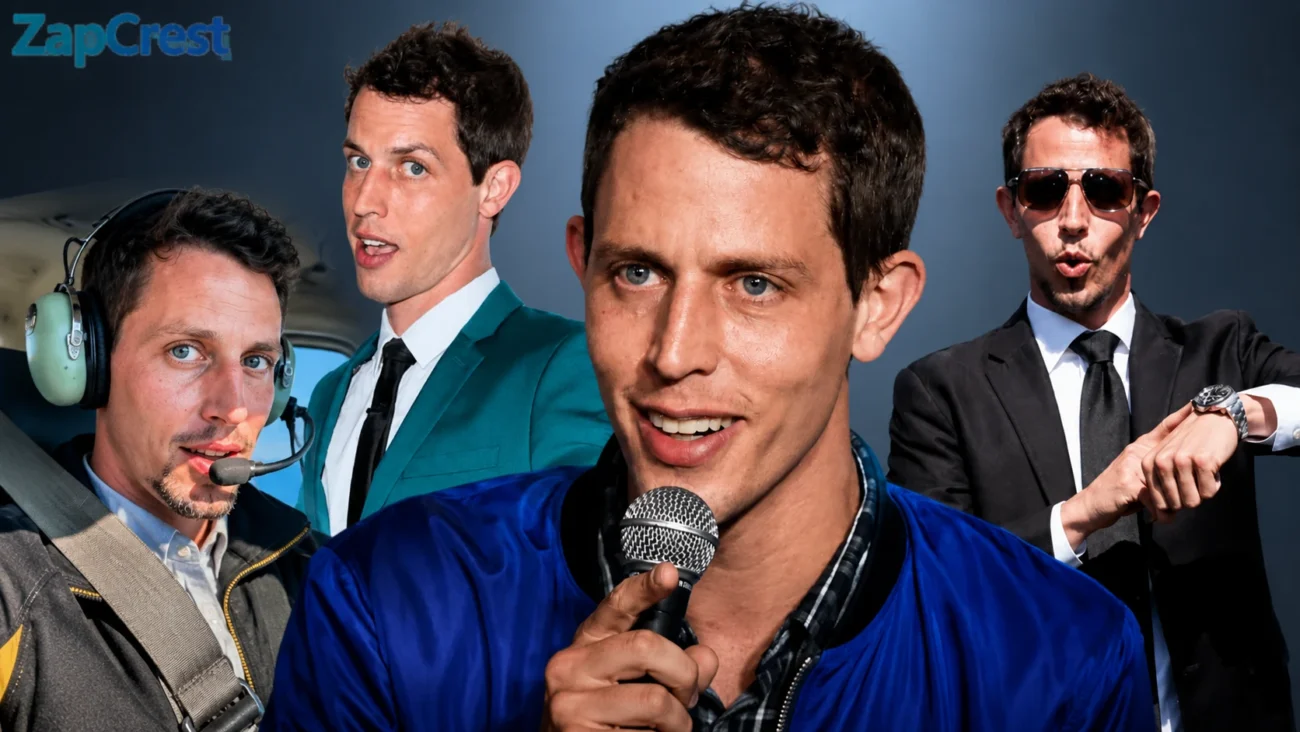
Tony Hinchcliffe built his career in the sharpest corner of American stand-up comedy. Known for roast writing, insult comedy, and the live podcast Kill Tony, he has turned a risky comic voice into a major entertainment business. Readers searching for Tony Hinchcliffe net worth usually want a clear answer, but the honest answer is that his exact fortune is not publicly confirmed. Based on his touring career, Netflix work, YouTube reach, live events, podcast income, and merchandise business, his net worth is best described as an estimated multi-million-dollar figure, likely in the low-to-mid seven figures.
Hinchcliffe’s money story matters because it shows how modern comedians can build wealth outside the old path of sitcoms and late-night television. His success comes from stand-up, but also from owning and hosting a repeatable comedy format that can travel, stream, clip, and sell tickets. That has made him one of the most visible names in podcast-era comedy.
Early Life and Background
Tony Hinchcliffe was born on June 8, 1984, in Youngstown, Ohio. He is American and grew up far from the Los Angeles comedy clubs and Austin podcast rooms that later shaped his career. Public profiles describe his early life in Youngstown as modest, and he has often been associated with a tough, working-class Ohio background.
Details about his family life are limited because Hinchcliffe has not made his private history the center of his public image. What is clear is that his comedy voice developed around defense, speed, and verbal confidence. Those traits later became central to his roast style, where timing and nerve matter as much as punchlines.
Education and First Steps in Comedy
Hinchcliffe attended Ursuline High School in Youngstown. After graduating, he eventually moved to Los Angeles in 2007 to pursue comedy. Like many young comics, he did not enter the business through instant fame. He started by being around clubs, taking small opportunities, and learning from working comedians.
His early years in Los Angeles were tied closely to The Comedy Store, one of the most important stand-up clubs in the United States. He worked there and became part of the club’s culture, which placed him near established comics, writers, and performers. That environment helped him sharpen the aggressive, joke-dense style that would later define his career.
Career Breakthrough
Hinchcliffe’s first major recognition came through roast comedy. He became known as a writer and performer with a gift for insult jokes, a specialty that connected him with Comedy Central roast projects and comics such as Jeff Ross. Roast comedy is a difficult lane because it depends on precision, confidence, and audience trust. Hinchcliffe leaned into that risk and made it part of his brand.
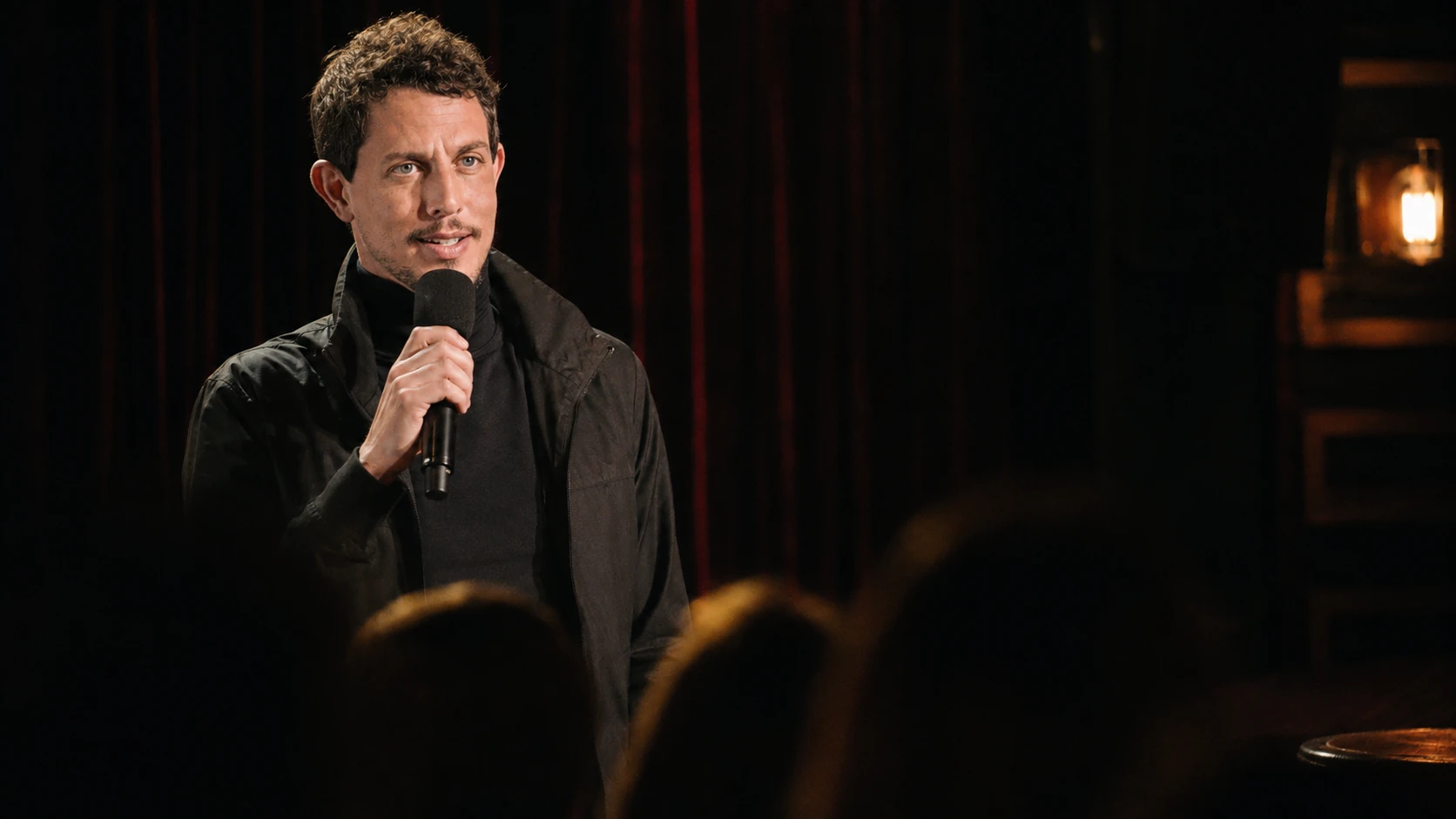
His 2016 Netflix special One Shot gave him wider exposure as a stand-up. The special was filmed in a continuous shot, which gave it a distinct format compared with standard comedy specials. It did not make him a mainstream household name on its own, but it gave him a major streaming credit and placed him among comics building national profiles through digital platforms.
Kill Tony and Public Recognition
The biggest turning point in Hinchcliffe’s career was Kill Tony, the live comedy podcast he began hosting in 2013 with Brian Redban. The format is simple but powerful: aspiring comedians put their names in a bucket, selected performers do one minute of stand-up, and Hinchcliffe and his guests respond with jokes, interviews, criticism, and occasional career-making praise.
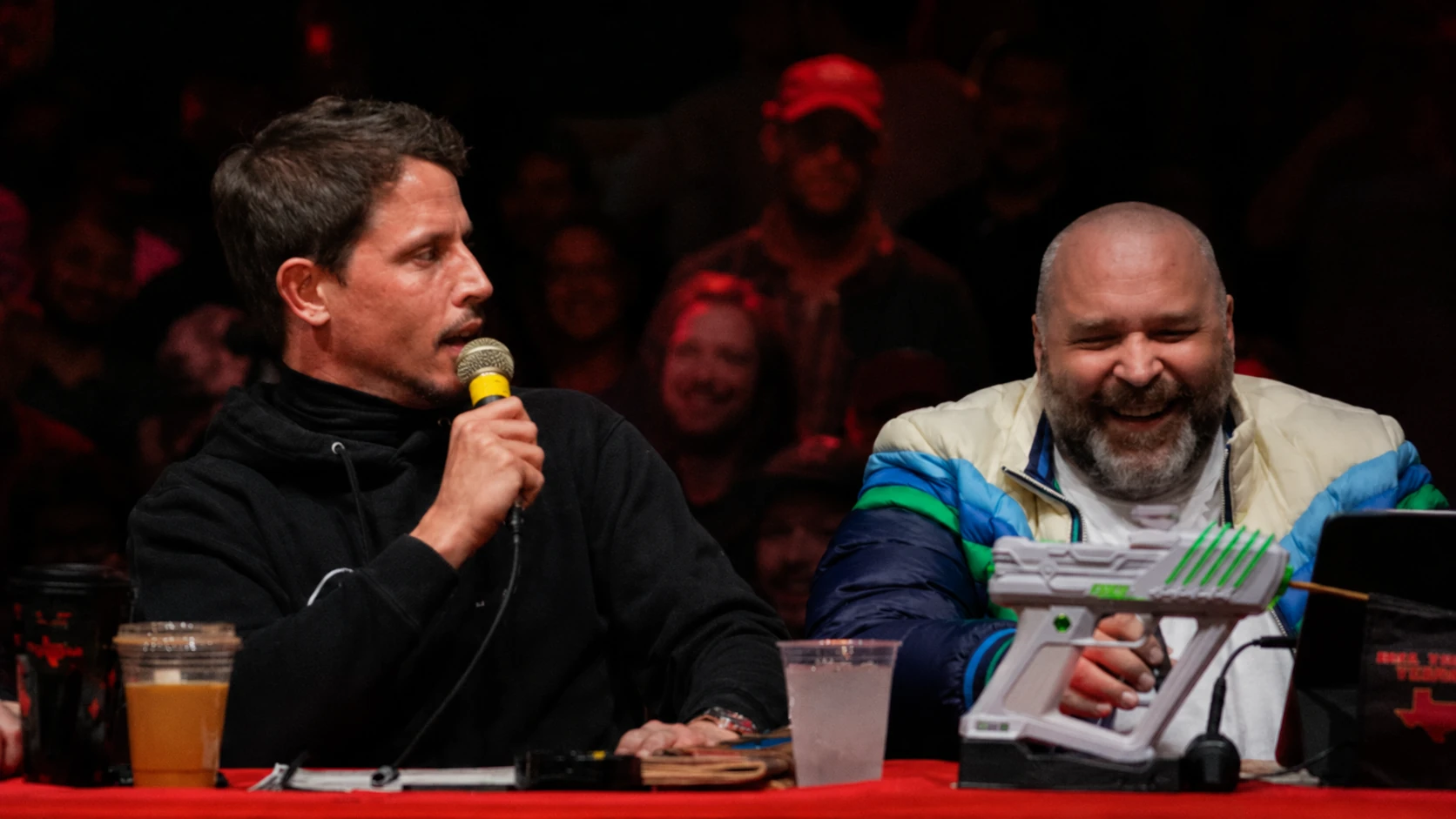
The show became more than a podcast. It developed into a weekly live event, a YouTube machine, and a proving ground for unknown comics. Its appeal comes from unpredictability. Every minute can produce a great joke, a strange interview, a brutal roast, or an awkward live moment that fans discuss afterward.
As Kill Tony grew, Hinchcliffe’s role expanded. He was no longer only a stand-up comic; he became the host and central personality of a comedy property. That shift is important to understanding his net worth. A stand-up act can sell tickets, but a show format can create live revenue, sponsorships, clips, merchandise, specials, and long-term brand value.
Tony Hinchcliffe Net Worth and Income Sources
Tony Hinchcliffe’s net worth is not publicly confirmed through financial records. Online estimates vary, and many give exact numbers without showing reliable proof. The most responsible estimate is that he is likely worth several million dollars, with a possible range in the low-to-mid seven figures.
His income likely comes from several sources. Stand-up touring remains a major part of his business, especially as his audience has grown beyond comedy clubs. Kill Tony live shows can play much larger rooms than a typical club set, and major venues increase earning potential even after production costs, venue fees, travel, staff, management, and taxes.
Podcast and YouTube income are also important. Kill Tony has built a large digital audience, and that reach can generate money through advertising, sponsorships, memberships, clips, and traffic sent toward live shows. Sponsorships can be especially valuable for podcasts with loyal fans, though exact deal amounts are private.
Netflix has also strengthened Hinchcliffe’s earning profile. He had the earlier special One Shot, appeared on Netflix’s live Roast of Tom Brady in 2024, and later became tied to Netflix Kill Tony specials and the 2026 stand-up special Tony Hinchcliffe: Man of the People. Streaming deals can pay well and raise a comedian’s market value, but the public does not know the exact contract terms.
Merchandise likely adds another income stream. A devoted comedy audience often buys shirts, posters, and event-related items, especially when a show has repeated jokes and a strong fan identity. Merchandise revenue can be meaningful, but it is also reduced by production, fulfillment, venue cuts, and partner splits.
Controversies and Career Setbacks
Hinchcliffe’s comedy style has always carried risk. His work is built around insult comedy, dark jokes, and fast verbal attacks. Fans see that as fearless and funny, while critics sometimes see it as cruel or offensive outside the controlled setting of a roast room.
In 2021, Hinchcliffe faced backlash after using an anti-Asian slur toward comedian Peng Dang in a recorded incident. Reports at the time said the fallout affected his representation and scheduled appearances. The episode showed that his style could carry real professional costs when a joke or insult moved beyond its original room and into wider public debate.
In 2024, he drew national criticism after jokes at Donald Trump’s Madison Square Garden rally, especially a remark about Puerto Rico. The backlash placed him inside a political news cycle rather than a normal comedy dispute. For some audiences, it damaged his public image; for others, it reinforced his identity as a comic who refuses to soften his act.
Those controversies complicate his business story. They may have closed some doors, especially with brands or audiences that avoid political and racial disputes. At the same time, his core fan base remained strong, and his Netflix and live-show profile continued to grow afterward. His career shows how modern comedy fame can survive criticism when a performer has a direct audience and a strong platform.
Marriage, Children, and Private Life
Tony Hinchcliffe’s relationship status and family life are not publicly confirmed in a detailed way. He has not built his career around marriage, children, or domestic publicity, and reliable public information about that part of his life is limited. Because of that, it is best to avoid claims about a spouse, children, or family arrangements unless they come from confirmed public sources.
His public identity is centered on comedy, touring, podcasting, and the Austin comedy scene. He appears to prefer keeping much of his private life separate from his work. That boundary is fair, especially for a performer whose public reputation is already shaped by a very loud stage persona.
Recent Work and Current Status
From 2024 through 2026, Hinchcliffe’s career entered one of its most visible periods. His appearance on The Roast of Tom Brady placed him in front of a large Netflix audience alongside major comedy names. The event matched his skill set because roast comedy has always been one of his strongest lanes.
The larger development was the expansion of Kill Tony into Netflix specials. That move signaled that the show had grown beyond YouTube and club audiences into a property with mainstream streaming value. It also showed how much demand exists for live, personality-driven comedy formats.
By 2026, Hinchcliffe was still closely associated with Austin, Texas, and the Comedy Mothership-centered comedy scene. Kill Tony continued to function as his main platform, while his solo stand-up career remained active through specials and touring. His current status is that of a successful but divisive comedy figure whose business has grown even as his public image remains polarizing.
Why Tony Hinchcliffe Matters
Hinchcliffe matters because he represents a new kind of comedian. He did not become famous mainly through a sitcom, a movie career, or traditional television hosting. He built a brand through live stand-up, podcasting, YouTube, roasts, and a fan community that returns week after week.
His career also shows the power of format. Kill Tony works because the structure is bigger than any single guest or episode. It creates pressure, surprise, and discovery in real time, which makes it easy to clip and easy to discuss. That kind of format can turn a comedian into a producer, host, and business operator.
His story also raises questions about comedy, offense, and career risk. Hinchcliffe’s sharp style has brought him fans, money, and influence, but it has also brought backlash. That tension is part of why people continue to search for him, watch him, criticize him, and debate his place in comedy.
Frequently Asked Questions
What is Tony Hinchcliffe’s net worth?
Tony Hinchcliffe’s exact net worth is not publicly confirmed. A careful estimate places him in the multi-million-dollar range, likely in the low-to-mid seven figures, based on touring, Kill Tony, YouTube, Netflix work, sponsorships, and merchandise.
How does Tony Hinchcliffe make money?
He makes money through stand-up shows, Kill Tony live events, podcast and YouTube revenue, sponsorships, merchandise, Netflix specials, and comedy appearances. His most valuable career asset appears to be Kill Tony, because it creates steady content and live-event demand.
How old is Tony Hinchcliffe?
Tony Hinchcliffe was born on June 8, 1984. He is 42 years old as of 2026. His birthplace is Youngstown, Ohio.
Is Tony Hinchcliffe married?
Tony Hinchcliffe’s current marital status is not publicly confirmed in reliable detail. He keeps his private life separate from his public comedy career, so claims about his spouse or children should be treated carefully unless clearly verified.
What is Kill Tony?
Kill Tony is a live comedy podcast hosted by Tony Hinchcliffe with Brian Redban. Comedians are selected from a bucket to perform one minute of stand-up, then Hinchcliffe and guests interview and roast them. The show has become a major comedy platform with live events, YouTube reach, and Netflix specials.
Why is Tony Hinchcliffe controversial?
He is controversial because his comedy often uses insult, dark humor, and aggressive roast-style jokes. He has faced public backlash for remarks involving race and politics, including a 2021 incident involving comedian Peng Dang and a 2024 controversy tied to Donald Trump’s Madison Square Garden rally.
Is Tony Hinchcliffe still active?
Yes. As of 2026, Hinchcliffe remains active as a stand-up comedian, podcast host, and live-event performer. His work with Kill Tony and Netflix has kept him highly visible in modern comedy.
Conclusion
Tony Hinchcliffe’s net worth cannot be stated with exact certainty, but his career clearly supports the view that he has become a multi-million-dollar comedy figure. His money comes not from one role or one special, but from a full ecosystem built around stand-up, podcasting, live events, streaming, and a loyal fan base.
His life story is also a story about timing. He came up through traditional comedy rooms, then found his biggest success in the digital era. Kill Tony gave him a platform that could grow weekly, travel nationally, and reach viewers far beyond the club where it began.
Hinchcliffe remains a polarizing performer. His fans value his speed, confidence, and refusal to soften his style. His critics see the same qualities as the source of his worst public moments. Both views help explain why he remains so widely discussed.
The most grounded way to understand Tony Hinchcliffe is as a comedian who turned a dangerous comic voice into a durable business. His reputation may always divide audiences, but his place in podcast-era stand-up is already secure.
