
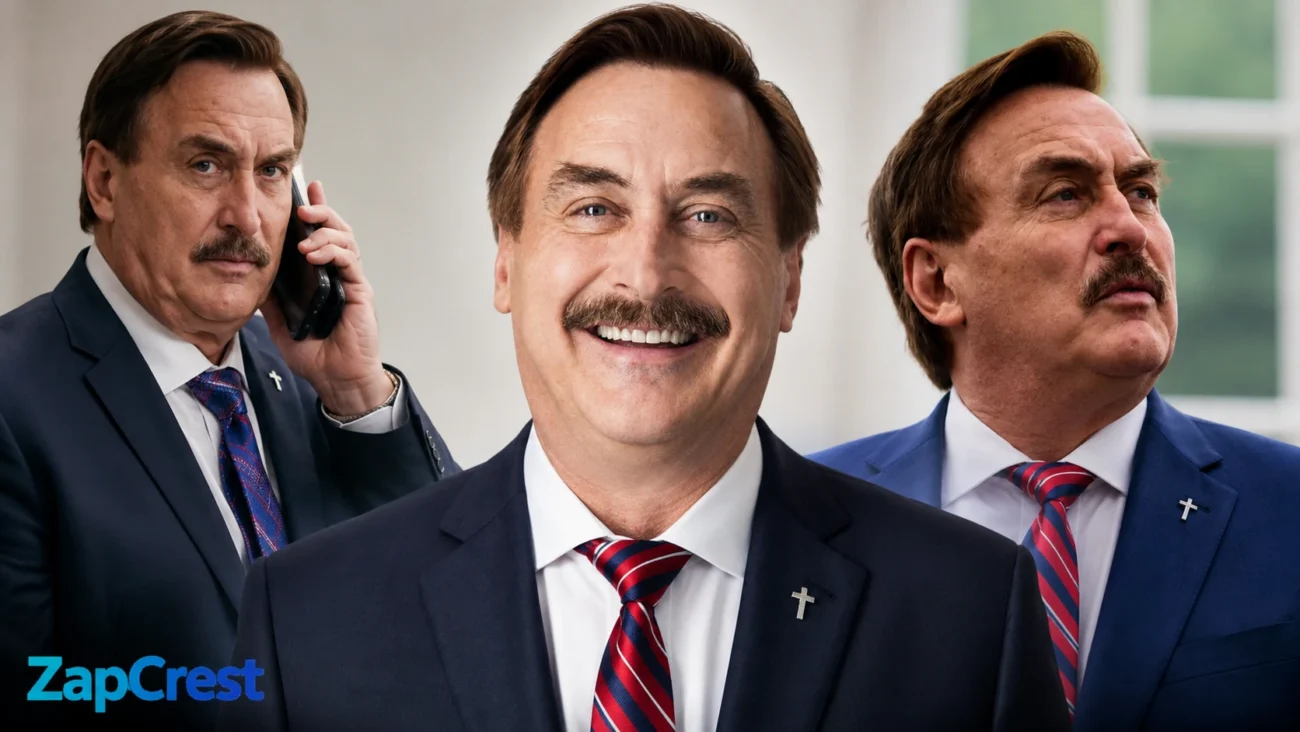
Mike Lindell built one of America’s most recognizable direct-response brands by putting his own face, voice, and recovery story at the center of MyPillow. For years, he was known mainly as the enthusiastic founder in television ads promising better sleep. Later, he became a national political figure, a major Trump ally, and the subject of costly defamation lawsuits tied to his false claims about the 2020 presidential election. That shift changed the way people discuss his fortune, because Mike Lindell’s net worth is no longer a simple business-success story. It is now tied to MyPillow’s rise, legal battles, lost retail relationships, unpaid bills, and his own public statements that he has been financially drained.
The most accurate answer is that Mike Lindell’s current net worth is not publicly confirmed. Older estimates placed him in the category of a very wealthy entrepreneur, sometimes claiming he was worth tens or even hundreds of millions of dollars at his peak. More recent reporting has pointed to serious financial stress, including lawsuits, legal debts, business disputes, and Lindell’s own claims that he has little or no money left. Because MyPillow is privately held and Lindell’s personal finances are not fully public, any exact net worth figure should be treated as an estimate rather than a verified fact.
Early Life and Family
Mike Lindell, whose full name is Michael James Lindell, was born on June 28, 1961, in Mankato, Minnesota. He grew up in Minnesota and has long presented his life story as one of hardship, addiction, recovery, and entrepreneurship. His public image has always been closely tied to that personal journey, especially because he used it as part of MyPillow’s brand story.
Lindell has spoken openly about struggles with addiction before he became sober. Those experiences became central to the way he introduced himself to customers and later to political audiences. Rather than presenting himself as a polished corporate executive, he built a public persona around being a self-made businessman who survived personal collapse and rebuilt his life.
His family life has been partly public, though not every detail is confirmed. Lindell has been married more than once and has children, but he generally keeps many personal family details away from the business and political spotlight. His most public identity remains professional: founder of MyPillow, conservative activist, media personality, and political candidate.
Education and Early Work
Lindell did not follow a traditional corporate path into business. Before MyPillow, he worked in several small ventures and service jobs. Public accounts of his early career include bars, carpet cleaning, and other entrepreneurial attempts before he found the product that made him famous.
That irregular path shaped how he later marketed himself. Lindell did not build MyPillow as a faceless bedding company. He built it around a personal promise: that he had created a product from experience, persistence, and belief rather than from boardroom strategy.
His early years also gave him the recovery story that became part of his public identity. Whether admired or criticized, Lindell has been unusually personal for a consumer-product founder. His life story and brand story became hard to separate.
Founding MyPillow
Lindell founded MyPillow in the 2000s after developing a pillow made with shredded foam fill. The product was marketed as adjustable, supportive, and different from standard pillows. At first, the company’s growth came through direct sales, demonstrations, and Lindell’s persistence as a promoter.

The breakthrough came when MyPillow became a direct-response advertising success. Television commercials, infomercials, discount codes, and Lindell’s own on-camera appearances turned the company into a familiar name. Viewers did not just know the product; they knew the founder’s face.
MyPillow later expanded beyond pillows into other bedding and home products. The company sold through its own channels and also reached major retailers. At its commercial peak, MyPillow appeared to be one of the more successful personality-driven consumer brands in the United States.
Career Breakthrough and Public Recognition
Lindell’s major breakthrough was not a single store opening or product launch. It was the moment MyPillow became a national advertising brand. The company’s ads were repetitive, direct, and built around Lindell’s personal enthusiasm, which made him both a salesman and a celebrity entrepreneur.
His style worked because it felt unusually personal for a bedding product. Lindell spoke directly to viewers, offered promotional codes, and framed the pillow as a life-improving purchase. The approach fit the world of direct-response television, where trust, repetition, and founder credibility can matter as much as traditional retail branding.
By the 2010s, Lindell was widely recognized as “the MyPillow guy.” That phrase helped the company but also boxed him into a public role. When his political activity later became controversial, the same founder-centered branding that helped sell pillows made the company vulnerable to backlash.
Mike Lindell Net Worth and Income Sources
Mike Lindell’s net worth is difficult to calculate because his wealth has been tied mainly to MyPillow, a private company that does not release full public financial statements. His income has likely come from company profits, product sales, licensing, public appearances, books, media ventures, and related business activity. Still, the value of those income sources has changed sharply in recent years.
During MyPillow’s strongest period, Lindell was widely considered a multimillionaire. Some online estimates placed his peak wealth at $100 million or more, but those figures are not officially verified. They appear to be based on assumptions about MyPillow’s revenue, brand value, and Lindell’s ownership, not on audited personal financial disclosures.
More recent evidence points to a much weaker financial position. Lindell has publicly said he has spent large sums on election-related efforts and legal defenses. Reports have also described unpaid legal bills, vendor disputes, warehouse rent problems, and lawsuits involving MyPillow. Because debts and liabilities reduce net worth, older estimates are no longer reliable.
The fairest current description is that Lindell’s net worth is unknown but appears to have fallen dramatically from earlier estimates. Claims that he is still worth tens or hundreds of millions should be treated with caution. Claims that he is worth exactly zero are also estimates unless supported by full financial records.
Political Turn and Public Controversy
Lindell became a prominent supporter of Donald Trump and grew more politically active during and after Trump’s presidency. His political identity became especially visible after the 2020 presidential election, when he promoted false claims that voting systems and election fraud had changed the result. Those claims were rejected by courts, election officials, and many independent reviews.
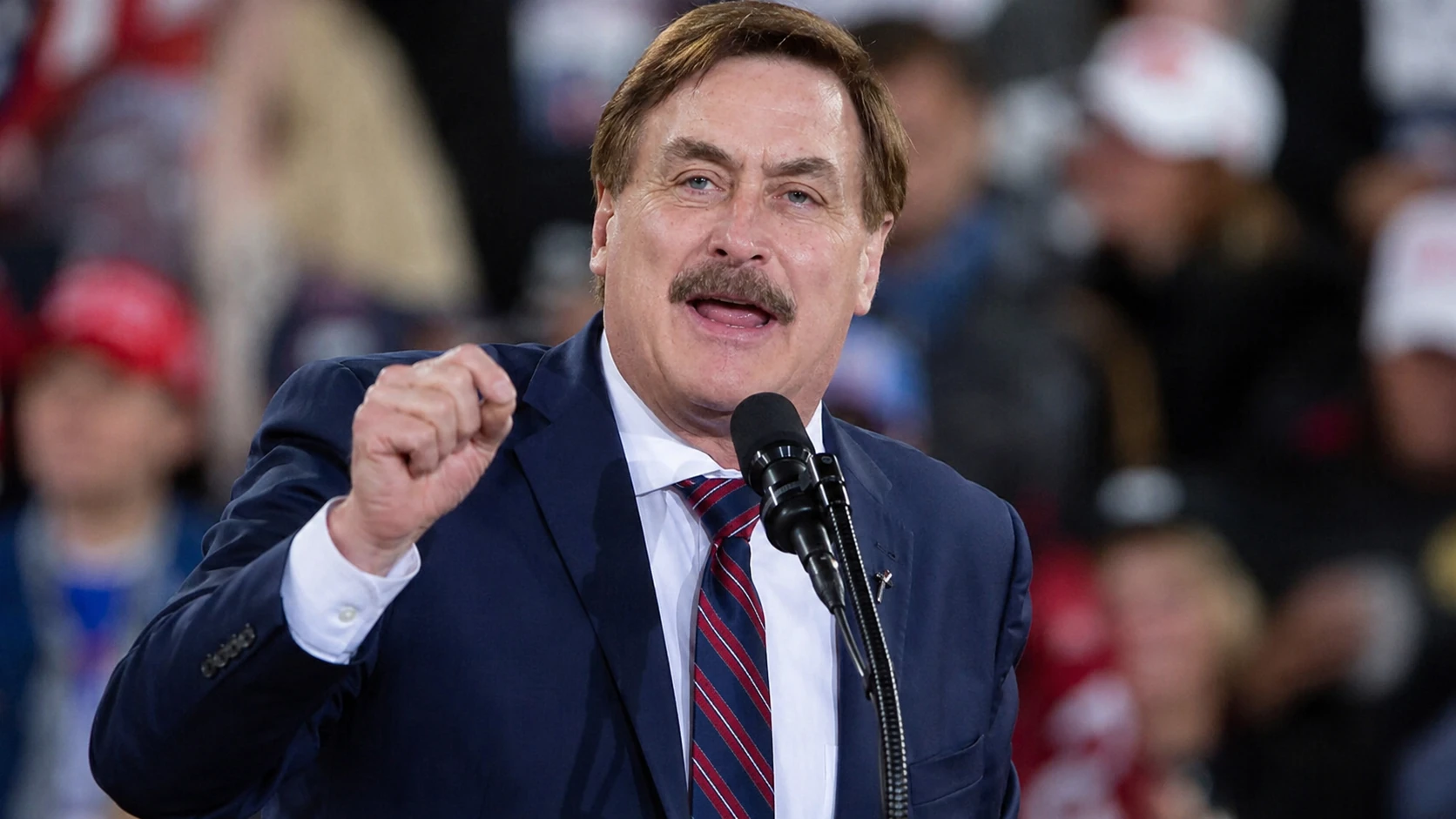
His activism changed his public reputation. Supporters saw him as a loyal figure fighting for what he believed. Critics saw him as a businessman spreading falsehoods that harmed public trust and targeted election workers and voting-technology companies.
The consequences reached his business. Some retailers stopped carrying MyPillow products, while Lindell said political pressure played a role. Retailers and reports often pointed to sales performance, controversy, or business considerations. Whatever the cause, the loss of major retail channels created real pressure for a company that had already become closely tied to its founder’s public image.
Lawsuits, Legal Costs and Financial Pressure
The most serious pressure on Lindell’s finances has come from defamation litigation. Dominion Voting Systems sued Lindell and MyPillow for $1.3 billion, accusing him of making false claims about the company after the 2020 election. Smartmatic also filed legal claims against him related to similar election statements.

A lawsuit demand is not the same as a final judgment, but defending major defamation cases can be extremely expensive. Lindell’s lawyers have at times sought to withdraw from cases, citing unpaid legal fees. Lindell has publicly said that the legal battles and related spending left him financially ruined.
In 2025, a federal jury found Lindell and his FrankSpeech platform liable for defaming Eric Coomer, a former Dominion employee, and ordered them to pay $2.3 million. MyPillow itself was not held liable in that verdict, but the judgment added another serious financial burden. Lindell said he planned to appeal, which may affect timing and final payment, but appeals also create additional costs.
MyPillow’s Business Challenges
MyPillow continues to operate, but the company has faced public signs of strain. Reports have described disputes over unpaid shipping bills, rent issues, and vendor claims. These problems matter because a company’s value depends not only on sales but also on its debts, cash flow, reputation, and ability to pay suppliers.
The loss of retail partners also changed the company’s path. A brand that once benefited from broad store placement became more dependent on direct sales and a politically loyal customer base. That can still produce revenue, but it often narrows the market.
Lindell’s situation shows the risk of a founder-led brand. His personality helped MyPillow stand out, but it also meant his legal and political controversies affected the company directly. For many customers, buying or avoiding MyPillow became linked to opinions about Lindell himself.
Marriage, Children and Private Life
Lindell’s personal relationships have been discussed publicly at times, but his private family life is not as central to his public career as his business and politics. He has children, and public accounts have described previous marriages. Details about his current private life should be handled carefully because not every claim circulating online is confirmed.
His recovery from addiction is one of the most public personal themes in his biography. Lindell has often spoken about sobriety and second chances, and that story helped build his connection with supporters. It also explains why many people who follow him see him not only as a businessman but as a symbol of personal redemption.
That personal narrative remains part of his appeal, even among people who disagree with his politics. Lindell’s story includes genuine entrepreneurial persistence. It also includes later decisions that brought major legal and financial consequences.
Recent Work and Current Status
In recent years, Lindell has remained active through MyPillow, conservative media, election-related advocacy, and politics. He has continued to defend his claims about the 2020 election despite repeated legal setbacks and criticism. His public appearances often mix business promotion, political messaging, and attacks on the legal cases against him.
He also entered the 2026 Minnesota governor’s race as a Republican. That move placed his business record and financial condition under renewed scrutiny. Voters are likely to look not only at his policy views but also at how his company, lawsuits, and public statements reflect his judgment.
As of 2026, Lindell remains a highly polarizing figure. He is admired by supporters for persistence, faith, recovery, and loyalty to Trump. He is criticized by others for spreading false election claims and turning a successful consumer brand into a vehicle for political conflict.
Frequently Asked Questions
What is Mike Lindell’s net worth?
Mike Lindell’s exact net worth is not publicly confirmed. Older estimates placed him among wealthy entrepreneurs, but recent lawsuits, business debts, lost retail relationships, and his own statements suggest his fortune has declined sharply.
Was Mike Lindell ever a millionaire?
Yes, Lindell was widely described as a millionaire during MyPillow’s strongest years. The company became a major direct-response brand, and its success likely created substantial wealth for him. The exact peak of his fortune is not verified.
How did Mike Lindell make his money?
Lindell made most of his money through MyPillow. The company sold pillows, bedding, and other home products through television advertising, direct sales, online channels, and retail partnerships.
Is Mike Lindell bankrupt?
There is no confirmed public record here showing that Lindell has been legally declared personally bankrupt. He has said he is out of money, but being financially distressed is not the same as a formal bankruptcy filing.
Does Mike Lindell still own MyPillow?
Lindell is still publicly known as the founder and CEO of MyPillow. The company continues to operate, though it has faced reported business and legal challenges.
Why did Mike Lindell’s net worth fall?
His apparent financial decline is tied to legal costs, defamation lawsuits, business disputes, lost retail relationships, and heavy spending on election-related efforts. The exact amount of the decline is not publicly confirmed.
Is Mike Lindell running for office?
Yes, Lindell entered the 2026 Minnesota governor’s race as a Republican. His campaign has made his business record, political activism, and financial condition part of the public conversation again.
Conclusion
Mike Lindell’s story is unusual because his fortune was built through a deeply personal brand. MyPillow succeeded partly because customers felt they knew the man behind the product. That same visibility later made his business vulnerable when his political activism became controversial.
The best answer to “Mike Lindell net worth” is not a neat number. His wealth was once believed to be substantial, but current public evidence points to major financial strain. Without full financial disclosures, no exact figure can be stated with confidence.
Lindell remains a recognizable businessman, activist, and political candidate. His public place now depends on more than MyPillow sales. It depends on legal outcomes, voter response, business recovery, and whether his personal brand can survive the costs of the battles he chose.
His biography is ultimately a story of reinvention, success, risk, and consequence. Whether readers see him as a survivor, a controversial activist, or a cautionary business figure, his rise and financial troubles show how quickly fame, politics, and money can become inseparable.
