
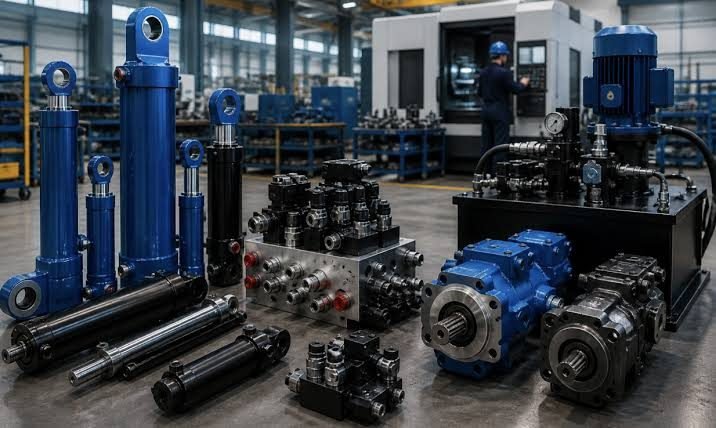
Industrial pump purchasing is rarely a simple catalogue exercise. A buyer may start with a capacity target, a pipe size, or a failed unit that needs to be replaced quickly, but the final decision affects maintenance routines, energy use, production continuity, and the cost of downtime. That is why many operations teams now treat pump sourcing as a structured risk decision rather than a one-line purchase order. The most useful supplier conversations begin with clear service conditions, realistic operating data, and an honest view of what will happen after installation.
This article looks at procurement security, specification control, vendor comparison, and project documentation. It is written for facility managers, purchasing teams, contractors, and plant engineers who need to choose industrial pump suppliers without creating avoidable long-term problems. A well-run sourcing process does not need to be slow, but it does need to be specific. The more clearly a buyer describes flow, head, fluid condition, working hours, installation constraints, and documentation needs, the easier it becomes to separate a dependable offer from a cheap but risky one.
Start With the Operating Problem, Not the Catalogue Name
Many pump projects go wrong because the team starts with a product label instead of the operating problem. A pump may be called centrifugal, slurry, split case, drainage, booster, or process duty, but the label alone does not explain what the system is asking the equipment to survive. Before comparing suppliers, the buyer should describe the liquid, the expected solids content, suction conditions, temperature, corrosion risk, working cycle, required pressure, and the consequences of failure. Even a short written description can prevent a supplier from recommending a unit that looks correct on paper but struggles in the real system.
For example, a clean-water transfer task in a commercial building is very different from moving abrasive slurry in a mining or manufacturing process. Both may involve rotating equipment and similar motor sizes, but the wear surfaces, seal choice, bearing load, and maintenance expectations are not the same. A buyer who only asks for the lowest price may receive a technically incomplete quotation. A buyer who explains the operating problem gives the supplier a chance to propose the right construction, material, and performance range.
Build a Minimum Data Pack Before Requesting Prices
A practical request for quotation should include more than a target flow rate. The minimum data pack should list flow, head, liquid type, temperature range, solids content if relevant, inlet and outlet conditions, available power, preferred materials, installation orientation, and any standards or test requirements. If the pump is replacing an existing unit, photos of the nameplate, base, piping layout, and failed components can save days of back-and-forth. Buyers should also note whether the supplier must provide drawings, curves, motor details, spare parts lists, and installation guidance.
Teams that need a broad manufacturing partner can start by reviewing the capability range of a BBP industrial pump manufacturer. That gives the buyer a clearer starting point for questions about pump families, manufacturing support, engineering review, and spare parts planning. Teams comparing duty points can also review industrial slurry pump configurations when the application calls for a narrower pump family instead of a broad supplier overview.
Check Whether the Supplier Understands Failure Modes
A serious pump supplier should be able to discuss common failure modes in plain language. Cavitation, dry running, seal leakage, abrasive wear, vibration, bearing overheating, and motor overload are not abstract engineering terms; they are real causes of downtime. When a supplier only repeats catalogue specifications, the buyer should ask how the proposed design reduces the most likely failure risks in the actual application. The answer should connect the pump design to the service conditions, not simply promise that the unit is strong or durable.
Maintenance teams can also ask what inspection interval is realistic after startup. Some applications need only routine checks, while others require closer monitoring during the first weeks of operation. A good supplier will not treat maintenance as an afterthought. They will explain which parts normally wear first, what spare parts should be kept on site, and what symptoms indicate that the pump is operating outside its intended range.
Compare Quotations by Scope, Not Just Price
Low pricing can be useful, but only when the quotation scope is complete. A cheaper offer may exclude the motor, base, coupling, guard, installation accessories, testing, documentation, or packaging for export. Another supplier may quote a higher number but include performance testing, drawings, and a clearer spare parts plan. The buyer should normalize each offer before comparing prices. Without that step, the cheapest quotation can become the most expensive option after add-ons, delays, and rework are counted.
A simple comparison table can help. List the quoted model, materials, duty point, efficiency estimate, motor power, seal type, included accessories, delivery time, payment terms, warranty terms, documentation, and recommended spare parts. If the supplier cannot provide these basics, the purchasing team should pause before committing. Missing data at the quotation stage often becomes a bigger problem during installation or after the first breakdown.
Look for Evidence of Manufacturing and Support Capacity
Industrial buyers often focus on the sales contact, but support capacity matters just as much. A supplier should be able to explain how the pump is manufactured, inspected, packed, and supported after delivery. For custom or semi-custom orders, the buyer should ask about drawing approval, material confirmation, production schedule, inspection points, and how changes are handled. If the project is time-sensitive, the buyer should also ask which details could delay production and which parts are available from stock.
Support capacity is especially important for overseas purchases. Time zones, shipping windows, customs documents, and spare part availability can affect project timing. Buyers should request clear documentation before final payment, including packing lists, commercial invoices, test information where applicable, and installation notes. These details may seem routine, but they reduce uncertainty when the equipment reaches the site.
Plan for Installation Before the Pump Ships
Many pump problems begin outside the pump itself. Poor alignment, weak foundations, incorrect pipe support, restricted suction, undersized valves, or unplanned operating conditions can shorten service life. The supplier and buyer should review the installation environment before shipment, especially when the pump is large, heavy, or connected to a critical process. A few early questions can prevent expensive site modifications later.
Project teams should confirm available space, lifting access, foundation design, piping direction, electrical requirements, and whether the existing system can support the proposed unit. If the pump is replacing older equipment, the team should decide whether the goal is exact replacement, improved performance, easier maintenance, or a system upgrade. These goals lead to different supplier conversations and different cost expectations.
Use Documentation as a Quality Signal
Documentation quality is a useful signal because it shows how seriously the supplier treats technical communication. Clear curves, drawings, material descriptions, operating notes, and spare parts references make it easier for the buyer to review the offer internally. Poor documentation may not always mean poor equipment, but it does create risk. If a plant engineer cannot understand the basis of selection, the purchasing team should not treat the offer as ready.
Good documentation also helps after installation. Maintenance staff may change, and the person who approved the original purchase may not be available when the first service interval arrives. A well-organized technical file gives the next team enough information to order parts, review the duty point, and troubleshoot abnormal operation. That continuity is valuable for any site that wants to reduce unplanned downtime.
Think Beyond the First Order
The best supplier relationship is not built only around one order. If a facility expects future replacements, expansions, or spare part needs, it should evaluate whether the supplier can support repeat business. Consistency in drawings, model references, parts, and communication can reduce the workload for every future project. A buyer should ask whether the supplier can keep records, recommend stocked spares, and support technical questions after delivery.
This does not mean every purchase requires a large framework agreement. It simply means that the buyer should avoid treating critical equipment as a disposable commodity. A pump that supports production, water movement, cooling, wastewater, or process circulation has operational value far beyond its purchase price. The supplier should understand that value and help the buyer protect it.
Final Thoughts
Choosing an industrial pump supplier is a practical exercise in risk control. The right process starts with the operating problem, moves through a complete data pack, compares quotations by scope, and checks whether the supplier can support the equipment after shipment. Price remains important, but it should not be the only decision point. A low quote that ignores service conditions, documentation, and maintenance realities can cost more than a better-supported offer.
A useful next step is to turn the questions in this article into a one-page checklist before requesting prices. That checklist should travel with the quotation, the approval notes, and the installation file, so every stakeholder can see why the supplier was selected.
When teams approach pump procurement with clear requirements and realistic questions, they make better technical decisions and reduce avoidable downtime. That discipline is useful whether the project involves one replacement pump or a broader equipment plan across several facilities.
