
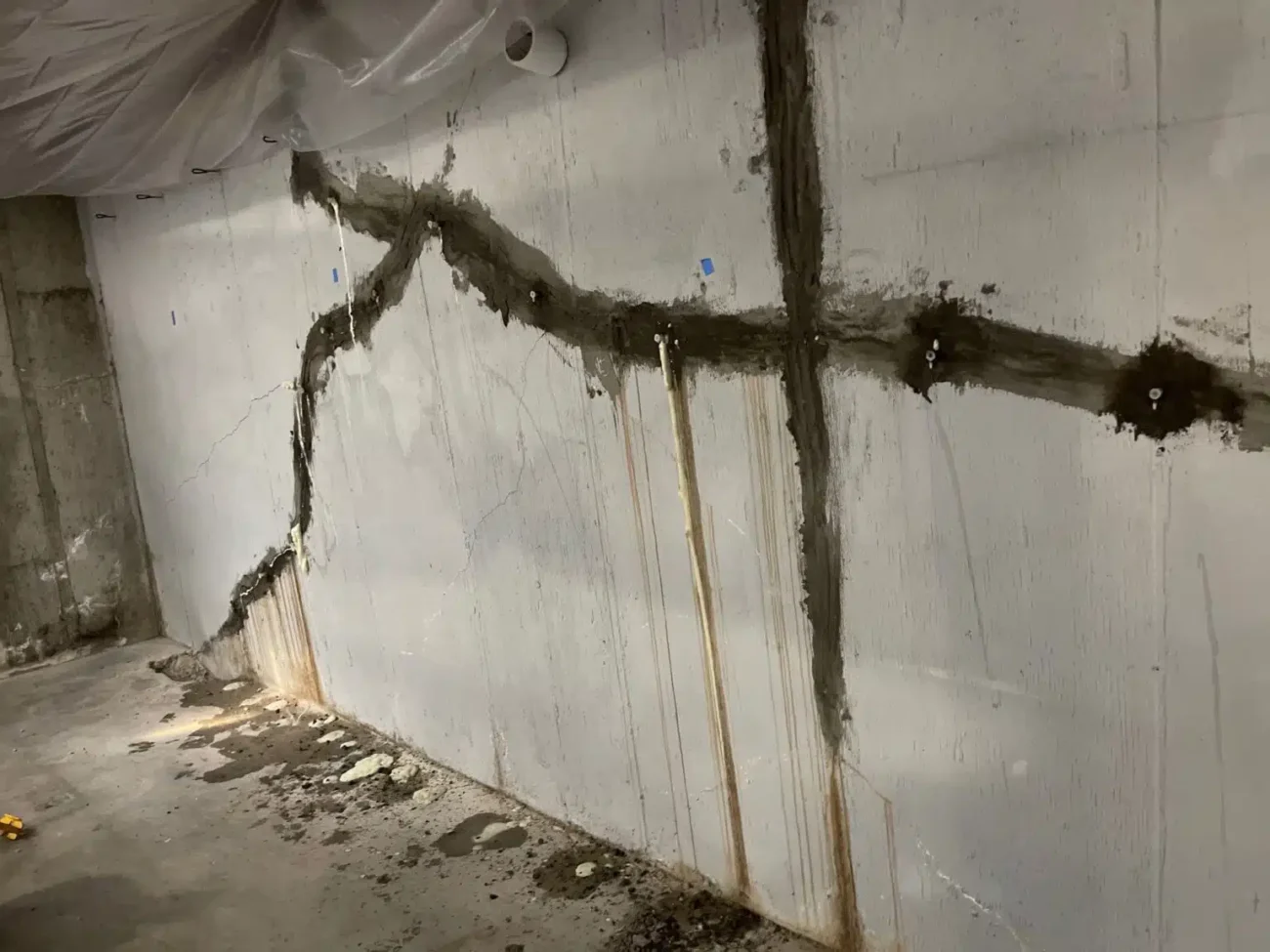
The foundation is the structural core of every home, providing the support necessary to keep walls, floors, ceilings, and the roof stable for decades. A strong foundation distributes the weight of the entire structure evenly while resisting pressure from the surrounding soil and changing environmental conditions. When cracks begin to develop in the foundation, they should never be dismissed as a purely cosmetic issue. Even the smallest crack can become an entry point for moisture, increase structural stress, and lead to more extensive damage if left untreated. Over time, foundation cracks may expand, causing uneven floors, sticking doors and windows, water intrusion, mold growth, and costly structural repairs. Professional attention at the earliest stage is the best way to protect both the integrity of the home and the investment it represents.
Many homeowners first notice a foundation problem when visible cracks appear on basement walls or exterior concrete. While some hairline cracks may develop naturally as concrete cures or settles, larger or expanding cracks often indicate underlying issues that require immediate evaluation. Soil movement, poor drainage, hydrostatic pressure, and natural settling are only a few of the factors that contribute to foundation damage. Every home is unique, and the cause of foundation cracking often involves a combination of environmental and structural conditions. Professional repair services focus on identifying these underlying causes before recommending customized solutions that restore stability and prevent future movement. Rather than temporarily filling cracks, experienced contractors repair the foundation in a way that strengthens the entire structure and protects it from continued deterioration.
Why Foundation Cracks Should Never Be Ignored
Foundation cracks often appear small at first, leading many homeowners to postpone repairs because the damage does not seem urgent. Unfortunately, structural problems rarely improve without professional intervention. Cracks that initially measure only a few millimeters may gradually widen as soil movement continues beneath the home. Once these openings become larger, they allow groundwater to penetrate the basement or crawlspace, increasing humidity levels and creating ideal conditions for mold and mildew growth. Moisture entering through foundation cracks can also damage insulation, drywall, flooring, furniture, electrical components, and valuable personal belongings stored in the basement.
Structural movement associated with foundation cracks may affect many other parts of the home. Walls may begin separating from ceilings, floors can become uneven, windows may refuse to open properly, and doors may stick because the building is no longer sitting evenly on its foundation. These problems become progressively more expensive to repair as the damage spreads throughout the structure. Addressing foundation cracks early helps homeowners avoid major reconstruction projects while preserving the safety and value of their property.
Common Causes of Cracked Foundations
Several different factors contribute to foundation cracking, and understanding these causes is essential for selecting the most effective repair strategy. One of the most common causes is soil movement. The soil surrounding a foundation constantly expands when it absorbs water and contracts as it dries. These repeated cycles place significant stress on foundation walls, eventually causing the concrete to crack under pressure.
Poor drainage is another major contributor to foundation damage. Rainwater that collects around the home’s perimeter increases hydrostatic pressure against basement walls and footings. As pressure builds, water forces its way through even the smallest openings, gradually enlarging existing cracks while weakening the surrounding concrete. Improper grading, clogged gutters, short downspouts, and inadequate drainage systems often contribute to excessive moisture accumulation around the foundation.
Natural settlement also plays an important role. Every home experiences some degree of settlement after construction, but uneven settlement occurs when one portion of the foundation sinks more than another due to inconsistent soil conditions. Tree roots may further increase settlement by removing moisture from specific areas beneath the home, creating uneven support beneath the foundation. Construction defects, poor soil preparation before building, freeze-thaw cycles, earthquakes, and aging concrete may also contribute to structural cracking over time.
Recognizing the Warning Signs of Foundation Damage
Foundation cracks rarely develop without additional warning signs. Homeowners who recognize these symptoms early can often prevent much more extensive structural damage. One of the first indicators is the appearance of visible cracks in basement walls, foundation floors, brick exteriors, or interior drywall. These cracks may gradually increase in width or length as movement continues beneath the structure.
Doors and windows that suddenly become difficult to open or close often indicate that foundation movement has affected the alignment of the home’s framing. Floors may begin sloping or feeling uneven underfoot, while gaps may appear around window frames, door trim, or ceiling joints. Cracks extending across ceramic tile flooring, separated molding, and cabinets pulling away from walls are additional signs that structural movement may be affecting the property.
Water seepage through basement walls or floors frequently accompanies foundation cracks because weakened concrete allows groundwater to enter during periods of heavy rainfall. Persistent musty odors, elevated humidity, mold growth, and standing water should never be ignored because they often indicate that foundation damage has progressed beyond simple cosmetic cracking.
Types of Foundation Cracks
Not every crack represents the same level of structural concern, which is why experienced professionals carefully evaluate the size, direction, location, and pattern of every crack before recommending repairs. Vertical cracks are among the most common and frequently result from natural settlement, although wider openings may indicate continuing movement. Horizontal cracks generally require immediate attention because they often develop when expanding soil places excessive pressure against foundation walls.
Diagonal cracks commonly appear when different portions of the home settle at different rates, creating uneven stress throughout the foundation. Stair-step cracks typically form along mortar joints in block or brick foundations and often indicate differential settlement beneath the structure. Hairline cracks may result from normal concrete curing but should still be monitored because environmental changes can cause them to expand over time.In more advanced situations, foundation walls may bow inward or lean due to prolonged hydrostatic pressure. These structural conditions require specialized reinforcement systems designed to restore stability while preventing additional movement.
Professional Foundation Inspection and Diagnosis
Every successful repair project begins with a comprehensive inspection performed by experienced foundation specialists. Rather than focusing only on visible cracks, professionals carefully evaluate the entire structural system to determine the underlying cause of the damage. Foundation walls, basement floors, crawlspaces, grading, drainage systems, surrounding soil, moisture levels, and structural alignment are all examined during this detailed assessment.
Specialized equipment may be used to measure foundation elevation, detect hidden moisture, and monitor structural movement over time. This thorough evaluation allows contractors to distinguish between cosmetic imperfections and genuine structural concerns. Accurate diagnosis ensures that recommended repairs solve the root cause of foundation movement instead of simply improving the appearance of damaged concrete.
Modern Foundation Repair Solutions
Today’s foundation repair industry offers highly advanced techniques capable of restoring structural stability while preventing future damage. Crack injection is commonly used for repairing concrete cracks that allow moisture intrusion. Specialized epoxy or polyurethane materials penetrate deep into the crack, permanently sealing the opening while strengthening the surrounding concrete.
Homes experiencing settlement often require helical piers or push piers that transfer the building’s weight to stable soil layers beneath the surface. These support systems help prevent additional settlement while restoring structural stability. Bowing walls may be reinforced using carbon fiber straps, steel wall braces, or wall anchor systems that resist continued soil pressure and strengthen weakened foundation walls.
Professional repair projects frequently include drainage improvements, waterproof membranes, sump pump installation, and grading corrections to eliminate the moisture conditions responsible for many foundation problems. Combining structural stabilization with moisture control creates a complete repair strategy that protects the foundation for many years.
Benefits of Timely Foundation Repair
Investing in professional foundation repair provides substantial long-term benefits for homeowners. Restoring structural stability protects walls, floors, ceilings, roofing systems, plumbing, and electrical components from additional movement. Proper repairs also eliminate pathways for water intrusion, reducing the risk of mold growth, wood rot, damaged insulation, and costly interior restoration projects.
Professionally repaired foundations increase property value because prospective buyers recognize that structural issues have been addressed using reliable methods. Documentation of quality repairs often provides confidence during home inspections and real estate transactions. Addressing foundation cracks early also reduces long-term maintenance costs because homeowners avoid the extensive reconstruction that may become necessary if structural movement continues unchecked.Perhaps most importantly, timely repairs provide peace of mind. Homeowners can enjoy greater confidence knowing that their property rests on a stable foundation capable of supporting the structure safely for many years.
Preventing Future Foundation Cracks
Although some natural settling cannot be completely prevented, homeowners can reduce the likelihood of future foundation damage through proper maintenance. Gutters should remain clean, and downspouts should direct water well away from the foundation to prevent excessive soil saturation. Landscaping should encourage rainwater to flow away from the home rather than collecting near basement walls.
Maintaining consistent soil moisture during extremely dry periods helps minimize excessive expansion and contraction that contribute to foundation movement. Large trees should be planted at an appropriate distance from the structure to prevent root systems from altering soil moisture beneath the home. Routine inspections allow small cracks to be identified before they become serious structural concerns, while professional waterproofing further protects the foundation from moisture-related deterioration.
Choosing the Right Foundation Repair Company
Selecting an experienced foundation repair contractor is essential for achieving dependable long-term results. Reputable professionals begin every project with a comprehensive inspection and provide honest recommendations based on the actual condition of the property. They explain the causes of foundation damage, discuss available repair options, and develop customized solutions designed specifically for the home’s unique structural needs.
Experienced contractors use premium repair materials, proven stabilization techniques, and skilled technicians to ensure lasting performance. Their commitment to quality workmanship, clear communication, and customer satisfaction helps homeowners feel confident throughout every stage of the repair process. Choosing qualified professionals ensures that repairs address both the visible damage and the underlying causes responsible for structural movement.
Conclusion
Cracked foundations should never be considered a minor cosmetic issue because they often indicate underlying structural movement that can become increasingly serious over time. Whether caused by soil expansion, poor drainage, hydrostatic pressure, natural settlement, or aging construction materials, foundation cracks require careful evaluation and professional repair. Early intervention protects the structural integrity of the home, prevents moisture intrusion, reduces future repair costs, and preserves property value. By working with experienced foundation specialists, homeowners can restore stability, improve indoor safety, and ensure their home remains strong, secure, and dependable for generations to come. Professional repairs provide lasting protection that safeguards one of the most important investments a family will ever make.
