
Skylights are a great home feature. They bring in natural light and can make small rooms feel bigger and brighter. But since skylights sit on your roof and face sun, rain, wind, and snow, they can wear out over time. The simplest answer to “When should you schedule a skylight repair?” is: schedule it as soon as you notice a problem.
Fixing a small issue early can help you avoid bigger, more expensive damage later, like soaked insulation, stained ceilings, mold, or higher heating and cooling costs. If you want help deciding whether to fix or replace your unit, you can read more about skylight repair and replacement.
Putting off a skylight problem can lead to more trouble than you expect. What starts as a small draft can turn into a steady leak that harms your roof and your home’s interior. Getting a professional to check it at the first sign of trouble helps stop small problems from turning into expensive repairs.
What Are the Warning Signs a Skylight Needs Repair?
Spotting early signs of skylight trouble is the first step. Many skylight problems begin small and are much easier to fix when caught early.
Leaks and Water Stains
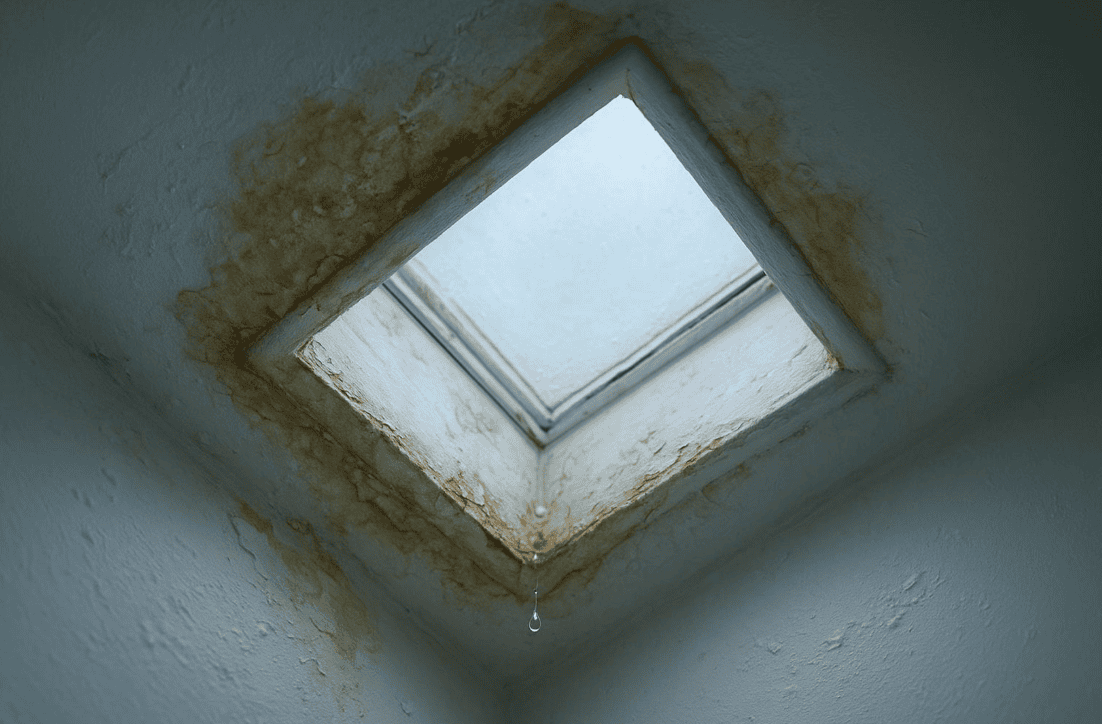
This is usually the clearest sign that something is wrong. If you see water stains on the ceiling around the skylight, peeling paint, or bubbling drywall nearby, your skylight may be leaking. Even a small drip can lead to mold, rotting wood, and damage to drywall or framing if it continues.
It also helps to know the difference between a leak and condensation:
- Leak: Water is coming in from outside.
- Condensation: Moisture forms from indoor air meeting a cold surface (often linked to poor ventilation or a failing seal).
Both should be checked, but a true leak needs fast attention.
Foggy, Cloudy, or Condensated Glass
If your skylight looks foggy all the time or you see moisture trapped between the panes, the seal in the insulated glass has likely failed. Cleaning the inside and outside won’t fix this because the moisture is inside the glass unit. When the seal breaks, the skylight loses its insulating power, which can make your home warmer in summer and colder in winter.
Drafts or Sudden Energy Bill Increases
If you feel cold air under the skylight in winter, or your AC seems to run more in summer, air may be leaking around the unit. That’s like having a window slightly open all year. It makes your HVAC system work harder and can raise your energy bills. Older skylights often have this issue as seals and frames wear down.
Cracks, Chips, and Hail or Storm Damage
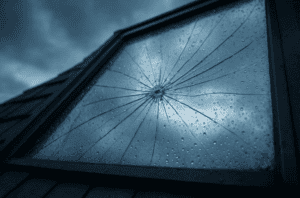
Cracks in the glass or frame should never be ignored, even if they look small. A crack can let in water and can also get worse with wind, pressure, or temperature changes. Hail, fallen branches, or storms can cause chips and fractures. Any visible damage is a sign you should call a professional.
Discoloration, Yellowing, or Mold
Yellowing or staining around the skylight can mean moisture has been getting in for a while. This can lead to mold growth and hidden damage. Older plastic (acrylic) skylights can also turn yellow, get hazy, or scratch over time, which reduces the light coming in. If you see rust, corrosion, or damage on the flashing or the frame, the skylight may be near the point where repair is urgent.
What Factors Determine When You Should Schedule a Skylight Repair?
A few key details affect the right time to schedule a repair, such as what caused the issue, the weather, and how old the skylight is.
What Are the Most Common Causes of Skylight Problems?
Skylight problems usually come from a few common sources:
- Worn weatherstripping or seals: These parts block air and water, but they break down from sun and weather over time.
- Flashing problems: Flashing is what seals the skylight to the roof. Gaps, holes, rust, or bad installation can lead to leaks. Poor flashing installation is one of the biggest reasons skylights fail early.
- Debris buildup: Leaves and dirt can block drainage paths, letting water collect and seep inside.
How Does Weather Impact the Timing of Skylight Repairs?
Weather matters a lot for skylight work. Repairs should usually be done on a dry day so workers can be safe and so sealants can dry and bond correctly. Cold weather can make some materials harder to work with, and rain or snow can stop exterior work entirely.
A good plan is to have the skylight checked before harsh seasons. That way you can fix weak spots before heavy rain, snow, or ice makes things worse.
Does the Age of Your Skylight Matter?
Yes. Age is a major clue when deciding between repair and replacement. Many home skylights last around 10 to 20 years. Some high-quality models, like VELUX skylights, can last 20+ years with normal wear.
A simple age guide:
| Skylight age | What it usually means |
| Under 10 years | Repairs are often enough if the damage is small. |
| 10-20 years | Inspect yearly; seals and flashing may start failing. |
| 20+ years | Replacement is often the better long-term choice, especially if leaks or fogging appear. |
| Around 30 years | Upgrading is usually recommended for safety, efficiency, and modern standards. |
Even if an older skylight is not leaking today, it may be far less energy efficient than newer models, which can cost you more every month.
Should You Repair or Replace Your Skylight?
Many homeowners ask this once problems show up. The best choice depends on how bad the damage is, how old the skylight is, and what you want long term.
When Is Repair Sufficient?
Repair can be a good choice when the problem is limited and the skylight is still in decent condition. Common repair examples include:
- Resealing edges or seams
- Fixing or replacing flashing
- Clearing blocked drainage channels
- Re-caulking and tightening areas where gaps formed
- Improving ventilation to reduce condensation (fans, dehumidifiers)
Some skylights also allow glass replacement if the rest of the unit is fine. The big benefit of early repair is cost: a small fix might cost a few hundred dollars, while waiting can lead to thousands in roof or interior repairs.
When Should You Replace Instead of Repair?
Replacement is usually the better option when damage is widespread, the skylight is old, or the unit is wasting energy. Replacement may make sense if:
- The skylight is over 20 years old
- You see rot, mold, or heavy rust around the frame
- The skylight is causing major heat loss or heat gain
- The glass has major cracks or repeated cracking
New skylights can include features like Low-E coatings and argon-filled glass, which can help control indoor temperature and lower energy use.
Also, if you’re replacing your roof, that is often the easiest and most cost-effective time to replace skylights too. It avoids extra labor later and can help line up warranties.

When Is the Best Time of Year to Schedule Skylight Repair?
The season you choose can affect how smoothly the repair goes and how long it lasts.
Seasonal Considerations for Timely Repairs
Mild, dry weather is usually best, which often means spring and early fall. These seasons typically have fewer weather delays, and moderate temperatures help sealants cure properly. Repairs during heavy rain, snow, or extreme heat can be harder to do well and can be unsafe for installers. Because these mild-weather windows fill up fast, it’s worth booking a contractor like novaconstructionservices.com well in advance. Planning work in mild seasons can also reduce discomfort inside your home if the roof needs to be opened briefly.
How to Avoid Delayed Repairs During Peak Weather
The best way to avoid emergency repairs in bad weather is to keep up with basic maintenance:
- Schedule yearly roof and skylight inspections, especially before winter or storm season
- Keep roof drainage areas clear of leaves and debris
- Act quickly when you notice small stains, drafts, or fogging
If a major leak happens during severe weather and a contractor can’t get there right away, a short-term fix (like covering the skylight area with a tarp weighed down securely) can help reduce damage until a professional can safely repair it.
Key Takeaways for Scheduling Skylight Repair
Taking care of a skylight comes down to paying attention and acting fast. A professional inspection matters because what looks like a skylight leak can sometimes be a roof issue nearby or a drainage problem on the roof. An experienced roofing contractor who has worked with skylights can find the real cause and help you avoid wasted repairs or unnecessary replacement. Look for certified pros who provide clear inspections and written estimates.
Along with fixing problems as they show up, simple upkeep helps a lot. Clean the glass, remove debris around the skylight and flashing so water can drain, and schedule annual inspections. If you use trained installers (including VELUX-trained pros for VELUX units), you improve the odds of a longer-lasting, leak-free skylight. A skylight that is well cared for or replaced at the right time does more than bring in light-it improves comfort, reduces energy waste, and can add value to your home for years.
