
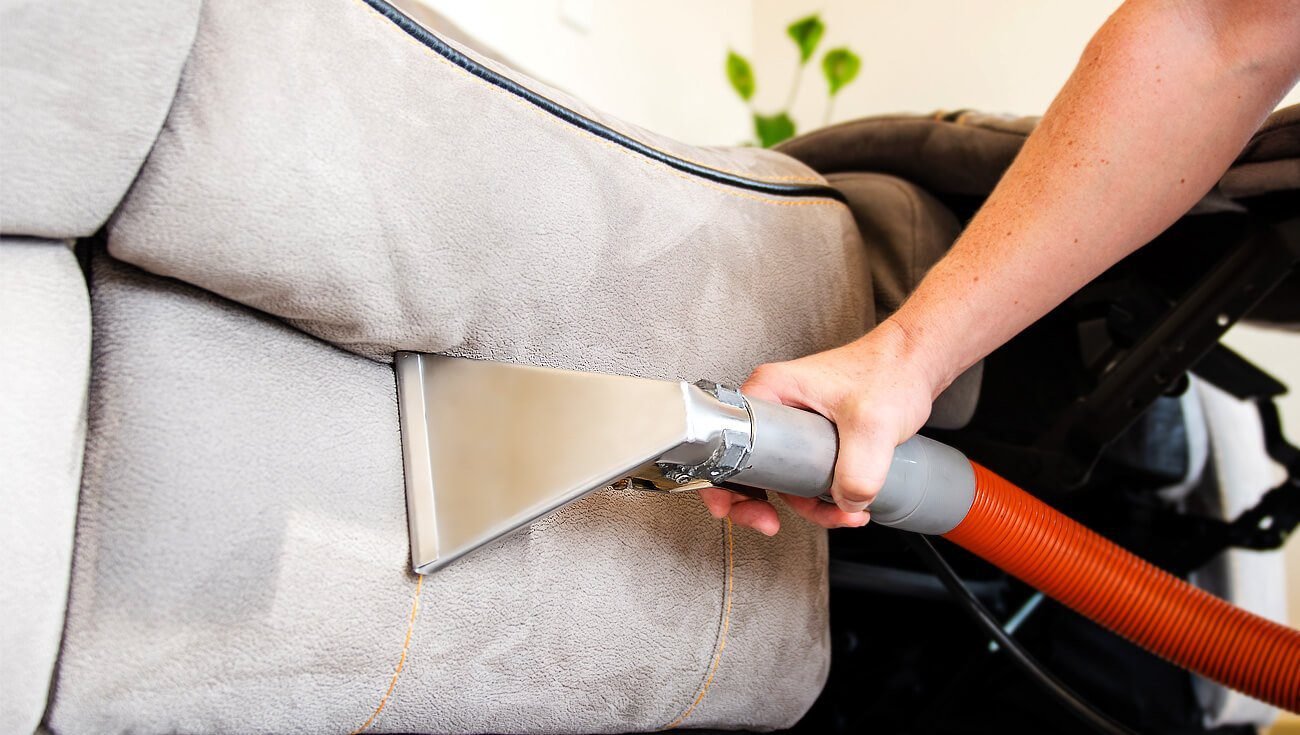
A good sofa is one of the more significant purchases most households make, and armchairs, dining chairs and other upholstered pieces add up quickly too. Yet while people happily book their carpets in for a clean, the furniture sitting on top of those carpets is often left for years without any proper attention beyond a quick vacuum. That’s a shame, because upholstery absorbs an enormous amount of everyday wear, and cleaning it properly doesn’t just improve appearance — it genuinely extends the furniture’s useful life and protects your investment. As a team that provides professional upholstery cleaning, we’re regularly surprised by how much life a proper clean brings back to furniture people had already written off.
What Your Upholstery Absorbs Every Day
Think about how a sofa is used: people sit on it for hours, often after a full day out; skin and hair leave behind natural oils; snacks and drinks create spills and crumbs; pets curl up and shed; and airborne dust settles constantly into the weave. Over time this builds into a layer of grime that works its way deep into the fabric and cushioning. Much of it is invisible until you clean a section and see the contrast — the difference between the treated and untreated areas is often startling.
How Dirt Damages Fabric Over Time
Embedded dirt isn’t just unsightly — it’s abrasive. Every time you sit down, tiny particles of grit and dust grind against the fibres, gradually wearing them thin and dulling their colour. This is why heavily used, uncleaned furniture starts to look shabby years before it should. Body oils and spills, meanwhile, can set permanently if left, leaving marks that become impossible to remove. Regular cleaning interrupts this cycle, lifting out the abrasive dirt and treating spills before they become permanent, so the fabric wears far more slowly.
The Hygiene Factor
Upholstery is also a haven for the same allergens and bacteria that accumulate in carpets — dust mites, pet dander, pollen and general debris all settle into cushions and crevices. Because we sit and often lie directly on our furniture, this matters for comfort and for anyone in the home with allergies or asthma. A thorough professional clean removes far more of this hidden build-up than surface vacuuming can, leaving furniture that’s not just cleaner-looking but genuinely more hygienic to use.
Why Fabric Type Matters
One of the biggest reasons to leave upholstery cleaning to professionals is the sheer variety of fabrics. Cotton, linen, microfibre, velvet, wool blends and delicate natural fibres all respond differently to moisture, heat and cleaning agents. Use the wrong approach and you risk shrinkage, watermarks, colour bleeding or texture damage — mistakes that are often permanent. Professionals identify the fabric, check for colour-fastness, and select a cleaning method suited to that specific material, which is precisely why DIY upholstery cleaning carries more risk than carpet cleaning does.
The Professional Process
A professional upholstery clean typically begins with a thorough vacuum to remove loose debris, followed by a suitable pre-treatment to break down oils and stains. The fabric is then cleaned using a method matched to the material — commonly a controlled hot-water extraction or a low-moisture approach for more delicate fabrics — lifting the loosened dirt out rather than pushing it deeper. Careful moisture control ensures the furniture dries properly without over-wetting the padding, so you’re left with clean, fresh upholstery that’s usable again quickly.
Protecting Your Investment for the Long Term
The financial logic is straightforward. Replacing a quality sofa costs far more than maintaining one, so periodic professional cleaning is a small outlay that defers a large one. Beyond appearance and hygiene, keeping upholstery clean preserves the fabric’s structure and colour, meaning furniture that stays looking good and lasts years longer. For households with pets, children or heavily used living rooms, that maintenance pays for itself many times over.
How Often Should Upholstery Be Cleaned?
As a general guide, most sofas and upholstered furniture benefit from a professional clean every twelve to eighteen months, though the right interval depends heavily on use. A family sofa that’s used every evening, sat on by children and shared with pets will need attention far more often than a formal armchair in a rarely used sitting room. Between professional cleans, simple maintenance keeps furniture in good shape: vacuum upholstery regularly, including down the sides and under the cushions where crumbs and dust collect; rotate and flip reversible cushions so wear spreads evenly; and address spills immediately by blotting rather than rubbing. Keeping furniture out of direct, prolonged sunlight also helps prevent fabric from fading and weakening. These habits stretch the time between deep cleans and, combined with periodic professional care, keep your furniture looking and feeling its best for many years longer than it otherwise would.
If your sofa or armchairs are looking tired, don’t assume they’re past their best — in most cases they’re simply due a proper clean. Booking professional upholstery cleaning can restore both the look and the freshness of your furniture, and adds valuable years to pieces you’d otherwise be thinking about replacing. It’s one of the most cost-effective things you can do for a well-used living space.
