
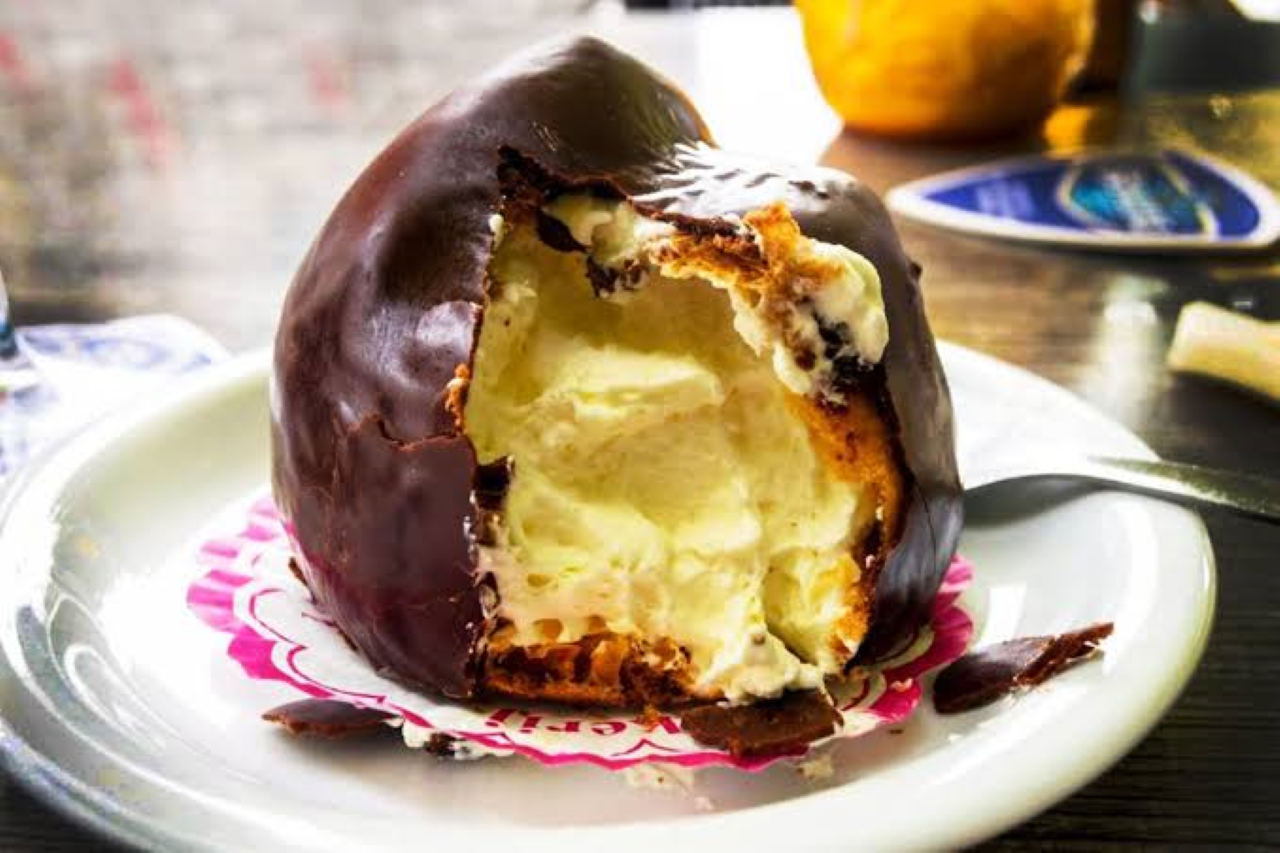
European sweets and candies are incredibly diverse. Some are soft and fruity, some are creamy and chocolatey, some are chewy, sour, hard, salty, herbal, or filled with caramel, nougat, nuts, or fruit. For many people in the UK, European confectionery is familiar through childhood favourites, holidays abroad, imported grocery shops, or family food traditions. Yet the world of European sweets is much broader than one or two famous brands. It reflects different countries, local tastes, old recipes, seasonal customs, and changing snacking habits.
What makes European sweets interesting is that they are not all built around the same idea of sweetness. German gummies, Belgian pralines, French fruit pastilles, Italian nougat, Scandinavian liquorice, Spanish turrón, Swiss chocolate, Dutch stroop-style treats, and Eastern European filled wafers can all sit under the same broad category, but they offer very different textures and flavours. Understanding the main types of European candies helps shoppers recognise what they like and discover new treats more easily.
Gummies and Fruit-Flavoured Sweets
Gummies are among the most recognisable types of European candies. They come in many shapes, including bears, rings, worms, bottles, cherries, berries, and fruit slices. Their appeal is easy to understand. They are colourful, chewy, playful, and often shared by both children and adults. Some are soft and sweet, while others are fizzy, sour, or coated in sugar.
Germany is especially associated with gummy sweets, and many people connect this category with Haribo products, which helped make gummy bears and other chewy sweets familiar across Europe and beyond. However, gummy candy as a category now includes a wide range of textures and flavours. Some gummies are firmer and more elastic, while others are softer and closer to fruit jellies. The flavour can be simple, such as strawberry or orange, or more mixed, such as cola, tropical fruit, berries, or sour apple.
Gummies are popular because they feel casual and fun. They do not require preparation, they are easy to share, and they often bring a sense of nostalgia. Many adults still enjoy the same types of sweets they remember from childhood, while younger shoppers are often drawn to sour versions, mixed bags, and unusual shapes.
Fruit Jellies, Pastilles, and Soft Candies
Fruit jellies and pastilles are another important part of European confectionery. They may look similar to gummies at first, but they often have a softer or more delicate texture. Some are coated in sugar, while others have a smooth finish. In countries such as France and the UK, fruit pastilles and pâte de fruit-style sweets are associated with more concentrated fruit flavours and a slightly more traditional feel.
These sweets are often less playful than gummy bears but more focused on fruit flavour and texture. They may be served as a small treat after a meal, given as gifts, or enjoyed with tea or coffee. Some versions are made in simple fruit shapes or small cubes, while others are wrapped individually.
Soft fruit candies are popular because they sit between everyday sweets and something that feels a little more refined. They are still easy to eat, but they can feel more grown-up than novelty-shaped gummies. This is one reason they remain common in European sweet selections, especially where shoppers want fruit-based confectionery rather than chocolate.
Liquorice Sweets
Liquorice is one of the most distinctive categories of European sweets. It is especially popular in Northern Europe, the Netherlands, Scandinavia, parts of Germany, and some other regions where people enjoy both sweet and salty versions. For shoppers who did not grow up with liquorice, the flavour can be surprising. It is herbal, earthy, and sometimes intense.
There are many different styles of liquorice. Some are soft and sweet, while others are firm, chewy, salty, or even sharp. Salted liquorice is particularly associated with Nordic countries and can be an acquired taste. It is not always easy for newcomers, but for fans it is one of the most satisfying forms of candy.
Liquorice also shows how different European sweet traditions can be. In some countries, liquorice is a normal everyday treat. In others, it feels unusual or old-fashioned. This difference makes it an interesting category for anyone exploring European confectionery, because it reflects local taste preferences more strongly than many mainstream sweets.
Hard Candies and Boiled Sweets
Hard candies, also known as boiled sweets in some places, are one of the oldest and most traditional forms of confectionery. They are usually made to be slowly sucked rather than chewed, and they come in flavours such as mint, lemon, raspberry, orange, honey, aniseed, caramel, and herbal blends.
These sweets are often wrapped individually and kept in jars, tins, handbags, cars, or kitchen cupboards. They may be associated with grandparents, travel, Christmas bowls, office desks, or small treats after meals. In many European countries, traditional hard candies still have a strong place because they are simple, long-lasting, and familiar.
Mint sweets and herbal candies are also common. Some are enjoyed simply as sweets, while others are chosen because they feel refreshing after coffee or meals. Fruit drops, barley sugars, honey candies, and caramel-flavoured hard sweets are classic examples of candies that have remained popular even as newer confectionery trends have appeared.
Chocolate Bars and Filled Chocolate Treats
Chocolate is one of the most famous areas of European confectionery. Belgium and Switzerland are especially well known for chocolate traditions, but many European countries have their own chocolate bars, pralines, filled chocolates, wafers, and seasonal chocolate products.
Chocolate bars can range from simple milk chocolate to dark chocolate, white chocolate, nut-filled bars, caramel-filled bars, biscuit bars, and wafer-based snacks. Filled chocolates may include praline, hazelnut cream, nougat, fruit fillings, liqueur-style centres, or caramel. Some are designed for everyday snacking, while others are sold as gifts or seasonal treats.
One reason European chocolate remains popular is variety. There are smooth milk chocolates, intense dark chocolates, creamy pralines, light wafers, and small wrapped pieces for sharing. Texture matters as much as flavour. A chocolate with crispy wafer feels different from a filled praline, and a nut chocolate feels different from a smooth bar. This variety helps explain why chocolate remains one of the strongest categories in European sweets.
Wafers, Biscuits, and Chocolate-Coated Snacks
In Europe, the line between sweets, biscuits, and snacks is often blurred. Many popular treats combine wafer, biscuit, cream filling, and chocolate coating. These products may be eaten with coffee, placed in lunchboxes, served to guests, or enjoyed as an afternoon snack.
Wafer-based sweets are especially common because they are light and crisp. They can be filled with chocolate, vanilla, hazelnut, lemon, or other creams. Chocolate-coated biscuits offer a more indulgent version, while sandwich biscuits with sweet fillings can feel both practical and dessert-like.
These treats are popular because they work in everyday situations. They are less formal than boxed chocolates but more satisfying than plain biscuits. They also travel well and are easy to portion, which makes them common in family kitchens and office cupboards.
Caramels, Nougat, and Nut-Based Sweets
Caramels and nougat are another important part of European confectionery. Soft caramels are often rich, buttery, and chewy, while harder caramel sweets may be slowly sucked. In France, caramels can be associated with traditional sweet-making, especially in regions known for butter and dairy. In Italy, Spain, and other countries, nougat-style sweets often include nuts, honey, sugar, and egg white, depending on the local tradition.
Nut-based sweets are especially common around holidays. Almonds, hazelnuts, pistachios, and walnuts appear in many European treats, from nougat and praline to chocolate bars and festive desserts. These sweets often feel more substantial than fruit candies because the nuts add texture and richness.
For people exploring European sweets, this category is useful because it connects confectionery with older food traditions. Many nut-based sweets come from regional recipes that were originally tied to festivals, family gatherings, or special occasions.
Seasonal European Sweets
European confectionery changes throughout the year. Christmas, Easter, carnival seasons, and local festivals often bring special sweets that are only available for a limited time. Chocolate eggs, advent chocolates, marzipan figures, spiced biscuits, nougat, candied fruits, pralines, and festive candy bags all appear in different countries.
Seasonal sweets are important because they carry memory and tradition. A chocolate that appears every Easter or a biscuit eaten every Christmas can feel more meaningful than an everyday snack. For families living outside their home country, these products can be especially important because they help recreate familiar celebrations.
This is one reason online European grocery stores have become useful for shoppers in the UK. EuropaFoodXB offers a range of European groceries, including sweets, snacks, chocolates, biscuits, pantry products, drinks, and seasonal items that can help people find familiar treats from different countries. For shoppers who want to explore European confectionery or buy products connected with family traditions, an online grocery store like EuropaFoodXB makes it easier to access items that may not always be available in regular supermarkets.
Why European Sweets Feel So Varied
The variety of European sweets comes from geography, history, local ingredients, and national preferences. Some countries prefer fruity and chewy sweets. Others are known for chocolate, liquorice, nougat, or filled biscuits. Climate and food culture also play a role. Places with strong dairy traditions may produce rich caramels and milk chocolates, while regions with nut production may have more almond or hazelnut-based sweets.
There is also a difference between everyday sweets and gift confectionery. A bag of gummies is casual and playful. A box of pralines feels more formal. A wrapped wafer bar works for a lunchbox. A traditional nougat may be connected with holidays. These differences make European confectionery feel layered and interesting.
Final Thoughts
European sweets and candies include far more than one familiar category. Gummies, fruit pastilles, liquorice, hard candies, chocolate bars, pralines, wafers, caramels, nougat, biscuits, and seasonal treats all play a role. Each type has its own texture, flavour, and cultural background.
For shoppers in the UK, exploring European sweets can be a way to discover new flavours or reconnect with familiar ones. Some sweets feel nostalgic, some feel playful, and others feel traditional or festive. Together, they show how varied European confectionery really is. Whether you prefer chewy gummies, smooth chocolate, strong liquorice, or delicate fruit jellies, there is always another European sweet tradition to discover.
