
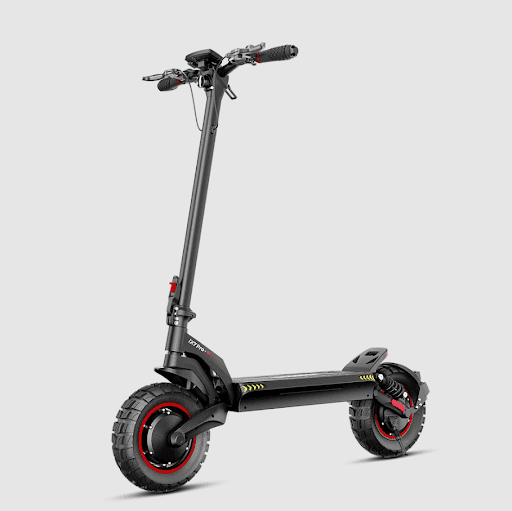
Choosing an off road e scooter can feel exciting until your first ride over gravel, potholes, or a rough trail. A scooter that feels smooth on pavement may shake, lose traction, or struggle on uneven ground. That difference comes from more than motor power. Tires, suspension, brakes, ground clearance, and battery performance all affect how a scooter handles demanding surfaces. Before buying, understand what each feature does and how it matches your riding plans. This guide explains the details that matter most, including common mistakes that can turn an enjoyable outdoor ride into an expensive lesson.
What Makes an Electric Scooter Suitable for Off-Road Riding?
An off-road electric scooter needs components that work together to handle uneven surfaces. A capable setup usually combines suitable tires, effective suspension, dependable brakes, a strong frame, and enough motor torque for the intended terrain. No single specification guarantees that a scooter can handle every trail.
Many scooters are marketed as “off-road” but are really commuter models with slightly larger tires. The table below shows where the real differences typically show up.
| Riding Condition | Standard City Scooter | True Off-Road Scooter |
|---|---|---|
| Smooth pavement | Handles well | Handles well |
| Gravel roads | Limited stability | Designed for consistent traction |
| Dirt trails | Struggles | Built for it |
| Hills and inclines | Moderate power | Higher torque, stronger climbing |
| Long rides | Limited range | Extended battery capacity |
| Rough, uneven ground | Harsh, tiring ride | Suspension absorbs impact |
Match the Scooter to Your Terrain
Consider these three riding environments:
- Rough pavement: Cracks, potholes, and broken asphalt. Good suspension and suitable tires can improve comfort.
- Mixed terrain: Gravel, packed dirt, and maintained trails. You need better traction, stability, and ground clearance.
- Technical terrain: Deep mud, loose sand, large rocks, and steep trails. Many stand-up scooters are unsuitable for these conditions.
A scooter designed for gravel is not automatically ready for extreme trails. Choose according to the hardest surface you expect to ride regularly.
Why Do Tires Matter So Much on Rough Ground?
Tires are the scooter’s connection to the ground. Their size, tread, construction, and pressure affect grip, comfort, and stability.
Pneumatic Tires vs. Solid Tires
Air-filled pneumatic tires can absorb some impact from uneven surfaces. They also provide useful cushioning and can improve traction when used within the manufacturer’s recommended pressure range.
Solid tires resist punctures but offer less cushioning. They may suit riders who prioritize low maintenance on smoother roads.
For regular gravel and dirt riding, pneumatic tires are often worth considering. However, puncture protection and tire quality still matter — which is where tubeless, gel-filled designs come in. Some sit between traditional pneumatic and solid tires: the internal sealant closes small punctures automatically, before significant air pressure is lost, which reduces maintenance for riders who spend hours on remote trails.
What Tire Size Should You Choose?
Many off-road models use tires around 10 inches or larger. Larger tires can roll over small obstacles more easily than smaller tires, and a wider profile with deep tread generally outperforms a narrow, smooth commuter tread on loose dirt.
Do not choose a tire based on appearance alone. Check its construction, recommended pressure, load rating, and suitability for your actual route.
How Does Suspension Improve Off-Road Performance?
Suspension helps absorb impacts and maintain more consistent tire contact with uneven ground. It can reduce vibration through the handlebars and deck, which may improve comfort and control.
Suspension generally deals with two different problems: large impacts (rocks, roots, curbs, trail obstacles) that need travel and damping to absorb, and high-frequency vibration (gravel, cracked pavement, washboard trails) that’s filtered through the combined action of tires and damping rather than eliminated outright.
Front Suspension or Dual Suspension?
Front suspension can help with moderate rough pavement and light trails. Dual suspension adds support at the rear, where repeated bumps can transfer significant vibration to the rider.
For regular mixed-terrain riding, front and rear suspension is worth serious consideration.
But there is an important catch. A scooter can have impressive-looking springs without having effective suspension. Performance depends on travel, damping, spring stiffness, rider weight, and build quality.
What Should You Check?
Look for:
- Suspension type
- Available travel
- Adjustability
- Rider weight compatibility
- Manufacturer maintenance instructions
Suspension does not eliminate the need to slow down for rocks, roots, or unfamiliar obstacles. It improves the ride, but it cannot make an unsuitable trail safe.
How Much Motor Power Do You Need?
Motor power matters most when the terrain creates resistance. Loose gravel, inclines, grass, and heavier loads can demand more torque than smooth pavement.
As a general reference point, standard city scooters typically run a single motor in the 350W–600W range, which is sufficient for pavement but often struggles on loose surfaces or steep hills. Off-road models generally benefit from higher continuous power, stronger low-speed torque, and — on more demanding terrain — dual motors that distribute power across both wheels for better traction on gravel and dirt.
Single Motor vs. Dual Motor
A single motor may suit lighter mixed-terrain riding. Dual motors can provide additional traction and climbing capability, depending on the scooter’s design and control system. Climbing ability is sometimes listed as a maximum grade percentage — a figure worth comparing directly between models if steep trails are part of your regular riding.
However, more power brings trade-offs. High-powered scooters often weigh more and can demand more skill from the rider.
Choose enough power for your terrain, not the biggest number on the specification sheet.
A gentle dirt path does not require the same setup as a steep private trail.
Why Torque Delivery Matters
Smooth power delivery helps the rider maintain control on loose surfaces. Sudden acceleration can cause wheel spin, especially on gravel or wet ground.
Look for adjustable riding modes and predictable throttle response. These features can be more useful than an impressive top-speed figure.
Why Ground Clearance Matters
Ground clearance refers to the space between the scooter’s lowest components and the riding surface.
More clearance can reduce the risk of the deck or frame striking rocks, ruts, and uneven trail edges. But higher clearance is not always better — a taller standing position can affect balance and handling.
The right setup balances obstacle clearance with a stable center of gravity. Also inspect the folding mechanism, deck underside, and exposed components, since these areas can suffer damage when riding over rough terrain.
Which Brakes Work Best Off-Road?
Off-road riding demands dependable braking because traction can change quickly. Loose gravel may reduce grip, descending a slope can increase braking demands, and wet surfaces can make stopping less predictable.
Mechanical vs. Hydraulic Disc Brakes
Mechanical disc brakes use cables to transfer force to the brake mechanism, and they can stretch or need adjustment over time. Hydraulic disc brakes use sealed fluid pressure instead, which often provides smoother lever feel, easier modulation, less hand fatigue, and shorter stopping distances — particularly useful on heavier scooters and steep descents.
Mechanical disc brakes may still suit lighter or less demanding setups when properly maintained. The key is not the label alone — check brake quality, rotor size, replacement parts, and maintenance requirements.
What About Electronic Braking?
Some scooters include electronic braking or EABS. These features may help manage motor braking and reduce wheel lockup in certain conditions. They do not replace careful riding — on loose ground, aggressive braking can still cause a loss of traction. Practice braking on familiar surfaces before exploring more difficult terrain.
Does Battery Capacity Affect Off-Road Riding?
Yes. Rough terrain can increase energy consumption because the motor works harder against resistance. Inclines, loose surfaces, heavier loads, and frequent acceleration can reduce real-world range.
Advertised Range vs. Real Riding
Manufacturers usually publish range figures under specific test conditions. Your results may differ. When comparing scooters, consider battery capacity, rider weight, terrain, speed, weather, tire pressure, and elevation changes.
A larger battery can help, but it also adds weight. Choose a battery that suits your route rather than relying on the longest advertised range — and remember that remote trails rarely offer a convenient place to recharge if you misjudge it.
Battery Safety Matters as Much as Battery Size
A high-capacity battery is only a benefit if it’s also a safe one. Rough riding, temperature swings, and long hours away from home all put extra demands on the battery pack, so protection features are worth checking as closely as the range figure.
Look for:
- A battery management system (BMS) that monitors temperature, current, and charge levels
- Over-current, short-circuit, overcharge, and over-discharge protection
- Recognized electrical and fire-safety certification for the battery pack
- Manufacturer guidance on charging temperature range and storage conditions
Never charge a wet, damaged, or physically swollen battery, and avoid leaving a battery charging unattended for long periods, especially overnight. A scooter that performs well on paper but skips these protections is a worse long-term choice than one with a slightly smaller, better-protected battery.
Lighting and Visibility on the Trail
Lighting is easy to overlook until you’re riding through dense trees, a shaded canyon, or timing a ride around dusk — all common on trail routes even when you didn’t plan to ride after dark.
A capable off-road scooter should include a bright LED headlight, a brake-activated taillight, and ideally some side or ambient visibility for approaching from an angle. Better lighting improves both your ability to spot obstacles ahead and other trail users’ ability to see you coming.
Rider Comfort on Longer Rides
Performance specs matter less if the scooter is exhausting to ride for more than twenty minutes. Off-road outings often run much longer than a city commute, which makes ergonomics a genuine buying consideration rather than an afterthought.
Features that reduce fatigue on longer rides include a wide deck for flexible foot positioning, a stable riding stance, an easy-to-read display, intuitive controls, and — for longer straight sections — cruise control. A foldable design also matters practically: if you’re driving to a trailhead, being able to fold and load the scooter easily changes the whole experience before you even start riding.
What Build Quality Features Should You Inspect?
Rough terrain places repeated stress on the frame, deck, suspension mounts, and steering components. A sturdy frame helps support stable handling, and strong mounting points matter because loose or damaged components can affect control.
Important Construction Details
Check:
- Frame material
- Deck strength
- Stem and folding mechanism
- Suspension mounting points
- Fastener quality
- Weight capacity
- Warranty coverage
A scooter that looks rugged may still have weak points. Read the technical specifications and maintenance instructions before buying.
How Do You Protect an Off-Road Scooter From Water and Dust?
Dirt riding can expose the scooter to dust, mud, and water. An IP rating can provide information about protection against dust and water. However, it does not mean the scooter is safe to submerge or ride through deep water — check the manufacturer’s actual restrictions rather than assuming.
After riding, inspect the scooter for dirt around the brakes, tires, suspension, and deck. Clean it according to the manufacturer’s instructions, and never charge a wet or damaged battery.
Know Where You’re Actually Allowed to Ride
Motor power and suspension travel don’t matter much if the trail you had in mind doesn’t permit motorized scooters at all. Many parks, nature reserves, and hiking-designated trails restrict or ban motorized vehicles, including e-scooters, regardless of how “off-road” the scooter is built to be. Rules vary significantly by land manager, region, and trail type — some multi-use trails allow e-scooters, many do not.
Before riding somewhere new, check the specific rules for that trail or park rather than assuming off-road capability equals off-road permission. Private land, dedicated off-road parks, and multi-use trails explicitly rated for e-scooters or e-bikes are the safest starting points.
Off-Road Scooter Buying Checklist
| Feature | Why It Matters |
|---|---|
| Dual motors (for demanding terrain) | Better acceleration, traction, and climbing |
| Adequate battery capacity + protection | Longer range without compromising safety |
| Front and rear suspension | Improved comfort and control on rough ground |
| Hydraulic disc brakes | Stronger, more consistent stopping performance |
| Tubeless or puncture-resistant tires | Better traction and fewer trailside repairs |
| Stated climbing grade (%) | Confirms suitability for steep terrain |
| Durable frame construction | Long-term reliability under repeated stress |
| Battery management system | Reduces fire risk, extends battery lifespan |
| Bright lighting front and rear | Visibility in shaded or low-light trail conditions |
| Wide deck and comfort features | Reduces fatigue on longer rides |
Common Buying Mistakes to Avoid
Buying for Maximum Speed
Speed does not equal off-road capability. Control, traction, and braking matter more.
Ignoring Tire Pressure
Incorrect pressure can affect grip, comfort, and handling. Follow the manufacturer’s recommended range.
Assuming Every Trail Is Suitable
A scooter designed for gravel may not handle deep sand, large rocks, or technical mountain paths — and some trails don’t permit motorized scooters regardless of capability.
Forgetting Maintenance
Rough riding can loosen fasteners and increase wear. Inspect the scooter regularly.
Overlooking Weight and Portability
A heavy scooter may perform well but become difficult to carry, fold, or load for transport to a trailhead.
Frequently Asked Questions
How much motor power do I need for an off-road electric scooter? Standard commuter scooters typically use 350W–600W single motors, which is enough for pavement but often insufficient for hills or loose surfaces. Off-road riding generally calls for higher continuous power, and dual motors add meaningful traction on demanding terrain.
Are off-road electric scooters legal to ride on hiking trails? It depends entirely on the specific trail, park, or land manager — many hiking and nature trails prohibit motorized vehicles, including e-scooters, regardless of their off-road capability. Always check local rules before riding somewhere new.
What tire size is best for off-road riding? Many capable off-road models use tires around 10 inches or larger with deep, wide tread. Larger tires roll over small obstacles more easily and provide better stability on loose or uneven ground.
Do I need front and rear suspension, or is front suspension enough? Front suspension can handle moderate rough pavement and light trails. Rear suspension becomes more valuable on regular mixed-terrain riding, where repeated bumps otherwise transfer directly to the rider.
Are hydraulic brakes worth it over mechanical brakes? For frequent off-road riding, yes — hydraulic disc brakes generally offer smoother modulation, less hand fatigue, and shorter stopping distances, which matters more on loose surfaces and steep descents.
How do I know if a scooter’s battery is safe? Look for a battery management system with over-current, overcharge, and short-circuit protection, along with recognized fire-safety certification. Avoid charging a wet or damaged battery, and never leave one charging unattended for extended periods.
Does ground clearance matter more than suspension? They solve different problems. Ground clearance prevents the frame or deck from striking obstacles; suspension absorbs impact and vibration. A well-rounded off-road scooter needs both matched sensibly, not one maximized at the expense of the other.
What’s a reasonable climbing grade for an off-road scooter? Climbing ability is often listed as a maximum grade percentage. Compare this figure directly between models if steep inclines are a regular part of your riding, rather than relying on motor wattage alone.
Can I ride an off-road electric scooter in sand or mud? Only models genuinely built for technical terrain handle deep mud or loose sand well, and many stand-up scooters aren’t designed for it at all. Check the manufacturer’s stated terrain suitability rather than assuming “off-road” covers every surface.
How often should I inspect an off-road scooter for damage? After every rough ride, check the tires, brakes, suspension, and deck underside for dirt, loosened fasteners, or visible wear. Rough terrain accelerates wear compared to pavement, so more frequent inspection than a commuter scooter is worthwhile.
Final Thoughts
The right off road e scooter should match your terrain, riding ability, and maintenance expectations. Start with tires, suspension, brakes, motor torque, and ground clearance. Then consider battery capacity and safety, lighting, rider comfort, frame quality, and water resistance — and confirm you’re actually allowed to ride where you’re planning to go.
Do not let a powerful motor or rugged styling make the decision for you. A scooter built for smooth pavement may struggle on rough trails, while a capable off-road model may feel unnecessarily heavy for short urban trips.
The smartest purchase is the one that fits your real riding environment.
