
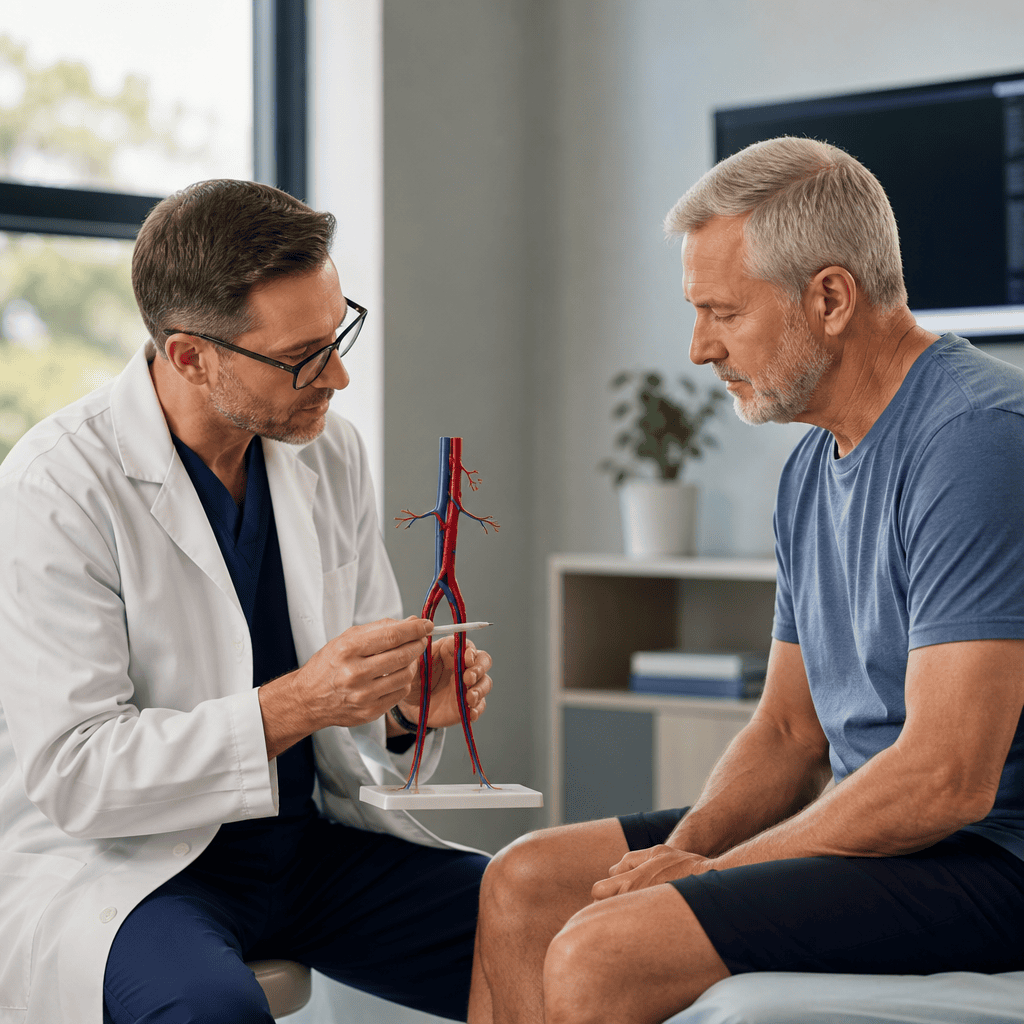
Vascular health is one of those areas of medicine that rarely gets the attention it deserves until something goes wrong. The network of arteries, veins, and lymphatic vessels running through the human body is extraordinarily complex, and when any part of it begins to fail, the consequences can be swift and serious. From peripheral artery disease to deep vein thrombosis, varicose veins to aortic aneurysms, vascular conditions affect millions of people globally — many of whom delay seeking help because they either don’t recognise the symptoms or assume the problem will resolve on its own. It won’t. Understanding when and why to consult a specialist is one of the most important steps a person can take for their long-term health.
Understanding the Vascular System and Why It Matters
The vascular system is essentially the body’s transportation network. It delivers oxygen and nutrients to every organ and tissue while simultaneously removing waste products. When this system is compromised — whether through blockages, weakened vessel walls, or poor circulation — the effects ripple outward in ways that can impact the heart, kidneys, brain, and limbs. Vascular disease is often silent in its early stages, which is precisely why it tends to be underdiagnosed until it reaches a critical point.
Risk factors include high blood pressure, diabetes, smoking, obesity, high cholesterol, and a sedentary lifestyle. Age is also a significant contributor, with the risk of most vascular conditions increasing substantially after the age of 50. However, younger individuals are not immune, particularly those with genetic predispositions or lifestyle-related risk factors that have developed early.
Common Warning Signs You Should Not Ignore
Recognising the early warning signs of vascular disease can be the difference between a manageable condition and a life-threatening emergency. Some of the most common indicators include:
Leg Pain During Physical Activity
Cramping or aching in the calves, thighs, or buttocks during walking or exercise — a condition known as claudication — is one of the hallmark symptoms of peripheral artery disease (PAD). This occurs when narrowed arteries reduce blood flow to the legs. Many people dismiss this as general fatigue or aging, but it warrants prompt medical evaluation.
Swelling, Discolouration, or Ulcers on the Legs
Persistent swelling in the lower limbs, skin that appears reddish-brown or darkened, or wounds that refuse to heal are all potential signs of chronic venous insufficiency or more serious arterial disease. These symptoms should never be self-managed without professional guidance.
Sudden Numbness or Weakness
Sudden numbness, weakness, or paralysis on one side of the body can indicate a transient ischaemic attack (TIA) or stroke — both of which are vascular emergencies. Immediate medical attention is critical in these situations.
Pulsating Abdominal Mass
A pulsating sensation in the abdomen, particularly in older men, may indicate an abdominal aortic aneurysm — a bulge in the main artery of the body that can rupture without warning. Screening for this condition is recommended for men over 65 who have ever smoked.
The Role of Diagnostic Technology in Vascular Medicine
Modern vascular medicine has been transformed by advances in diagnostic imaging. Duplex ultrasound, CT angiography, MRI, and digital subtraction angiography now allow clinicians to visualise blood vessels with extraordinary precision, identifying blockages, aneurysms, and structural abnormalities without the need for invasive procedures in many cases. These tools not only improve diagnostic accuracy but also help surgeons plan interventions with far greater confidence than was possible even a decade ago.
Minimally invasive endovascular techniques have also revolutionised treatment. Procedures such as angioplasty, stenting, and endovascular aneurysm repair (EVAR) can now be performed through small incisions, dramatically reducing recovery times and surgical risk — particularly for elderly or high-risk patients who might not tolerate open surgery well.
Recovery After Vascular Surgery: What Patients Can Expect
Recovery from vascular procedures varies considerably depending on the type and complexity of the intervention. Open surgical repairs typically require longer hospital stays and rehabilitation periods, while endovascular procedures often allow patients to return home within days. Regardless of the approach, post-operative care is a critical component of successful outcomes.
Structured recovery protocols have become increasingly important in surgical care. According to enhanced recovery after surgery (ERAS) guidelines, evidence-based perioperative care pathways — including early mobilisation, optimised pain management, and nutritional support — can significantly reduce complications and shorten hospital stays. These principles are now being applied across vascular surgery with encouraging results.
Choosing the Right Specialist and Facility
Not all vascular conditions are equal, and neither are the specialists who treat them. Choosing a vascular surgeon or physician with the right expertise, supported by a multidisciplinary team and state-of-the-art facilities, can have a profound impact on outcomes. This is especially true for complex cases involving multiple comorbidities or rare vascular conditions that require a nuanced, highly individualised approach.
Patients researching medical care across different regions often find that the quality of specialist services varies widely. Interestingly, this pattern is not unique to vascular medicine — it appears across many surgical disciplines. For example, research into what top-ranked surgical clinics have in common consistently highlights the same factors: board-certified specialists, advanced technology, transparent patient communication, and robust aftercare programmes. These benchmarks apply equally when evaluating vascular care providers.
Cleveland Clinic Abu Dhabi: A Centre of Excellence for Vascular Care
For patients in the UAE and the broader Gulf region, access to world-class vascular care has never been more accessible. Cleveland Clinic Abu Dhabi brings together internationally trained vascular surgeons and interventional specialists who manage the full spectrum of vascular conditions — from routine venous disease to complex aortic surgery. The department is equipped with cutting-edge imaging and endovascular technology, and operates within a multidisciplinary framework that ensures each patient receives a comprehensive, coordinated care plan.
If you are experiencing symptoms that may indicate a vascular condition, or if you have been referred for a specialist opinion, consulting a vascular specialist Abu Dhabi at Cleveland Clinic Abu Dhabi ensures you have access to the same standard of care as the world’s leading medical institutions. The team’s approach combines clinical rigour with genuine patient-centred care, making it a trusted destination for vascular medicine in the region.
Prevention: The Most Underrated Aspect of Vascular Health
While treatment options have improved dramatically, prevention remains the most powerful tool available. Lifestyle modifications — including regular physical activity, a heart-healthy diet, smoking cessation, and effective management of blood pressure, cholesterol, and blood sugar — can significantly reduce the risk of developing vascular disease in the first place. Regular health screenings, particularly for those with known risk factors, allow conditions to be identified and addressed before they escalate.
Patients who have already been diagnosed with a vascular condition should work closely with their care team to manage risk factors aggressively. Medication adherence, lifestyle changes, and regular follow-up appointments are all essential components of long-term vascular health management.
Conclusion
Vascular health is not a niche concern — it is central to overall wellbeing and longevity. The symptoms of vascular disease are often subtle in the early stages, which makes awareness and proactive screening all the more important. Whether you are managing a known condition, experiencing unexplained symptoms, or simply want to understand your risk profile better, seeking expert guidance from a qualified vascular specialist is always the right decision. With the right care team and the right facility, the vast majority of vascular conditions can be managed effectively — and in many cases, prevented altogether.
