
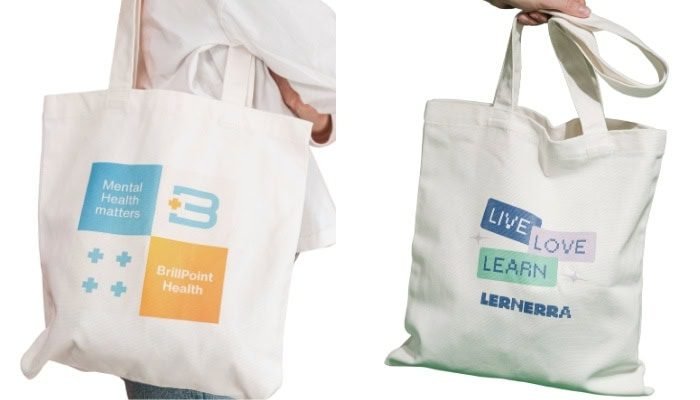
Personalised products have become one of the most popular routes into small-scale selling. Mugs, tumblers and T-shirts get most of the attention, but bags are quietly one of the most profitable categories to work with. They’re useful, they’re easy to post and people buy them for all sorts of reasons, from hen parties and school leavers to corporate events and small brand launches.
If you’re thinking about adding bags to your range, or starting a personalisation business from scratch, the blanks you choose will shape almost everything that follows.
Why bags are worth considering
The appeal is simple. A well-decorated bag has a higher perceived value than many other personalised items, so there’s room for a healthy margin. Bags are also practical, which means customers are more likely to use them regularly and show them off to friends.
Demand isn’t limited to one season either. Totes and drawstring bags sell well in summer for festivals and holidays, backpacks pick up in late summer for back to school, and gift-style bags do well in the run-up to Christmas. Having a small range of customisable bags in stock gives you something to sell throughout the year rather than relying on one peak.
Matching the bag to the decoration method
Not every bag suits every technique. Before you buy stock, it helps to know which method you’ll be using most.
Heat transfer vinyl (HTV) is where many sellers start. It works well on cotton and polyester totes, but you’ll need a flat, even surface and a fabric that can handle the heat. Thin, cheap bags can scorch or shrink, so it’s worth testing temperatures on a spare before running a batch.
Sublimation gives vibrant, full-colour results but only works on light-coloured polyester or polyester-coated fabrics. Cotton won’t hold the ink, so if sublimation is your main method, check the fabric content carefully.
Direct to film (DTF) transfers have become popular because they work on a wider range of fabrics, including cotton, canvas and blends. They’re a good middle ground for sellers who want flexibility.
Embroidery gives a premium finish and suits heavier canvas, jute and structured bags. It takes longer and needs more equipment, but embroidered bags often sell for noticeably higher prices.
Screen printing is best for larger runs of the same design, such as corporate orders or event merchandise, where setup costs can be spread across many units.
What to look for in a blank
The quality of the blank makes a bigger difference than many new sellers expect. A few things are worth checking.
Fabric weight. Heavier cotton and canvas holds its shape better and gives a more professional finish. Very light fabrics can look cheap once decorated, even if the design itself is good.
Print area. Some bags have seams, pockets or gussets that get in the way of a press. A clear, flat panel makes life much easier, especially with a heat press.
Handle length and strength. Customers notice when handles are too short to wear over a shoulder or feel flimsy when the bag is full.
Consistency between batches. If you’re selling online, customers expect the bag they receive to look like the photo. Blanks that vary in colour or size between orders cause returns and complaints.
Sustainability credentials. Organic cotton, recycled polyester and natural fibres like jute are increasingly popular with buyers, and they give you a selling point for eco-conscious customers.
Setting up your equipment
A flat heat press is fine for totes and drawstring bags, but backpacks and structured bags can be awkward. Pressing pillows, which are small heat-resistant cushions placed inside the bag, help create an even surface and stop seams and zips leaving marks.
Teflon sheets or parchment protect both the bag and the press, and heat-resistant tape keeps transfers in place. None of these cost much, but they make a big difference to consistency.
Pricing and profit
When working out your prices, include the cost of the blank, the transfer or vinyl, packaging, postage and the time spent on each order. Many new sellers underprice because they only count materials.
Offering tiered pricing for bulk orders is an easy way to attract businesses, schools and event organisers. A single hen party or corporate order can be worth more than a week of individual sales.
Finding your niche
The personalised market is busy, so it pays to specialise. Some sellers focus on weddings, others on teachers’ gifts, pets or small business branding. A clear niche makes it easier to design products people actually want and to market them to the right audience.
Bags work well across almost every niche, which is part of the reason they’re such a useful product to master early on.
Getting started
Begin with a small selection of blanks in two or three styles, test your decoration method thoroughly and photograph the results well. Once you know which bags sell and which techniques you’re most confident with, it’s much easier to scale up without wasting stock.
Get the blanks right, and the rest of the business has a far better chance of following.
