
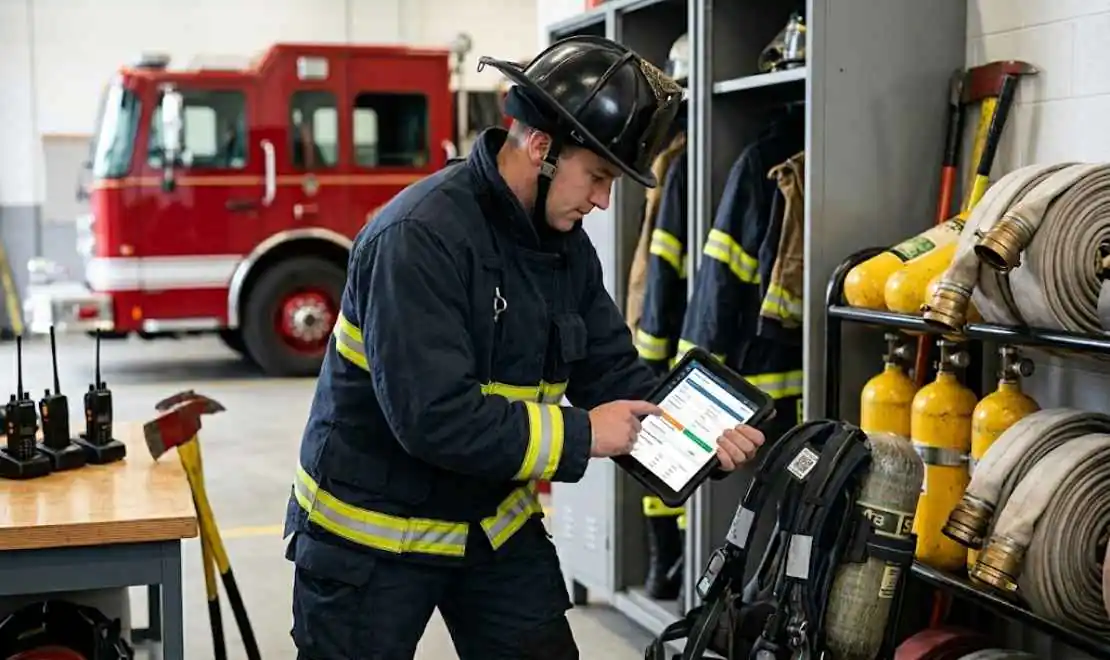
Fire departments across the country face mounting pressure to do more with fewer resources. Managing personnel, equipment, budgets, and emergency response protocols requires coordinated effort and accurate data. Modern technology now offers solutions that streamline these operations and improve firefighter safety in ways that were impossible just a decade ago. The right tools can transform how departments function, from the station to the scene of an emergency.
1. Computer-Aided Dispatch and Mobile Platforms
Computer-aided dispatch (CAD) systems have evolved far beyond simple call logging. Modern CAD platforms integrate real-time mapping, traffic data, and predictive analytics to route units more efficiently. These systems automatically suggest the nearest available resources and account for road conditions, weather, and historical response times. Firefighters receive dispatch information directly on mobile devices before they even leave the station, reducing confusion and response delays.
Integration with mobile platforms means crews can access critical building information, hazmat data, and pre-incident plans while en route to emergencies. Instead of arriving at an unfamiliar commercial building with no knowledge of its layout or fire suppression systems, firefighters can review this information during transit. This preparation saves precious minutes during active emergencies and reduces the risk of crews encountering dangerous surprises at the scene. Departments using these integrated systems report faster dispatch times and more informed tactical decisions by incident commanders.
2. Predictive Analytics and Resource Planning
Data analytics tools help fire departments predict where emergencies are most likely to occur and when staffing demands will peak. By analyzing historical call data, population density, and seasonal patterns, these systems identify high-risk zones and time periods requiring additional resources. For example, a department might discover that certain neighborhoods experience higher fire call volumes during winter months, allowing them to staff accordingly before the season begins.
Resource optimization extends to equipment maintenance and replacement schedules as well. Analytics platforms track vehicle and apparatus performance, predicting failures before they happen. This prevents critical equipment from breaking down during an emergency and helps departments budget replacement costs more accurately. Personnel scheduling becomes more efficient too, as analytics can forecast staffing needs based on expected call volumes and ensure adequate coverage across all shifts and stations.
3. Wearable Technology and Health Monitoring
Modern wearable devices track firefighter vital signs and environmental conditions in real time during emergency response. Smart helmets equipped with heads-up displays provide incident commanders with situational awareness, while body-worn sensors monitor heart rate, body temperature, and air quality. If a firefighter’s vital signs exceed safe thresholds, the system alerts incident command and can trigger automatic rescue protocols.
These devices also improve accountability and safety at emergency scenes. Automated tracking systems ensure all personnel are accounted for during operations and can identify if someone has become separated from their crew. After emergencies, departments use data from wearable devices to evaluate physiological stress and recovery, informing training and operational decisions. Early warning capabilities represent a significant advancement in protecting one of the most dangerous occupations, as timely alerts can prevent medical emergencies among responders.
4. Station Management and Scheduling Software
Comprehensive station management platforms handle payroll, scheduling, training records, and maintenance logs in a centralized system. Firefighters can access their schedules, request time off, and complete required certifications through mobile apps that sync with the station’s main database. This reduces administrative burden on station officers and minimizes scheduling conflicts or missed training deadlines.
Training compliance becomes easier to track when all certifications, continuing education hours, and skill verifications are stored in one searchable database. Managers can quickly identify which personnel hold current certifications for specific tasks or which crews need refresher training before certain operations. When departments need to coordinate overlapping shift patterns across multiple stations and ensure round-the-clock coverage, fire department scheduling software helps administrators assign personnel efficiently while automatically flagging compliance gaps and upcoming certification expirations. Automating these administrative tasks frees up time for station leadership to focus on operational readiness and firefighter development.
5. Thermal Imaging and Scene Mapping Technology
Advanced thermal imaging cameras have become standard tools for firefighting operations, and newer models integrate with mobile devices and command systems. These cameras detect heat sources through smoke and darkness, helping crews locate fire sources and trapped occupants. Integration with digital mapping systems creates visual records of the emergency scene that support incident analysis and post-operation reviews.
Three-dimensional scene mapping technology allows departments to document complex emergencies with unprecedented detail, creating valuable training materials and helping incident commanders reconstruct what happened during operations. When multiple agencies respond to large incidents, shared mapping data ensures everyone operates from the same situational picture. This technology has proven particularly valuable for departments training personnel on new procedures or analyzing lessons learned from significant incidents.
6. Cloud-Based Records and Interoperability Systems
Cloud-based platforms enable different agencies to share incident information, personnel records, and resource data across jurisdictions. When mutual aid is requested during major emergencies, neighboring departments can instantly access information about available resources, specialized equipment, and trained personnel. This interoperability reduces confusion during multi-agency responses and ensures better coordination among responders from different organizations.
Cloud systems also provide secure backup for critical department data, protecting against loss from equipment failure or disasters. Personnel records, training documentation, and equipment inventories remain accessible even if primary systems fail. Additionally, cloud platforms often include analytics tools that help departments track performance metrics, response times, and operational trends across their entire jurisdiction over months or years.
Conclusion
Fire department management is becoming increasingly sophisticated as technology provides better tools for scheduling, resource allocation, emergency response, and safety monitoring. These innovations span from backend administrative systems to frontline firefighter equipment, creating a connected ecosystem that improves both operational efficiency and personnel safety. Departments that adopt these technologies strategically gain advantages in response times, cost management, and incident outcomes. The investment in modern management systems pays dividends through reduced administrative overhead, fewer scheduling errors, and better-prepared personnel responding to emergencies. As fire departments continue facing resource constraints, implementing new management technology becomes not just an advantage but an essential component of effective service delivery.
