
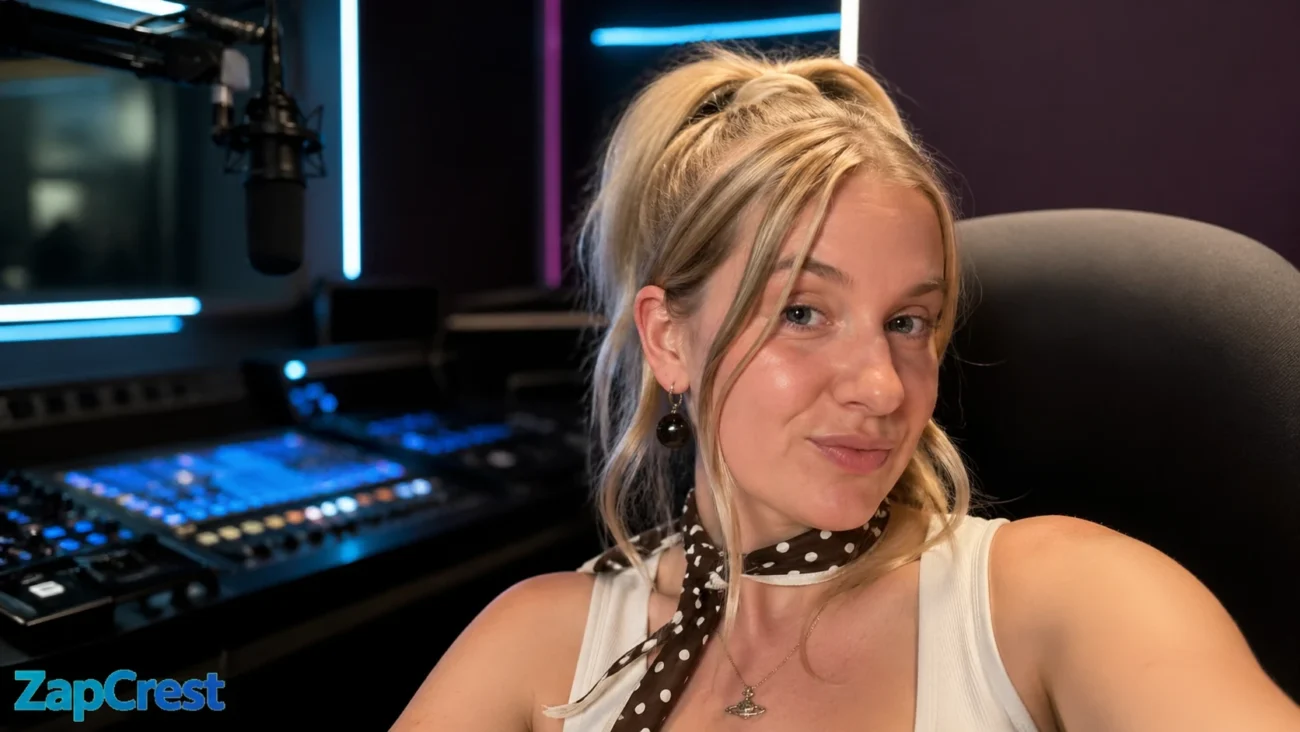
Danni Diston’s career has the shape of a modern broadcasting story, but not the overnight kind. She did not arrive at BBC Radio 1 through a single viral clip, a reality show, or a family name that opened doors before she spoke into a microphone. Her route ran through student media, repeated cover shifts, shared ambition, and the slow test of sounding natural in a format where every pause counts. For listeners who know her as one half of Sam & Danni, that easy warmth on air is the visible part of a career built through practice.
Diston is best known as a BBC Radio 1 presenter and the regular co-host of Sam MacGregor. Together, Sam & Danni have become part of Radio 1’s newer generation of presenters, moving from university radio to the BBC’s national youth network. Their story is closely tied to Cardiff, where they studied, presented student radio, and later returned to host a major Radio 1 weekend show. It is also a story about how national radio still finds some of its most promising voices in small studios, student unions, and early-morning shifts.
Early Life and Family Background
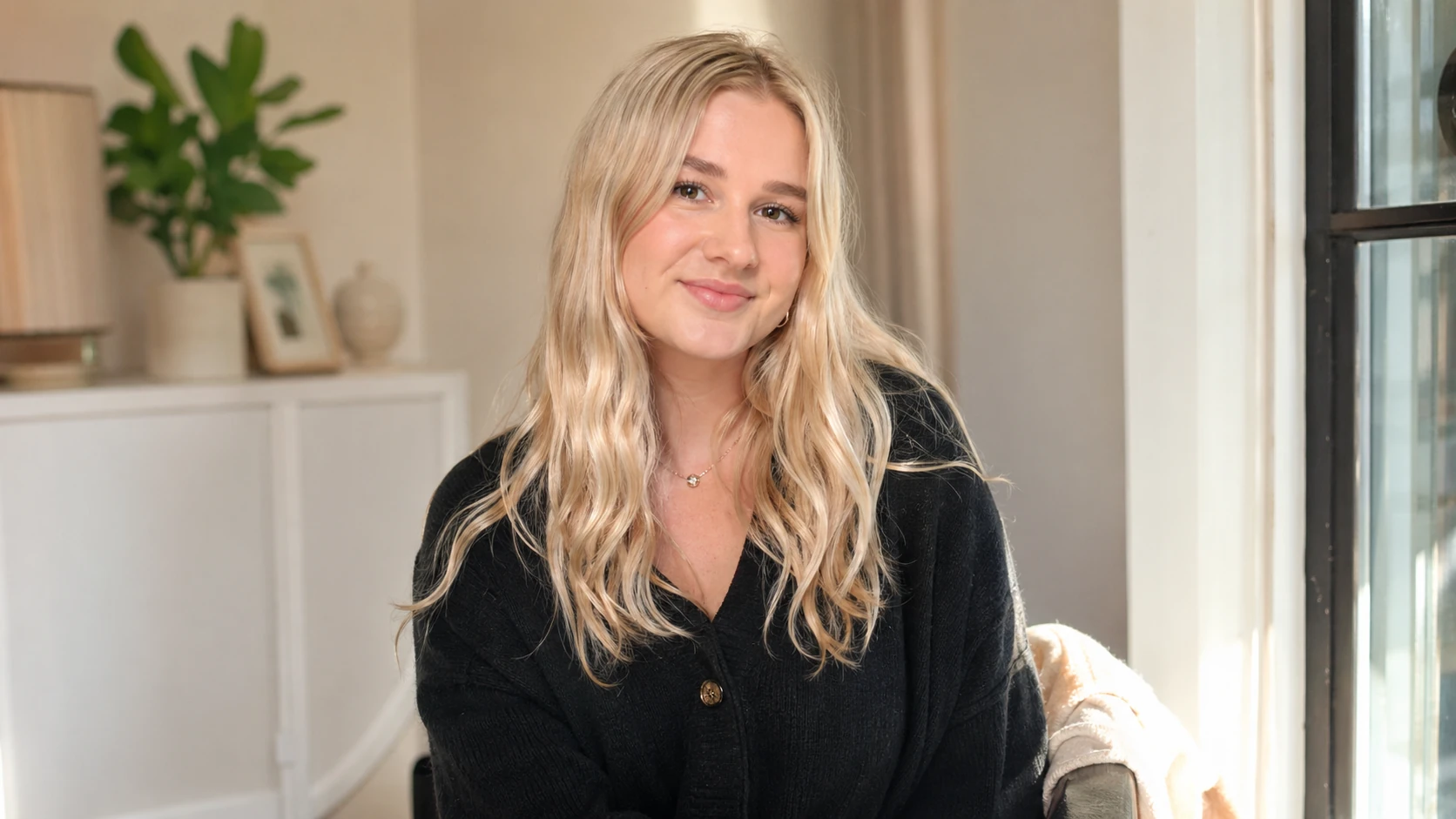
Danni Diston is from Cornwall, a detail that appears consistently in reliable industry coverage of her Radio 1 career. Cornwall matters in her story because it places her outside the usual London-centered media route that dominates many British broadcasting biographies. Her public image is not built around a highly exposed family life or celebrity upbringing, and there is no strong public record that confirms detailed information about her parents, siblings, or childhood household. That absence should not be treated as mystery; it is simply a boundary between her public work and private life.
Because Diston has not made family biography the center of her profile, responsible writing about her has to resist filling the gaps. Many online searches for presenters ask about parents, partners, and childhood stories, but not every public figure has offered those details for public use. What can be said with confidence is that she came from Cornwall before studying in Cardiff and entering student media. Her career suggests an early comfort with performance, conversation, and live communication, but the exact roots of that interest have not been fully documented in public sources.
That privacy has shaped the way audiences know her. Diston is visible through her work rather than through an ongoing personal publicity machine. In a media culture that often rewards oversharing, her public record feels comparatively work-led. Listeners know her voice, her partnership with Sam MacGregor, and her place in Radio 1’s schedule before they know much about her home life.
Education and First Ambitions
Diston studied at Cardiff University, where she completed a degree in Journalism, Media and English Literature and graduated in 2019. That choice of degree fits neatly with the career that followed, combining writing, media awareness, and storytelling. Cardiff was not just a place where she studied; it became the setting for the professional partnership that would define her early national career. It was there that she began presenting with Sam MacGregor on Xpress Radio, the university’s student station.
Student radio is often described casually, but it is serious training for people who use it properly. Presenters learn how to build a show, read the room, handle technical problems, speak to guests, and keep energy alive when there is no production team smoothing every edge. Diston’s years in Cardiff gave her that kind of working laboratory. The future BBC presenter was learning not only how to talk, but how to listen, react, and hold a live audience.
Her student media work was not limited to music radio. Cardiff Student Media records also show her involved with Cardiff Union Television, where she served as head of news in 2018. That early news role matters because it points to a broader media foundation than casual entertainment presenting alone. Before national radio listeners knew her as a weekend voice, she had already worked in formats that required clarity, judgment, and responsibility.
Meeting Sam MacGregor and Forming Sam & Danni
The central professional relationship in Diston’s public life is her partnership with Sam MacGregor. The two began presenting together at Cardiff University, and their pairing became the basis for the brand listeners now know as Sam & Danni. Radio duos are difficult to fake because chemistry has to survive repetition, pressure, and the boredom of ordinary moments. The fact that their partnership lasted beyond university suggests a working connection that was more than a convenient student pairing.
Sam & Danni’s appeal comes from the feeling that they are letting listeners into an existing friendship rather than performing one from scratch. That distinction matters in radio, where forced banter can age badly within minutes. A good duo has to interrupt without derailing, disagree without souring the mood, and make a private joke feel open enough for strangers to enjoy. Diston’s role in that dynamic is grounded, quick, and conversational.
Their early work won attention in student broadcasting circles, including recognition for entertainment presenting. That gave them a useful calling card, but student awards alone rarely carry someone into national radio. The real value was experience under conditions where mistakes teach fast. By the time the BBC opportunity arrived, Sam & Danni had already spent years learning how to sound like themselves.
The Radio 1 Christmas Takeover
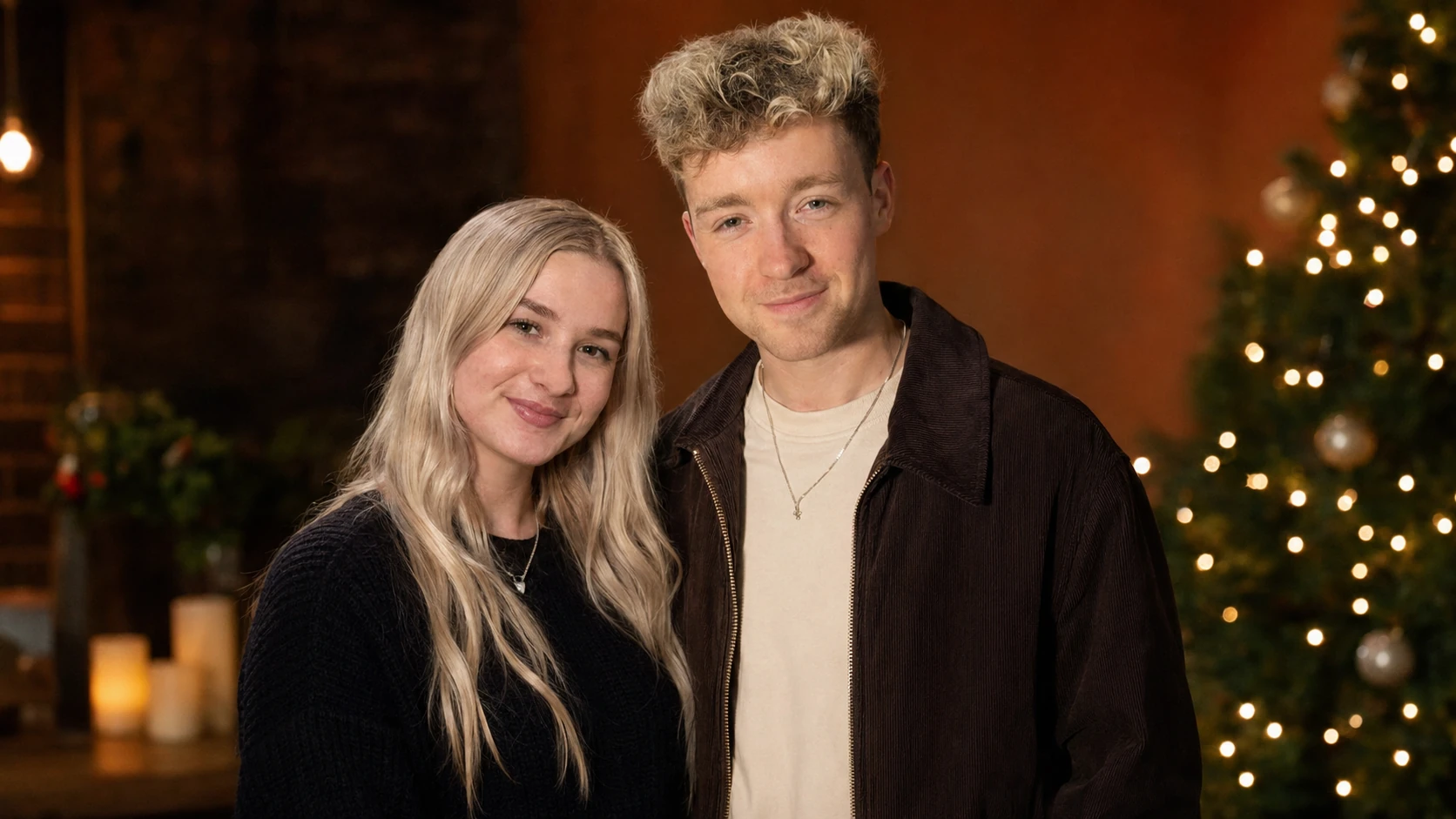
The major national break came in 2020 through BBC Radio 1’s Christmas Takeover. The initiative brought new presenters onto the station during the festive schedule, giving young and emerging talent a chance to host shows on a national platform. Diston and MacGregor were selected as part of that intake and appeared together on Radio 1’s Life Hacks. At the time, Diston was identified in industry coverage as a 23-year-old presenter from Cornwall.
That Christmas opportunity was not a decorative guest slot. Radio 1 is a station with a deeply loyal audience, and even temporary presenters are judged quickly by listeners who know the station’s rhythm. Diston had to sound relaxed while stepping into one of the most recognizable youth radio brands in the UK. The fact that she and MacGregor were invited back for more work shows the appearance achieved what it needed to achieve.
The timing also matters. The 2020 media environment was shaped by pandemic disruption, remote production, and a broadcasting industry trying to keep audiences connected through strange conditions. New presenters had to prove they could be flexible as well as likeable. Diston’s entry into national radio came during a period when live communication carried extra emotional weight.
Building a Career Through Cover Shifts
After the Christmas Takeover, Diston and MacGregor did not immediately land a permanent headline slot. Instead, they built credibility through cover presenting across BBC Radio 1 and related shows. Cover work can look minor from the outside, but inside broadcasting it is one of the clearest tests of trust. A station needs presenters who can step into different formats without losing pace, tone, or editorial control.
Diston’s development during this period is important because it explains why her later appointment felt earned. She and MacGregor covered shows including Life Hacks, The Official Chart: First Look, and other parts of the Radio 1 schedule. Each assignment asked them to adapt to a slightly different audience expectation. That kind of repetition creates presenters who can handle pressure without sounding as though they are handling pressure.
For many listeners, cover presenters are how new voices become familiar. A person hears them once in for someone else, then again on a different weekend, then eventually recognizes the name. Diston’s rise followed that pattern. She became part of Radio 1’s trusted bench before she became a fixed point on the timetable.
Weekend Breakfast and the Cardiff Milestone
In 2023, Diston and MacGregor were appointed as hosts of BBC Radio 1’s Weekend Breakfast. The show began with them in September of that year, airing on Saturday and Sunday mornings. It was a major appointment for both presenters because Weekend Breakfast is a visible slot with a steady audience and strong association with the station’s identity. For Diston, it marked the move from promising cover presenter to regular national host.
The appointment carried extra meaning because the show came live from Cardiff. Cardiff University described the move as the first regular daytime Radio 1 programme to broadcast live from Wales. That gave the show a symbolic value beyond the two presenters’ careers. Diston and MacGregor were not only hosting a national programme; they were part of the BBC’s wider effort to spread production beyond London.
For Diston, the Cardiff setting closed a circle. The city where she had studied, worked in student media, and formed her presenting partnership became the place from which she spoke to a national audience. That kind of continuity is rare in broadcasting, where early training grounds are often left behind once presenters move up. Her Weekend Breakfast chapter made Cardiff not just a backdrop, but part of the story.
On-Air Style and Public Image
Diston’s public image is warm, quick, and accessible. She does not present as a distant media personality, and that is part of why her work fits Radio 1. The station’s strongest presenters often sound like informed friends rather than announcers reading from a polished script. Diston’s style sits in that tradition, with a focus on conversation, pace, and shared energy.
There is a difference between sounding casual and being casual. Live radio requires discipline even when the final product feels relaxed. Presenters must hit timings, manage music beds, read listener messages, respond to producers, and adjust tone during breaking or sensitive moments. Diston’s work with Sam MacGregor depends on making all of that invisible to the audience.
Her public profile has grown without becoming overexposed. That is partly because she has stayed associated with the work rather than with personal spectacle. Listeners who search her name often want biographical facts, but what they find most clearly is a presenter still in the active building stage of her career. Her image is less about celebrity mythology and more about professional momentum.
Festivals, Live Events, and Screen Work
Diston’s work has also moved beyond the studio. Sam & Danni have been associated with festival coverage including Reading and Leeds, Boardmasters, and Radio 1’s Big Weekend. They have also presented for BBC iPlayer, which places them in the wider world of visual music broadcasting. For a modern radio presenter, that cross-format experience is increasingly important.
Festival presenting is a different job from sitting in a controlled studio. The energy is louder, the schedule is less forgiving, and the presenter has to move between artist interviews, crowd atmosphere, and live production demands. Diston’s presence in those settings shows that Radio 1 sees her as more than a voice for a fixed slot. She is part of a generation of presenters expected to work across audio, video, social clips, and live events.
That broader work helps explain her growing recognition. A listener may first hear her on a weekend show, then see a clip from a festival, then notice her name in coverage of a BBC event. Each appearance builds familiarity without needing a single dramatic star-making moment. Diston’s career has grown through accumulation, which is often how durable broadcasting careers are made.
Moving to Weekend Afternoons
After Weekend Breakfast, Sam & Danni moved into a new Radio 1 weekend afternoon slot. The move placed them on air on Fridays, Saturdays, and Sundays from early afternoon, a different rhythm from breakfast radio. Morning shows have a wake-up function, but afternoons often sit closer to music, plans, travel, sport, and social life. That shift gave the duo room to bring a more open weekend energy to the station.
The change should not be read as a retreat. Presenter schedules at Radio 1 often shift as the station refreshes its sound and balances regional production, audience habits, and internal talent development. Moving from Weekend Breakfast to Weekend Afternoons kept Sam & Danni inside the station’s regular presenter lineup. For Diston, it confirmed continued trust from Radio 1.
Afternoons also suit presenters who can sound lively without becoming exhausting. Diston and MacGregor’s partnership has the kind of ease that works well in that space. They can carry music-led radio, listener interaction, and live event energy without needing every segment to feel heavily produced. That balance is a key part of why their pairing has continued.
Money, Income Sources, and Net Worth
There is no credible public confirmation of Danni Diston’s exact salary or net worth. That is common for BBC presenters who are not among the corporation’s highest-paid publicly disclosed talent. The BBC publishes information about high-earning on-air figures above certain thresholds, but many presenters’ earnings are not individually listed. Any precise figure attached to Diston’s net worth online should be treated as an estimate unless supported by reliable financial reporting.
Her likely income sources are straightforward. They include BBC presenting work, live hosting, festival coverage, possible DJ engagements, and other media appearances connected to Sam & Danni. Talent profiles also present the duo as bookable for events, which suggests work beyond standard radio shifts. Still, without verified contracts or accounts, it would be misleading to assign a firm number.
The more meaningful financial story is career position. Diston is not a legacy celebrity with public business holdings or a long portfolio of commercial ventures. She is a working broadcaster building value through regular national exposure, live-event credibility, and a recognizable partnership. That can lead to larger opportunities, but responsible biography should not turn possibility into fact.
Relationships and Private Life
Diston’s romantic life is not well documented in reliable public sources. There is no widely verified record of a spouse, marriage, or children attached to her name. That does not mean anything dramatic; it simply means she has not made those details central to her public identity. A biography should respect that line rather than dressing uncertainty up as intrigue.
Her closest public relationship is professional: the long-running partnership with Sam MacGregor. Because they present as Sam & Danni, some casual readers may wonder if the relationship is personal as well as professional. The reliable public record supports their identity as co-hosts, friends, and collaborators who began presenting together at Cardiff. Anything beyond that should not be stated as fact without confirmation.
This matters because young presenters are often subjected to a kind of curiosity that older, more established broadcasters can more easily deflect. Search interest can blur the boundary between public work and private entitlement. Diston’s career can be understood without speculating about her dating life. The verified story is already strong enough.
Awards, Recognition, and Industry Standing
Diston’s early recognition came through student media and the wider student radio circuit. Sam & Danni received attention for entertainment presenting while building their partnership at Cardiff. Those student-level achievements helped mark them as a duo with promise, but their later BBC work gave that promise national proof. Awards matter most here as signs of a training path that led somewhere concrete.
Cardiff University later included Diston in its alumni recognition, connecting her career to the university’s wider story of graduates making an impact. That recognition is meaningful because it comes from the institution where her broadcasting path took shape. It also reflects the pride attached to a national Radio 1 show being broadcast from Cardiff. Diston’s success became part of a local and university media story as much as a personal career milestone.
In the industry, her standing is tied to reliability and upward movement. Radio 1 does not hand regular slots to presenters it cannot trust with pace, audience tone, and live performance. Diston has moved from student radio to Christmas cover, from cover work to Weekend Breakfast, and from there to Weekend Afternoons. That progression is the clearest measure of her professional reputation.
Setbacks, Pressure, and the Hard Part of Being New
There are no major public controversies attached to Diston’s name in the reliable record. That does not mean the path has been easy. The hard part of emerging in national radio is often quieter than scandal: constant comparison, public judgment, schedule uncertainty, and the pressure to sound effortless while still proving yourself. Young presenters have to build trust with both audiences and executives at the same time.
Radio 1’s audience can be affectionate, but it is also alert to change. Listeners notice when favorite presenters leave, when shows move, and when new voices arrive. Diston and MacGregor entered that world during a period of wider Radio 1 schedule shifts, which means their work was heard not in isolation but against audience habits already formed around other presenters. Winning space in that environment takes patience.
There is also the challenge of being half of a duo. A solo presenter can shape public perception around one voice, but a duo must succeed as a unit while still allowing each person to be recognizable. Diston’s public identity is linked closely to Sam & Danni, which has helped her rise and may also shape how audiences understand her individual profile. That is not a weakness; it is the tradeoff of a partnership that works.
Current Status
Danni Diston is currently best understood as an active BBC Radio 1 presenter within the Sam & Danni partnership. Her most recent established role is the weekend afternoon show with Sam MacGregor, following their time on Weekend Breakfast. She also continues to be associated with live events, festival presenting, and cover work connected to the station. Her career is still in motion rather than fixed in a retrospective frame.
The important point is that Diston has moved beyond being a newcomer but is not yet a finished media institution. She sits in that interesting middle stage where a presenter has national recognition, a regular platform, and enough experience to be trusted with bigger assignments. What comes next could include more high-profile Radio 1 work, television-facing music coverage, event hosting, or other BBC projects. The public evidence points to a broadcaster whose range is still expanding.
Her story also remains tied to place. Cornwall is part of her origin, Cardiff is part of her formation, and Radio 1 is the platform that made her widely visible. That geography gives her biography a clearer shape than many short online profiles capture. She is not just a name on a schedule; she is part of a route through regional talent, student broadcasting, and national media.
Frequently Asked Questions
Who is Danni Diston?
Danni Diston is a British radio presenter best known for her work on BBC Radio 1 as one half of Sam & Danni. She presents with Sam MacGregor, her longtime co-host from Cardiff University student radio. Her career has included Radio 1’s Christmas Takeover, cover presenting, Weekend Breakfast, Weekend Afternoons, and festival coverage. She is from Cornwall and studied Journalism, Media and English Literature at Cardiff University.
Where is Danni Diston from?
Danni Diston is from Cornwall, according to reliable radio industry coverage of her BBC career. Cardiff is also central to her public story because she studied there and began presenting with Sam MacGregor at Cardiff University. She later returned to Cardiff professionally when Sam & Danni hosted Radio 1’s Weekend Breakfast from the city. That combination of Cornwall and Cardiff gives her career a strong regional identity.
How did Danni Diston become famous?
Diston became known through radio rather than through celebrity culture. Her national breakthrough came when she and Sam MacGregor were selected for BBC Radio 1’s Christmas Takeover in 2020. After that, the pair built their reputation through cover presenting across the station. Their appointment to Radio 1’s Weekend Breakfast in 2023 made them much more visible to regular listeners.
Is Danni Diston married?
There is no reliable public confirmation that Danni Diston is married. She has not made her romantic life a major part of her public profile, and responsible sources focus mainly on her broadcasting career. Some search users may look for relationship details because she works closely with Sam MacGregor, but the verified record identifies them as co-hosts and professional partners. Anything beyond that should be treated as unconfirmed.
What is Danni Diston’s net worth?
Danni Diston’s exact net worth is not publicly confirmed. Online figures should be treated with caution unless they come from reliable financial reporting, which is not currently available for her. Her income likely comes from BBC presenting, live hosting, festival coverage, DJ work, and related media appearances. A precise number would be guesswork, so it is more accurate to describe her as a working national broadcaster building a growing career.
What did Danni Diston study?
Danni Diston studied Journalism, Media and English Literature at Cardiff University and graduated in 2019. That course connects directly to her later work in broadcasting, where storytelling, media judgment, and audience awareness are central skills. While at Cardiff, she became involved in student media, including Xpress Radio and Cardiff Union Television. Those experiences helped form the foundation of her professional career.
What show does Danni Diston present now?
Danni Diston is best known currently for presenting with Sam MacGregor as Sam & Danni on BBC Radio 1. After hosting Weekend Breakfast, the duo moved into a weekend afternoon slot on the station. They have also been associated with cover shows and festival coverage for the BBC. As with all broadcast schedules, exact times can change, but her current public identity remains strongly tied to Radio 1.
Conclusion
Danni Diston’s biography is not a story of instant fame. It is a story of a broadcaster who learned the job in student media, found a durable creative partnership, and earned national opportunities by doing the work repeatedly. That makes her rise feel more grounded than glamorous, and more useful for understanding how radio careers are actually built. Her path shows that personality matters, but preparation matters just as much.
What stands out most is the consistency of the route. Cornwall, Cardiff, Xpress Radio, BBC Radio 1’s Christmas Takeover, cover shifts, Weekend Breakfast, and Weekend Afternoons each mark a step rather than a sudden leap. Diston’s public life has stayed centered on presenting, not manufactured drama. That steadiness is part of her appeal.
For listeners, Danni Diston matters because she represents a newer Radio 1 voice shaped by regional roots, student media, and live broadcasting discipline. Her career is still young enough to change shape, but established enough to be taken seriously. The next stage will show how far that combination of warmth, timing, and persistence can carry her.
