
Mike Wolfe built a television career by noticing what other people were ready to throw away. On American Pickers, the longtime collector moved through barns, sheds, garages, and back lots with the curiosity of someone who believed every rusted sign and weathered motorcycle carried a story. But the mike wolfe passion project that now draws so much attention is larger than antiques. It is the life’s work of a man who turned picking into a public argument for saving old America before it disappears.
Wolfe is best known as the creator and star of American Pickers, the History Channel series that premiered in 2010 and made him one of the most recognizable figures in the antiques and collectibles world. The show turned a private trade into mainstream entertainment, giving viewers a front-row seat to negotiations, family collections, forgotten objects, and the emotional pull of memory. Long before that success, Wolfe was already a picker in the plainest sense: someone who searched for value in places most people ignored.
His public image is tied to motorcycles, vintage signs, small towns, and the back roads between them. Yet the more revealing part of his story is not only what he buys, but what he chooses to preserve. Through Antique Archaeology, Two Lanes, Columbia Motor Alley, restored guesthouses, and other preservation-minded work, Wolfe has moved from collecting objects to restoring places. That shift explains why people search for his passion project in the first place: they want to understand what he is really building now, beyond the television frame.
Early Life and Family
Mike Wolfe was born on June 11, 1964, in Joliet, Illinois, and grew up in Bettendorf, Iowa. His childhood has often been described as modest, and he has spoken publicly about being raised by a single mother with his siblings. That background matters because his later career did not begin with a polished antiques education or inherited access to fine collections. It began with curiosity, necessity, and a child’s instinct that discarded things could still have use.
As a boy, Wolfe became fascinated with bicycles, old parts, and the thrill of finding something that others had missed. The story often told about his early picking life begins with a discarded bicycle, a fitting origin for someone who later became known for motorcycles and transportation history. Whether the object was a bike, a sign, or a machine part, Wolfe learned early that value was not always obvious. That lesson would become the foundation of his career and his public philosophy.
Iowa also shaped his sense of place. Bettendorf and the surrounding Mississippi River towns gave Wolfe a close view of working-class neighborhoods, small businesses, garages, and rural properties where old American objects tended to accumulate. Those settings later became the natural habitat of American Pickers. The show may have reached a national audience, but its emotional center came from towns like the ones Wolfe knew before fame.
The Making of a Picker
Before television, Wolfe spent decades doing the work the hard way. He searched for bicycles, motorcycles, advertising signs, folk art, and commercial pieces by following leads, knocking on doors, and building trust with collectors. Picking was not glamorous work. It required patience, cash discipline, mechanical knowledge, people skills, and a willingness to crawl through places that had not been cleaned in years.
Wolfe’s eye developed around objects connected to everyday American life. He was drawn less to formal antiques and more to things that once lived in shops, gas stations, farms, factories, and roadside businesses. That preference gave his collecting a democratic feel. He treated a battered sign or an old motorcycle tank as evidence of work, mobility, commerce, and personality.
The trade also taught him how personal possessions can become family history. Many of the people Wolfe approached were not simply sellers; they were caretakers of a parent’s garage, a spouse’s collection, or a lifetime of accumulated tools and memories. That human element later became central to his appeal on television. Viewers watched him buy objects, but they also watched him listen.
Antique Archaeology and the Road to Television
Wolfe eventually turned his picking life into Antique Archaeology, the business most closely associated with his name. The original shop in LeClaire, Iowa, became a base for his finds and a physical expression of his taste. It was not a traditional antiques store filled only with polished furniture and delicate objects. It carried the rougher, more industrial character that would later define his public brand.
The idea for American Pickers grew out of Wolfe’s belief that picking itself could make good television. That was not an obvious bet at the time. A show about two men driving around the country looking through barns could have sounded too slow or too niche for a national audience. Wolfe understood that the search was only part of the appeal; the real story was the meeting of object, owner, place, and memory.
When American Pickers premiered on History in January 2010, Wolfe became the face of a trade that had mostly operated away from mainstream attention. His longtime friend Frank Fritz joined him on the road, with Danielle Colby helping run the business side from the shop. The series found a wide audience because it combined travel, negotiation, history, humor, and nostalgia without feeling like a formal history lesson. It made picking feel accessible and turned Wolfe into a recognizable guide to overlooked Americana.
Career Breakthrough with American Pickers
The breakthrough of American Pickers changed Wolfe’s life and reshaped the public market for the kind of objects he loved. Viewers who had never thought much about gas pumps, oil cans, neon signs, circus banners, motorcycles, or old advertising began to see them differently. The show gave ordinary objects a new cultural status. It also encouraged people across the country to look again at what was sitting in their barns and basements.
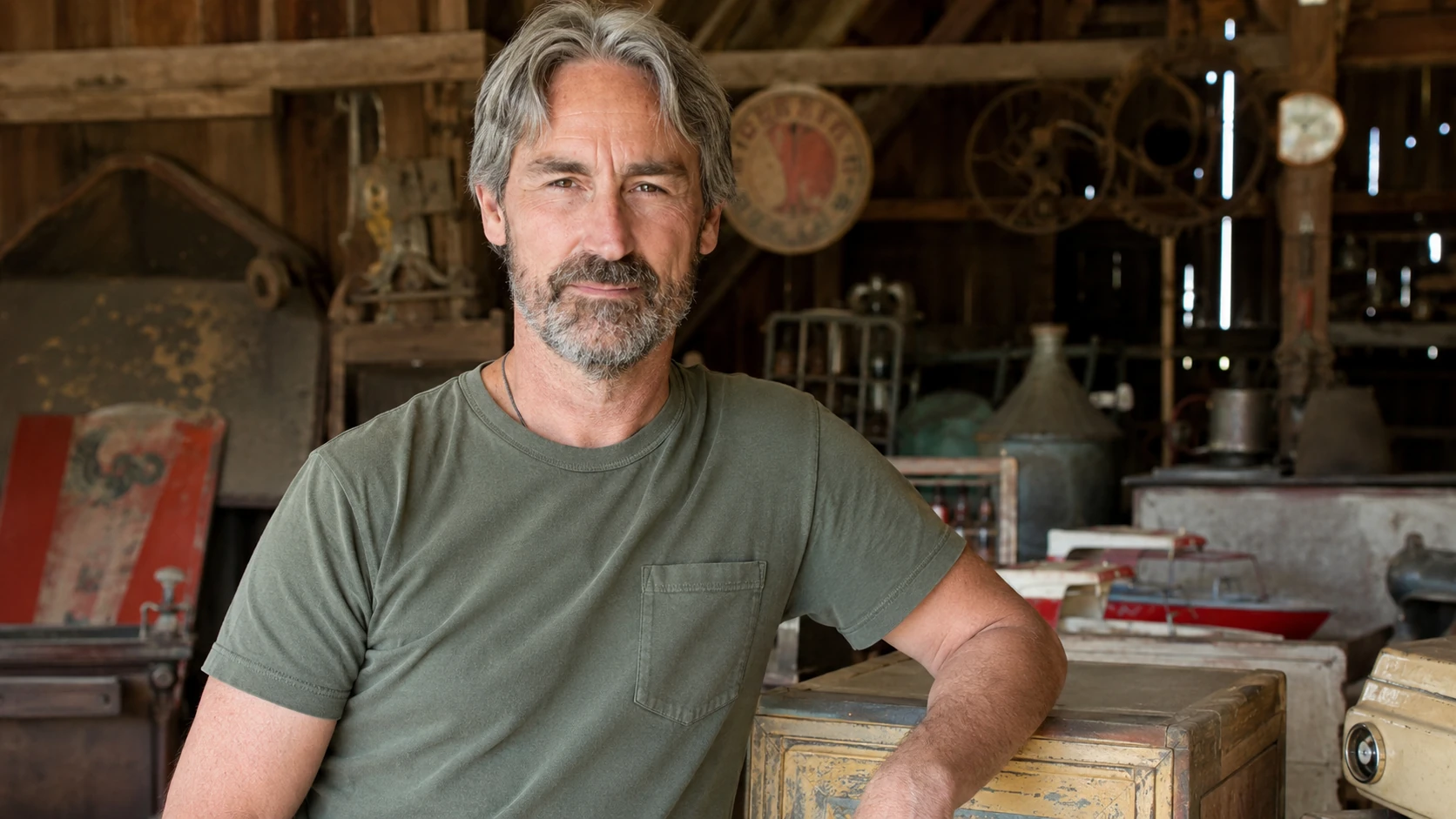
Wolfe’s television persona worked because it felt consistent with his background. He did not present himself as a distant expert delivering lectures. He came across as a curious buyer with an eye, a budget, and a strong sense of story. His best moments on the show often came when he explained why an object mattered without draining the fun from the discovery.
The series also made Wolfe part of a broader revival of interest in salvage, reuse, vintage design, and heritage travel. While interior designers and collectors had long cared about industrial antiques, American Pickers brought that taste into living rooms on a weekly basis. The show helped normalize the idea that rust, wear, and age could be signs of character rather than defects. That idea now sits at the heart of the mike wolfe passion project people search for today.
Family, Marriage, and Private Life
Wolfe’s personal life has been public in some ways and carefully guarded in others. He was married to Jodi Faeth, and the couple share a daughter, Charlie. Their divorce became public after years of marriage, and Wolfe has since been linked publicly to model and motorcycle racer Leticia Cline. As with many television personalities, public interest in his relationships often runs ahead of what he chooses to discuss himself.
His daughter has been an important part of his public life, though Wolfe has generally avoided turning fatherhood into a constant media subject. That restraint is worth recognizing. He has shared enough for fans to understand that family matters to him, but not so much that his child’s life becomes a public storyline. For a reality television figure, that boundary is meaningful.
The public also followed Wolfe’s relationship with Frank Fritz, especially after Fritz left American Pickers and later faced serious health issues. Their friendship and working partnership were part of the show’s original appeal, and reports of strain between them drew heavy fan attention. Wolfe publicly expressed support after Fritz suffered a stroke in 2022, and Fritz died in 2024. For many viewers, that loss marked the end of a defining chapter in the show’s history.
The Passion Project Takes Shape
The phrase “mike wolfe passion project” does not refer to one single official enterprise with a neat launch date. It is better understood as a group of connected projects that reflect Wolfe’s mature interests: preservation, adaptive reuse, vintage transportation, small-town identity, and back-road storytelling. The most visible examples include Two Lanes, Columbia Motor Alley, restored guesthouses, and his continuing work around old buildings and Americana. Together, they show a man trying to turn the values of picking into places people can visit.
This shift feels natural when seen against Wolfe’s whole career. For years, he saved objects from barns and sheds. Over time, the same instinct expanded toward the buildings and towns that produced those objects. A gas station sign has meaning, but the old gas station itself may hold even more. A motorcycle is valuable, but the dealership where generations once gathered has a broader civic memory.
Wolfe’s preservation work is also a way of extending his career beyond television. A show depends on ratings, seasons, networks, and cast changes. A restored building can stand apart from all of that if it is maintained and used well. That is why his passion project matters: it suggests he is not only looking backward, but trying to build a public legacy from the things he has spent his life noticing.
Two Lanes and the Romance of the Back Road
Two Lanes is the broadest expression of Wolfe’s personal brand beyond American Pickers. It gathers his affection for small towns, road trips, restored spaces, vintage goods, and American-made character into one public-facing idea. The name itself says a lot. It points away from interstates and toward slower routes where old service stations, diners, barns, and downtowns are still visible.
Through Two Lanes, Wolfe has presented travel as a way of paying attention. The concept is not just about buying things, but about noticing architecture, meeting people, supporting local businesses, and understanding how places hold memory. It fits the same emotional pattern as picking. You move slowly, look closely, and let the overlooked thing reveal itself.
Two Lanes also functions as a business, and that should not be ignored. It connects storytelling with merchandise, design, hospitality, and Wolfe’s established audience. Some fans may see it as a lifestyle brand, while others see it as preservation advocacy with a retail side. The truth is that it is both, and that mix is central to how Wolfe operates now.
Columbia Motor Alley and Historic Preservation
Columbia Motor Alley in Columbia, Tennessee, may be the clearest physical symbol of Wolfe’s passion project. The site is associated with a former Chevrolet dealership from the late 1940s, and Wolfe has presented it as a place where transportation history and preservation meet. That pairing is telling. His collecting life has always returned to movement: bicycles, motorcycles, cars, roads, signs, and the businesses that served travelers.
A former dealership is not just an attractive old building. It is a reminder of a time when local car dealers were part of a town’s public life, not only places to buy vehicles. People came there to look, talk, repair, dream, and mark changes in their family lives. Saving such a space means preserving a piece of how twentieth-century communities moved and gathered.
Columbia, Tennessee, has become one of Wolfe’s most important public settings. The town offers historic buildings, a walkable downtown, and proximity to the cultural energy around Middle Tennessee without being swallowed by Nashville. Wolfe’s work there fits into a broader pattern of renewed interest in smaller Southern towns. But his role is not simply that of a celebrity investor; it is more personal, rooted in his long attachment to buildings that still carry the marks of use.
Guesthouses, Shops, and Livable History
The Two Lanes Guesthouse projects show another side of Wolfe’s preservation thinking. Rather than placing picked objects behind glass, he has helped create spaces where guests can live among them for a short time. This approach turns antiques into atmosphere, but it also gives old buildings an active use. A restored loft or house has a better chance of survival when it has a reason to stay occupied.
The Columbia guesthouse has been promoted as a historic downtown space filled with Wolfe’s finds and Americana design. For fans, the appeal is clear. Staying there offers a more intimate connection to his world than visiting a shop or watching an episode. The objects are no longer only television props or inventory; they become part of the room’s texture.
This model also reveals the tension inside the passion project. Hospitality can help preservation, but it can also turn real places into curated experiences for visitors. Wolfe’s best work depends on keeping that balance honest. The spaces need to feel rooted in their towns, not just styled for people passing through.
Money, Business Interests, and Net Worth
Wolfe’s income comes from several public sources: television, Antique Archaeology, licensing, merchandise, appearances, real estate, and hospitality-related ventures. Like many television figures, his exact finances are private. Online estimates of his net worth vary widely and should be treated as estimates rather than confirmed figures. Most public estimates place him in the multimillion-dollar range, but there is no verified public accounting of his assets, debts, income, or business valuations.
His wealth is tied not only to fame but to ownership and taste. Wolfe has built value around a recognizable point of view: back-road Americana, transportation history, industrial design, and the emotional appeal of objects with wear. That taste supports television content, retail, travel experiences, and property projects. It is a more durable business identity than celebrity alone.
The business side also complicates the language of passion. A passion project can be sincere and commercial at the same time. Wolfe’s preservation efforts may reflect genuine belief, but they also operate in markets shaped by tourism, real estate, branding, and consumer desire. Understanding that blend gives a clearer picture than either fan praise or easy cynicism.
Public Image and Setbacks
Wolfe’s public image has been built on enthusiasm, persistence, and a gift for making old things feel alive. He is often seen as an ambassador for Americana, a person who helped millions of viewers understand why a rusted sign or forgotten motorcycle might matter. That image has real power because it connects commerce with memory. People trust him not only to buy objects, but to explain why they deserve care.
The most difficult public chapter in his career involved the departure of Frank Fritz from American Pickers and the attention that followed. Fans had invested deeply in their on-screen chemistry, so any sign of distance between them became a matter of public debate. Wolfe faced criticism from some viewers, sympathy from others, and the pressure that comes when a private friendship becomes part of a television brand. Fritz’s death in 2024 gave that history a sad finality for longtime fans.
Wolfe has also faced the ordinary scrutiny that comes with celebrity-led redevelopment. Whenever a famous person invests in old buildings or small towns, questions follow about authenticity, profit, and local impact. Those questions are fair, even when the work is well intentioned. The long-term test of his projects will be whether they continue serving the places around them after the first wave of attention fades.
Why the Passion Project Matters
The mike wolfe passion project matters because it gives a popular face to a serious preservation problem. Across the United States, old commercial buildings, service stations, garages, theaters, and main streets are often lost not because they lack beauty, but because people stop seeing practical value in them. Wolfe’s work challenges that reflex. He asks people to look again before they demolish, discard, or replace.
His approach is effective because it begins with familiar things. He does not need to make a formal argument about architectural history to reach his audience. He can point to a sign, a motorcycle, a dealership, a gas pump, or a Main Street room and explain why it still has life. That plainspoken preservation language is one reason his appeal crosses age and class lines.
There is also a cultural hunger behind the response to his projects. Many people feel that older towns and handmade objects offer a sense of permanence missing from much of modern life. Wolfe’s work taps that feeling without fully retreating into the past. At its best, it says old places should not merely be admired; they should be repaired, reopened, and used.
Where Mike Wolfe Is Now
Today, Wolfe remains closely identified with American Pickers, but his public identity has widened. He is a television personality, business owner, collector, preservation advocate, and designer of experience-driven spaces. His current work appears less centered on the single act of buying and more focused on what happens after something has been found. That evolution is the clearest sign of where his career has gone.
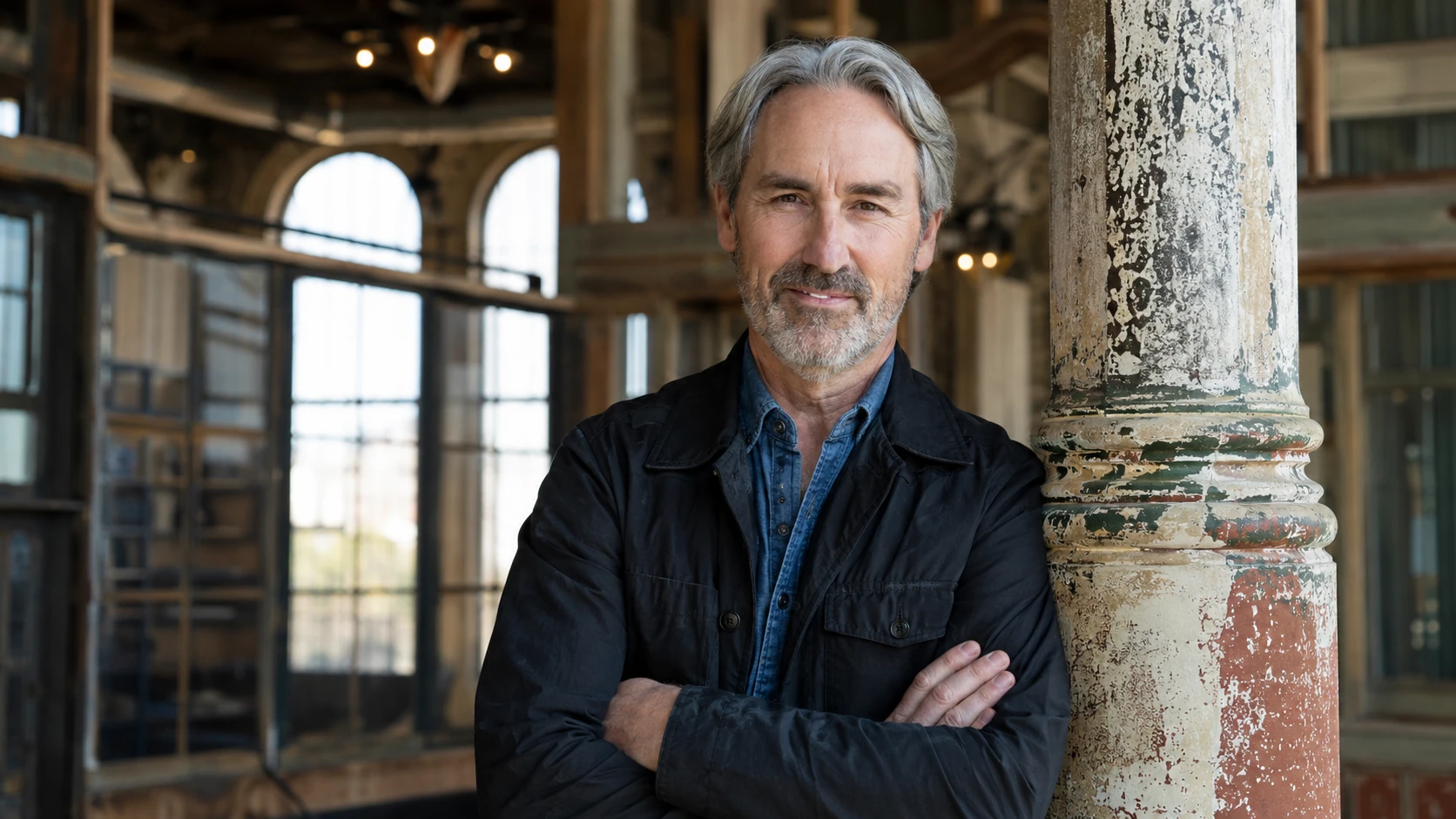
His Tennessee projects have given fans a new way to understand him. Columbia and the surrounding region show Wolfe operating not only as a picker on the road, but as someone invested in buildings, rooms, streets, and repeat visits. He is no longer only asking viewers to care about objects from the past. He is asking them to care about the places that produced those objects.
What remains uncertain is the final shape of this chapter. Preservation projects are never finished in the way a television episode is finished. They require maintenance, money, adaptation, and local trust. Wolfe’s legacy will depend on whether his passion project keeps deepening beyond style into lasting stewardship.
Frequently Asked Questions
What is Mike Wolfe’s passion project?
Mike Wolfe’s passion project is not one single official project. The phrase usually refers to his larger preservation work through Two Lanes, Columbia Motor Alley, restored guesthouses, Antique Archaeology, and his efforts to save and reuse old buildings and Americana.
The idea grows directly from his life as a picker. After years of rescuing objects from barns and garages, Wolfe has increasingly focused on preserving the places connected to those objects. That includes old dealerships, downtown spaces, guesthouses, and small-town buildings with historic character.
Is Mike Wolfe still on American Pickers?
Mike Wolfe remains best known for American Pickers, the History Channel series he created and helped turn into a long-running success. The show made him a national figure and remains the foundation of his public career.
The series has changed over time, especially after Frank Fritz’s departure and death. Even so, Wolfe’s identity is still closely tied to the show’s central idea: searching for overlooked pieces of American history and explaining why they matter.
What is Columbia Motor Alley?
Columbia Motor Alley is one of Wolfe’s most visible preservation projects in Columbia, Tennessee. It is associated with a restored former Chevrolet dealership and reflects his long interest in transportation history, old buildings, and adaptive reuse.
The project matters because it moves Wolfe’s work from collecting objects to preserving places. A former dealership carries stories about cars, commerce, families, and the everyday life of a town. That makes it a strong example of the passion project people are searching for.
What is Two Lanes?
Two Lanes is Wolfe’s brand built around back-road travel, Americana, vintage goods, storytelling, and restored spaces. It reflects his belief that slower roads and older towns still hold value for people willing to look closely.
The brand includes retail and hospitality elements, including guesthouse-style stays connected to Wolfe’s design taste. It is both a business and a public expression of his preservation interests. That blend is central to understanding Wolfe’s career now.
Is Mike Wolfe married?
Mike Wolfe was previously married to Jodi Faeth, and they share a daughter named Charlie. Their marriage ended in divorce, and Wolfe has since been publicly linked to Leticia Cline.
Wolfe’s family life has attracted attention because of his television fame, but he has kept many personal details private. Publicly available information should be treated with care, especially where children and private relationships are concerned.
What is Mike Wolfe’s net worth?
Mike Wolfe’s exact net worth has not been publicly confirmed. Online estimates often place him in the multimillion-dollar range, but those figures are estimates and can vary from site to site.
His income likely comes from television, Antique Archaeology, merchandise, licensing, real estate, hospitality projects, and related business ventures. Without verified financial records, any precise number should be treated cautiously.
Why do fans care about Mike Wolfe’s preservation work?
Fans care because Wolfe’s preservation work feels like the real-world extension of American Pickers. The show taught viewers to see value in forgotten objects, and his passion project applies that same idea to buildings, towns, and historic spaces.
There is also an emotional pull to his work. Many people recognize the kinds of places he wants to save: gas stations, dealerships, old shops, lofts, and Main Street buildings. They are ordinary places, but they carry memories that feel personal to millions of viewers.
Conclusion
Mike Wolfe’s story is not only the story of a man who became famous for buying old things. It is the story of someone who built a career around attention: attention to objects, attention to owners, attention to towns, and attention to the fragile line between junk and history. That habit of looking closely is what connects his childhood picking to his television success and to the preservation work now associated with his name.
The mike wolfe passion project is compelling because it feels earned. Wolfe did not arrive at old buildings through a branding exercise alone; he arrived there after decades of crawling through the physical leftovers of American life. His current projects make sense because they extend the same instinct from signs and motorcycles to the rooms, garages, and streets where those things once belonged.
His legacy will not rest only on how many episodes he filmed or how many rare finds he uncovered. It will also depend on whether the places he restores remain useful, honest, and connected to their communities. For now, Wolfe stands as one of the few reality television figures whose off-screen work may prove as revealing as the show that made him famous.
What he seems to understand better than most is that preservation begins before experts arrive and before money is raised. It begins when someone pauses long enough to say that an old thing is not finished yet. That instinct made Mike Wolfe a picker, and it may be what gives his passion project lasting meaning.
