
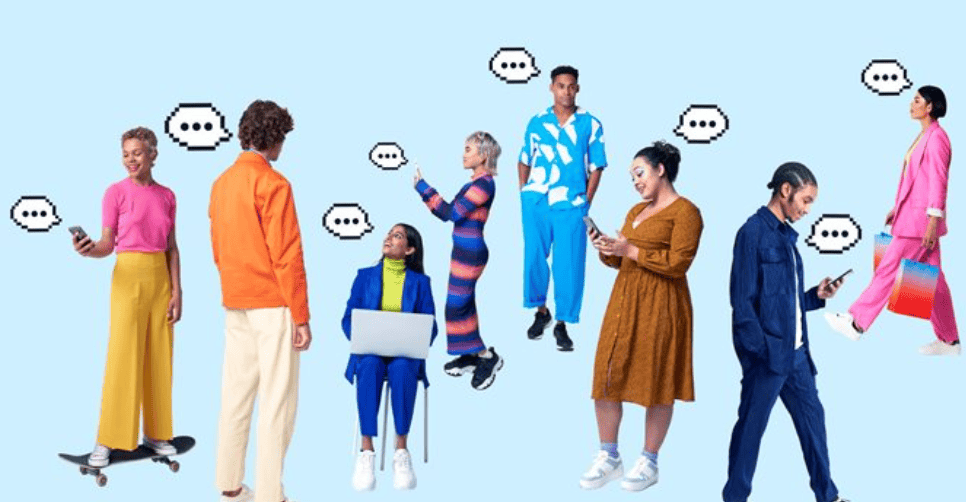
Scroll through social media or sit in on a workplace discussion, and you will likely hear strong opinions about Gen Z.
“They lack attention.”
“They don’t want to work hard.”
“They are always on their phones.”
But are these statements accurate, or are they oversimplified labels for a generation that is navigating a very different world?
Gen Z, typically defined as those born between the late 1990s and early 2010s, has grown up in an era shaped by rapid technological change, global uncertainty, and constant connectivity. Their behaviors, values, and communication styles reflect these experiences.
The real issue isn’t about their differences. The real question is whether we are taking the time to understand them.
A Generation Shaped By Uncertainty
Unlike previous generations, Gen Z has witnessed significant global events during their formative years.
Economic instability, climate concerns, and a pandemic have all played a role in shaping how they view the world.
As a result, many in Gen Z:
- Prioritize stability and security
- Value mental health more openly
- Seek purpose in their work
What may appear as caution or hesitation is often a response to the environment they grew up in.
Digital Natives, Not Digital Dependents
Gen Z is frequently labeled as being overly dependent on technology.
But it is more accurate to say they are fluent in it.
Having grown up with smartphones, social media, and instant access to information, they use technology as a tool for communication, learning, and expression.
This digital fluency allows them to:
- Adapt quickly to new platforms
- Access information efficiently
- Build global connections
However, it also means they navigate challenges such as information overload and digital fatigue.
Redefining Work And Success
One of the most debated aspects of Gen Z is their approach to work.
They are often perceived as less committed or unwilling to “go the extra mile.”
In reality, they are redefining what work means.
For Gen Z, success is not just about salary or status. It includes:
- Work-life balance
- Flexibility
- Meaningful contributions
- Alignment with personal values
They are more likely to question traditional norms and seek environments that support their overall well-being.
Open Conversations Around Mental Health
Gen Z has played a significant role in normalizing conversations about mental health.
They are more open about discussing stress, anxiety, and emotional challenges.
This openness can sometimes be misinterpreted as vulnerability or weakness.
In reality, it reflects awareness and a willingness to seek support.
By addressing mental health openly, they are helping reduce stigma and encouraging healthier conversations in workplaces and communities.
The Attention Span Myth
A common criticism is that Gen Z has a short attention span.
While it is true that they are accustomed to quick, bite-sized content, this does not mean they cannot focus.
Instead, they are selective about what they give their attention to.
If something feels irrelevant or unengaging, they move on quickly. But when something captures their interest, they can be deeply focused and highly productive.
Communication: Direct, Honest, And Different
Gen Z tends to communicate in a way that is:
- Direct
- Concise
- Authentic
They value transparency and often prefer clear, straightforward conversations.
This style can sometimes come across as blunt, especially to those used to more formal communication.
However, it often leads to quicker understanding and fewer misunderstandings when approached with an open mind.
The Workplace Perspective: Challenge Or Opportunity?
For organizations, understanding Gen Z is not just a cultural conversation. It is a strategic one.
As more Gen Z individuals enter the workforce, companies that adapt to their expectations can benefit from:
- Fresh perspectives
- Innovative thinking
- Strong digital skills
- A focus on purpose-driven work
Rather than viewing differences as challenges, they can be seen as opportunities for growth and evolution.
Bridging The Generational Gap
Many misunderstandings stem from gaps in communication.
Bridging the gap between generations requires:
- Listening without assumptions
- Being open to new perspectives
- Finding common ground
Each generation comes with its own set of strengths and challenges. What matters most is being open to learning from each other.
The Bigger Picture: Not Misunderstood, Just Evolving
Gen Z isn’t an issue that needs fixing.
They are a reflection of the times we live in.
Their behaviors, values, and priorities are shaped by their experiences. What may seem unfamiliar is often simply different.
Understanding this shift allows individuals and organizations to adapt, connect, and grow.
Navigate Generational Differences With The Wellness Corner
Understanding people is at the heart of building better workplaces and relationships.
The Wellness Corner offers expert support in mental well-being, workplace dynamics, and personal development to help individuals and organizations navigate change effectively.
With the right insights, you can build stronger connections across generations and create more inclusive environments.
Frequently Asked Questions (FAQs)
- Why is Gen Z often misunderstood?
Their values and communication styles differ from previous generations, leading to misconceptions.
- What does Gen Z value the most?
They prioritize mental health, work-life balance, and meaningful work.
- Are they less hardworking than other generations?
Not necessarily. They approach work differently, focusing on efficiency and purpose.
- How can organizations better engage Gen Z?
By offering flexibility, clear communication, and a supportive work environment.
- Is Gen Z too dependent on technology?
They are highly comfortable with technology, but also face challenges like digital fatigue.
