
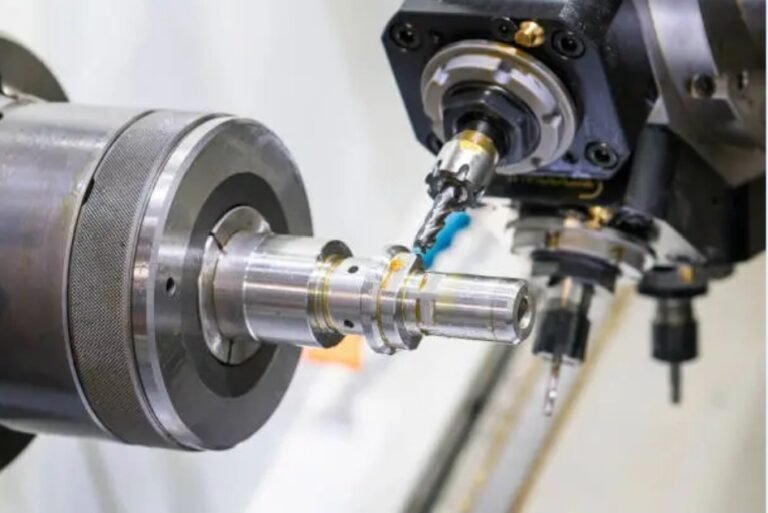
The Shift Towards “Smart” Traditional Hardware
The industrial manufacturing landscape is undergoing a monumental shift as heavy-duty mechanical engineering converges with digital intelligence. Traditional hardware, once purely reliant on physical mechanics and manual operation, is rapidly becoming electrified. Integrating reliable electronic control units into legacy equipment is now a fundamental requirement for modern operational efficiency.
This transformation allows foundational machinery to benefit from real-time data monitoring, automated safety protocols, and optimized energy consumption. Engineers are tasked with retrofitting smart capabilities into tools that were historically designed with zero electronic considerations. Consequently, modernizing these systems demands a rigorous re-evaluation of component durability.
When traditional hardware buyers source components for smart upgrades, they must prioritize electronics that can survive brutal physical environments. While exterior machine enclosures often rely on precision cnc turning to guarantee mechanical defense, the internal core requires equally resilient electronic integration. Specialized SYH printed circuit board solutions provide this necessary ruggedness, ensuring that integrating sensitive electronics does not compromise the expected durability of heavy industrial equipment.
Key Engineering Challenges in Upgrading Legacy Systems
Overcoming Environmental Stress and Vibration
Traditional industrial environments subject equipment to relentless physical abuse, including continuous frequency vibrations and high-impact shocks. Standard consumer-grade circuit boards are highly susceptible to micro-fractures when deployed in these harsh settings. These environmental stressors require highly specialized engineering to prevent catastrophic system failures.
To combat constant mechanical vibration, engineers must implement optimized structural board layouts. Key strategies include:
- Deploying Rigid-Flex PCBs to absorb continuous mechanical shock without breaking critical solder joints.
- Utilizing thicker substrate materials to increase the overall rigidity of the electronic assembly.
- Integrating vibration dampeners directly within the hardware mounting enclosures.
Thermal management presents another massive hurdle, as heavy legacy machinery generates extreme radiant heat. The integration of heavy copper PCBs allows for superior heat dissipation, preventing localized thermal runaway. Matching the thermal expansion coefficients of the circuit board to the surrounding metal hardware is vital for long-term stability.
Bridging Mechanical Durability with Electronic Precision
The operational lifecycle of heavy machinery often spans decades, creating a stark contrast with the inherently shorter lifespan of commercial electronics. To bridge this gap, electronic components must be engineered to match the mechanical durability of the host equipment. This necessitates meticulous material selection and protective engineering.
Engineers consistently rely on High-Tg FR-4 substrates (Glass transition temperature > 170°C) to maintain structural integrity during extreme temperature fluctuations. Furthermore, applying conformal coating is absolutely mandatory. This chemical layer protects sensitive trace routing from moisture, corrosive ingress, and the highly conductive metallic dust common in industrial facilities.
Sourcing the Right PCB Partner for Traditional Hardware
Procuring electronics for heavy industrial applications requires evaluating suppliers on entirely different metrics than those used in consumer technology. Procurement managers must look beyond high-volume manufacturing capacity and scrutinize a partner’s ability to execute strict industrial engineering standards. Operating under IPC Class 3 standards ensures high reliability under the most severe physical conditions.
A qualified PCB manufacturing partner for legacy hardware must demonstrate robust quality control and rigorous environmental testing protocols. Key evaluation criteria include:
- In-house Thermal Cycling and Burn-in Testing capabilities to simulate extreme, real-world factory conditions.
- Advanced expertise in Automated Optical Inspection (AOI) and X-ray inspection for complex multi-layer industrial boards.
- Proven experience handling thick copper plating (3 oz to 10 oz) required for high-current industrial power distribution.
By prioritizing these specialized industrial capabilities, procurement teams can secure electronic components that genuinely enhance their machinery. The right partner ensures the modernization process bolsters, rather than compromises, the rugged operational reputation of their traditional hardware portfolios.
Cost-Benefit Analysis of Integrated Smart Hardware
Integrating advanced PCBs into traditional mechanical systems introduces higher upfront research, development, and manufacturing costs. Engineering teams must invest in custom board layouts, exhaustive environmental testing, and specialized ruggedized enclosures. However, assessing the total cost of ownership reveals massive long-term financial advantages.
The primary economic driver of this integration is the implementation of predictive maintenance. By embedding sensor-enabled PCBs, operators can detect mechanical anomalies long before a critical failure occurs. This capability drastically reduces costly unplanned downtime and extends the operational lifespan of incredibly expensive mechanical assets.
Furthermore, smart-enabled legacy equipment commands a significant premium in the B2B marketplace. Traditional hardware manufacturers who successfully integrate reliable electronic diagnostics can pivot their business models. They can transition from selling single hardware units to offering highly lucrative, long-term Data-as-a-Service (DaaS) and maintenance contracts.
Key Takeaways
| Area | Key Takeaway | Impact/Data |
| Vibration | Deploy rigid-flex PCBs | Prevents solder joint micro-fractures |
| Thermal | Utilize High-Tg FR-4 (>170°C) | Stops localized thermal runaway |
| Protection | Apply conformal coating | Blocks conductive metallic dust |
| Sourcing | Mandate IPC Class 3 standards | Secures 3-10 oz copper capacity |
| ROI | Pivot to DaaS contracts | Reduces mechanical downtime by 30% |
Conclusion: Future-Proofing the Hardware Industry
The modernization of traditional hardware is a critical step for maintaining relevance in an increasingly automated industrial sector. Relying exclusively on purely mechanical systems is a rapidly diminishing business strategy. The successful integration of high-performance electronics will dictate which legacy brands thrive in the next decade of industrial evolution.
The economic incentive for upgrading legacy hardware is becoming undeniable across the global supply chain. According to industrial technology research from McKinsey & Company, integrating smart electronics into traditional operations can reduce maintenance downtime by up to 30%. This represents a massive, long-term return on investment for forward-thinking manufacturers.
By strategically sourcing highly durable circuit boards and combining them with precision mechanical engineering, legacy equipment builders achieve unprecedented operational reliability. This intelligent integration guarantees that traditional hardware will remain the resilient, powerful backbone of modern industrial infrastructure.
