
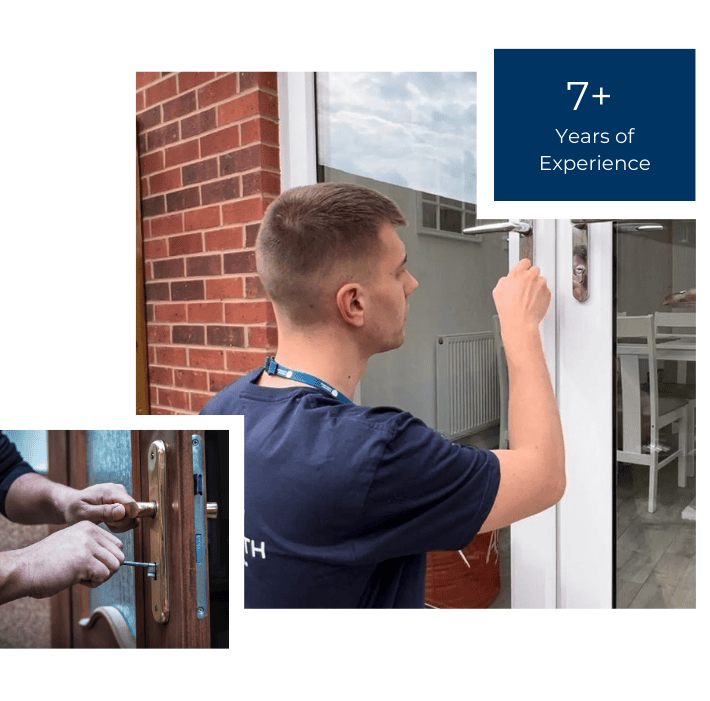
Home security is one of those things most people only think about after something has gone wrong. A break-in a few streets away, a lost key, a neighbour’s story about a close call: these are usually the moments that push someone to finally look properly at how secure their front door actually is.
If you are weighing up whether to stick with a traditional lock or move to something smarter, this guide breaks down what actually matters, including one detail that catches out a lot of homeowners after they have already bought the lock.
Why This Decision Matters More Than You Would Think
The lock on your front door is doing more work than most people give it credit for. It is the single point standing between your home and anyone who wants to get in without permission, and a surprising number of homes are still relying on cylinders that are decades old, worn, or simply not built to current security standards.
That gap matters because burglary methods have moved on. Lock snapping in particular, where a euro cylinder is deliberately broken to defeat the lock, became widespread precisely because so many uPVC doors were fitted with cylinders that offered no resistance to it. Plenty of those doors are still in use.
If you are reading this because it has already happened, the order changes. Emergency burglary repair in Coventry is available around the clock, and getting the door secure again comes first. The upgrade conversation is worth having afterwards, once you are not standing behind a damaged door.
Upgrading is not about paranoia. It is about making a sensible, practical decision that protects the people and things you care about.
Traditional Locks vs Smart Locks
Traditional Locks: Reliable, But With Limitations
There is a reason pin-tumbler and mortice locks have stuck around. They are simple, well understood, and do not rely on batteries or software to work. For many homes, a good quality traditional lock, particularly one meeting British Standard BS3621, remains a solid and dependable choice.
That said, they come with well-known drawbacks:
- Lost or stolen keys mean the lock needs re-keying or replacing entirely.
- Picking and snapping are still genuine risks with older or lower-grade cylinders.
- No record of access. There is no way to tell who came and went, or when.
- Spare keys multiply. Over the years, keys tend to end up with people you would rather no longer have.
None of this makes traditional locks a bad option. It simply means the limits are worth knowing before you decide.
Smart Locks: Convenience Meets Modern Security
Smart locks have moved well past the novelty stage. They are now a practical option for anyone who wants real control over who can get in, and when.
What makes them worth considering:
- No more lost keys. Access by code, fob, fingerprint or app removes the lockout risk entirely.
- Remote access control. Let in a family member, cleaner or tradesperson without being home, and revoke that access just as easily afterwards.
- Activity logs. Most models record every entry, which gives you a clear picture of door use rather than a guess.
- Integration. They tie into existing alarms and cameras for a more joined-up setup.
The trade-off is that smart locks depend on power and connectivity, and build quality varies enormously. A poorly made smart lock can be less secure than a well-built mechanical one, which is exactly why the product choice and the installation both matter. Look for models tested to a recognised standard such as TS 621 rather than relying on marketing claims alone.
So Which One Should You Choose?
For most households the honest answer is that it depends on your priorities.
If you value simplicity and proven reliability, a high-quality traditional lock fitted correctly is still an excellent choice. If you want convenience, remote control and visibility over who is coming and going, a smart lock will probably serve you better.
Many homeowners now go hybrid: a strong mechanical lock doing the heavy security work, with smart access layered on for everyday convenience. That combination tends to give the best of both, and it also sidesteps the problem in the next section.
The Insurance Question Most People Miss
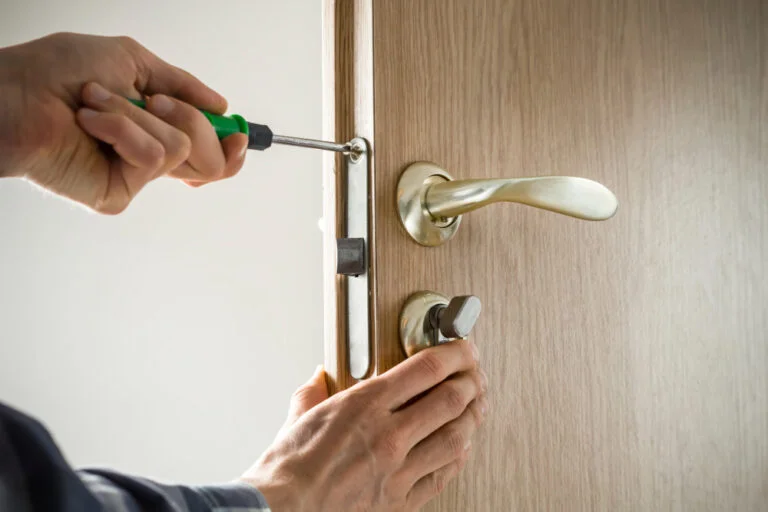
This is the detail that catches people out, usually after the new lock is already on the door.
Many UK home insurance policies specify the lock standard required on final exit doors, and a five-lever mortice deadlock to BS3621 is one of the most common conditions. A smart lock, however sophisticated, does not automatically satisfy that wording. If your policy names a standard and your door no longer meets it, you may have a problem at exactly the moment you need the cover to work.
Before upgrading, read the security conditions in your policy and check them against what you are planning to fit. If you want smart access on a door that has an insurance-specified lock, keeping the compliant mechanical lock in place alongside it is usually the cleanest solution.
A Few Practical Tips Before You Upgrade
Upgrading does not have to be complicated, but a few steps early on save a lot of hassle later:
- Get a professional assessment first. A locksmith will spot weak points well beyond the front door, including side gates, garages, patio doors and ground-floor windows.
- Do not skip certification. Look for locks rated to British Standards, and for euro cylinders specifically, an anti-snap cylinder rated to TS007 3-star or Sold Secure Diamond.
- Look at the whole property. A strong front lock does not help if a back door or window is the weak point, and burglars look for the easiest way in rather than the front one.
- Do not forget maintenance. Both types need occasional servicing. Hinges, keeps and mechanisms all drift over time, and a lock that is getting stiff is usually warning you about something.
Why Door and Frame Condition Matters as Much as the Lock
A lock can only be as good as the door and frame holding it. This is the part most security guides skip, and it is behind a lot of callouts that look like lock failures but are not.
Timber frames swell when they take on moisture, and uPVC frames shift under thermal movement and wind pressure. Either way, a frame that has moved by a few millimetres will stop a multipoint mechanism from lining up with its keeps. The handle gets stiff, then it needs lifting or shouldering, and eventually the gearbox inside the door gives way. At that point what began as an alignment issue becomes a mechanism replacement.
Persistent dampness is one of the quieter causes of this. Water getting in through failed flashing, a blocked gutter or a slipped tile ends up in the fabric of the building, and a door frame that stays damp through a wet season will move. It is why the advice from the roofers Edinburgh homeowners call after a wet winter overlaps so often with a locksmith’s advice here in the Midlands: deal with the source of the moisture, or you will be back fixing the same door again next year.
Practically, that means if a door has started sticking or locking badly, look up as well as at the lock. And if a lock has to be forced, stop forcing it and get the alignment checked, because forcing a misaligned mechanism is the single most common way a repairable door becomes a replacement one.
Getting Expert Help in Coventry
Choosing between a smart lock and a traditional one is not a decision to rush, and it is not one you need to make alone.
Kingdom Locksmith has years of experience helping homeowners across Coventry assess their security and fit the right solution, whether that is a robust mechanical lock, a full smart lock system, or a combination of both. The team will talk you through the options honestly rather than pushing the most expensive fix when a simpler one does the job just as well.
A proper assessment is worth having even if you are not planning to change anything immediately, because knowing which door on your property is the weakest is useful information on its own.
Final Thoughts
There is no single right answer on smart locks versus traditional ones, only the right answer for your home, your habits and your policy. Take the time to think through what matters most, check what your insurer actually requires, get a professional opinion, and make sure whatever you choose is fitted properly.
A secure home is not about spending the most. It is about making informed, sensible choices and then having them installed by someone who knows what they are doing.
For anyone in the area looking for a dependable locksmith service near Coventry, Kingdom Locksmith is on hand to guide you through the right security setup for your home.
Call Kingdom Locksmith today for a free quote and honest advice: +44 24 7542 0099
Locations:https://share.google/SmvipjbI1qzWc3hVU
