
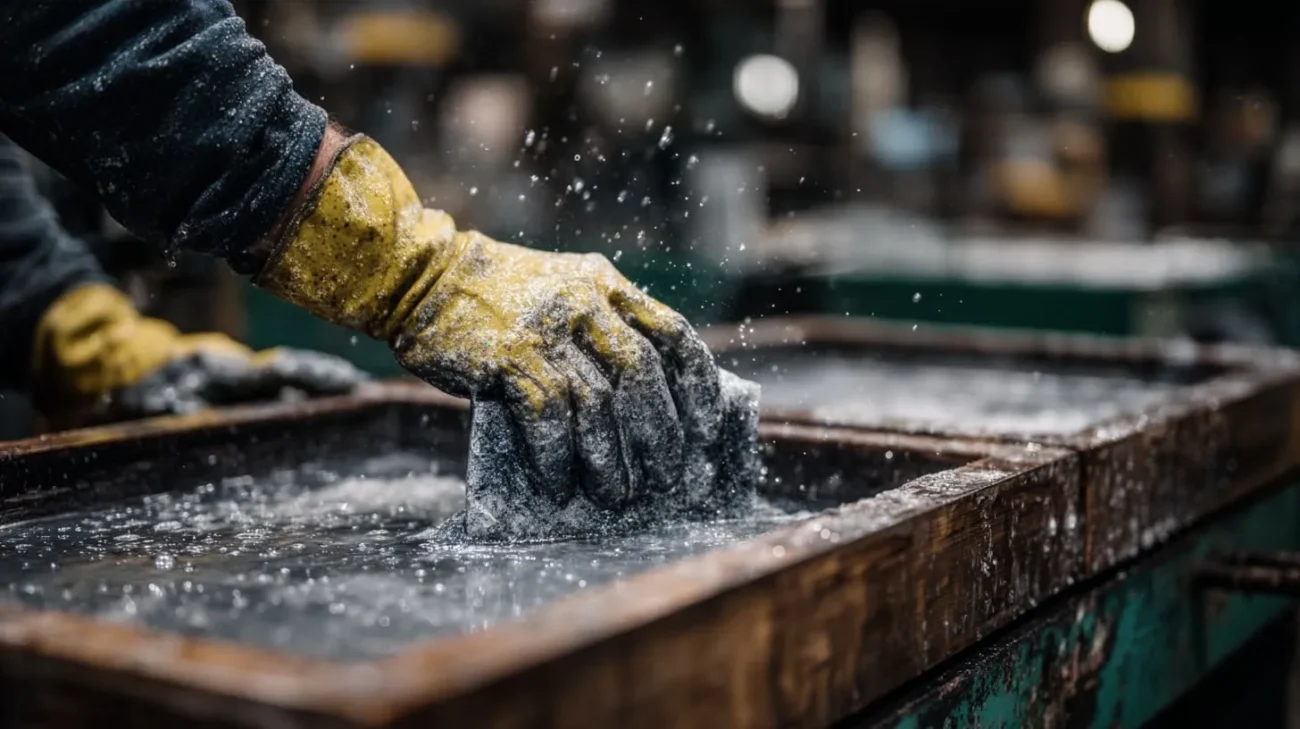
If you work anywhere near a powder-coating line, you’ll know how frustrating it is when a finish just doesn’t come out right. One batch of components turns out perfectly smooth and even, then the next has patchy coverage or a rough texture nobody can quite explain. It’s rarely down to one dramatic mistake. Usually it’s a handful of small things adding up across the process, from prep right through to curing. Maintaining a controlled application environment, including suitable spray booths, can help reduce contamination risks and improve consistency during the coating stage.
Here’s a look at the usual culprits, and what tends to help.
The Surface Wasn’t Prepped Properly
This is the big one. Powder needs a clean surface to grip onto, and if there’s any grease, dust, rust or general grime left behind, adhesion suffers straightaway. Steps like degreasing, rinsing and chemical conversion coatings exist for a reason: they give the powder something reliable to bond to. Skip a step, or do it inconsistently, and you’ll likely see peeling or flaking down the line, along with weaker corrosion resistance. Worth keeping an eye on your cleaning chemicals and checking they’re doing their job properly.
Something Got Into the Coating
Even a clean-looking workshop can have dust, oil particles or other bits floating around, and it doesn’t take much to ruin a finish. A stray particle lands in the coating and suddenly you’ve got a visible flaw, especially frustrating on parts where a smooth, decorative look matters. The usual suspects are dirty equipment, cluttered work areas or clothing that’s shedding fibres. Good filtration, tidy application areas and a bit of housekeeping discipline go a long way here. It’s also worth having someone regularly check equipment and the surrounding space for anything that shouldn’t be there.
Too Much or Too Little Powder Went On
Getting the coating thickness right isn’t always straightforward. Too thin and you get patchy coverage; too thick and the texture or durability can suffer. A lot depends on gun settings, how experienced the operator is, and the shape of the part itself; awkward corners and recesses often need a different approach to get even coverage. Regular checks on equipment, proper training, and monitoring thickness as you go can catch problems before they turn into a whole batch of rework.
Poor Grounding
This one’s easy to overlook. Powder coating works because of an electrostatic charge that pulls the powder onto the metal, so if a component isn’t grounded properly, that charge doesn’t do its job and you end up with uneven coverage and wasted powder. Dirty hooks, contact points or conveyor systems are usually to blame, often because powder has built up over time and interfered with the electrical contact. A routine clean and inspection of these contact points makes a real difference, particularly if the line is running continuously.
The Curing Wasn’t Quite Right
Curing is where the coating actually becomes durable, hard-wearing and resistant to chemicals, so getting it wrong undoes a lot of good earlier work. Under-cure it and the finish stays soft and vulnerable; over-cure it and you risk discolouration or brittleness. The tricky part is that it’s the temperature of the metal itself that matters, not just the air temperature inside the oven, and that can vary depending on the size and thickness of the component and how it’s loaded. Keeping temperature monitoring equipment properly calibrated, and checking regularly, helps avoid nasty surprises.
The Equipment Needed Some TLC
Filters, extraction systems, spray guns and curing ovens all wear down eventually, and when they do, quality tends to follow. Powder residue builds up, parts wear out, settings drift from where they should be, and before long you’re seeing more defects than usual. A proper maintenance schedule, with regular inspections and timely part replacement, catches most of this before it becomes a problem. Keeping records helps too, since it makes recurring issues much easier to spot.
The Process Wasn’t Consistent
Consistency is genuinely one of the hardest things to nail in powder coating. Small variations in prep, powder storage, application settings, curing times, even the environment can all shift results from one run to the next. Without clear procedures in place, it’s easy for different operators to get different outcomes on what should be identical parts. Standard operating procedures, regular quality checks and decent documentation all help build a more repeatable process, and tracking things like thickness and adhesion over time makes it much easier to spot patterns and improve.
Bringing It All Together
Most powder-coating problems aren’t caused by one big issue. They’re usually a mix of small inconsistencies scattered across prep, application, equipment and curing. Taking a proper look at each of these stages, and being honest about where things might be slipping, tends to pay off in fewer defects and less rework.
Suitable working conditions matter throughout, and this is where correctly specified spray booths come in, helping control airflow, overspray and contamination during the application stage. Get the fundamentals right across the board, and consistent, reliable finishes become a lot easier to achieve.
