
Growing a business used to require physical expansion. More customers often meant larger offices, additional retail locations, or costly warehouse space. Today, technology has created new opportunities for entrepreneurs to increase revenue and reach larger audiences without taking on the financial and logistical challenges of traditional commercial property.
For many disabled entrepreneurs, location-independent business models can offer additional advantages. Flexible schedules, remote operations, and digital delivery systems make it possible to build a successful company while reducing transportation challenges and maintaining greater control over the work environment.
The following business models demonstrate how organizations can scale efficiently without relying on conventional commercial space.
Software as a Service (SaaS)
Software as a Service, commonly known as SaaS, is one of the most scalable business models available today. The concept is straightforward: a company develops a software product and provides customers with ongoing access through subscription plans.
Although software development requires a significant initial investment of time and resources, the long-term economics can be attractive. Once the platform is built, serving additional users typically requires only modest increases in infrastructure costs.
Examples include project management platforms, accounting software, scheduling tools, and communication applications. Customers can sign up online, access the software remotely, and receive support through digital channels.
For disabled entrepreneurs with technical expertise or industry knowledge, SaaS businesses can offer exceptional flexibility. Operations, customer support, product updates, and sales activities can often be managed entirely remotely. Revenue can continue growing without the need for additional office locations or retail storefronts.
Digital Products and Online Education
Digital products allow entrepreneurs to create something once and sell it repeatedly to customers around the world.
Examples include:
- Online courses
- E-books
- Design templates
- Printable resources
- Stock photography
- Digital planners
- Educational memberships
Because digital products can be delivered automatically, growth is not directly tied to inventory, shipping, or physical space. Instead, success depends on understanding customer needs and creating valuable solutions.
This model can be particularly appealing for entrepreneurs who have developed specialized knowledge through their professional or personal experiences. For example, a business owner might create educational resources for accessibility compliance, adaptive technology training, or career development for people with disabilities.
As a library of products grows, revenue opportunities expand without requiring a corresponding increase in overhead expenses.
Consulting and Specialized Expertise
Service businesses are often viewed as difficult to scale because there are only so many hours in a day. However, consultants who package and systematize their expertise can significantly increase their capacity.
Instead of selling time alone, entrepreneurs can develop:
- Structured consulting programs
- Group coaching services
- Digital workshops
- Certification programs
- Licensing opportunities
- Proprietary methodologies
A consultant who creates repeatable systems can serve more clients while maintaining quality and consistency. Virtual meetings, online collaboration tools, and cloud-based project management platforms make it possible to deliver high-value services from virtually anywhere.
For disabled entrepreneurs, consulting can provide control over scheduling, workload, and work environment while allowing professional expertise to remain the primary driver of business growth.
Affiliate Marketing and Referral-Based Businesses
Affiliate marketing allows entrepreneurs to earn commissions by recommending products or services to an audience.
Rather than developing products themselves, affiliate marketers focus on building trust through content, education, reviews, newsletters, podcasts, websites, or social media platforms. Revenue is generated when recommended products result in qualifying sales.
Because the model relies primarily on digital communication, it can be operated with very little infrastructure. Entrepreneurs can reach national or even global audiences without managing inventory, manufacturing, or fulfillment.
Businesses that build strong communities around specific interests often find affiliate partnerships to be an effective way to diversify revenue while keeping operational costs low.
Online Marketplaces and Platform Businesses
Marketplace businesses connect buyers and sellers while facilitating transactions between them. The platform creates value by making it easier for participants to find each other and conduct business.
Examples include:
- Freelance marketplaces
- Service directories
- Specialty e-commerce platforms
- Educational communities
- Peer-to-peer service networks
Unlike traditional retailers, marketplace operators often do not need to own inventory or provide all services directly. Instead, they focus on creating a reliable platform and positive user experience.
As more users join, the platform becomes increasingly valuable to both sides of the marketplace. This creates opportunities for sustainable growth without requiring substantial investments in physical infrastructure.
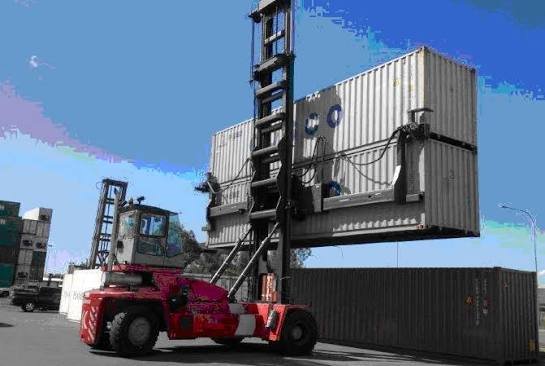
In situations where a business needs occasional storage space for equipment, inventory, or event materials, flexible solutions such as new and used shipping containers alike can provide additional capacity without the commitment of permanent commercial property. However, many marketplace businesses can operate almost entirely online.
Accessibility and Flexibility as Competitive Advantages
One of the most significant benefits of space-independent business models is flexibility. Entrepreneurs can build systems that accommodate their unique needs rather than adapting to the limitations of a traditional workplace.
Remote operations can reduce commuting time, lower facility expenses, and provide greater control over accessibility. Digital workflows also make it easier to hire talent from different geographic locations and collaborate with clients around the world.
These advantages are not simply matters of convenience. They can strengthen productivity, improve work-life balance, and help entrepreneurs focus resources on growth instead of overhead.
Conclusion
Scaling a business no longer requires opening new offices, leasing retail space, or expanding physical infrastructure. Software platforms, digital products, consulting services, affiliate marketing operations, and online marketplaces all demonstrate that meaningful growth can occur through technology, expertise, and efficient systems.
For disabled entrepreneurs, these models offer more than cost savings. They provide flexibility, accessibility, and the ability to design a business around individual strengths and circumstances. By selecting a model that aligns with both market demand and personal goals, entrepreneurs can build sustainable growth without the limitations traditionally associated with commercial space.
