
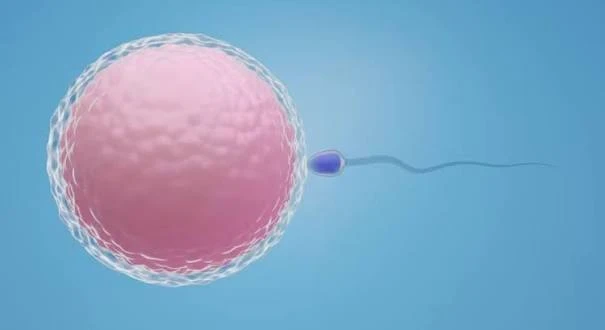
Intrauterine insemination (IUI) is a fertility treatment in which specially prepared sperm is placed directly inside the uterus around the time of ovulation. By bringing sperm closer to the egg, the procedure aims to increase the chance of fertilization.
IUI is less invasive and generally simpler than in vitro fertilization (IVF), but its success varies considerably between individuals. Age, cause of infertility, sperm quality, ovulation, fertility medications, and the number of treatment cycles can all influence the likelihood of pregnancy.
What Is the Average Success Rate of IUI?
IUI success rates cannot be represented by one percentage that applies to everyone. In appropriately selected patients, pregnancy rates are roughly 10 to 20% per cycle, but individual chances may be lower or higher depending on clinical circumstances.
It is also important to understand what a clinic means by “success.” Pregnancy rate, clinical pregnancy rate, and live birth rate are different measures. Patients should ask which outcome is being reported when comparing statistics.
Why Do IUI Success Rates Vary?
IUI relies on several biological steps occurring successfully. Ovulation must occur, at least one fallopian tube generally needs to be open, sperm must reach and fertilize the egg, and the resulting embryo must implant in the uterus.
Because these factors differ between patients, a fertility specialist evaluates the complete reproductive history before estimating the likelihood of success.
How Does Age Affect IUI Success?
Age is one of the most important factors influencing fertility treatment outcomes. Female fertility generally declines with age, particularly because both the number and quality of available eggs decrease over time.
Younger patients with suitable fertility conditions may have higher chances of pregnancy with IUI. Success generally becomes lower with advancing maternal age, and fertility specialists may recommend discussing other options sooner when age-related fertility decline is significant.
In Malad, individuals considering fertility treatment may consult a trusted IUI hospital in Malad to understand how age, ovarian reserve, ovulation patterns, sperm parameters, and the underlying cause of infertility may affect their expected chances of pregnancy before beginning a treatment cycle.
What Factors Influence IUI Success Rates?
Success depends on more than age alone. Fertility specialists usually assess several reproductive factors before determining whether IUI is an appropriate treatment.
Important factors include:
- Female age
- Cause and duration of infertility
- Ovarian reserve
- Regularity of ovulation
- Fallopian tube health
- Sperm count and movement
- Timing of insemination
- Use of fertility medications
- Number of previous treatment cycles
The combination of these factors matters more than any individual measurement.
Which Fertility Conditions May Be Suitable for IUI?
IUI may be considered for certain types of infertility, including unexplained infertility, some ovulation problems, cervical-factor infertility, and selected cases involving mild abnormalities in semen parameters.
Unexplained Infertility
Unexplained infertility means standard fertility investigations have not identified a clear reason why pregnancy has not occurred. In selected couples, IUI, usually combined with ovarian stimulation, may be considered before moving to more complex fertility treatments.
However, recommendations depend on age, duration of infertility, previous treatment, and other clinical factors.
Mild Male-Factor Infertility
IUI may sometimes be considered when semen analysis identifies mild abnormalities in sperm count or movement. Before insemination, the semen sample is processed to concentrate suitable motile sperm.
Severe male-factor infertility may significantly reduce the likelihood of IUI success. In such circumstances, IVF with intracytoplasmic sperm injection (ICSI) may be discussed.
Does Fertility Medication Improve IUI Success?
IUI can be performed during a natural ovulation cycle or combined with medications that stimulate follicle development. Medication may increase the number of available eggs and improve timing in appropriately selected patients.
However, ovarian stimulation can increase the risk of multiple pregnancy, particularly if several follicles develop. Ultrasound and sometimes hormone monitoring are therefore used to evaluate the ovarian response and determine whether treatment can proceed safely.
How Many IUI Cycles Are Usually Tried?
Pregnancy does not necessarily occur during the first IUI cycle. Because each treatment attempt represents another opportunity for fertilization, cumulative pregnancy chances may increase across several appropriately selected cycles.
Many fertility specialists reassess the treatment strategy after approximately three or several unsuccessful cycles, although there is no universal number appropriate for everyone.
The decision to continue IUI or consider IVF depends on age, diagnosis, ovarian reserve, semen parameters, previous responses, treatment duration, and individual preferences.
IUI vs IVF: How Do Success Rates Differ?
IUI and IVF are fundamentally different treatments, so their success rates should not be compared without considering the patient’s diagnosis.
| Factor | IUI | IVF |
| Fertilization | Occurs inside the body | Occurs in the laboratory |
| Procedure complexity | Lower | Higher |
| Invasiveness | Less invasive | More involved |
| Success per cycle | Generally lower | Generally higher |
| Egg retrieval | Not required | Required |
| Suitable conditions | Selected fertility problems | Broader range of fertility problems |
IVF may provide a higher chance per treatment cycle for many patients, but it also involves ovarian stimulation, egg retrieval, laboratory fertilization, and embryo transfer. The appropriate option depends on individual fertility circumstances.
When Might IVF Be Considered Instead of IUI?
IUI may not be appropriate when there is severe damage or blockage of both fallopian tubes, significant male-factor infertility, substantially reduced ovarian reserve, or certain other fertility conditions.
IVF may also be considered when several properly timed IUI attempts have not resulted in pregnancy. Age and the duration of infertility can influence how long a specialist recommends continuing with IUI before discussing another approach.
Understanding IUI Success Rates Realistically
Published percentages provide general guidance, but they cannot predict whether a particular individual will become pregnant after IUI. Two patients of similar age can have different outcomes because their fertility diagnoses and reproductive factors differ.
A personalized estimate should consider age, ovarian reserve, tubal status, semen analysis, previous pregnancies, infertility duration, and response to fertility medications. Patients should also distinguish between a positive pregnancy test and a live birth when reviewing success statistics.
Conclusion
IUI can be an appropriate fertility treatment for selected individuals and couples, but success rates vary according to age, fertility diagnosis, ovarian function, sperm quality, fallopian tube health, and treatment approach. Pregnancy may require more than one treatment cycle.
Rather than relying on a single percentage, patients should discuss their individual circumstances with a fertility specialist. A detailed fertility assessment can help determine whether IUI is suitable, how many cycles may be reasonable, and when alternative treatment should be considered.
Frequently Asked Questions
1. What is the average success rate of IUI per cycle?
Pregnancy rates are approximately 10-20% per cycle in appropriately selected patients, but estimates vary considerably. Age, infertility diagnosis, sperm quality, ovulation, tubal health, and fertility medications can influence individual outcomes.
2. Does IUI usually work on the first attempt?
IUI can result in pregnancy after the first attempt, but many patients require more than one cycle. The likelihood of success depends on individual fertility factors rather than simply the number of previous attempts.
3. At what age does IUI become less successful?
IUI success generally decreases as female age increases because egg quantity and quality decline over time. There is no single age cutoff suitable for everyone, so ovarian reserve and other fertility factors should also be evaluated.
4. How many IUI cycles should be attempted before IVF?
Some patients may try approximately three or several IUI cycles before reassessment. The appropriate number varies according to age, diagnosis, ovarian reserve, semen quality, previous treatment response, and how urgently pregnancy is desired.
5. Can IUI result in twins?
Yes. The risk of twins or higher-order multiple pregnancy increases when ovarian-stimulation medications cause several eggs to develop. Careful ultrasound monitoring helps fertility specialists assess follicle development and manage this risk.
