
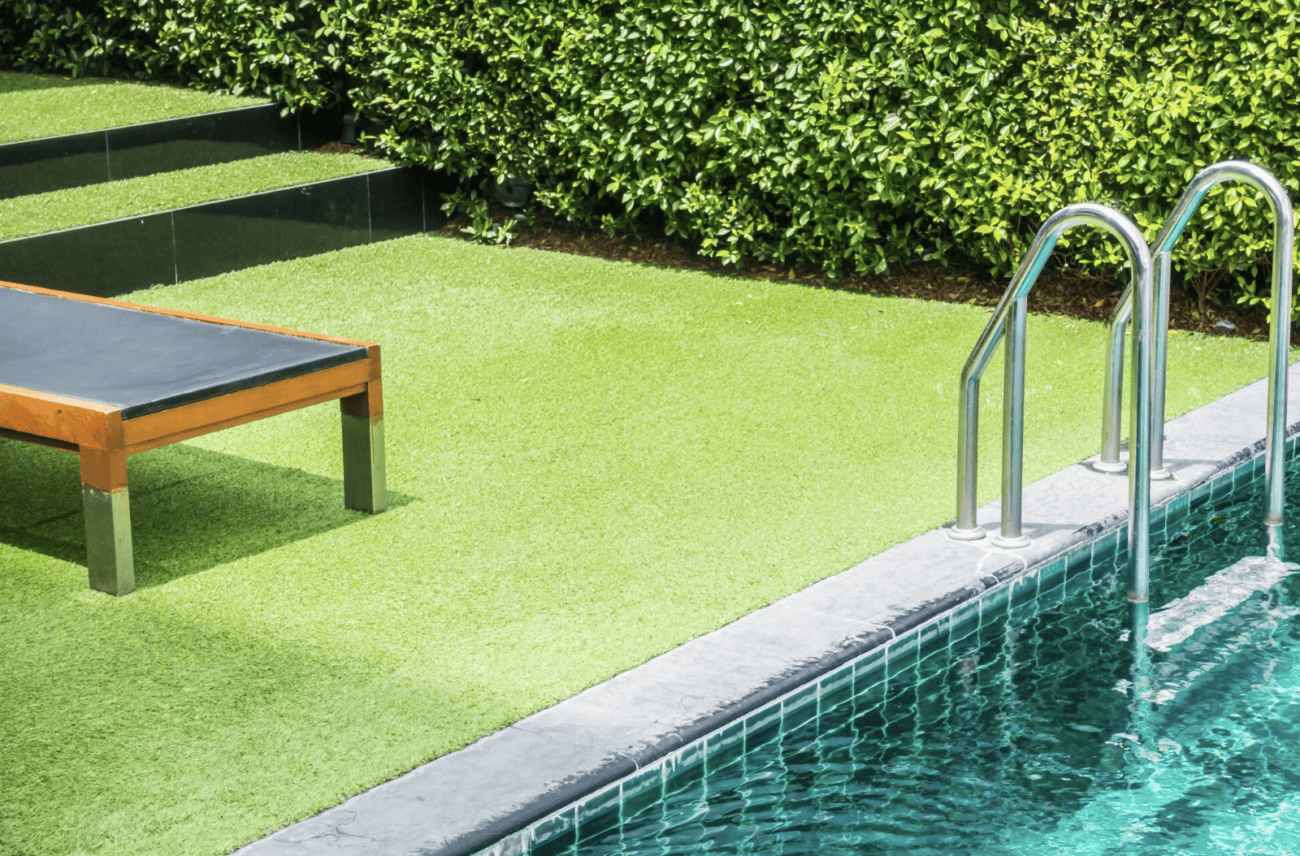
A sloped garden can be difficult to maintain. Natural grass may wear unevenly, become muddy after rain, and dry out at the top. Mowing can also be awkward or unsafe when the gradient is steep.
Artificial grass can provide a cleaner, greener, and lower-maintenance alternative. However, installing artificial grass on a slope requires more planning than laying it on a flat lawn. Gravity, water movement, soil erosion, and fixing strength all affect the finished result.
Artificial grass for sloped gardens can work well when the surface is prepared correctly. Before installation, assess the gradient, drainage, sub-base, edging, and intended use.
Can Artificial Grass Be Laid on a Sloped Garden?
Yes, artificial grass can be installed on gentle slopes, steep banks, embankments, terraced areas, and uneven garden sections.
The main challenge is the continuous downward force created by gravity. A lasting installation therefore needs a firm foundation, secure edging, closer fixing points, and carefully planned drainage. Rolling artificial grass directly over uneven soil is unlikely to produce a stable result.
Assess the Gradient and Ground Conditions
Start by judging how steep and long the slope is.
A short, gentle incline may only need good preparation and stronger perimeter fixing. A long or steep slope may need intermediate anchor points, retaining edges, or professional installation.
Inspect the existing ground for loose soil, exposed roots, dips, bumps, and signs of erosion. Artificial grass follows the shape beneath it, so defects left in the base may remain visible.
Also consider how the area will be used. A decorative bank receives less pressure than a family lawn where children or pets regularly run up and down. High foot traffic increases stress on the backing, seams, fixings, and top edge.
Plan Artificial Grass Drainage Carefully
Drainage is one of the most important considerations for artificial grass on a slope.
Rainwater naturally moves downhill and may travel faster than it would across a level lawn. If the base is poorly designed, water can wash fine material down the slope, weaken the foundation, or collect at the bottom.
Most artificial grass has drainage holes in the backing, but the layers underneath must also allow water to pass through. A free-draining base helps water move away instead of running beneath the turf.
The slope should direct water towards a safe outlet, such as a permeable border, drainage channel, soakaway, or lower garden area. Water should not be guided towards the house, a shed, retaining wall, or neighbouring property.
If the bottom of the garden already becomes waterlogged, correct the problem first. Depending on the site, this may require a French drain, land drain, soakaway, or channel drain.
Build a Firm, Free-Draining Sub-Base
The sub-base supports the artificial lawn and helps prevent movement.
Existing grass, roots, stones, debris, and soft topsoil should be removed. A suitable aggregate, such as crushed granite or another free-draining base material, is then installed in layers. Each layer should be compacted before the next is added, helping stop loose material from gradually shifting downhill.
The finished base should feel firm underfoot and contain no soft sections or hollows. Clay-heavy UK gardens often need more excavation and drainage preparation than sandy or naturally permeable ground.
A smooth finishing layer can then create an even surface for the turf.
Use Strong Edging and Anchor Points
Edging is a structural part of a sloped artificial lawn, not just a decorative border.
A secure fixing point is especially important at the top because it carries much of the downward tension. Timber, composite, metal, concrete, or another suitable edging system may be used.
The grass should be firmly attached along the top, bottom, and sides to prevent creeping, lifting, and spreading. Longer or steeper slopes may benefit from intermediate edging, which divides the area into smaller sections and reduces pressure on the upper edge.
Fix the Artificial Grass Securely
Artificial grass for sloped gardens generally needs more fixings than turf installed on flat ground.
The correct spacing and type of fixing depend on the gradient, turf backing, edging system, and base. Fixings must hold the turf firmly without damaging it.
Position and secure the grass in manageable sections instead of allowing it to roll loosely downhill. Pay extra attention to seams, corners, the top of the slope, and high-traffic areas. Poorly secured turf may later sag, ripple, or bunch.
Keep the Pile Direction Consistent
Artificial grass has a natural pile direction. The fibres lean one way, affecting how colour and light are reflected.
Every section should face the same direction. Misaligned pieces may appear to be different shades, even when they are from the same product.
In most gardens, the pile is directed towards the main viewing point, such as the house or patio. Plan the roll layout before cutting to reduce unnecessary joins and waste.
Apply the Right Amount of Tension
The turf should sit smoothly over the slope without being overstretched.
Too much slack can lead to ripples and downhill movement. Excessive tension may strain seams and fixings as the material expands and contracts with temperature changes.
Allow the artificial grass to settle before final trimming. Then pull it into position, check for creases, and fix it section by section.
Consider Sand Infill
Kiln-dried silica sand is often brushed into artificial grass after installation. It supports the fibres, adds weight, and may improve stability.
On a slope, apply infill gradually and spread it evenly. Large piles can create uneven pressure. Follow the guidance for the chosen turf and use a stiff, non-metallic brush to distribute the sand and lift the fibres.
Manage the Risk of Erosion
Artificial grass can protect a bare slope from direct rainfall, but it does not automatically stop erosion beneath the surface.
If water flows through an unstable base, fine materials may still wash downhill, creating hollow areas or settlement.
Effective erosion control depends on proper compaction, controlled drainage, secure edges, and repairs to unstable ground before installation. Retaining features or intermediate anchors may be needed on difficult slopes.
Choose Artificial Grass for the Intended Use
The best artificial grass for a sloping garden depends on how the space will be used.
A decorative bank may prioritise natural colour. A family lawn needs durability, softness, and recovery after foot traffic. A pet area benefits from efficient drainage and easy cleaning.
Very heavy or dense turf can be harder to position on a steep incline. A balanced product with strong backing, reliable permeability, and suitable pile density is often more practical.
Ordering free artificial grass samples can help you compare colour, softness, density, and pile direction before buying.
When to Choose Professional Installation
A small, gentle slope may be suitable for an experienced DIY installer.
Professional help is sensible when the garden has a steep gradient, heavy clay soil, waterlogging, retaining walls, several seams, or existing erosion. Slopes are less forgiving than flat lawns, and correcting a failed installation can be costly.
Homeowners installing artificial grass in Cambridge on sloping ground should choose a contractor with experience in drainage, edging, and secure anchoring.
An experienced installer can assess the site, plan drainage, specify the sub-base, and determine where extra anchor points are required.
Maintaining Artificial Grass on a Slope
Artificial grass requires less maintenance than natural turf, but it should still be checked regularly.
Remove leaves, soil, and debris before they block drainage. Brush flattened fibres in busy areas and inspect the top edge, sides, and seams after heavy rain.
If ripples, raised edges, or sunken areas appear, deal with them early. Keep any drainage channel or outlet at the bottom of the slope clear.
Final Thoughts
Artificial grass for sloped gardens can turn a difficult area into a cleaner, safer, and more usable outdoor space. The key is to design the installation around the slope rather than treating it like a flat lawn.
Assess the gradient, prepare a stable sub-base, control water movement, use strong edging, and secure the turf at closer intervals. On long or steep inclines, intermediate anchor points may also be necessary.
With the right preparation and a suitable artificial grass product, a sloping UK garden can stay green and attractive without the mud, difficult mowing, and patchy growth associated with natural grass.
