
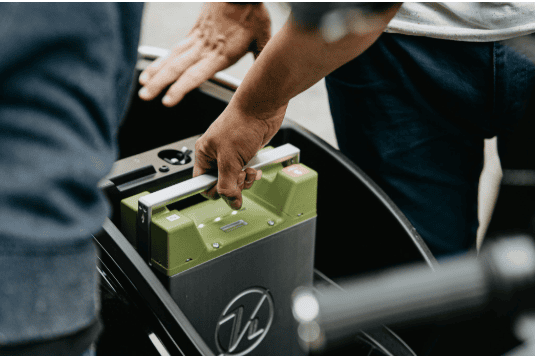
A solar system generates most of its electricity during the day, but many households consume most of theirs in the morning and evening. That mismatch between generation and consumption is exactly why battery storage has become so relevant for system owners.
Why self-consumption drives profitability
Every self-consumed kilowatt-hour saves the full retail electricity price, while an exported kilowatt-hour is credited at the much lower feed-in rate. That gap is what makes self-consumption the single biggest lever for a system’s return — far more so than it used to be.
How a battery raises self-consumption
A battery captures the daytime surplus and releases it in the evening or overnight. Depending on sizing, this typically raises self-consumption from around 25-35 percent without a battery to 60-80 percent with a properly sized one.
Other ways to boost self-consumption
- Load shifting: running washing machines, dryers, or dishwashers during sunny hours
- Heat pump coupling: using surplus solar power for water heating or heating support
- Daytime EV charging: smart wallboxes that prioritize self-generated electricity
- Energy management systems: automatically shifting appliance use to match solar availability
Sizing the battery correctly
An undersized battery fills up quickly and surplus solar power still gets exported unused. An oversized one adds cost without meaningfully improving self-consumption further. As a rough starting point, one to one-and-a-half kilowatt-hours of storage per kilowatt-peak of installed capacity is a common guideline, though the right size should always be confirmed for the specific household.
Platforms like the PVGenius platform for solar installers help businesses give prospects a realistic sense of expected output and self-consumption potential before the first consultation even happens, which makes the follow-up conversation about battery sizing much more concrete.
Bottom line
A properly sized battery can meaningfully improve a system’s return, provided its size actually matches the household’s consumption pattern. There’s no universal recommendation, but a few solid rules of thumb are a good starting point for individual planning.
