
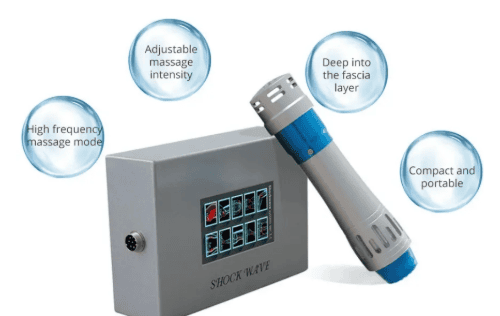
Persistent pain can affect work, exercise, sleep, and simple everyday movement. For people looking for another option alongside standard care, shockwave therapy has become an increasingly discussed treatment approach. It uses acoustic energy around specific areas of the body and is commonly considered for certain musculoskeletal problems. But what exactly does it involve, and why are some British people choosing it for pain relief?
What Is Shockwave Therapy?
Shockwave therapy is a non-invasive treatment that uses controlled acoustic waves applied to a specific area. The treatment settings are determined by the practitioner, who has been trained and depend on the condition, location and individual situation. The process doesn’t involve an incision, unlike surgery, and can be considered for some patients when they are experiencing persistent soft tissue or tendon pain.
How Does Shockwave Therapy Work?
Special tools aim sound waves right at the spot. Once there, the waves give small cells a light nudge. This simple action prompts the body to heal on its own. Treatment depends on the condition and person affected, and should not be seen as a standard, ‘one size fits all’ approach.
What Can Shockwave Therapy Treat?
There are several musculoskeletal conditions where shockwave therapy is a commonly used therapy in professional settings. These may consist of plantar fasciitis, certain types of tendon pain, tennis elbow or any other recurring soft tissue ailment. This is determined based on the symptoms, medical history and the assessment of the person. It’s important to note that a healthcare professional will be able to see if the shockwave treatment is not suitable or if another treatment is more suitable.
Is Shockwave Therapy Painful?
A few people feel a tingling, tapping or an uncomfortable feeling during the treatment. The experience varies according to the treated area, energy level and sensitivity of the individual. The practitioner will be able to modify the treatment to be tolerable. It’s essential to communicate clearly during a session, particularly if discomfort starts to be more challenging.
How Many Sessions of Shockwave Therapy for Plantar Fasciitis?
No one session is right for everyone suffering from plantar fasciitis. Depending on the duration of symptoms, their severity and response to treatment, as well as clinical assessment, treatment can vary. Others may be treated with multiple sessions over time; others may need another course of treatment. The suggested schedule should be provided by an authorized health care provider after evaluation of the health condition.
What to Do After Shockwave Therapy?
After the treatment, it is recommended that people follow the specific instructions for after-care that have been given by their practitioner. Normal daily activities may be allowed; however, activities which involve strenuous exercise or stress on the treated area may require restriction for a while. Also, it is helpful to keep track of what the area feels like and document any changes in sensation and report them to the treating professional if they are unusual and/or persistent.
Why British People Choose Shockwave Therapy for Pain Relief
Shockwave therapy is considered in Britain for reasons such as being non-invasive and its application in professional musculoskeletal care. It may also be suitable in treatment plans where patients seek other treatment options apart from surgery. Interested patients can also easily discuss the treatment with qualified practitioners, because of the increasing availability of specialist clinics and equipment.
A shockwave machine should only be used/researched, according to the appropriate professional guidance, training and safety requirements. Knowing the technology is key, but the right assessment is still vital to responsible treatment.
Conclusion
If the musculoskeletal pain persists and impacts your daily activities, talk with your doctor about shockwave therapy. Its non-invasive technique and expertise are the reasons some British citizens are looking into it for pain management. Before considering treatment, it is important to discuss with an appropriate health care professional what is appropriate for the individual and their situation. However, for individuals who are looking into the various professional treatment and equipment options, mychway.co.uk is another source to look at to find out about the aesthetic and therapeutic technologies at hand.
Medical Disclaimer: This article is for informational purposes only and does not constitute medical advice. Always consult a qualified healthcare provider before using any aesthetic device at home. Individual results may vary.
