
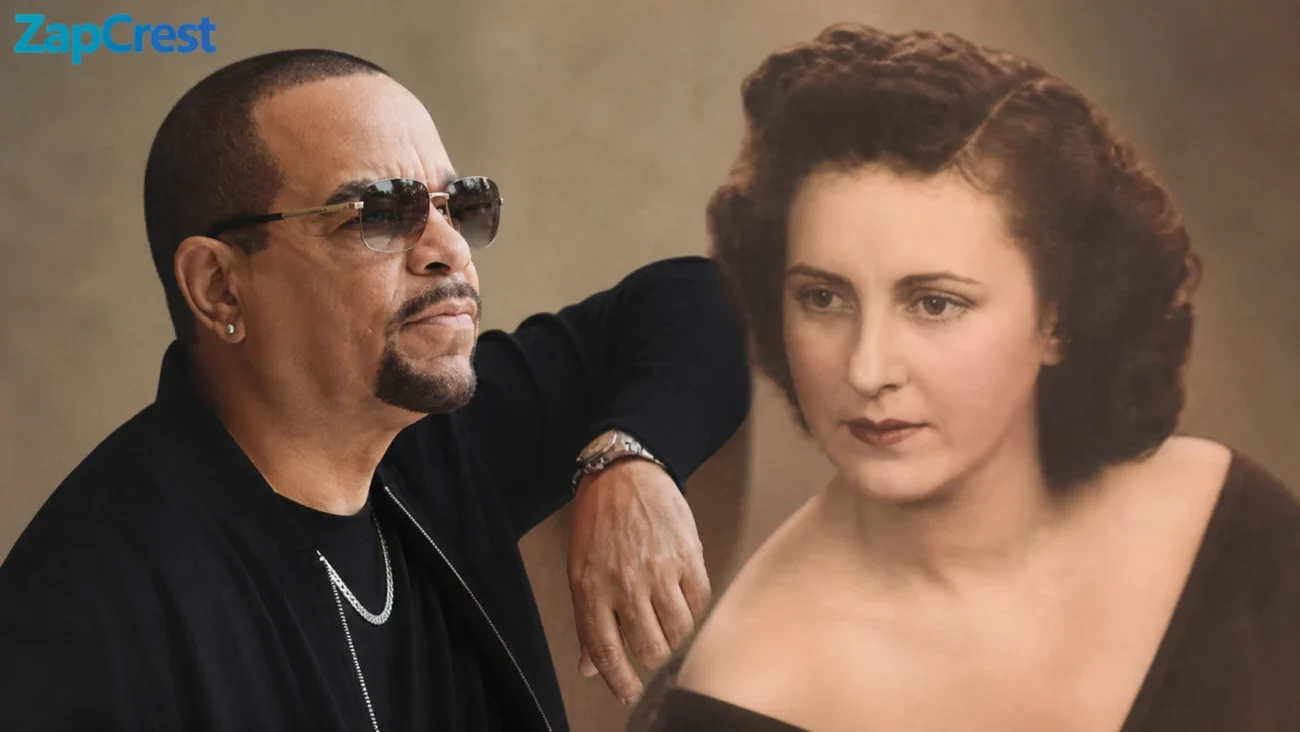
Alice Marrow is remembered publicly for one relationship: she was the mother of Tracy Lauren Marrow, the boy who would grow up to become Ice-T. That fact is simple, but it carries more weight than it first seems. Ice-T’s career has stretched from early hip-hop and heavy metal to film, television, books, and pop-culture commentary, yet the first voice he often recalled from childhood belonged to his mother. Alice did not live to see her son become famous, but the brief record of her life helps explain the emotional ground he came from.
Unlike many people tied to celebrities, Alice Marrow was not a public figure in her own right. She did not give interviews, publish memoirs, build a media career, or leave behind a large public archive. Most of what readers can know about her comes through Ice-T’s accounts of his early years, along with established biographical summaries of his childhood. That means any responsible biography of Alice has to be careful: warm enough to recognize her importance, but honest enough not to fill the silence with invention.
Her story is, in many ways, a story about absence. Alice died when her son was still a child, and that early loss became part of the chain of events that shaped his life. After her death, Ice-T was raised for several years by his father, Solomon Marrow, before losing him as well and moving to Los Angeles. From there, Tracy Marrow eventually became Ice-T, one of the defining voices of West Coast rap and one of television’s most durable actors.
Early Life and Family Background
The public record around Alice Marrow’s own early life is limited. Many online biographies repeat claims about her birth date, birthplace, and ancestry, but those details are often presented without clear documentation. The safer, better-supported account is that Alice was a Black woman whose family background has been reported as having Louisiana roots. Because the available record is thin, exact claims about her childhood should be treated carefully unless they are tied to reliable family records or direct statements.
Alice married Solomon Marrow, and together they had one widely documented child, Tracy Lauren Marrow. Tracy was born on February 16, 1958, in Newark, New Jersey. The family later lived in Summit, New Jersey, a setting very different from the Los Angeles neighborhoods most closely associated with Ice-T’s later public identity. That early New Jersey childhood matters because it gave him his first understanding of race, class, family, and loss.
Ice-T has described both of his parents as Black, while also noting differences in their appearance and family background. His mother was fair-skinned, and he later compared her look to glamorous Black stars such as Dorothy Dandridge and Lena Horne. His father, Solomon, has been described as darker-skinned and steady, a working man who kept the household going after Alice died. These memories are personal, not exhaustive, but they give Alice a human shape beyond the label of “Ice-T’s mother.”
Life in New Jersey
Alice Marrow raised her son during his earliest years in New Jersey, where the family lived a relatively ordinary domestic life. Ice-T’s later image as a rapper, actor, and cultural provocateur can make that beginning seem surprising. Before the music, before the films, before the long run on Law & Order: Special Victims Unit, there was a child in Summit watching television while his mother called him to dinner. Those small memories have lasted longer than many larger facts.
The household Ice-T described was not a celebrity origin story in the usual polished sense. It was a family home, shaped by work, routine, and the rhythms of mid-century Black life in the Northeast. Alice cooked, cared for her son, and spent time on domestic crafts such as knitting and crocheting. Ice-T later remembered her quilts around the house, details that feel ordinary precisely because they are so specific.
Summit was also the place where Ice-T began to notice racial divisions. He has recalled playing with Black and white children and seeing differences in how they were treated. Because he was light-skinned, he sometimes found himself in a complicated position, close enough to see prejudice at work but young enough to struggle with what it meant. Alice’s response to those moments became one of his clearest memories of her.
Alice Marrow as a Mother

The best-known memory Ice-T has shared about Alice is her answer when he asked about racism. Her response, as he recalled it, was blunt and protective: “Honey, people are stupid.” It was not an academic explanation or a grand political speech. It was a mother giving her son a tool for surviving the cruelty and confusion of other people’s ignorance.
That line says a great deal about Alice Marrow’s place in Ice-T’s memory. She appears not as a distant symbol, but as a practical parent trying to help a child move through a world that could be unfair. She did not tell him that racism was harmless, and she did not pretend people would always be kind. She gave him a way to recognize stupidity without letting it control him.
Ice-T has returned to that lesson in later discussions of criticism, race, and public judgment. The phrase became a kind of emotional rule, a reminder not to hand too much power to people acting out of ignorance. For a performer who would later face public outrage, censorship debates, media attacks, and constant reinvention, that childhood lesson seems especially durable. Alice’s influence was not loud, but it stayed with him.
Her Personality and Private World
Because Alice Marrow was private, there is no complete public portrait of her personality. Ice-T has described her as smart and supportive, but he has also admitted that he did not know much about her deeper personal history. That admission is important because it reminds readers that children often remember parents through scenes, tones, habits, and phrases rather than full adult biographies. Alice is visible through what her son could carry from childhood.
The domestic details he remembered are revealing. Alice knitted, crocheted, and kept handmade items in the home, suggesting patience and care in the small work of family life. Those images are not dramatic, but they are meaningful because they place her in a real room, doing real things. A quilt on a sofa can tell us more than a dozen unsourced claims about character.
There is also a quiet dignity in what remains unknown. Alice did not become famous, and she did not leave behind a public record designed for strangers. Her life was lived in family, neighborhood, marriage, motherhood, and private experience. A responsible account should honor those boundaries rather than pretend to know what cannot be known.
Marriage to Solomon Marrow
Alice Marrow’s marriage to Solomon Marrow formed the central family structure of Ice-T’s early childhood. Solomon was Ice-T’s father, and after Alice’s death, he continued raising their son for several years. Public accounts describe him as a working man, and Ice-T has remembered him as emotionally reserved but responsible. He paid the bills, kept the household functioning, and provided stability after the family’s first major loss.
The marriage itself has not been documented in great detail in public sources. There are no widely available interviews from Alice, no diary, and no full family memoir centered on her. What can be understood comes from the life that surrounded their son: a two-parent household in New Jersey that was disrupted first by Alice’s death and later by Solomon’s. The fact that both parents died while Ice-T was still young became one of the defining facts of his early life.
Solomon’s role after Alice’s death also helps clarify her absence. Ice-T has described a home where his physical needs were met but emotional conversation was limited. That does not mean Solomon did not care for him; it means the household changed after Alice was gone. Her death removed not only a mother, but also a kind of warmth and language that Ice-T later came to understand more clearly.
Alice Marrow’s Death
Alice Marrow died of a heart attack when Ice-T was in third grade. That is one of the most firmly established facts about her life, in part because Ice-T himself has corrected false versions of the story. Some online accounts have claimed that his parents died in a car crash, but Ice-T has stated that both Alice and Solomon died of heart attacks, four years apart. The more dramatic version is not the more reliable one.
Her death was sudden, and Ice-T was still very young. He has written about being kept away from the formal rituals of mourning, including the funeral itself. That was not unusual for many families at the time, when adults often tried to protect children from death by shielding them from ceremonies and grief. But protection can also create distance, leaving a child with questions that take years to name.
Ice-T has said he did not cry when his mother died, at least not in the way people might expect. That memory can sound cold if read carelessly, but it is better understood as childhood shock and emotional confusion. A young child does not always process loss in the open, adult language of grief. Sometimes the effect appears later, in personality, choices, and the hunger to keep moving.
The Years After Alice
After Alice’s death, Solomon Marrow continued raising Tracy in New Jersey with help from others. Ice-T has mentioned family support and household help during this period. The home continued, but it was not the same home. His mother’s absence became part of the emotional climate in which he grew up.
Several years later, Solomon died too. Ice-T was still a child when he lost his second parent, and the combined effect changed the course of his life. He eventually moved to Los Angeles to live with relatives, entering a new world that would shape the artist he became. The journey from New Jersey to Los Angeles was not a planned career move; it was the result of family loss.
This sequence is essential to understanding why Alice Marrow matters in Ice-T’s biography. Her death did not merely remove a parent from his life. It began a chain of instability, adaptation, and relocation that helped form his sense of independence. That does not mean every later choice can be traced to Alice, but the break in childhood is impossible to ignore.
From Tracy Marrow to Ice-T
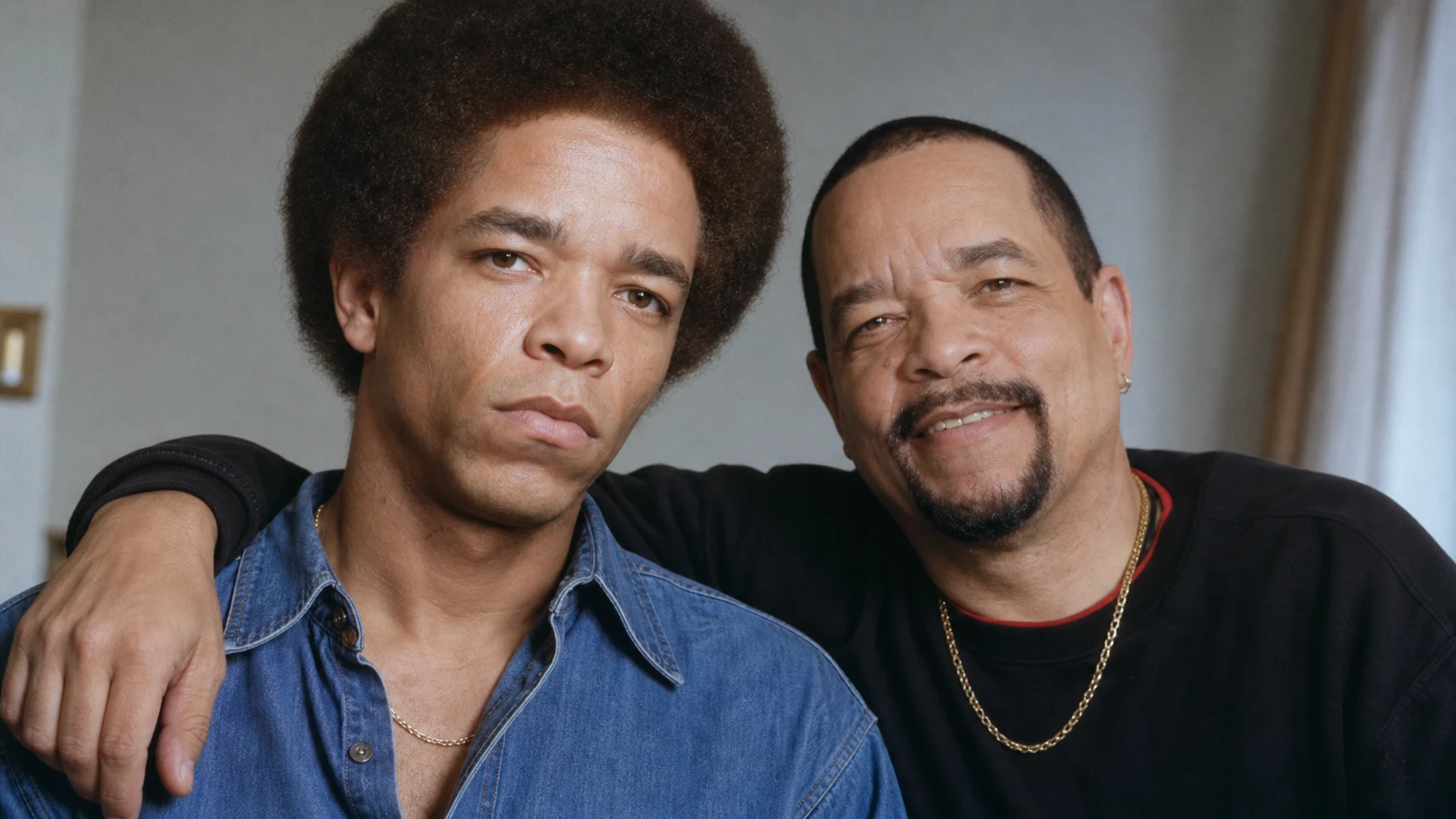
Alice Marrow died before her son became Ice-T, but her life sits at the beginning of that transformation. Tracy Marrow’s later years in Los Angeles exposed him to a very different social world from the one he had known in New Jersey. He attended school there, encountered gang culture, served in the U.S. Army, and eventually built a career in music. By the 1980s, he had become one of the most important voices in West Coast hip-hop.
Ice-T’s early music stood out because it combined street storytelling with discipline, wit, and a reporter’s eye for detail. He was not simply performing toughness; he was narrating systems of pressure, temptation, violence, survival, and identity. His debut album Rhyme Pays arrived in 1987, and he later became known for songs and albums that helped define gangsta rap’s rise. That career was built long after Alice was gone, yet the self-control he often projected can be traced, at least in part, to the emotional lessons of childhood.
He later crossed into acting, first in films and then on television. His role as Detective Odafin “Fin” Tutuola on Law & Order: Special Victims Unit introduced him to audiences who might never have followed his music. That career turn also showed something central about Ice-T: he was never easy to reduce to one image. Alice Marrow did not live to witness any of it, but she helped raise the child who became capable of surviving all those reinventions.
Public Image and Family Legacy
Alice Marrow’s public image is unusual because it exists almost entirely through her son’s fame. She is not remembered for public statements, scandals, business ventures, or career milestones. She is remembered because Ice-T has spoken about her, because readers want to understand his roots, and because early parental loss often becomes a key to understanding a public figure’s resilience. That makes her both visible and partly hidden.
Her legacy is not financial in any public sense. There is no credible record of Alice having a public net worth, estate, business portfolio, or entertainment income. Articles that attach celebrity-style money language to her life misunderstand the nature of her story. Her importance lies in family influence, not public wealth.
Ice-T’s own later success has sometimes led people to search for Alice as though she were part of a celebrity dynasty. The truth is more grounded. She was a mother in New Jersey whose son became famous after enduring loss, moving across the country, and building a career through talent and force of will. Her place in that story is intimate rather than commercial.
Rumors, Errors, and What Can Be Verified
The main challenge in writing about Alice Marrow is the number of repeated but weakly sourced claims online. Some sites give exact birth dates, death dates, places, and family details without showing where the information came from. Others use broad phrases about her personality that may be plausible but are not clearly documented. A good biography should not treat repetition as proof.
The false car-crash story is the clearest example of how misinformation can attach itself to a famous person’s family. Ice-T has rejected that story, saying his parents died of heart attacks. Because that correction comes from the person closest to the family story, it should carry more weight than unsourced summaries. Readers should be wary of any profile that repeats the car-crash claim as fact.
Even the question of Alice’s ancestry needs care. It is common to see her described as Louisiana Creole, and her family roots have often been linked to Louisiana. But without fuller public documentation, the precise wording should remain cautious. Respecting Alice’s life means resisting the urge to turn partial information into decorative certainty.
Why Alice Marrow Still Matters
Alice Marrow matters because she represents the part of a famous life that is easy to overlook. Before Ice-T was a recording artist, actor, author, or television fixture, he was a child learning how to understand the world from his mother. Her lessons did not arrive as public speeches. They came in ordinary rooms, during ordinary childhood moments, which is often where the strongest lessons begin.
Her story also matters because it shows how little the public may know about the people who shape major cultural figures. Fame tends to brighten the person at the center while leaving parents, relatives, and early caretakers in shadow. Alice’s life reminds us that influence does not require fame. Sometimes influence is a sentence remembered for sixty years.
For readers, the honest version of Alice Marrow’s biography is not less powerful because it is incomplete. The gaps make the confirmed details more important, not less. We know she was loved, we know she died too soon, and we know her son carried her words into adulthood. That is enough to make her more than a footnote.
Frequently Asked Questions
Who was Alice Marrow?
Alice Marrow was the mother of Tracy Lauren Marrow, better known as Ice-T. She was married to Solomon Marrow, and the family lived in New Jersey during Ice-T’s early childhood. Alice was not a public celebrity, so most reliable information about her comes from Ice-T’s own memories and established accounts of his early life.
What was Alice Marrow known for?
Alice Marrow is known publicly because she was Ice-T’s mother. Her broader life was private, and there is no reliable evidence that she had a public entertainment career, political role, or media profile. Her lasting significance comes from her influence on Ice-T during his childhood, especially the emotional lessons he later recalled.
How did Alice Marrow die?
Alice Marrow died of a heart attack when Ice-T was in third grade. Ice-T has corrected false online claims that his parents died in a car crash. According to his own account, both Alice and Solomon Marrow died of heart attacks, four years apart.
Was Alice Marrow from Louisiana?
Alice Marrow’s family background has often been linked to Louisiana, and some accounts describe her as having Louisiana Creole roots. The exact details of her ancestry are not fully documented in widely available public sources. Because of that, it is best to treat the Louisiana connection as reported background and avoid overstating specifics without stronger records.
Did Alice Marrow have a career?
There is no well-documented public record of Alice Marrow’s professional career. Some online profiles describe her as a homemaker, but many such claims are not clearly sourced. What is better supported is her role as a mother and central figure in Ice-T’s early home life.
Did Alice Marrow have other children?
Public biographies most clearly identify Tracy Lauren Marrow, later Ice-T, as the child of Alice and Solomon Marrow. There is no widely confirmed public record that establishes other children. Because family details can be private, any claim beyond the documented record should be treated with care.
What did Ice-T say about Alice Marrow?
Ice-T has remembered Alice as smart, supportive, and direct. One of his best-known memories is her response when he encountered racial prejudice as a child: she told him, “Honey, people are stupid.” He later treated that line as a life lesson about not allowing other people’s ignorance to control him.
Conclusion
Alice Marrow’s biography cannot be written like the life of a celebrity who left interviews, press archives, contracts, and public appearances behind. Her story is smaller in the public record but not smaller in meaning. She was a private woman whose influence survived through the son who remembered her.
The strongest details are simple and human. She raised Ice-T during his earliest years, helped him make sense of racism, filled the home with ordinary signs of care, and died suddenly while he was still young. Those facts do not need exaggeration to matter.
Her life also reminds readers to be careful with celebrity-adjacent stories. The internet often tries to turn limited facts into complete biographies, but Alice Marrow deserves accuracy more than embellishment. What is known should be preserved clearly, and what is unknown should not be invented.
In the end, Alice Marrow’s place in cultural memory rests on influence rather than fame. She did not live to see Ice-T become a major figure in music and television, but one of her lessons traveled with him. For a woman who lived outside the spotlight, that is a lasting legacy.
