
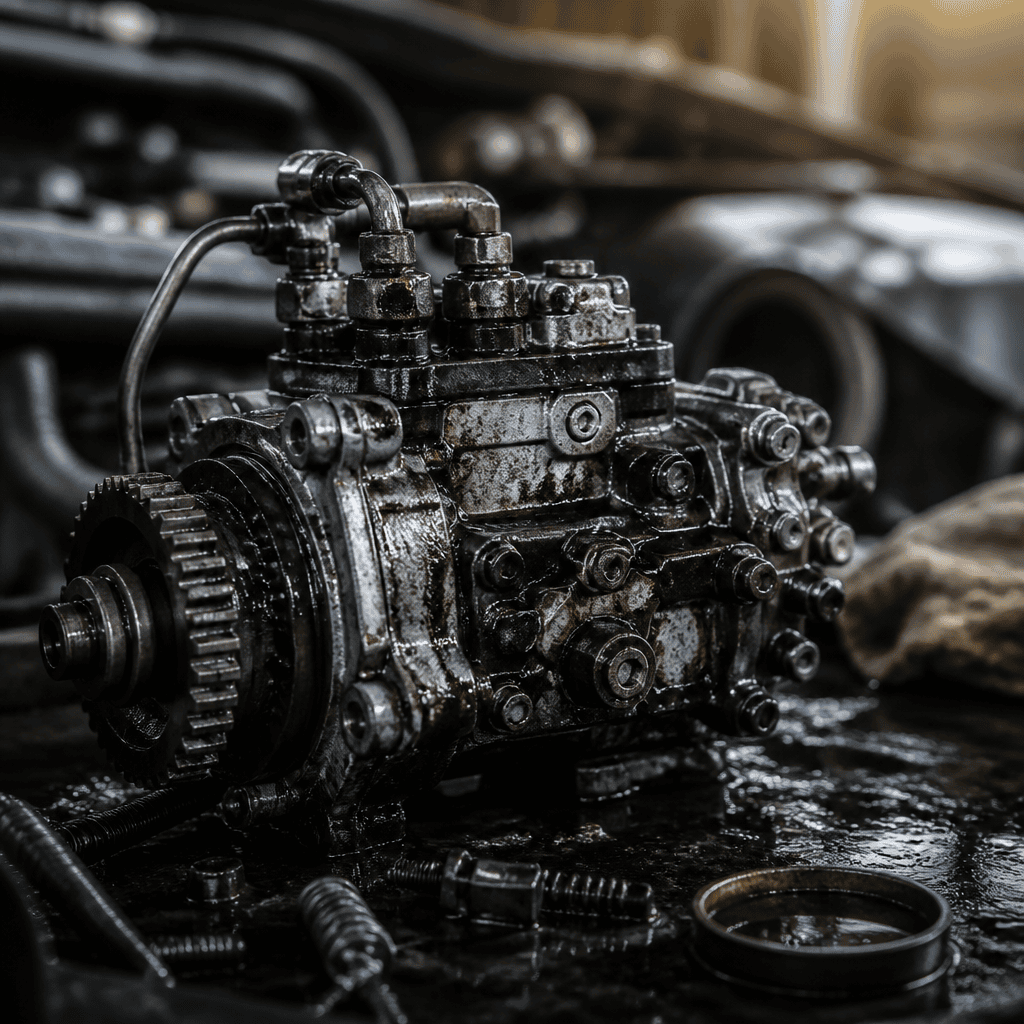
The diesel injector pump is one of the most critical and often overlooked components in any diesel-powered vehicle. Whether you drive a heavy-duty truck, a Range Rover, or a commercial van, the health of your fuel injection system directly determines how your engine performs, how efficiently it burns fuel, and ultimately, how long it lasts. When this component begins to fail, the consequences ripple through the entire drivetrain — and the repair costs can be staggering if the problem is ignored for too long.
Understanding the Role of the Diesel Injector Pump
At its core, the diesel injector pump is responsible for delivering precisely metered amounts of fuel to each injector at exactly the right moment in the combustion cycle. Unlike gasoline engines that rely on spark plugs to ignite fuel, diesel engines depend entirely on compression and the precise timing of fuel delivery. If the pump fails to deliver fuel at the correct pressure or timing, combustion becomes erratic, power drops, and emissions spike.
Modern diesel injection systems operate at extraordinarily high pressures — often exceeding 30,000 PSI in common rail systems. This means even microscopic wear inside the pump can translate into measurable performance degradation. The tolerances involved are tighter than almost any other mechanical component in the vehicle, which is why proper maintenance and timely replacement are so important.
Common Warning Signs of Injector Pump Failure
Recognizing the early symptoms of a failing diesel injector pump can save you thousands of dollars and prevent a complete engine breakdown. Here are the most telling signs that something is wrong:
Hard Starting or Failure to Start
One of the earliest and most consistent symptoms is difficulty starting the engine, especially in cold weather. When the pump can no longer build adequate fuel pressure, the engine cranks repeatedly without firing. Many drivers mistake this for a battery issue, but if the battery checks out, the injection pump should be the next suspect.
Loss of Power and Rough Running
A diesel engine that suddenly feels sluggish under load, hesitates during acceleration, or runs unevenly at idle is often suffering from inconsistent fuel delivery. The pump may be delivering fuel at irregular intervals or at insufficient pressure, causing misfires and rough combustion. This symptom tends to worsen progressively if left unaddressed.
Excessive Black or White Smoke
Abnormal exhaust smoke is a direct indicator of combustion problems. Black smoke typically signals over-fueling or incomplete combustion, while white smoke can indicate fuel that is not burning at all — both of which can be traced back to a malfunctioning injector pump. If your diesel is producing visible smoke under normal driving conditions, a fuel system inspection is overdue.
Fuel Leaks and Unusual Engine Noise
Physical leaks around the pump body or fuel lines, combined with a knocking or ticking sound from the engine bay, are serious warning signs. Internal wear in the pump can cause metal-on-metal contact, and external seals can degrade over time, allowing fuel to escape under pressure. Both scenarios require immediate attention.
Why Diesel Engines in SUVs and 4x4s Are Particularly Vulnerable
Diesel-powered SUVs and off-road vehicles place unique demands on their fuel systems. Frequent towing, off-road driving, and variable load conditions all stress the injection pump beyond what a standard commuter vehicle would experience. For owners of vehicles like the Range Rover, understanding the full scope of engine maintenance is essential. A comprehensive Range Rover engine rebuild guide covering common problems and fixes can provide invaluable insight into how diesel fuel system issues interact with broader engine health concerns — particularly in vehicles that are expected to perform across demanding terrain and conditions.
The combination of high mileage, variable fuel quality, and the mechanical complexity of modern diesel SUVs means that injector pump wear often accelerates faster than owners expect. Proactive inspection schedules and using quality replacement parts are not optional — they are essential to preserving the vehicle’s long-term reliability.
Should You Flush Your Fuel Injectors?
There is considerable debate in the automotive community about whether fuel injector flushing is necessary or beneficial. The answer depends largely on the age of the vehicle, the quality of fuel used, and the maintenance history. Deposits can accumulate inside injectors over time, reducing spray pattern accuracy and flow rate. In some cases, a professional flush can restore performance without requiring full component replacement. According to Kelley Blue Book’s expert guidance on fuel injector flushing, the procedure can be worthwhile under specific conditions, but it is not a substitute for addressing mechanical pump failure or severely worn injectors.
It is important to distinguish between injector cleaning — which addresses deposit buildup — and injector pump replacement, which is required when the mechanical components of the pump itself have worn beyond acceptable tolerances. Confusing the two can lead to wasted money on services that do not address the root cause of the problem.
New, Used, or Rebuilt: Choosing the Right Replacement Pump
When the time comes to replace a failing diesel injector pump, vehicle owners face a critical decision: new, used, or rebuilt? Each option carries its own cost-benefit profile. New OEM pumps offer the highest reliability but come at a premium price. Used pumps can be cost-effective but carry unknown wear history. Rebuilt pumps, when sourced from a reputable supplier, offer a compelling middle ground — they are reconditioned to meet or exceed original specifications at a fraction of the new part cost.
Goldfarb Inc.: A Trusted Source for Diesel Fuel Injection Components
For diesel vehicle owners and professional mechanics seeking reliable replacement components, Goldfarb Inc. has established itself as a respected name in the fuel injection parts industry. With an extensive inventory spanning multiple makes and models, they offer new, used, and rebuilt options to suit a wide range of budgets and requirements. If you are sourcing a replacement diesel injector pump, their catalog provides a well-organized selection backed by industry expertise and a commitment to quality that professionals in the field have come to rely on.
Their focus on fuel injection systems specifically — rather than being a generalist parts supplier — means that their team understands the nuances of different pump designs, compatibility requirements, and the performance expectations of both light-duty and heavy-duty diesel applications.
Preventive Maintenance: The Best Strategy
No mechanical component lasts forever, but the lifespan of a diesel injector pump can be significantly extended through disciplined maintenance practices. Using high-quality diesel fuel, replacing fuel filters on schedule, avoiding running the tank to empty, and having the fuel system inspected at regular intervals are all straightforward steps that pay dividends over time. Contaminated fuel is one of the leading causes of premature pump failure, and a clogged or degraded fuel filter forces the pump to work harder than it was designed to.
Conclusion
The diesel injector pump sits at the heart of your engine’s performance and efficiency. Ignoring the warning signs of failure, delaying replacement, or choosing substandard parts can turn a manageable repair into a catastrophic engine failure. Whether you are maintaining a workhorse truck or a premium diesel SUV, understanding how this component works — and acting decisively when it begins to fail — is one of the most important things you can do as a vehicle owner. Invest in quality parts, follow a disciplined maintenance schedule, and consult with specialists who understand diesel fuel systems at a deep level. Your engine will reward you with years of reliable, efficient performance.
