
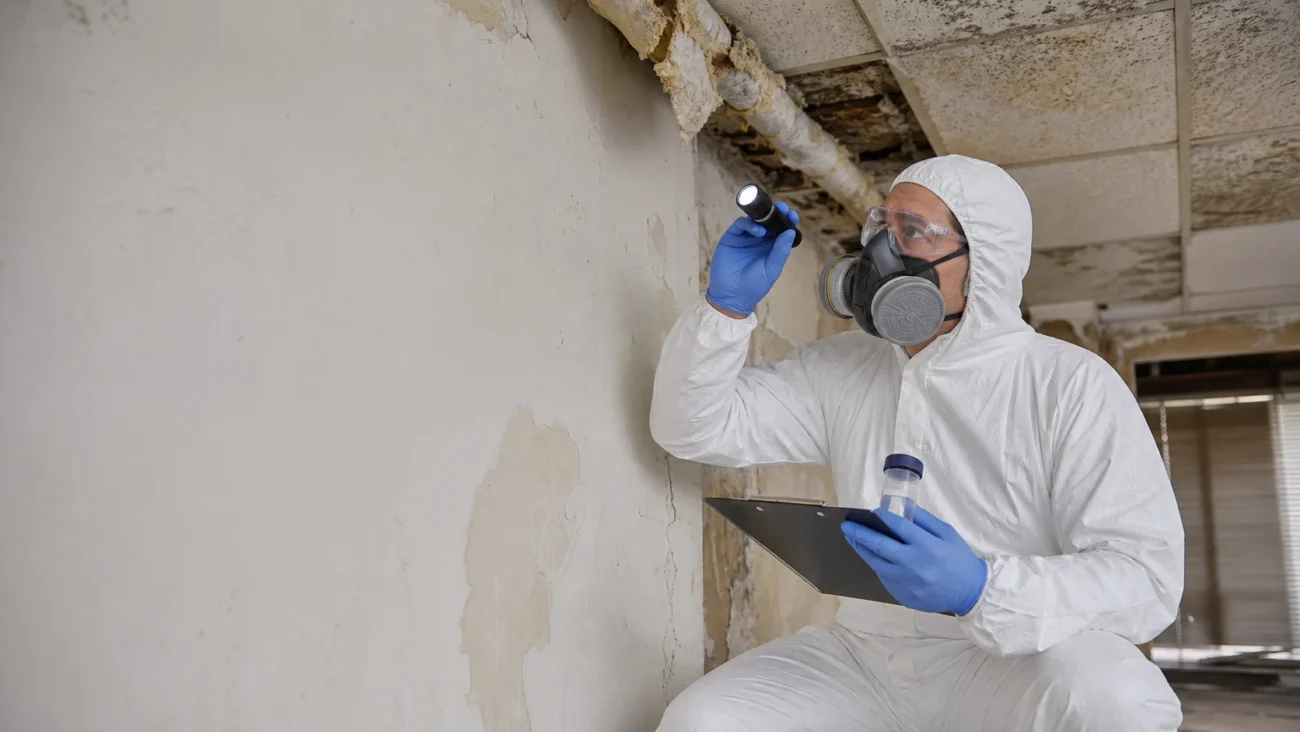
Environmental remediation management and validation is the process of identifying, cleaning up, and certifying contaminated land as safe for use. It covers everything from soil and water treatment to PFAS investigation and asbestos management—and is essential for regulatory compliance and long-term land use across Australia.
Contaminated land is a serious challenge for property developers, councils, and industrial operators across Australia. Whether a site has been exposed to heavy metals, fuel leaks, PFAS chemicals, or hazardous building materials like asbestos, the path from contamination to compliance requires careful planning, technical expertise, and documented proof that the work has been done right.
That’s exactly what environmental remediation management and validation delivers. This process does not just clean up contaminated sites—it creates a verified, regulatory-compliant record that the land is safe for its intended use. For anyone involved in land development, demolition, or site decommissioning, understanding how this process works is essential.
What Does Environmental Remediation Management Cover?
Environmental remediation management is the structured process of assessing a contaminated site, developing a cleanup strategy, executing that strategy, and confirming the results meet regulatory standards.
The scope of work varies widely depending on the type and extent of contamination. A site with legacy industrial use might require soil excavation and offsite disposal. A site near a fuel storage facility might need groundwater treatment or soil vapour extraction. Urban redevelopment projects often involve asbestos-impacted soils, which require careful handling, removal, and verification before construction can begin.
Common services included under this umbrella are:
- Soil remediation: Excavation and disposal of contaminated fill or native soil
- Waste transport and disposal: Compliant removal of hazardous materials from site
- Leachate treatment and dewatering: Managing contaminated water that collects on or beneath a site
- Soil vapour extraction: Removing volatile contaminants from subsurface soils
- PFAS investigation and management: Addressing per- and polyfluoroalkyl substance contamination, which is increasingly common near airports, military bases, and fire training areas
- UPSS removal and validation: Decommissioning underground petroleum storage systems
- Mould validation: Confirming that mould remediation has been completed effectively
- Post-demolition validation: Verifying that hazardous materials have been fully removed following structural demolition
Each of these services requires a tailored approach. No two contaminated sites are the same, and effective remediation depends on understanding the specific conditions of the land, the contaminants present, and the intended future use of the site.
Why Validation Is Just as Important as the Cleanup
Remediation without validation is incomplete. Validation is the formal process of confirming that contamination levels have been reduced to acceptable thresholds—and documenting that confirmation in a way that satisfies regulators, purchasers, and future landowners.
A Validation Report typically includes field sampling data, laboratory results, comparison against relevant guidelines (such as the NEPM HIL or site-specific criteria), and a professional conclusion from a qualified environmental consultant. Without this report, a cleaned-up site may still face regulatory delays, failed property transactions, or liability issues down the track.
This is why environmental remediation management and validation must be approached as a single, integrated process rather than two separate tasks. Planning for validation from the outset ensures that sampling locations are appropriate, that documentation is thorough, and that the final report will hold up to scrutiny.
Asbestos in Soils: A Growing Priority
One of the most common and high-risk contamination scenarios in Australia involves asbestos-containing materials (ACM) in soils. Legacy construction practices left asbestos debris scattered across residential and commercial properties across the country—often buried, fragmented, and invisible until excavation begins.
Identifying and managing this risk is where asbestos testing services in Australia play a critical role. Asbestos testing services in Australia involve collecting representative soil samples, submitting them to accredited laboratories, and interpreting results against the relevant health-based thresholds. When asbestos is detected above guideline levels, a remediation strategy must be developed and executed before the site can be validated as safe.
The demand for asbestos testing services in Australia has grown significantly in recent years as urban infill development, demolition activity, and renewed regulatory scrutiny bring more legacy sites into focus. Environmental consultants offering asbestos testing services in Australia must understand both the technical sampling requirements and the regulatory context—because getting it wrong can have serious consequences for public health and project timelines.
Effective asbestos testing services in Australia are not just about finding the problem. They are about generating defensible data that supports sound decision-making and protects everyone involved in the project.
Choosing the Right Environmental Consultant
Not all environmental consultants have the depth of experience required to manage complex remediation and validation projects. The right partner brings technical capability across multiple contaminant types, familiarity with state and federal regulatory frameworks, and a track record of delivering compliant outcomes on time.
Caldera Environmental is one example of a firm that provides end-to-end environmental remediation management and validation across Australia. With completed projects in Brisbane, Newcastle, Sydney, Gold Coast, Mackay, Toowoomba, and Tamworth, Caldera Environmental brings regional knowledge and practical experience to sites of all sizes—from small residential lots to large industrial facilities.
Their team works closely with clients to develop tailored remediation plans that minimize disruption to project schedules while maximizing the quality of outcomes. Using advanced technology and current best-practice methods, Caldera Environmental handles everything from initial site assessment through to final validation reporting and regulatory submission.
Taking the Next Step for Your Contaminated Site
Environmental remediation management and validation is not a process to approach reactively. The earlier an experienced consultant is engaged, the better the outcomes tend to be—both in terms of cost and timeframes. Early involvement allows for proper planning of sampling programs, remediation strategies, and validation frameworks that align with regulatory expectations from the start.
If you are managing a contaminated site in Australia—whether it involves asbestos, PFAS, petroleum hydrocarbons, or other hazardous substances—reaching out to a qualified environmental consultant is the most important first step you can take.
Frequently Asked Questions
What is the difference between remediation and validation?
Remediation is the physical cleanup of contaminated soil or water. Validation is the process of confirming through sampling and laboratory analysis that the contamination has been reduced to acceptable levels, and documenting that outcome in a formal report accepted by regulators.
How long does environmental remediation and validation take?
Timelines vary depending on site size, contaminant type, and extent of contamination. Small residential projects may take a few weeks. Large industrial sites can take months or longer. Early planning and scoping with an experienced consultant helps keep projects on track.
When are asbestos testing services in Australia required?
Asbestos testing is typically required when demolition, excavation, or redevelopment occurs on properties built before 1990, or where there is a known or suspected history of asbestos use or disposal. Regulatory requirements vary by state, so consulting a licensed environmental professional is recommended.
What regulations apply to contaminated land management in Australia?
Key frameworks include the National Environment Protection (Assessment of Site Contamination) Measure (NEPM), state-based contaminated land legislation, and guidelines issued by state environmental protection authorities. Compliance requirements vary by jurisdiction and land use.
Can remediation and validation be done at the same time as construction?
In some cases, remediation works can be integrated with early construction phases to minimize delays. However, validation must be completed and approved before certain activities—like occupancy or final sign-off—can proceed. An experienced consultant can help sequence the work effectively.
