
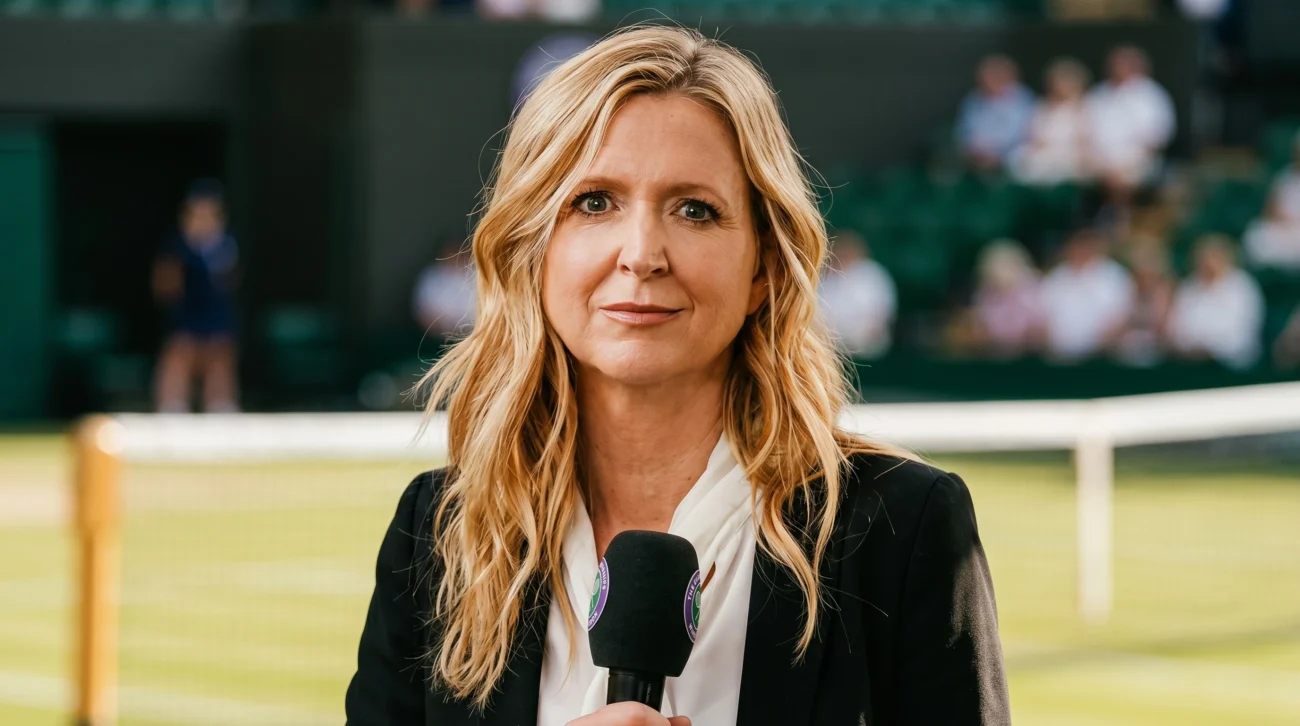
Gigi Salmon has built the kind of broadcasting career that rarely depends on celebrity but often earns something more durable: trust. For many British tennis listeners, her voice is tied to long afternoons at Wimbledon, late-night Grand Slam updates, and the careful rhythm of live radio when a match turns in a few points. She is best known as a sports broadcaster and presenter, especially through her work in tennis, where knowledge, timing, and calm judgment matter as much as personality. Her career also shows how a presenter can become familiar without making herself the story.
Who Is Gigi Salmon?
Gigi Salmon is a British sports broadcaster and presenter known mainly for her tennis coverage on radio and television. She has worked across major sports platforms, including BBC Radio 5 Live, where she became a familiar presence during Wimbledon and other tennis events. Her work has also included football, general sports presenting, interviews, event hosting, and media appearances connected to elite sport.
Her public profile is different from that of a former player or celebrity pundit. Salmon is not known because of a single viral moment, a tabloid storyline, or a dramatic public reinvention. She is known because she has spent years doing the steady work of live broadcasting, often guiding listeners through events that are fast, emotional, and difficult to summarize well.
That makes her biography less about scandal or spectacle and more about craft. Sports broadcasting rewards people who can think quickly, listen closely, and know when to step back. Salmon’s standing comes from those qualities, especially in tennis, a sport where silence, tension, and detail are part of the drama.
Early Life and Family Background
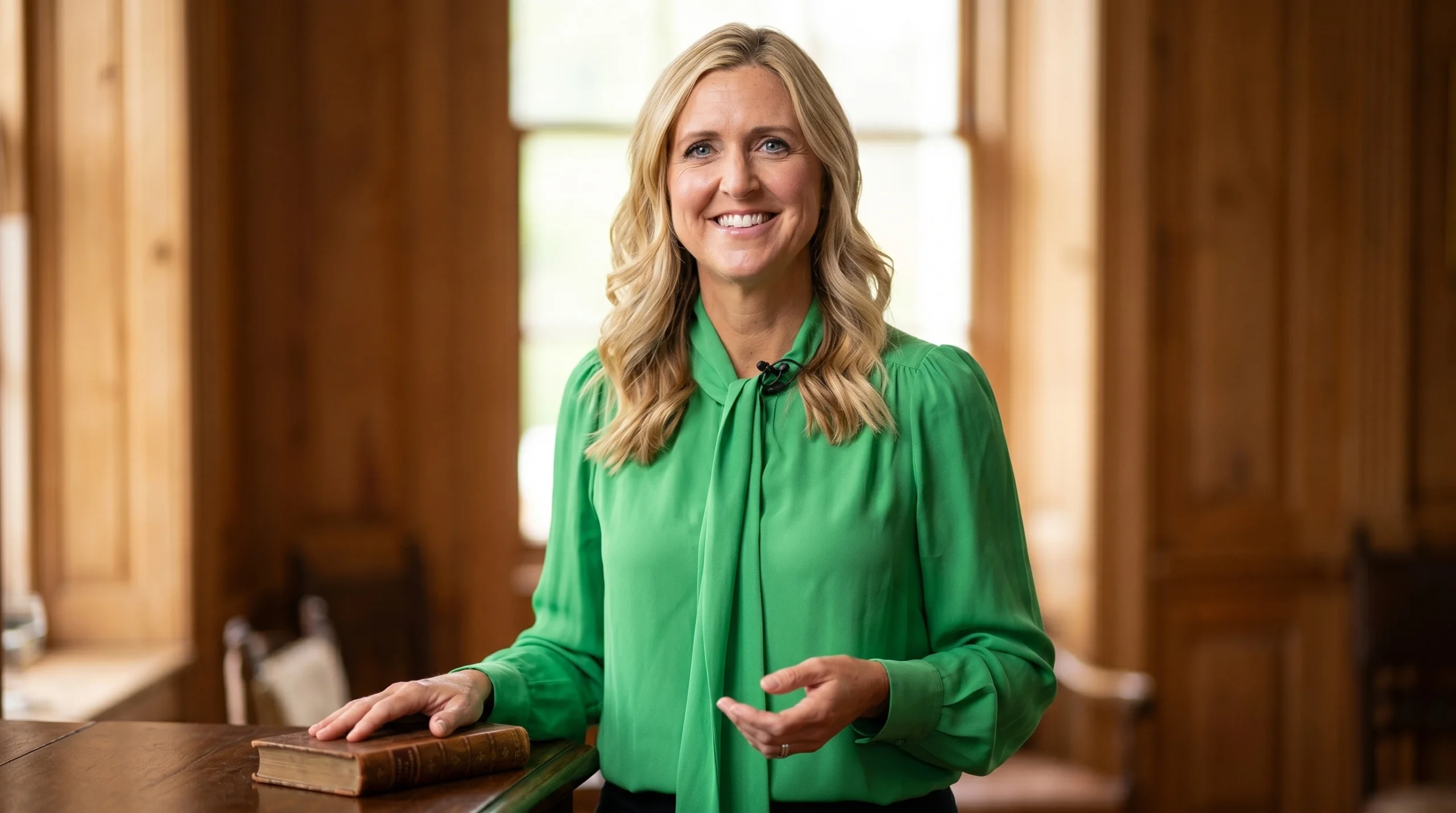
Publicly available information about Gigi Salmon’s early life is limited, and she has not built her career around revealing private family history. That matters because many short online biographies tend to fill gaps with guesses, especially around age, parents, schooling, and childhood. A careful profile should not do that. What can be said with confidence is that Salmon is British and developed her career within the United Kingdom’s sports media world.
Her accent, broadcasting style, and professional path place her firmly in the British radio and television tradition. That tradition values preparation, restraint, and the ability to manage live conversation without crowding the event itself. Salmon’s work suggests someone shaped by that culture of broadcasting rather than by the louder, personality-first style often found in modern sports media.
Because her family background is not widely documented in reliable public sources, the honest answer is simple: many details remain private. There is no need to treat that privacy as mystery. For a presenter whose job is to help audiences understand other people’s performances, keeping parts of her own life offstage is both normal and understandable.
Education and Early Ambitions
There is no widely verified public record that gives a full account of Gigi Salmon’s education, degrees, or first career plans. Some broadcasters publish detailed school and university histories, while others do not. Salmon appears to fall into the second category, which means any specific claim about her education should be treated carefully unless it comes from her own profile or a trusted professional source.
What is clear from her career is that she developed the core skills of a professional broadcaster: interviewing, live presentation, sports knowledge, editorial judgment, and audience awareness. Those skills are rarely accidental. They usually come from years of local work, production experience, reporting shifts, studio practice, and learning how to handle pressure without sounding rushed.
Her route also reflects a broader truth about sports media. Many respected presenters are not famous because of where they studied or who their parents were. They become known because they prove, show by show and match by match, that they can be trusted with live sport.
Career Beginnings in Sports Broadcasting
Gigi Salmon’s career developed through the demanding world of British sports broadcasting, where presenters often move between radio, television, live events, and recorded interviews. Early work in this field can be hard to trace because it is often made up of shifts, freelance assignments, and behind-the-scenes jobs rather than headline roles. That kind of career path is common among broadcasters who later become familiar voices.
Her professional identity became increasingly tied to tennis, but she has never been limited to a single sport. Salmon has worked around football and wider sports coverage as well, showing the range expected of presenters who operate across British sports media. That range matters because it means she can handle different tempos, from the rolling news pace of football to the slower build of a tennis match.
Radio appears to have been especially important in shaping her profile. On radio, a presenter cannot rely on images, graphics, or body language. The job is to create clarity with words, tone, and timing, which is why listeners often form strong attachments to broadcasters who do it well.
Becoming a Familiar Voice in Tennis
Gigi Salmon is most closely associated with tennis because that is where her strengths are most visible. Tennis commentary and presentation require a special balance: enough knowledge to ask sharp questions, enough restraint to let experts speak, and enough warmth to keep long broadcasts from feeling cold. Salmon’s work has often sat in that space between host, guide, interviewer, and live-event anchor.
Her connection with BBC Radio 5 Live helped make her a recognizable name for British tennis audiences. During Wimbledon, radio coverage demands a presenter who can move between courts, scores, player stories, weather delays, crowd energy, and expert analysis. Salmon has been part of that ecosystem, helping listeners follow not just the scoreline but the mood of the event.
Wimbledon is a useful measure of a sports broadcaster because it is both a sporting event and a national ritual in Britain. Audiences include serious tennis followers, casual summer listeners, and people tuning in only when a British player reaches a big match. Salmon’s value lies in being able to speak to all of them without flattening the sport or overcomplicating it.
Working Style and On-Air Strengths
Gigi Salmon’s on-air style is measured, clear, and professional. She tends not to dominate a broadcast, which is one reason she fits well in tennis coverage. The best sports presenters know that authority does not always mean speaking the most. Often it means knowing which question opens the conversation and which silence lets the moment breathe.
Her interviews also show a broadcaster who understands the emotional demands of sport. Tennis players can move from victory to interview within minutes, sometimes after three or four hours of strain. A careless question can sound glib, but an over-serious one can drain the energy from the moment. Salmon’s style generally lands in the middle, respectful but not stiff.
That quality has helped her work with analysts, former players, journalists, and live-event teams. A good presenter must make guests sound better, not just make herself sound informed. Salmon’s career has lasted because she understands that the audience is there for the sport first.
BBC Radio 5 Live and Grand Slam Coverage
BBC Radio 5 Live has long been one of the central platforms for British sports radio, and Gigi Salmon’s work there is a major part of her public reputation. Tennis coverage on the station is especially demanding because Grand Slam events often unfold across time zones, multiple courts, and long broadcast windows. A presenter has to keep the listener oriented without making the coverage feel like a list of results.
Salmon has been associated with Wimbledon coverage and broader tennis reporting, including interviews and live programming. Her role has often involved guiding the audience through the day’s major matches, introducing expert voices, and shaping the conversation around players and results. That work may sound simple, but live sport has a way of exposing anyone who is underprepared.
The BBC’s tennis coverage also carries a high standard because listeners expect accuracy and context. A presenter must know the rankings, the injuries, the recent form, the history between players, and the larger stakes of the match. Salmon’s continued presence in that world speaks to a reputation built on reliability.
Beyond Tennis: Football, Events, and Wider Sports Media
Although tennis is the sport most closely linked with Gigi Salmon’s name, her career has included work beyond the baseline. She has been connected with football broadcasting and sports presentation across different formats. That broader experience matters because it shows she is not simply a specialist voice but a flexible media professional.
Football coverage asks for a different energy from tennis. It is faster, louder, more tribal, and often more confrontational. Presenters working in football need to manage strong opinions, fan emotion, breaking news, and post-match reactions. Salmon’s ability to move between sports suggests a broadcaster comfortable with changing pace.
She has also worked as an event host and interviewer, roles that require a different kind of presence. At live events, the presenter has to hold a room, manage timing, and keep guests comfortable without the safety net of editing. Those skills often go unseen by the wider public, but they are central to a long media career.
Public Image and Professional Reputation
Gigi Salmon’s public image is built around competence rather than celebrity. She is respected as a sports broadcaster, particularly by listeners who follow tennis closely. Her name tends to appear in connection with coverage, interviews, and professional appearances rather than personal headlines.
That kind of profile can be easy to underestimate. In media, the loudest people are not always the most trusted. Salmon’s reputation rests on being a safe pair of hands in live environments, which is one of the highest compliments in broadcasting. It means producers, colleagues, and audiences believe she can handle the unexpected.
Her public presence also reflects a traditional broadcast value: the presenter serves the story. That does not mean she lacks personality. It means her personality is expressed through tone, preparation, warmth, and judgment rather than constant self-reference.
Marriage, Children, and Private Life
Gigi Salmon has kept much of her private life away from the center of her public profile. She is known to be a mother, and references to family have appeared in public contexts, but she does not appear to have made her children or home life a major part of her brand. That choice deserves respect, especially for someone whose professional life already involves public attention.
Claims about her marriage, partner, or detailed family arrangements should be handled with care unless they come from verified public sources. Many online biographies repeat personal details without clear sourcing, which can blur the line between fact and assumption. A responsible profile should avoid presenting such claims as certain.
What can be said is that Salmon’s career has unfolded in an industry that is not always easy for parents. Live sport means weekends, travel, late nights, and unpredictable schedules. Her longevity suggests not just professional skill but also the practical resilience required to keep working at a high level over many years.
Net Worth, Income, and Business Interests
There is no reliable public figure for Gigi Salmon’s net worth. Some websites may publish estimates for media personalities, but those figures are often unsourced and should not be treated as fact. For a broadcaster like Salmon, income would likely come from a mix of presenting, radio and television work, event hosting, interviews, and related media assignments.
Unlike athletes or major entertainment stars, sports presenters rarely have public salary records unless they work under a published pay structure or hold a very high-profile contract. Even then, outside work, freelance fees, and private engagements can make estimates unreliable. That is why any specific number attached to Salmon’s wealth should be viewed with caution.
The more useful point is that she has built a durable career in a competitive field. Sports broadcasting has become crowded, with former athletes, journalists, podcasters, and digital creators all competing for attention. Salmon’s continued work shows professional standing, even if the financial details remain private.
Setbacks and Challenges in a Competitive Industry
There are no major public controversies closely associated with Gigi Salmon. That absence is part of her public story, though it should not be mistaken for an easy career. Broadcasting is a difficult industry, and sports media can be especially unforgiving because it combines live pressure with constant public judgment.
Women in sports broadcasting have also faced barriers that male colleagues historically did not face in the same way. They have had to prove expertise repeatedly, deal with scrutiny over voice and appearance, and work against old assumptions about who belongs in the press box or presenter’s chair. Salmon’s career sits within that wider history, even if she has not framed herself publicly as a campaigning figure.
The challenge for a presenter like Salmon is to remain visible without becoming the story for the wrong reasons. She has managed that balance for years. In a media culture that often rewards conflict and oversharing, that steadiness is a professional achievement.
Why Tennis Audiences Trust Her
Tennis fans can be demanding listeners because the sport has layers that casual coverage often misses. A match can turn because of a second-serve pattern, a movement issue, a tactical change, or a player’s mental dip. The presenter does not need to explain every technical detail, but they do need to know which details matter.
Gigi Salmon’s strength is that she sounds comfortable inside that world. She can talk about a draw, a player’s form, a match situation, or the rhythm of a tournament without making the coverage feel closed to newcomers. That skill is harder than it looks because tennis coverage must serve both devoted fans and people who only follow the sport during Wimbledon.
Trust also comes from tone. Salmon does not need to sound amazed by every rally or shocked by every result. Her steadier approach gives expert guests room to bring the drama, while she keeps the programme moving. In live radio, that kind of control is often what holds the broadcast together.
Current Status and Recent Work
Gigi Salmon remains associated with sports broadcasting, especially tennis coverage and event presentation. Her current public profile continues to center on broadcasting rather than celebrity media. She appears to have maintained the kind of career that is built through recurring work, trusted relationships, and specialist knowledge.
For readers searching her name now, the interest is usually straightforward. They want to know who she is, why they recognize her voice, and what she has done in tennis broadcasting. The answer is that she is one of the experienced British presenters who has helped shape how audiences hear and understand major sporting events.
Her career also reflects a shift in how sports broadcasters are valued. Viewers and listeners increasingly know the difference between noise and insight. Salmon’s work belongs to the quieter side of the profession, where the measure of success is whether the audience feels informed, included, and well guided.
Lesser-Known Details About Gigi Salmon
One of the more interesting things about Gigi Salmon is that her recognizability is strongest among listeners rather than casual television viewers. Radio creates a different kind of fame. People may know the voice instantly and still know little about the person behind it.
That kind of public familiarity can be more intimate than screen celebrity. A tennis listener may spend hours with a presenter during a rainy Wimbledon day, a tense fifth set, or a late Grand Slam final. Over time, the broadcaster becomes part of the experience of following the sport.
Salmon’s career also shows the value of presenters who are not former champions. Former players bring technical knowledge, but professional broadcasters bring structure, pace, and editorial control. The strongest coverage usually needs both, and Salmon has often occupied the role that allows expert voices to work well together.
Frequently Asked Questions
Who is Gigi Salmon?
Gigi Salmon is a British sports broadcaster and presenter best known for her work in tennis coverage. She has been associated with BBC Radio 5 Live and major tennis programming, including Wimbledon coverage. Her career also includes broader sports presenting, interviews, and live event work.
She is not a former professional tennis player, which is sometimes a point of confusion for listeners who hear her regularly during tennis events. Her authority comes from broadcasting experience, preparation, and long-term work within sports media. That distinction matters because her role is to guide coverage, ask questions, and shape the broadcast for the audience.
Is Gigi Salmon connected to Wimbledon?
Yes, Gigi Salmon is widely associated with Wimbledon through her tennis broadcasting work. She has been part of the British media environment around the tournament, particularly in radio coverage. Wimbledon has helped make her voice familiar to many tennis fans in the United Kingdom.
Her connection to Wimbledon is professional rather than athletic. She is known as a presenter and broadcaster, not as a player in the tournament’s history. For many listeners, she is one of the voices that helps turn Wimbledon from a scoreboard into a story.
What is Gigi Salmon’s age?
Gigi Salmon’s exact age is not widely confirmed in reliable public sources. Some websites may publish dates or estimates, but those details should be treated carefully unless they are backed by a trusted profile or by Salmon herself. A responsible biography should not invent a birth date to satisfy curiosity.
The lack of a verified age does not limit the main facts of her career. Her professional identity is rooted in years of work across sports broadcasting, especially tennis. That record is more meaningful than an unverified date copied across the internet.
Is Gigi Salmon married?
Details about Gigi Salmon’s marriage or partner are not central to her public career and are not consistently confirmed by reliable sources. Some online references discuss her family life, but not all of them provide clear sourcing. For that reason, it is better to say that she keeps much of her private life private.
This is common among broadcasters who are known for professional work rather than personal publicity. Salmon’s public identity has been shaped by her presenting, interviews, and sports coverage. Her family life should be treated with the same care given to anyone who has not chosen to make it a public subject.
Does Gigi Salmon have children?
Gigi Salmon is publicly understood to be a mother, though detailed information about her children is not a major part of her public profile. She has not built her media identity around family exposure. That makes it wise to avoid repeating names, ages, or private details unless they come from a verified public source.
The broader point is that she has managed a demanding sports media career while also having family responsibilities. Live broadcasting can involve travel, early starts, late finishes, and weekend work. Her continued presence in the industry speaks to the discipline required to balance those pressures.
What is Gigi Salmon’s net worth?
There is no reliable, confirmed public estimate of Gigi Salmon’s net worth. Any exact figure found on general celebrity finance websites should be treated as speculative unless it is backed by documented salary information or direct reporting. Broadcasters’ earnings can vary widely depending on contracts, freelance work, event hosting, and outside projects.
Her likely income sources include sports presenting, radio and television work, interviews, and live event hosting. That said, private income and assets are not public record in most cases. The honest answer is that her career is well established, but her personal wealth is not publicly verified.
What is Gigi Salmon doing now?
Gigi Salmon remains known as a sports broadcaster and presenter, with tennis still central to her public profile. She continues to be associated with the kind of work that made her recognizable: live sport, interviews, tournament coverage, and event presentation. Her name is most often searched by people who have heard her voice and want to place the broadcaster behind it.
Her current status is best understood as that of an experienced media professional rather than a celebrity chasing attention. She has stayed relevant by doing the work well and by remaining trusted in sports circles. That kind of career may be quieter, but it is also more durable.
Conclusion
Gigi Salmon’s biography is not the story of a person who sought fame in the obvious way. It is the story of a broadcaster who became known through consistency, knowledge, and the ability to hold live sport together for the audience. In tennis especially, that work matters because the best coverage depends on rhythm as much as information.
Her career also says something about the value of restraint in modern media. Salmon has not needed a public controversy or a confessional personal brand to remain recognizable. She has built authority by being prepared, clear, and trusted in moments when live broadcasting can easily lose shape.
