
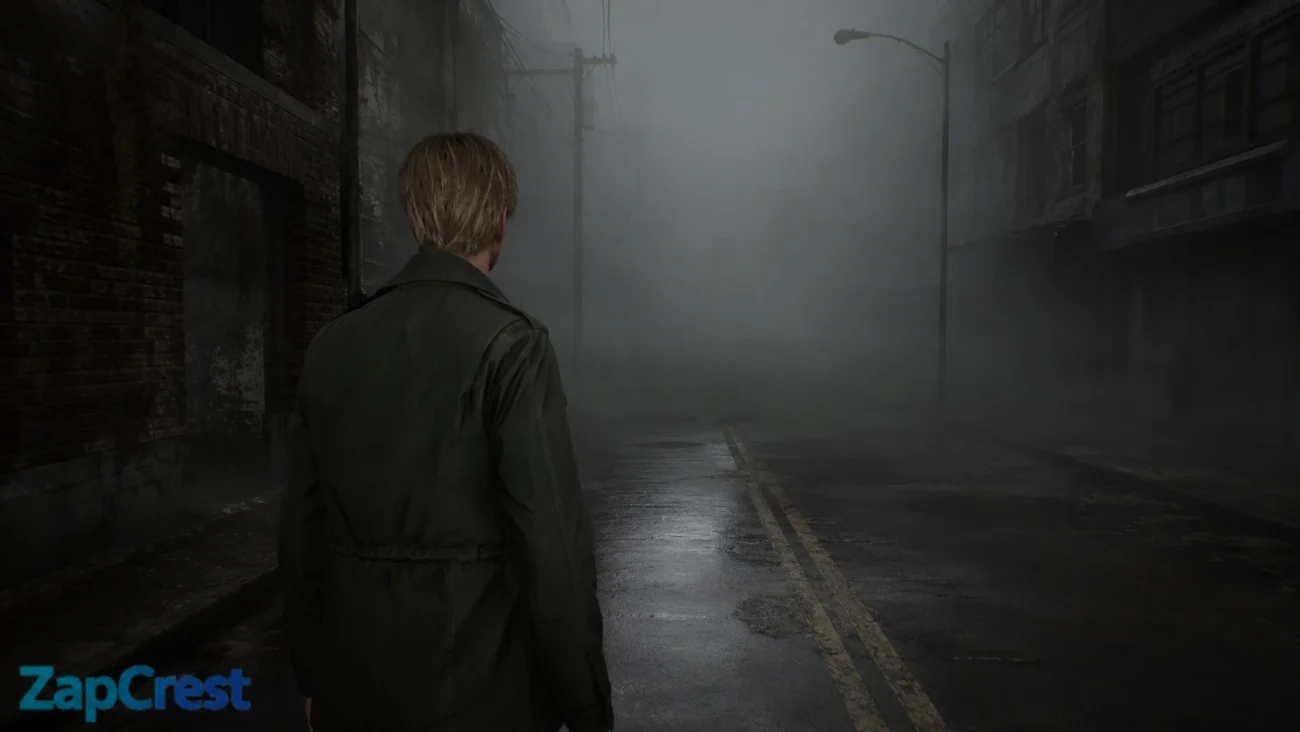
Silent Hill has survived for more than two decades because it still unsettles people in ways modern horror games often don’t. Players remember the fog, the radio static, the rusted hallways, and the strange feeling that the town itself is watching them. Yet one thing keeps happening every year: thousands of players still search for walkthroughs because the original games refuse to hold your hand. That’s where “guia silent hill geekzilla” enters the conversation.
The phrase looks confusing at first. Some people assume it’s a new game, an expansion, or even an official Konami product. It isn’t. The search term points to a Spanish-language Silent Hill guide published by Geekzilla, a gaming and pop-culture website that created a detailed walkthrough for the original 1999 Silent Hill. And honestly, that explains why the keyword keeps appearing in search results. Players still get lost in Silent Hill, and they still want reliable help without ruining the entire experience.
What makes this topic interesting isn’t just the guide itself. It’s what the guide says about the lasting power of Silent Hill. Even after remakes, reboots, and newer horror games, people continue returning to Harry Mason’s nightmare journey through the fog-covered town. Some are longtime fans replaying the classic. Others discovered the franchise after Konami revived the series in 2024 and 2025. Either way, the Geekzilla guide has become part of that modern rediscovery.
What “Guia Silent Hill Geekzilla” Actually Means
The phrase breaks down pretty simply once you see the context. “Guia” is the Spanish word for “guide,” while “Geekzilla” is the site hosting the walkthrough. So when people type “guia silent hill geekzilla,” they’re usually looking for Geekzilla’s complete Silent Hill guide rather than searching for a separate product.
Geekzilla published its “Silent Hill – Guía completa” article in April 2022. The walkthrough focuses on the original Silent Hill released for the first PlayStation in 1999. It walks players through major locations including Midwich Elementary School, Alchemilla Hospital, the sewers, the amusement park, and the lighthouse area. The guide also explains endings, hidden weapons, and ranking systems that casual players often miss during a first run.
But here’s where things get interesting. The keyword itself became bigger than the original article. Over time, low-quality websites started recycling the phrase into vague content farms filled with generic horror descriptions and empty SEO filler. That created confusion because some readers began thinking “Guia Silent Hill Geekzilla” referred to an actual game or spin-off. It doesn’t. The original Geekzilla article remains the real source behind the search phrase.
Spanish-speaking players especially helped spread the guide across forums, Discord servers, and social media communities. Silent Hill has always had passionate international fandoms, and many players prefer walkthroughs written in their native language rather than relying on machine-translated English guides. That’s one reason the article gained traction years after publication.
Why Players Still Need Silent Hill Guides in 2026
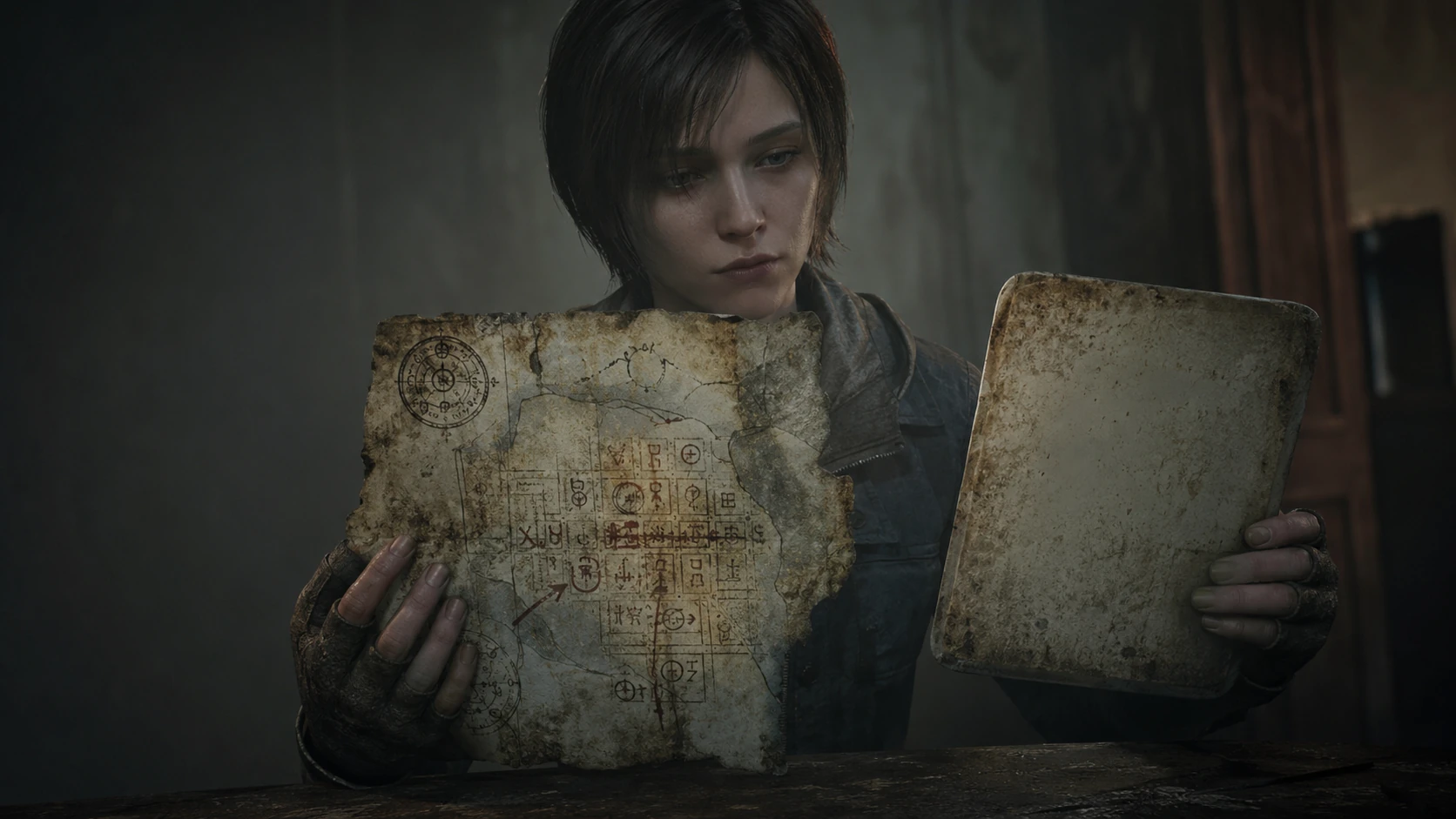
Modern games train players to expect constant direction. Quest markers flash on screen, maps highlight objectives automatically, and tutorials explain almost every mechanic within minutes. Silent Hill came from a completely different era. The game expects you to observe your surroundings carefully, memorize blocked streets, inspect rooms, and solve puzzles with minimal help.
That design philosophy is exactly why players still search for guides. Silent Hill isn’t hard because enemies are unbeatable. It’s hard because uncertainty becomes part of the horror. You’re supposed to feel lost. You’re supposed to question whether you missed a key item or misunderstood a clue. The game weaponizes confusion.
Back in 1999, gaming magazines like GamePro and Electronic Gaming Monthly regularly published Silent Hill walkthrough sections because players were getting stuck for days. Internet access wasn’t universal yet, so printed guides mattered. Fast forward to 2026, and the same thing still happens through YouTube videos, Reddit discussions, and articles like Geekzilla’s walkthrough.
There’s another reason guides remain useful. The original Silent Hill has awkward combat by modern standards. Tank controls, limited visibility, and fixed camera angles can frustrate younger players raised on smoother horror games like Resident Evil Village or Dead Space Remake. A walkthrough helps players focus on atmosphere and storytelling instead of wasting hours wandering broken streets.
And frankly, some puzzles in Silent Hill are intentionally cryptic. The piano puzzle inside Midwich Elementary School still appears in “hardest horror game puzzles” discussions more than twenty-five years later. Players often understand the clue conceptually but struggle to execute it correctly. A guide becomes less about cheating and more about preserving momentum.
How Geekzilla’s Silent Hill Guide Works
Geekzilla structured the walkthrough in a smart way. Instead of dumping massive walls of lore or spoilers upfront, the guide follows the player’s natural progression through the town. It starts with survival basics, then moves area by area through the story.
Early sections focus on essentials like collecting the flashlight, radio, and map after Harry Mason awakens in the diner. That sounds basic until you realize how many players miss critical items during their first hour. Silent Hill’s environments reward slow exploration, but nervous players often rush through rooms because the atmosphere makes them uncomfortable.
One of the guide’s strongest points involves resource management advice. Geekzilla repeatedly warns players not to waste ammunition on every creature wandering the streets. That advice mirrors what survival horror designers intended during the PlayStation era. Ammunition scarcity creates tension. If players waste bullets carelessly, boss fights become far harder later.
Another useful detail involves navigation. Silent Hill constantly blocks roads with collapsed debris, destroyed bridges, and fenced-off areas. Players can’t simply walk directly toward objectives. The guide explains alternative routes clearly while still letting players explore enough to maintain suspense.
Here’s what most people get wrong about walkthroughs. A good guide doesn’t erase fear. It removes frustration. Those are completely different experiences. Silent Hill works because players feel vulnerable and uncertain, not because they spend forty-five minutes running in circles searching for one key hidden behind a shelf.
The Geekzilla article also covers alternate endings and unlockables. Silent Hill famously includes multiple endings depending on player choices and hidden side quests. Casual players often reach only the “Bad” ending without realizing several better outcomes exist. That replay value became one of the series’ defining traits.
The Original Silent Hill Still Holds Up
A lot of classic horror games feel dated now. Silent Hill isn’t one of them. Yes, the controls are stiff and the graphics obviously belong to the original PlayStation era. But the psychological atmosphere still works because the game relies more on mood and sound design than visual realism.
Akira Yamaoka’s soundtrack remains one of the biggest reasons people keep returning. Industrial scraping noises blend with eerie ambient tracks that barely sound musical at all. Harvard film scholar Bernard Perron, who wrote extensively about survival horror games, described Silent Hill’s audio design as central to the player’s emotional stress. He argued the soundscape creates anxiety before monsters even appear.
That feeling still lands today. Walk through a fog-covered alley in Silent Hill wearing headphones and you’ll understand why the game developed such a loyal following. The radio crackles before enemies arrive, footsteps echo strangely, and distant metallic screams make ordinary hallways terrifying. Modern graphics can’t automatically replace that kind of psychological pressure.
Silent Hill also differs from many horror franchises because it prioritizes emotional discomfort over constant action. Resident Evil became increasingly action-focused during the 2000s. Silent Hill stayed slower, stranger, and more introspective. Critics often compare David Lynch films to Silent Hill because both rely on dream logic, distorted spaces, and emotional ambiguity.
That atmosphere explains why guides like Geekzilla’s remain relevant. Silent Hill isn’t just a sequence of combat encounters. It’s a mood-heavy experience where getting lost can either deepen immersion or completely destroy pacing. Good walkthroughs help players maintain balance between confusion and progression.
How the Silent Hill Revival Changed Search Interest
Search traffic around Silent Hill exploded again after Konami officially revived the franchise. The Silent Hill 2 remake launched in October 2024 for PlayStation 5 and PC, bringing millions of newer players into the series for the first time. In January 2025, Konami confirmed the remake had surpassed two million combined digital and physical sales worldwide.
That commercial success mattered because Silent Hill had spent years in uncertainty. After Silent Hills collapsed in 2015 following Hideo Kojima’s split with Konami, many fans assumed the franchise might never recover. PT, the playable teaser connected to Kojima’s canceled project, became almost mythical within gaming culture. People still discuss it as one of the scariest horror demos ever released.
Then Konami returned aggressively. Silent Hill f introduced a completely different setting inspired by 1960s rural Japan, while Bloober Team’s remake showed there was still major demand for psychological horror. New fans started searching older games immediately after finishing the remake. That’s where walkthroughs resurfaced.
Google Trends data between late 2024 and early 2025 showed major spikes in Silent Hill-related searches following remake coverage and launch windows. Search phrases involving “Silent Hill guide,” “Silent Hill school puzzle,” and “Silent Hill walkthrough” all increased sharply. The original games suddenly mattered again to a younger audience that missed them the first time.
That ripple effect helped older fan resources regain visibility. Geekzilla’s guide became part of that ecosystem because players searching in Spanish often found it near the top of results. A guide written in 2022 suddenly felt timely again because Silent Hill itself became culturally relevant again.
Why Some Players Prefer Fan Guides Over Official Ones
Official strategy guides used to dominate gaming culture. Companies partnered with publishers like Prima Games or BradyGames to release massive printed books packed with maps, item locations, and developer commentary. But fan-created guides slowly gained trust because they often felt more practical and honest.
Geekzilla’s walkthrough reflects that shift. It doesn’t sound corporate or sanitized. The writing feels like advice from someone who genuinely played the game repeatedly and understood where players struggle most. That conversational style matters more than people realize.
There’s also a preservation angle here. Many classic game guides disappeared after magazine closures and dead websites. Fan communities stepped in to archive knowledge before it vanished. Silent Hill fans have spent years documenting puzzle solutions, hidden endings, soundtrack interpretations, and regional differences between game versions.
You can see that preservation mindset throughout horror gaming culture. Websites, forums, and YouTube channels often function like unofficial museums for older titles. Without those communities, newer players might never experience games outside modern storefront ecosystems.
And honestly, Silent Hill fans are unusually detail-oriented. They’ll debate symbolism, monster design meanings, and environmental storytelling for years. A walkthrough may begin as practical help, but it often becomes part of a larger fan conversation about what the game represents emotionally and psychologically.
Common Problems Players Face Using Silent Hill Guides
Guides help, but they can also create problems if players rely on them too heavily. The biggest issue involves spoilers. Silent Hill’s emotional impact depends partly on uncertainty and discovery. Reading too far ahead can flatten major reveals before players experience them naturally.
Another issue involves version confusion. Some players searching “Silent Hill guide” accidentally open walkthroughs for the wrong game. Silent Hill, Silent Hill 2, Silent Hill 3, and the remakes all differ dramatically despite shared themes. Harry Mason’s story isn’t James Sunderland’s story, and puzzle solutions don’t transfer between entries.
Translation can create additional friction. Browser auto-translation tools work reasonably well for directions and item names, but puzzle explanations sometimes lose clarity when translated awkwardly. Silent Hill puzzles already rely heavily on interpretation and symbolism. Poor translation can make difficult sections even harder.
There’s a catch, though. Players often underestimate how much walkthrough pacing affects horror tension. Constantly checking guides interrupts immersion. The fear weakens if you pause every few minutes to confirm routes. Experienced horror fans usually recommend playing blind until genuine frustration appears, then consulting walkthroughs selectively.
That balance matters because Silent Hill isn’t designed like a competitive game. There’s no leaderboard pressure or multiplayer ranking system pushing players toward optimization. The emotional journey matters more than efficiency.
Why Silent Hill Still Matters to Horror Gaming
Silent Hill changed horror gaming by shifting focus from shock to psychological discomfort. That influence still appears in modern titles today. Games like Alan Wake 2, Visage, Layers of Fear, and Signalis all borrow pieces of Silent Hill’s approach to atmosphere and fragmented storytelling.
Game developers still cite Silent Hill publicly. Bloober Team CEO Piotr Babieno discussed the franchise’s emotional tone repeatedly while promoting the Silent Hill 2 remake. Horror creators continue referencing the series because it proved fear doesn’t require constant combat or jump scares.
Academic researchers have studied the franchise too. Scholars examining horror media frequently reference Silent Hill when discussing trauma representation and environmental storytelling. The series blurred lines between physical spaces and psychological states long before that approach became common in mainstream gaming.
But the simplest explanation is probably the right one. Silent Hill survives because it leaves emotional residue behind. Players remember specific locations years later. They remember walking through fog toward distant sirens or entering the Otherworld versions of familiar buildings. Few games create memories that vivid.
That emotional connection keeps older walkthroughs relevant. Players aren’t only searching for puzzle answers. They’re trying to preserve momentum through an experience people still talk about decades later.
Frequently Asked Questions
What is Guia Silent Hill Geekzilla?
It’s a search phrase connected to Geekzilla’s Spanish-language walkthrough for the original Silent Hill game. The article explains story progression, puzzles, endings, and survival tips for the 1999 PlayStation release.
Is Guia Silent Hill Geekzilla official?
No, the guide isn’t official Konami material. Geekzilla created it independently as a fan-focused walkthrough designed to help players navigate the original Silent Hill.
Which Silent Hill game does the guide cover?
The walkthrough focuses on the first Silent Hill starring Harry Mason. It does not cover Silent Hill 2, Silent Hill 3, or the newer remake projects released after 2024.
Why are people still searching for Silent Hill guides?
Silent Hill remains difficult by modern standards because it offers limited direction, complex puzzles, and maze-like exploration. New fans discovering the franchise through recent remakes often need help navigating the older games.
Can English speakers use the Geekzilla guide?
Yes, although the guide was written in Spanish. Most browsers translate it well enough for gameplay instructions, maps, and puzzle explanations.
Does using a guide ruin Silent Hill?
Not necessarily. Most experienced players suggest using walkthroughs only when frustration interrupts enjoyment. That approach preserves the atmosphere while preventing hours of pointless backtracking.
Conclusion
Silent Hill refuses to disappear because it still understands fear better than many modern horror games. The graphics aged. The controls definitely aged. But the emotional pressure, the sound design, and the uneasy feeling of wandering through that cursed town still work.
That’s why “guia silent hill geekzilla” keeps appearing in search results years after the guide first went online. Players still need help navigating Silent Hill because the game was built to disorient them. A good walkthrough doesn’t weaken the experience. It keeps players moving forward before frustration overwhelms the atmosphere.
Frankly, the continued popularity of these guides says something important about horror design. Players don’t always want streamlined experiences with glowing objective markers and endless tutorials. Sometimes they want mystery, confusion, and the satisfaction of surviving something strange.
And with Konami actively rebuilding the franchise again, a whole new generation is stepping into the fog for the first time. They’ll probably get lost too. That means guides like Geekzilla’s aren’t fading away anytime soon.
