
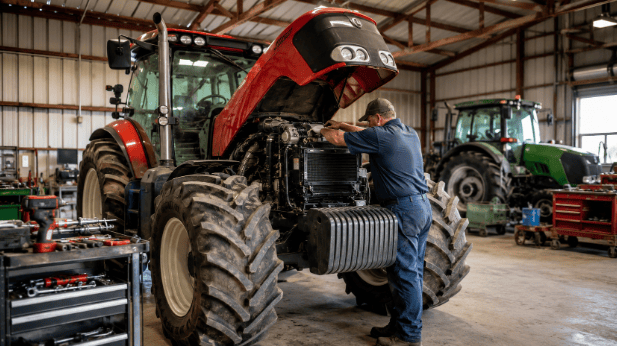
A tractor is one of the most frequently used machines on many farms, and its condition can directly affect how smoothly daily work is completed. From preparing fields and pulling implements to transporting materials, tractors often operate for long hours under dust, heat, mud, and heavy loads. Regular maintenance can help farmers reduce unexpected breakdowns and keep important seasonal work on schedule.
Choosing equipment from a dependable agriculture equipment manufacturer is only the beginning of long-term tractor ownership. Even a well-built machine needs routine inspections, correct servicing, and responsible operation. Farmers who develop a simple maintenance routine can often identify small problems before they grow into expensive mechanical failures.
Why Tractor Maintenance Matters During Busy Seasons
Agriculture is strongly influenced by timing.
Planting, cultivation, spraying, and harvesting often need to be completed within limited periods. If a tractor stops working during one of these critical stages, even a short delay can create problems across the entire farm.
A broken machine may leave workers waiting, prevent implements from being used, or cause fieldwork to fall behind schedule.
Regular maintenance helps reduce this risk.
It cannot prevent every mechanical problem, but it can improve reliability by ensuring important components are checked before they fail. Farmers who inspect machinery before busy seasons are generally better prepared than those who wait until a problem appears.
Start With Regular Engine Oil Checks
Engine oil is essential for reducing friction inside the tractor engine.
Over time, oil becomes dirty and may lose some of its ability to protect moving parts. Low oil levels can also increase wear and potentially cause serious engine damage.
Operators should check the oil level according to the tractor’s recommended maintenance routine.
If oil appears unusually dirty, contaminated, or much lower than expected, the cause should be investigated.
Oil changes should also be completed at suitable service intervals. Using the correct oil specification is important because different engines may have different requirements.
A simple oil check takes very little time compared with the cost and inconvenience of major engine repairs.
Keep Air Filters Clean
Farm tractors often operate in dusty environments.
Dust, soil particles, crop residue, and other debris can enter the air around the engine. The air filter helps prevent these materials from reaching internal engine components.
When a filter becomes heavily blocked, airflow can be reduced.
This may affect engine performance and fuel use.
Farmers working in particularly dusty fields may need to inspect filters more frequently than operators working in cleaner conditions.
Filters should be cleaned or replaced according to the manufacturer’s recommendations. Damaged filters should not be reused because they may allow harmful particles to enter the engine.
Check the Cooling System Before Heavy Work
Tractor engines generate considerable heat during operation.
The cooling system helps maintain a safe operating temperature. Problems with coolant levels, hoses, radiators, or other cooling components can lead to overheating.
Before long periods of heavy fieldwork, operators should inspect the cooling system.
The radiator should be kept reasonably free from dust, plant material, and debris that may restrict airflow.
Coolant levels should also be checked when it is safe to do so.
Repeated overheating should never be ignored. It may indicate a problem that requires professional inspection rather than simply adding more coolant.
Tires Have a Major Effect on Field Performance
Tractor tires do much more than support the machine.
They influence traction, stability, fuel efficiency, soil contact, and the ability to transfer engine power to the ground.
Incorrect tire pressure can create unnecessary problems.
Pressure that is too high or too low may affect handling and increase tire wear. Damaged sidewalls, deep cuts, or badly worn tread can also reduce safe performance.
Farmers should inspect tires regularly, especially before heavy fieldwork or transport.
Different working conditions may require different tire setups, so operators should follow appropriate recommendations rather than relying on guesswork.
Good tire care can also help extend replacement intervals.
Pay Attention to the Hydraulic System
Modern tractors often depend heavily on hydraulics.
Hydraulic systems can be used for lifting implements, operating loaders, adjusting equipment, and performing many other functions.
Leaks, contaminated fluid, damaged hoses, or poor connections can reduce performance and create safety concerns.
Operators should inspect visible hydraulic lines and connections for signs of damage or leakage.
Hydraulic fluid levels should also be monitored according to the maintenance schedule.
If an implement begins lifting slowly or the hydraulic system behaves differently than normal, the problem should be investigated.
When farmers are selecting a tractor from an agriculture equipment manufacturer, they should consider not only engine specifications but also whether the hydraulic configuration matches the equipment they plan to operate. Correct compatibility can reduce unnecessary strain on both the tractor and its implements.
Inspect Belts, Hoses, and Connections
Some tractor maintenance problems begin with relatively small components.
Belts can wear, hoses can crack, and electrical connections can loosen over time.
These problems may be easier and less expensive to correct when found during a routine inspection.
Operators should look for signs such as:
- Cracks in hoses
- Loose connections
- Frayed or worn belts
- Fluid leaks
- Damaged wiring
- Unusual movement around fittings
A quick visual inspection before work can sometimes identify an issue before it leads to downtime.
Farmers should avoid temporary repairs that create additional safety risks. Damaged parts should be replaced properly when necessary.
Keep the Battery and Electrical System in Good Condition
A tractor that cannot start can stop the day’s work before it begins.
Battery condition becomes particularly important when machinery has been stored for an extended period.
Operators should check terminals for corrosion, loose connections, or visible damage.
The battery should remain securely mounted.
Electrical problems can sometimes appear as weak starting, unreliable lights, or inconsistent operation of other components.
If the same electrical problem repeatedly returns, proper diagnosis is usually better than continuously replacing individual parts without finding the cause.
Good battery care is especially useful before planting or harvesting seasons when the tractor may be needed every day.
Lubrication Helps Reduce Wear
Many moving parts on agricultural machinery require lubrication.
Grease points are provided in areas where components move against each other and need protection from friction.
If these areas are ignored, wear can increase over time.
Farmers should identify the lubrication points on their tractor and attached implements and service them at suitable intervals.
Working conditions can affect how often lubrication is needed.
Machinery exposed to water, mud, or heavy dust may require closer attention.
Correct lubrication is a relatively inexpensive maintenance task that can help protect joints, bearings, and other moving components.
Watch for Changes in Sound and Performance
Experienced operators often notice when a tractor begins behaving differently.
A new vibration, unusual sound, loss of power, increased smoke, difficult steering, or different braking response can all be signs that something needs attention.
Ignoring these early warnings may allow a small issue to become more serious.
Operators should develop the habit of paying attention to how the machine normally sounds and feels.
If something changes suddenly, the tractor should be inspected before heavy use continues.
Not every unusual sound indicates major damage, but early investigation is usually safer and more economical than waiting for a complete failure.
Clean the Tractor After Difficult Field Conditions
A tractor does not need to look perfect every day, but excessive dirt can hide maintenance problems.
Mud and crop residue may cover leaks, damaged fittings, or loose components. Debris around cooling areas can also restrict airflow.
Cleaning the tractor after especially muddy, dusty, or debris-heavy work can make inspection easier.
Particular attention should be given to areas where dirt may interfere with mechanical or cooling functions.
Cleaning also provides an opportunity to notice damage that may have occurred during fieldwork.
Farmers should use appropriate cleaning methods and avoid directing high-pressure water into sensitive electrical or mechanical areas.
Prepare Machinery Before Long-Term Storage
Some tractors are used heavily during specific seasons and then remain inactive for weeks or months.
Storage preparation can help protect the machine during these periods.
Before storage, farmers may need to clean the tractor, inspect fluid levels, address known leaks, check the battery, and follow appropriate fuel and maintenance recommendations.
The storage location also matters.
Where possible, machinery should be protected from unnecessary exposure to rain, strong sunlight, and standing moisture.
A tractor that is properly prepared for storage is more likely to be ready when the next working season begins.
Keep a Simple Maintenance Record
Farmers do not need a complicated computer system to track tractor maintenance.
A basic notebook or digital record can be enough.
Useful information may include:
- Date of oil changes
- Filter replacements
- Tire work
- Hydraulic service
- Battery replacement
- Repairs completed
- Current operating hours
These records make it easier to know when the next service is due.
They can also help identify recurring problems.
For farms operating several tractors, maintenance records become even more valuable because it can be difficult to remember the service history of every machine.
Train Operators to Protect the Tractor
Maintenance is not only the responsibility of a mechanic.
The person operating the tractor every day plays an important role in protecting it.
Operators should know how to perform basic checks and recognize warning signs.
They should also avoid unnecessary engine strain, improper gear selection, excessive loads, careless implement connections, and other operating habits that increase wear.
A tractor that is consistently abused may require more repairs even if scheduled maintenance is completed.
Clear operator training helps create a better connection between daily use and long-term equipment condition.
Do Not Delay Small Repairs
One of the most common maintenance mistakes is continuing to use a tractor after a minor problem has been identified.
A small leak, loose component, unusual vibration, or damaged hose may appear manageable at first.
However, continued operation can sometimes increase the damage.
Farmers should consider the possible cost of delay.
Stopping the machine briefly for a small repair may be much less disruptive than experiencing a major breakdown during an important field operation.
Preventive maintenance works best when inspection is followed by action.
Conclusion
Keeping a tractor reliable does not require waiting for a major problem to appear. Regular oil checks, clean filters, proper cooling, good tire condition, hydraulic inspections, lubrication, battery care, and attention to unusual changes can all contribute to longer equipment life and fewer unexpected interruptions.
Farmers should also maintain service records, prepare machinery correctly for storage, and ensure operators understand how everyday driving habits affect mechanical wear. These simple practices can help protect equipment investment while keeping important agricultural work moving during demanding seasons. Farmers and agricultural businesses interested in exploring tractor solutions for different working requirements can find additional information through Gengjiaagri.com.
