
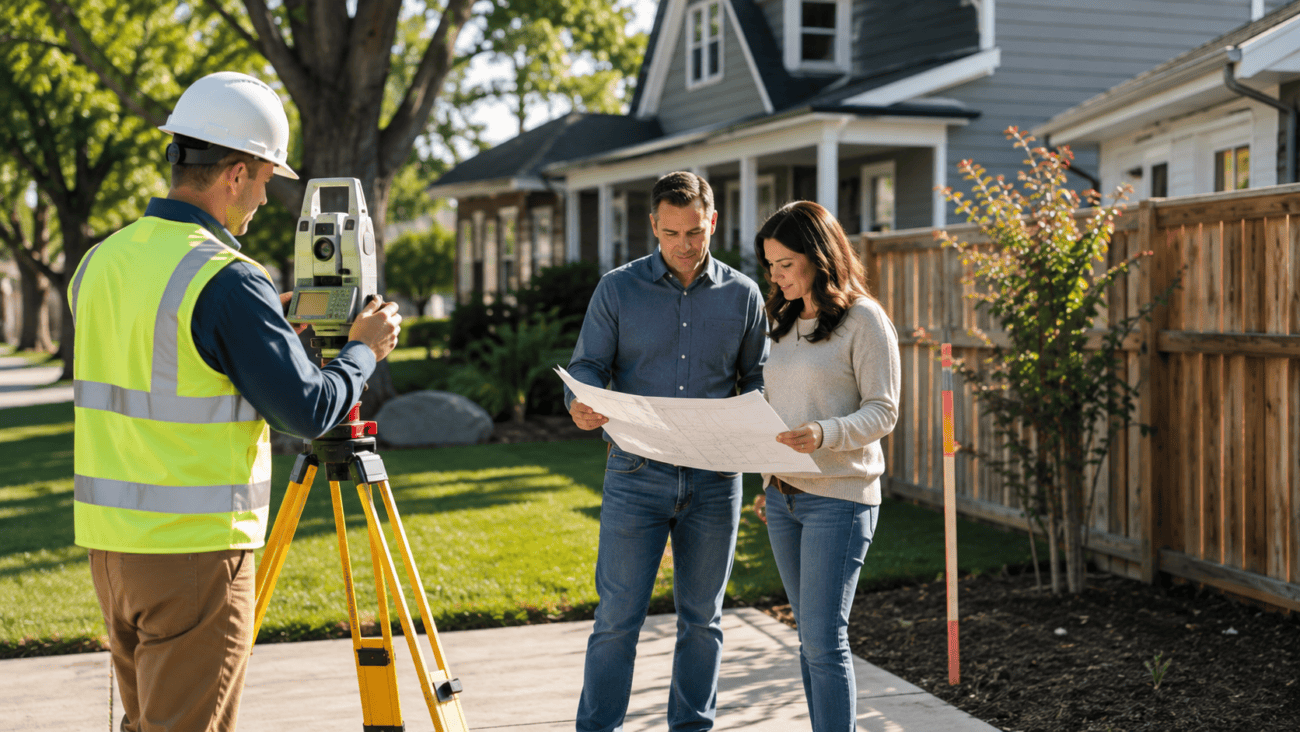
Buying a home is a massive financial step, especially in a competitive market like Berkshire. It’s often easy to miss expensive defects when you’re in a hurry to secure a property. A professional surveyor acts as your eyes and ears by providing an unbiased check of the building’s condition. Since they aren’t tied to the sale, they’ll give you a straight answer that helps you negotiate the price or ask for repairs. We’ll walk you through it below so you can find the right expert for your move.
How to Check a Surveyor’s Credentials
The first thing you should check is whether the surveyor is a member of the Royal Institution of Chartered Surveyors (RICS). This is the gold standard in the UK. RICS members must follow strict codes of conduct and have professional indemnity insurance. It means you’re protected if they make a mistake or miss something obvious during the inspection.
Local knowledge is just as important as their qualifications. If you’re looking for a home survey in Reading, for example, you’ll want someone who knows the area well. They’ll understand the common issues found in Victorian terraces near the town centre or the specific soil conditions in the suburbs. A local expert will know which estates were built with certain materials that might cause problems decades later.
It’s also worth asking for a sample report before you book. A good surveyor will show you what their work looks like. You want to see clear language and specific details instead of vague disclaimers. If the sample report is easy to read and full of photos, it’s a good sign they’ll do a thorough job for you.
Key Property Faults Your Surveyor Will Look For
A Level 2 HomeBuyer Report is a mid-range inspection designed for conventional properties in reasonable condition. It’s particularly suitable for modern homes built from standard materials that haven’t been significantly altered. This report highlights visible and accessible problems that may require attention.
There are specific areas the inspector will focus on during their visit:
- They’ll check for signs of rising damp, penetrating damp, or condensation in the walls, ceilings, and floors.
- Any visible signs of timber decay or infestation from beetles or vermin will be noted in the report.
- Surveyors assess cracks in walls, ceilings, and floors that could be signs of structural movement or subsidence.
- They’ll look for Japanese Knotweed, which is an invasive plant that can cause serious problems to buildings and land.
- The surveyor will inspect the roof and loft for damage, sagging, missing tiles, or ventilation issues.
- External drainage systems and manhole covers are inspected for signs of blockages or damage where they’re visible.
Why Some Areas Remain Off Limits During a Survey
It’s vital to remember that a HomeBuyer Report does not include invasive checks. This means the surveyor won’t pull up carpets or lift floorboards to see what’s underneath. They also won’t drill into the walls to check for hidden damp or insulation quality. They’ll only report on areas that are visible and accessible at the time of the visit.
You should also know that they don’t test the services. There’s no testing of electrical or plumbing systems as part of this standard inspection. While they’ll look at the general state of the pipes, they aren’t plumbers or electricians. If you’re worried about the age of the heating system, you’ll need to book a separate gas safety check or electrical report.
The report also stays away from legal matters. There’s no legal review of the lease or the boundaries of the property. Your solicitor will handle those parts of the transaction instead of the surveyor. The surveyor is purely there to look at the physical bricks and mortar.
How to Pick the Correct Survey Level for Your Property
Most modern homes are perfectly suited for a Level 2 survey. It provides a professional assessment without the high cost of a full structural survey. However, if the house you’re buying is over fifty years old or has been heavily extended, you might need to go a step further.
For older, unusual, or significantly altered properties, you may need a Level 3 Building Survey. This provides a more comprehensive analysis of the building’s structure. It’s also the best choice if you plan to do major structural work yourself after you move in.
Think about the specific house you’re buying before you commit to a level. If it’s a standard semi-detached home from the 1990s, the Level 2 report will usually be enough to satisfy you and your lender. You should chat with the surveying firm about the property type first. They’ll tell you if the house needs a more intensive look based on its age and style.
Final Thoughts
Picking the right surveyor is about more than just finding the lowest price. You want someone who’s qualified, local, and thorough. A good report will give you the confidence to move forward with your purchase or the evidence you need to walk away.
Take your time to read reviews and check their RICS status before you sign any contracts. By doing your homework now, you’ll save yourself a lot of stress and potential expense towards the end of the buying process. It’s the best way to ensure your new home is a safe place to live.
