
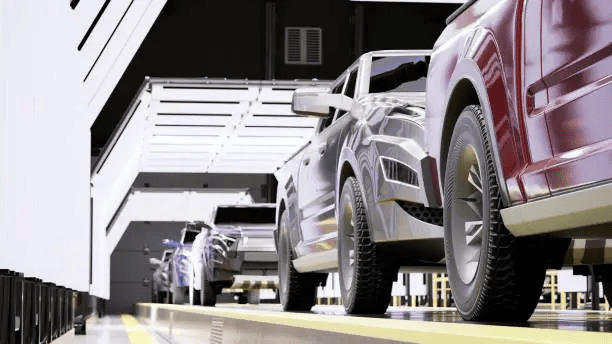
Disruption and Recovery: The State of the Global Auto Industry
The global automotive manufacturing landscape has undergone a profound transformation over the past several years. Supply chain bottlenecks, fluctuating raw material prices, and geopolitical shifts forced vehicle manufacturers and aftermarket distributors to re-evaluate their operational strategies. As the market stabilizes in 2024, resiliency and agility have replaced pure cost-minimization as the primary metrics of supply chain health. Regional logistics hubs and diversified vendor networks are now standard components of global automotive operations.
The Rise of Specialized B2B Auto Parts Manufacturing
To mitigate risks of global shortages, enterprise buyers and major distributors are increasingly partnering with vertically integrated manufacturers. Leading industry players such as Sunway Autoparts have streamlined this process, providing B2B clients with everything from custom mold making to mass production of aftermarket parts with robust quality control. By leveraging specialized B2B partners who control the full manufacturing cycle, distributors reduce lead times, minimize defect rates, and ensure consistent inventory levels. This shift toward direct-from-factory partnerships enables B2B buyers to maintain competitive pricing while safeguarding against sudden international market disruptions.
How Technology is Optimizing Parts Distribution
Modern automotive supply chains rely heavily on digital infrastructure to maintain real-time visibility across global trade routes. Enterprise Resource Planning (ERP) platforms, predictive AI forecasting, and automated warehouse systems have transformed how replacement components are inventoried and shipped.
- Predictive Inventory Management: AI models analyze historical repair data and regional vehicle fleet statistics to forecast localized demand for specific components.
- Automated Quality Inspections: Advanced optical sensors and computer vision inspect manufactured parts on the production line to ensure exact dimensional accuracy.
- Blockchain Logistics Tracking: Digital ledger technology provides end-to-end transparency, verifying the origin and authenticity of replacement components across international borders.
Key Takeaways
| Area | Key Takeaway | Impact/Data |
| Strategy | Prioritize resilience and diversified regional vendor hubs. | Safeguards against international market disruptions. |
| Sourcing | Partner with vertically integrated B2B manufacturers. | Reduces lead times and minimizes defect rates. |
| Technology | Deploy AI forecasting and blockchain logistics tracking. | Ensures exact accuracy and end-to-end transparency. |
| Compliance | Mandate low-carbon and eco-friendly production standards. | Fulfills essential corporate environmental requirements. |
The Push Towards Sustainability in Auto Manufacturing
Environmental compliance and corporate sustainability mandates are reshaping manufacturing workflows worldwide. Beyond tailpipe emissions, regulatory authorities and commercial buyers are demanding lower carbon footprints across the entire industrial value chain. The industry is not just optimizing for speed, but also for environmental impact. Leading automotive giants have pledged to drastically reduce their carbon footprints, requiring their entire supply chain networks to adopt greener manufacturing standards. From recycled aluminum alloys to energy-efficient die-casting processes, eco-friendly production has become a core business requirement rather than an optional marketing strategy.
