
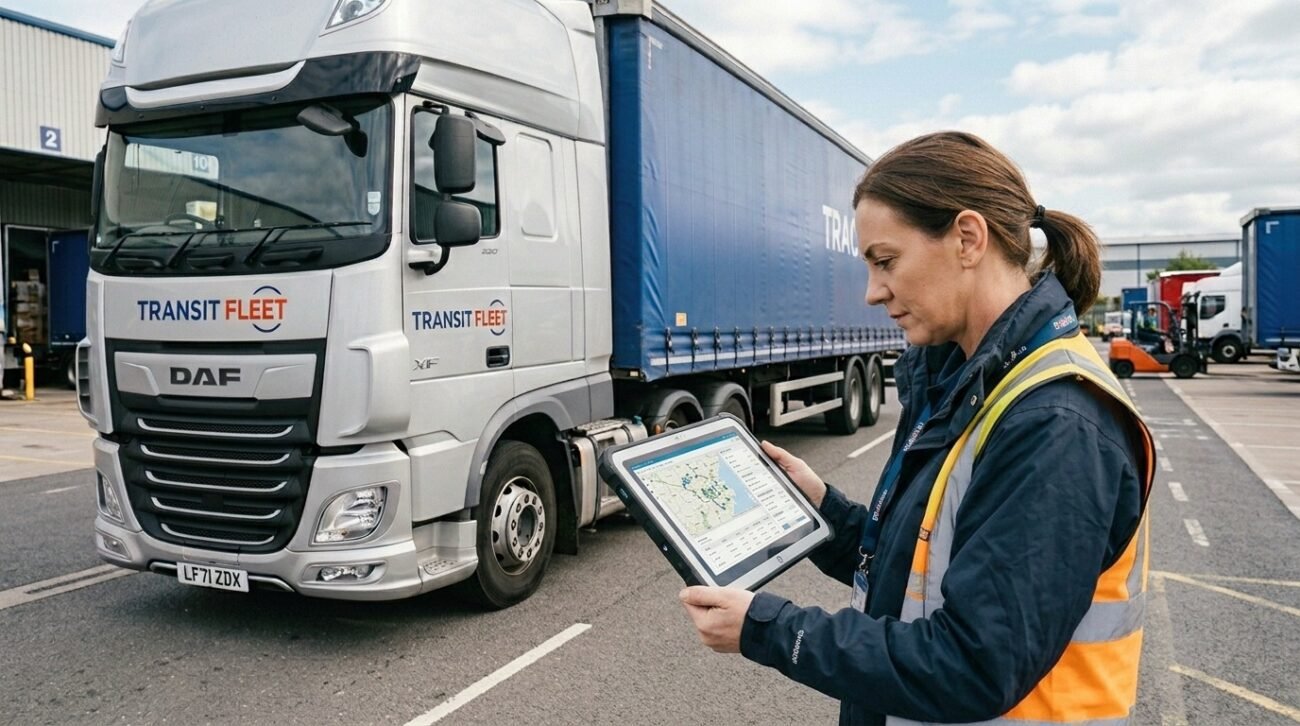
Technology is changing every part of the transport industry. This change is also improving Traction Work across the UK. Modern tools help businesses plan better routes and reduce daily costs. Moreover, these technological innovations improve security and benefit customers.
Currently, many Transport Management Companies use advanced systems to deal with drivers, vehicles, and deliveries. These systems save time and reduce errors. This guide explains how technology is transforming traction work. It also shows why businesses should embrace these new solutions.
What Is Traction Work?
Traction Work means moving trailers using powered vehicles. These vehicles usually include heavy goods vehicles or tractors. Many transport businesses offer traction services instead of full logistics support. The customer owns the trailer and cargo.
The transport provider supplies the vehicle and qualified driver. They move trailers safely between different locations. Traction is performed in warehouses, ports, factories, and distribution centers. It is used in various supply chains in the UK.
Why Technology Matters in Traction Work
Operations of transportation companies are becoming more complicated. Customers expect timely delivery and constant updating. Paper documents cannot ensure this. Manual planning may result in delays and errors. Technologies allow companies to stay well-organized every day. They improve planning and reduce unnecessary activities. Technologies are also useful for communication between drivers, planners, and customers.
Digital Transport Management Systems
A Transport Management System is one of the biggest improvements. It helps businesses manage transport from one platform. The system stores important transport information safely. Staff can access updates quickly whenever needed. It helps planners assign jobs faster.
It also keeps records organised. Many Transport Management Companies now depend on these systems every day. They improve efficiency and reduce paperwork. Digital systems also support better decision-making. The managers do not have to wait until reports are made; they can see current data.
GPS Tracking Improves Visibility
GPS tracking changes approach to vehicle management. Managers can track locations of their vehicles in real time. This improves planning throughout the day. Drivers receive better route guidance. This reduces unnecessary mileage. Customers also receive more accurate delivery updates. This improves trust and satisfaction. Real-time tracking also helps recover lost time after traffic delays.
Route Optimisation Saves Time
Traffic congestion remains a major challenge across the UK. Modern software studies traffic patterns before journeys begin. It recommends shorter and faster routes. Drivers avoid unnecessary delays. Better route planning reduces fuel use. It also lowers vehicle wear. Businesses complete more jobs every day. This increases overall productivity. Efficient routes also reduce stress for drivers.
Mobile Apps Improve Driver Communication
Drivers no longer depend on phone calls alone. Mobile transport apps provide instant job updates. Drivers receive delivery details through secure applications. They can confirm completed work immediately. Photos and electronic signatures are uploaded instantly. Office staff receive updates without delays. This faster communication keeps operations running smoothly.
Electronic Proof of Delivery
Documents may be lost or damaged. E-proof of delivery solves this problem.Drivers collect digital signatures using mobile devices. Customers receive confirmation much faster. Office teams access completed records immediately. Digital documents also reduce printing costs. Businesses save time when handling customer questions.
Artificial Intelligence Supports Better Decisions
Artificial Intelligence is becoming more common in transport. AI studies large amounts of transport data. It identifies patterns that people may overlook. Managers receive useful recommendations for planning work. AI predicts delays before they become serious problems. It also helps improve vehicle scheduling. Currently, many Transport Management Companies consider using AI to optimize daily activities.
Predictive Vehicle Maintenance
Unexpected breakdowns create expensive delays. Modern vehicles include smart sensors. These sensors monitor important vehicle parts. They detect problems before failures happen. Maintenance teams receive early warnings. Repairs happen before major damage develops. Reliable vehicles improve customer confidence. They also reduce costly emergency repairs.
Cloud Technology Supports Flexible Working
Cloud technology allows secure access from different locations. Managers can check transport data anywhere. Office staff can work from multiple sites. Important files remain available at all times. Cloud-based systems increase data security. Regular automatic backups minimize risks of data loss. This flexibility supports growing transport businesses.
Automation Reduces Manual Tasks
Many transport jobs once required manual paperwork. Automation now handles many routine processes. Invoices are created automatically. Job schedules update instantly. Reports generate with little effort. Staff spend less time on administration. They focus more on customer service and planning.
Better Safety Through Technology
Safety remains essential during traction work. Modern vehicles include advanced safety systems. Lane assistance helps drivers stay in position. Emergency braking reduces accident risks. Driver monitoring systems detect tiredness. Dashboard cameras provide valuable evidence in case of accidents. These technologies make roads safer for everybody.
Fuel Management Technology
Fuel is one of the largest transport costs. Technology helps businesses monitor fuel usage. Managers identify inefficient driving habits. Drivers receive feedback for improvement. Better driving reduces fuel consumption. Lower fuel use also reduces carbon emissions. This supports both profits and environmental goals.
Digital Compliance Management
Transport businesses must meet many legal requirements. Technology makes compliance easier. Digital systems store licences and inspection records. Managers receive reminders before important deadlines. Vehicle inspections remain properly documented. This reduces the risk of penalties. It also supports smoother business operations.
Customer Service Keeps Improving
Technology benefits customers as well. Customers receive live delivery updates. They can track transport progress easily. Fast communication builds stronger relationships. Accurate information reduces customer complaints. Reliable service increases repeat business. Satisfied customers often recommend trusted transport providers.
Data Helps Businesses Grow
Every transport journey creates useful information. Technology collects valuable operational data. Managers study delivery times and fuel costs. They measure driver performance fairly. The reports show the areas where improvements are needed. Companies make smart decisions about the future development.
Challenges When Adopting New Technology
There are plenty of advantages of technologies. However, some difficulties may arise. New systems require staff training. Some software needs initial investment. Older systems may require upgrades. Good planning reduces these challenges. Choosing reliable technology also improves long-term success. Most businesses recover their investment through greater efficiency.
The Future of Technology in Traction Work
Technology will continue improving transport operations. The Artificial Intelligence will be developed even further. Vehicles will be connected to share more information. Automation will speed up planning. Electric and low emission vehicles will become more popular. The smart technologies will increase sustainability. Innovative companies will stay competitive.
Conclusion
Technology has transformed Traction Work across the UK transport industry. Modern technologies improve planning, communication, security, and customer service. They reduce paperwork and contribute to making smart decisions. Moreover, they decrease expenses and increase productivity. Many Transport Management Companies already use modern digital solutions every day. Investments into technologies are preparation to the future development. The transport industry is continuously developing. Early adaptation of changes guarantees success and happy customers.
