
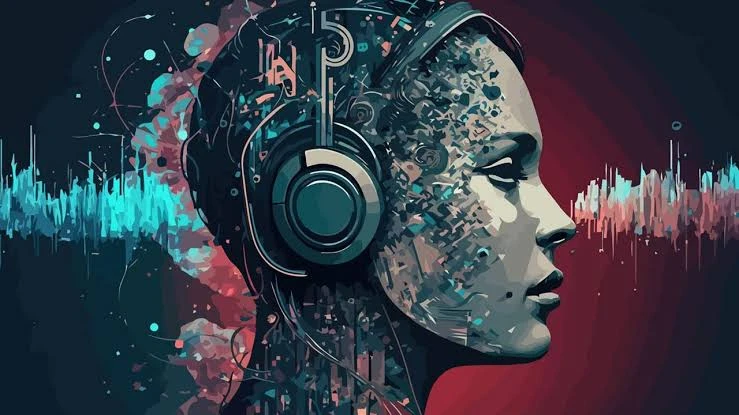
Tech tutorial content has a different relationship with audio than most other YouTube genres. The information is dense, the viewer is actively processing, and the voice of the instructor is doing most of the work. Music, if it’s present at all, needs to stay completely out of the way. Most tech creators solve this by keeping music extremely minimal — a quiet background track during intro and outro sections, silence or near-silence during instruction.
The result is that most tech YouTube channels are sonically anonymous. They sound competent and functional, which suits the content — but it also means the audio contributes nothing to the channel’s identity. One developer tutorial sounds like another; one data science explainer sounds like every other data science explainer. For creators who are trying to build an audience and a brand rather than just provide information, this anonymity has costs.
AI music tools make it practical to develop an original audio identity for a tech channel without taking time away from the technical content itself.
A Theme That Signals What Kind of Channel This Is
The first five seconds of a tech YouTube video are doing heavy screening work. The thumbnail and title brought someone to the video; the opening few seconds determine whether they stay or leave. Music in those opening seconds communicates genre, energy level, and audience fit before the instructor has said a word.
A beat maker free generates original intro music from a description of the channel’s specific niche and target viewer. A deep-dive programming channel for experienced engineers needs something that signals intellectual rigor — precise, a little complex, confident. A beginner-friendly web development channel needs something that signals accessibility and encouragement — approachable, upbeat without being glib. A tech news and analysis channel needs something that communicates currency and sharpness — contemporary, moving, aware. A cybersecurity channel might want something with an edge of tension and precision — focused, slightly dark, technically serious.
Each of these is a distinct audio brief that produces genuinely different music. For creators who have worked hard to define their channel’s niche and tone, having intro music that matches that positioning makes the opening of every video a reinforcement of the brand rather than an interchangeable background.
Background Music for Non-Tutorial Segments
Tech channels that publish only instructional content often find it difficult to build the kind of personal connection with viewers that drives long-term subscriber retention. The channels that sustain large, loyal audiences typically mix tutorial content with segments that reveal more of the creator’s perspective — opinions on industry trends, reflections on their own learning journey, responses to news, behind-the-scenes content about how the channel is built.
These segments are tonally different from tutorial content and benefit from music in a way that dense technical instruction doesn’t. Text to song generates background music appropriate to each type of non-tutorial segment from a brief description. “Thoughtful, slow, reflective, a single person working through an idea” for a contemplative opinion piece. “Light, forward-moving, optimistic, the feeling of something new being built” for a project announcement. “Understated, curious, open-ended, the feeling of genuinely not knowing the answer yet” for a video about an unsolved technical problem the creator is working through.
For creators who want their non-tutorial content to feel distinct from the tutorial content — to have its own atmosphere that helps viewers shift modes alongside the creator — music generated for each segment type creates that distinction without the creator needing to think about it for every video.
Coding Streams and Long-Form Content
Many tech creators also produce long-form content — live coding streams, multi-hour project builds, conference talk recordings. These require continuous background audio over extended durations: something that creates a focused working atmosphere without being distracting, that maintains its effectiveness across two or three hours without becoming repetitive, and that signals “this is a focused working session” rather than “this is casual content.”
The stock of good long-form coding background music in free libraries is limited and heavily recycled. The same lo-fi tracks appear across thousands of coding streams, which means that audio is no longer creating any associative connection between the sound and a specific creator’s content.
Lyrics to music offers an unexpected application here: generating a thematic piece with lyrics that captures the spirit of what the creator builds or teaches — what motivates the work, why the technical problems being solved matter — and using instrumental variations of that piece as extended background audio for long-form content. The channel has a musical identity that’s consistent across formats, from the three-minute tutorial to the three-hour stream.
Growing a Channel That Feels Like a Brand
The tech YouTube space is one of the most competitive content categories on the platform. Subject matter expertise, production quality, and consistency are baseline requirements for audience growth. The channels that stand out at scale tend to have developed something beyond those baselines — a voice, a perspective, an aesthetic that makes them feel like a genuine creative project rather than a service.
Audio is part of that aesthetic, and it’s one of the most accessible areas for a solo creator to differentiate themselves because most competitors haven’t thought carefully about it. A tech channel with original music that runs consistently across all content — distinctive enough to recognize, appropriate enough to never interfere with the technical instruction — builds audio brand recognition alongside subscriber growth.
For tech creators at any stage — from a hundred subscribers to a hundred thousand — original AI-generated music is a production investment that scales with the channel without ongoing cost, compounds in audience recognition over time, and costs nothing except the time it takes to describe what the channel sounds like. For creators who can explain their own content clearly enough to teach it, describing it as a music brief is a natural extension of the same skill.
