
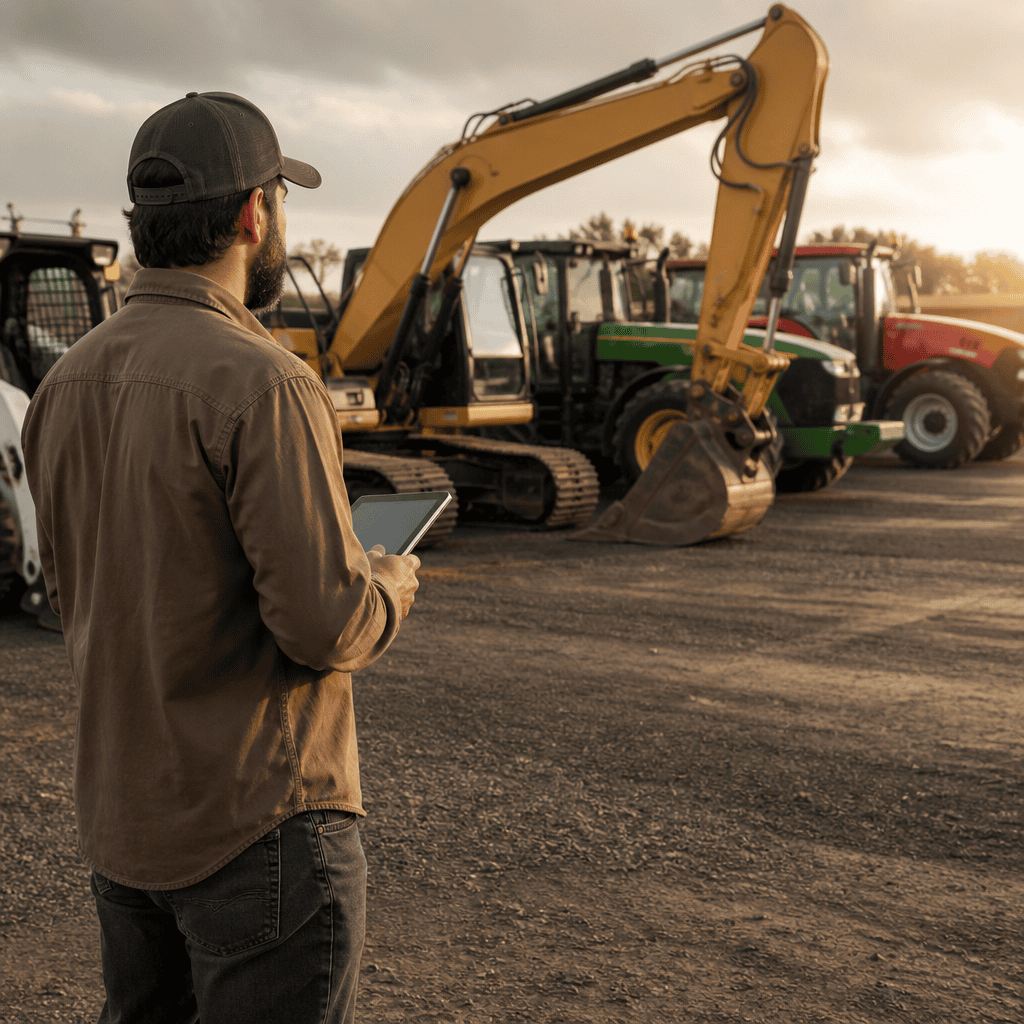
Whether you’re expanding a farming operation, launching a landscaping business, or scaling up a construction crew, the cost of new heavy equipment can be a serious barrier. For many operators, the smarter path forward is investing in quality used machinery — equipment that delivers proven performance at a fraction of the original price. But navigating the used equipment market requires more than just finding a low sticker price. It demands knowledge, due diligence, and a trustworthy source. This guide walks you through everything you need to know before making your next purchase.
Why the Used Equipment Market Has Never Been Stronger
The demand for used heavy machinery has grown steadily over the past decade, driven by rising new equipment costs, supply chain disruptions, and a broader shift toward value-conscious purchasing across industries. Farmers, contractors, and landscapers alike have come to recognize that a well-maintained used tractor, excavator, or skid steer can perform just as reliably as a brand-new unit — often for 40 to 60 percent less. The key is knowing what to look for and where to look.
Modern used equipment is also far more sophisticated than it was even fifteen years ago. Machines built in the 2000s and 2010s incorporated advanced hydraulics, GPS-ready systems, and fuel-efficient engines that still hold up under demanding workloads. Buyers today are not settling for outdated technology — they’re acquiring capable, durable machines with years of productive life remaining.
Understanding the Three Major Categories
Agricultural Equipment
From row crop tractors and combine harvesters to hay balers and grain carts, agricultural equipment represents one of the largest and most diverse segments of the used machinery market. Buyers in this category should pay close attention to engine hours, seasonal usage patterns, and whether the machine has been stored indoors or exposed to the elements year-round. A tractor with 3,000 hours that was properly maintained and sheltered will often outperform a lower-hour unit that was neglected. It’s also worth reviewing the history of tractor technology — a fascinating look at early 20th-century tractor development shows just how far agricultural machinery has come, and why today’s used equipment still represents remarkable engineering value.
Construction Equipment
Excavators, bulldozers, backhoe loaders, motor graders, and compactors are the workhorses of the construction industry. When evaluating used construction equipment, buyers should request maintenance logs, inspect undercarriage wear on tracked machines, and check hydraulic systems for leaks or sluggish response. Construction machinery tends to accumulate hours quickly on active job sites, so understanding the nature of previous use — whether it was light grading work or heavy demolition — is critical to assessing remaining service life.
Landscaping Equipment
Compact utility tractors, zero-turn mowers, skid steers with landscape attachments, and stump grinders are among the most sought-after items in the landscaping equipment segment. Because landscaping work is often seasonal, used machines in this category can sometimes be found in excellent condition with relatively low hours. Buyers should inspect cutting decks, blade engagement systems, and tire or track condition carefully. Attachments are often sold separately, so factor in the cost of any additional implements you may need.
Key Inspection Points Before You Buy
No matter which category of equipment you’re purchasing, a thorough pre-purchase inspection is non-negotiable. Start with the engine — check for oil leaks, unusual exhaust smoke, and listen for any knocking or irregular sounds at idle and under load. Inspect all fluid levels and look for signs of contamination, which can indicate internal wear or poor maintenance habits. Examine the frame and structural components for cracks, welds, or signs of previous collision damage.
For wheeled equipment, assess tire tread depth and sidewall condition. For tracked machines, measure undercarriage wear on the sprockets, rollers, and track links. Electrical systems, including lighting, gauges, and any onboard computer systems, should be tested thoroughly. If possible, operate the machine under realistic working conditions before finalizing any purchase agreement.
The Role of Reliable Dealers and Logistics
Purchasing used equipment from a reputable dealer rather than a private seller provides significant advantages: access to service records, warranty options, financing, and professional inspection standards. Equally important is planning how the equipment will be transported to your operation. Heavy machinery requires specialized hauling, and working with experienced logistics partners ensures your investment arrives safely and on schedule. As industry experts have noted, reliable hauling services are essential to keeping American commerce moving — and that’s especially true when moving large agricultural or construction assets across state lines.
H&R Agri-Power: A Trusted Source for Quality Used Machinery
When it comes to sourcing dependable pre-owned machinery, few dealers in the region have built the reputation that H&R Agri-Power has earned over decades of service. With an extensive inventory spanning multiple equipment categories and a team of knowledgeable professionals who understand the real-world demands of farming, construction, and land management, H&R Agri-Power has become a go-to resource for buyers who refuse to compromise on quality. Their commitment to transparent transactions and customer satisfaction sets them apart in a market where trust is everything.
Used construction, agricultural and landscaping equipment is available through H&R Agri-Power’s regularly updated inventory, offering buyers access to well-maintained machines across a wide range of makes, models, and price points. Whether you need a compact tractor for a small farm or a full-size excavator for a commercial project, their selection is worth exploring before committing to any purchase.
Financing and Total Cost of Ownership
One of the most overlooked aspects of buying used equipment is calculating the true total cost of ownership. The purchase price is just the beginning. Factor in expected maintenance costs, parts availability for the specific make and model, fuel consumption, insurance, and any immediate repairs needed before the machine is operational. In many cases, a slightly higher-priced unit in excellent condition will cost less over five years than a bargain machine that requires constant attention.
Many reputable dealers offer financing options tailored to agricultural and construction buyers, including seasonal payment structures that align with cash flow patterns common in farming operations. Exploring these options can make a significant difference in how a purchase impacts your working capital.
Making the Right Decision for Your Operation
Ultimately, the decision to purchase used equipment is a strategic one. It requires balancing immediate budget constraints against long-term productivity needs, and it demands a clear-eyed assessment of what your operation actually requires versus what might be appealing on paper. Define your workload requirements first, then identify the equipment specifications that meet those needs, and only then begin evaluating specific machines.
Talk to other operators in your industry. Consult with your dealer’s service team about parts availability and common maintenance issues for the models you’re considering. And never rush a purchase simply because a price seems attractive. The used equipment market rewards patient, informed buyers who take the time to do their homework.
Conclusion
The used construction, agricultural, and landscaping equipment market offers genuine opportunity for buyers who approach it with preparation and discipline. With the right knowledge, a trusted dealer, and a clear understanding of your operational needs, you can acquire machinery that delivers exceptional value and years of reliable service. Whether you’re a seasoned operator or making your first major equipment purchase, the principles outlined in this guide will help you make a confident, well-informed decision.
